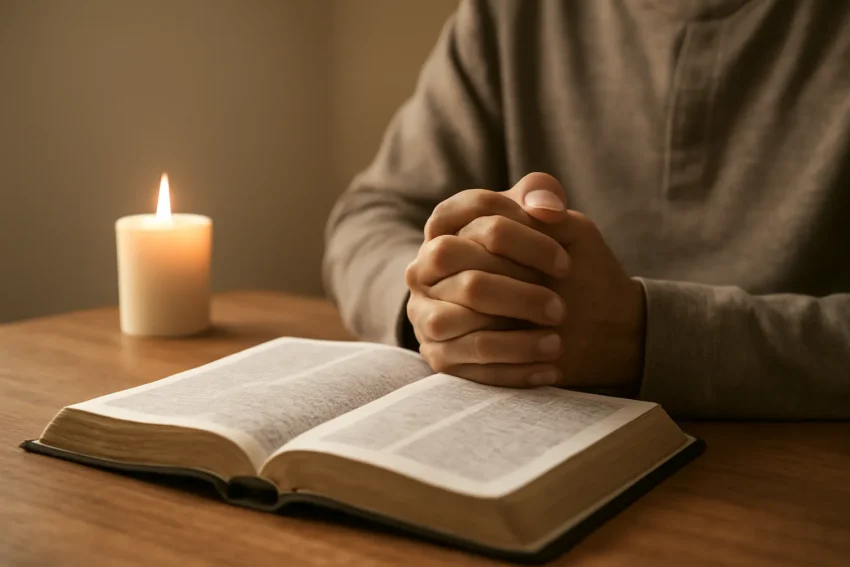
Bible Meditations: Daily Devotions for Peace and Growth invites readers into a practice that blends quiet reflection, Scriptural focus, and daily discipline. Unlike hurried reading or mere topical study, meditation on Scripture invites you to linger with God’s Word until it shapes your heart, mind, and choices. This article explores what Bible meditations are, why they matter, and how to do them in a way that brings consistent peace and enduring growth.
Understanding Bible Meditations: What It Is and Isn’t
To begin well, it helps to define terms. Bible meditation is a devotional practice that centers attention on a passage of Scripture with the aim of transformation. It differs from reading for information, from expository study, and from mere sentiment. In meditation, you invite the Word to illuminate your heart and guide your actions in daily life. In short, it is Scripture-focused reflection that leads to concrete living.
Several phrases describe this timeless practice, which has many rightful variations across Christian traditions. You may hear it called:
Scripture meditation — turning a verse over in the mind until its meaning takes root.
Contemplative Bible practice — a slower, more receptive form of engagement with God’s Word.
Meditative prayer — pairing meditative attention with a prayerful conversation with God.
Devotional reflection — a daily habit that connects reading, reflection, and life application.
Spiritual contemplation — a broader form of listening to God that includes Scripture as a primary teacher.
The Purpose of Bible Meditations: Peace, Growth, and Transformation
What makes daily devotions through meditation uniquely powerful are the outcomes they produce. Meditation on the Bible invites you into three enduring aims:
Peace for the soul — a settled confidence in God that quiets fear, anxiety, and restlessness.
Growth in character — kindness, patience, humility, and resilience take root as truth reorients your desires and decisions.
Guidance for daily life — wisdom for relationships, work, finances, and priorities emerges when Scripture shapes your lens.
Beyond these, Bible meditations nurture a deeper sense of God’s presence. In a busy world, meditating on Scripture helps you anchor your attention on what matters most: God’s promises, his character, and his plan for your life. It is not merely intellectual assent; it is a spiritual practice that invites alignment with God’s will and action in the world.
Historical and Theological Foundations
The practice of meditating on Scripture has deep roots in the biblical narrative and the history of the church. The Psalms repeatedly invite meditation as a way to know God better and to find strength in him. For example, the psalmist’s cadence in Psalm 1 emphasizes delighting in the law of the Lord and meditating on it day and night as a path to flourishing. Early Christian writers and theologians encouraged meditative reading as a means of staying faithful in the face of temptation and hardship. While approaches vary among traditions, the core conviction remains: Scripture reveals God, shapes character, and equips believers for mission.
From a theological perspective, meditation on Scripture aligns the mind with truth and redirects the heart toward worship and obedience. It is not primarily about quietism or escapism; it is about the transformative encounter with the living God through his Word. The goal is not abstract contemplation alone, but a lived, compassionate response to God’s revelation in Christ and in the Bible.
Common Methods of Bible Meditation
There are several practical ways to practice Bible meditations, and many people combine elements from multiple methods. Below are four widely used approaches, each with its own rhythm and benefits. Try one to start, or mix them across the week to sustain freshness.
Lectio (Reading) — Slowly read a short passage, paying attention to words and phrases that stand out. Read it more than once if you need to.
Meditatio (Meditation) — Ruminate on a phrase or image from the passage. What truth catches your attention? What does this mean for your life today?
Oratio (Prayer) — Speak to God about what you have observed. Ask for grace to apply the truth you’ve found.
Contemplatio (Contemplation) — Rest in God’s presence. Be still and listen as God gathers your thoughts into a sense of his nearness.
Actio (Action) — Consider one concrete step you will take in response to what you’ve learned. This could be a change in attitude, a conversation, or a new habit.
This method emphasizes stillness and receptivity, allowing God’s voice to shape your inner life before you act in outward ways.
Journaling and Reflection
Journaling can help you externalize your meditation. By writing your observations, prayers, and plans, you create a traceable pattern of spiritual growth. A simple journaling habit might include the following prompts:
What word or phrase in the passage stands out today?
What truth about God do I see in this passage?
What is God inviting me to believe, feel, or do in response?
What situation in my life can I bring into this reflection?
What is one concrete action I will take before tomorrow ends?
Journaling fosters accountability and creates a personal record of the ways God has spoken to you over time. It also provides material for future reflection and repentance.
Memorization and Meditation
Memorizing Scripture can deepen meditation by providing ready access to God’s Word in moments when you cannot read. A practical approach is to select a single verse or a short passage, memorize it, and then meditate on it in brief sessions throughout the day. Some tips include:
Choose a verse that speaks to your current season or challenge.
Repeat the verse aloud several times; write it on a card or note in your phone.
Pair the verse with a simple image or metaphor to help recall its meaning.
Over time, memorization becomes a resource you can draw on in prayer, decision-making, and moments of pressure.
Breath, Stillness, and Prayerful Reflection
For some, meditative prayer through slow breathing and quiet listening helps create space for God to speak. This approach is less about analyzing the text and more about positioning the heart to receive grace. A simple pattern might involve:
Take a few deep breaths as you settle your body and mind.
Read a short verse and savor the truth it conveys.
Pray a short, honest petition such as, “Lord, help me to trust your word today.”
These moments of quiet can become anchors during a hectic day, reminding you that God’s presence is near and accessible.
Daily Bible Meditations: A Week of Peace and Growth
To put theory into practice, here is a seven-day plan designed to cultivate peace and growth through daily meditations. Each day includes a short Scripture focus, a meditation prompt, and a practical application. You can adapt these to your preferred method—Lectio Divina, journaling, or memorization.
Day 1 — Focus: Stillness in God
Scripture: Psalm 46:10 — “Be still, and know that I am God.” Meditation: Allow the Lord to slow your pace. In stillness, ask: What noise in my life drowns out God’s voice? What would it look like to pause and simply trust God today? Application: Choose one distraction you will turn down for the afternoon to create space for peace. Tell a trusted friend you are practicing stillness and invite accountability.
Day 2 — Focus: God’s Presence in Anxiety
Scripture: Philippians 4:6-7 — “Do not be anxious about anything, but in every situation, by prayer and petition, with thanksgiving, present your requests to God.” Meditation: Name your anxiety honestly, then surrender it to God in prayer. Notice the gift of peace that follows petition and thanksgiving. Application: Write down one worry and hand it to God in a short prayer, then commit to asking for help with one concrete need today.
Day 3 — Focus: Growth Through Scripture
Scripture: 2 Timothy 3:16-17 — “All Scripture is God-breathed and useful… so that the servant of God may be thoroughly equipped for every good work.” Meditation: Consider how Scripture shapes character and equips you for daily tasks. Where has God’s Word already prepared you for a present challenge? Application: Identify one “good work” you can pursue this week—an act of service, a decision with integrity, or a kindness offered to someone in need.
Day 4 — Focus: Grace for the Mind
Scripture: Romans 12:2 — “Do not conform to the pattern of this world, but be transformed by the renewing of your mind.” Meditation: What mental patterns would you like to renew? How does God’s truth reframe how you think about yourself and others? Application: Practice replacing a negative thought with a truth from Scripture at least three times today.
Day 5 — Focus: Relationships and Love
Scripture: Colossians 3:12-14 — Put on compassionate hearts, kindness, humility, gentleness, and patience; above all, love. Meditation: Let mercy guide your conversations. Where can you demonstrate more patience, gentleness, or forgiveness? Application: Do one small act of kindness today that broadens the circle of grace around you.
Day 6 — Focus: Gratitude as a Practice
Scripture: 1 Thessalonians 5:18 — “Give thanks in all circumstances; for this is God’s will for you in Christ Jesus.” Meditation: List three daily blessings you often overlook. How does gratitude alter your perspective on challenges? Application: Start and end each day with a short gratitude rite—three things you’re thankful for, offered to God in prayer.
Day 7 — Focus: Hope for the Future
Scripture: Jeremiah 29:11 — “For I know the plans I have for you… plans to prosper you and not to harm you.” Meditation: Let hope anchor your imagination for tomorrow. What is one faithful dream you can nurture with God’s guidance? Application: Write down a small, hopeful action you will take in the coming week that aligns with God’s promises.
Consistency is often the hinge on which a fruitful meditation practice turns. A few practical tips can help you maintain momentum over weeks and months rather than days.
Set a regular time and place for your meditation. Consistency builds habit, and habit builds familiarity with God’s Word.
Start small — even 5 to 10 minutes daily can be transformative if done with intention.
Use a simple framework (read, reflect, respond) so you don’t get overwhelmed by too many steps.
Keep a journal of insights, prompts, and steps you’ve taken. Review it periodically to observe growth.
Mix formats — sometimes read, other times memorize; some days journal, other days simply sit in silence with a verse.
Guidance for Beginners: Getting Off the Ground
If you are new to Bible meditations, begin with passages that are concise, clear, and personally meaningful. Short verses regarding God’s character, love, and grace are excellent starting points. Over time, you can expand to longer passages or entire chapters as your capacity grows. The essential ingredient is sincerity: approach God with openness, asking him to shape you through his Word.
Common Pitfalls and How to Avoid Them
As with any spiritual practice, certain obstacles can hinder your progress. Being aware of these can help you navigate them with grace and perseverance.
Turning meditation into mere mental exercise — Remember, the goal is encounter and transformation, not information alone.
Legalism or guilt-driven practice — Let meditation flow from love for God, not fear of failure. God meets you where you are and invites you forward in mercy.
Rushing the process — Slowness is not laziness; it is fidelity. Give God space to speak in the season you’re in.
Conflict between life and devotion — If you miss a day, begin again the next day with modest expectations rather than self-judgment.
Adapting Bible Meditations for Different Stages of Life
People at different life stages bring distinct questions and needs to meditation. The practice can be adapted to fit children, teens, college students, working professionals, and older adults alike.
Youth and Young Adults
For younger readers, meditations can center on identity in Christ, courage in the face of peer pressure, and the joy of service. Short, memorable verses and creative journaling prompts can capture attention and foster ongoing practice without overwhelming busy schedules.
Families and Parents
Families can engage in family devotionals that combine a brief Scripture passage with a shared reflection and a simple family action. Meditation can become a language of faith that children grow into as they observe how adults live out faith in daily life.
Adult Professionals and Busy Schedules
For those balancing work, family, and ministry, brief meditations integrated into morning routines or lunch breaks can sustain spiritual focus. Short verses with clear applications—such as patience, integrity, or peacemaking—offer practical guidance for workplace relationships and decision-making.
Older Adults and Lifelong Learners
In later years, meditation can deepen reflections on wisdom, endurance, gratitude, and legacy. A slower pace with longer contemplation, paired with remembrance of God’s faithfulness, can be a source of solace and purpose.
Resources to Enhance Your Practice
Several tools can support a robust meditation routine. The right combination depends on your personality, learning style, and spiritual tradition.
Study Bibles and note-taking journals to capture insights and questions as you reflect.
Guided devotional apps or audio recordings that lead you through structured meditations.
Memory cards with short verses for quick recall during the day.
Reading plans that pair Scripture with meditative prompts or thematic focuses (e.g., peace, patience, joy).
Community groups that share meditations, encourage accountability, and offer mutual encouragement.
All of these resources can be used to deepen the practice, but the most vital element remains a willing heart. God honors honest, humble pursuit of him through his Word.
Here is a straightforward routine you can adapt. It combines reading, reflection, and response in a compact format—often a manageable 10–15 minutes.
Choose a short passage (one to two verses or a concise paragraph).
Read slowly and listen for a word or phrase that stands out.
Reflect on meaning by asking: What does this say about God? What does it say about me? What changed in me after reading?
Respond in prayer or action by asking God for strength to live out the truth today, and choosing one concrete step.
Conclusion: A Path Toward Peace and Growth
In a world filled with noise, distractions, and shifting values, Bible meditations offer a reliable, transformative rhythm: hear God in his Word, let that truth reorient your mind and heart, and carry the change into daily life. The practice provides daily devotions that are less about religious performance and more about intimate relationship with God. As you persist, you will likely discover a growing sense of peace that remains steady in the storms, and a tangible growth in character, decisions, and relationships.
Whether you are new to this practice or rediscovering it after years of routine, allow the journey to unfold at God’s pace. The goal is not speed or volume but depth: to know God more truly, to become more like Christ, and to live in a way that reflects the hope of the Gospel. In this way, Bible meditations become not only moments of quiet reflection but a daily path toward wisdom, mercy, and generous love for the world God loves.