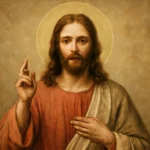
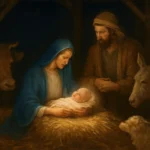
The name Messiah derives from the Hebrew root 'mashach' meaning 'to anoint.' It is a participle form meaning 'the anointed one.' This term was used for priests, kings, and prophets in ancient Israel, signifying someone set apart by divine anointing. Over time, it became a title for the expected deliverer or Savior prophesied in Jewish scriptures. In Hebrew, the lowercase 'messiah' simply means 'anointed one,' but with capital 'Messiah,' it refers specifically to the prophesied anointed ruler, the Savior figure in Jewish and Christian traditions. The concept ties closely to rituals of consecration, emphasizing divine selection and authority.
Original Language
Hebrew
Transliteration
מָשִׁיחַ
Pronunciation
mah-SHEE-akh
Literal Meaning
The Anointed One
Gematria Value
375 (Hebrew value: מָשִׁיחַ) — symbolizes divine authority and fulfillment of prophecy
✨ Spiritual Meaning
The Messiah embodies God's divine plan for salvation, representing the appointed Savior who would deliver spiritual and political liberation. In biblical theology, the Messiah signifies hope, divine promise, and God's fulfillment of covenantal promises to His people. This name conveys the expectation of a divine agent sent to restore righteousness, establish God's kingdom, and reconcile humanity with God through divine authority and grace.
David is considered the prototype of the Messiah, exemplifying divine chosen leadership and kingship in biblical tradition.
Jesus Christ
Matthew 1:1
Central figure in Christianity, the Messiah
Jesus is recognized by Christians as the fulfillment of Old Testament prophecies regarding the Messiah, embodying salvation and divine intervention.
🏺 The Name in Cultural Context
In biblical times, naming carried profound significance, often reflecting faith, hope, or divine purpose. The name Messiah indicated divine election and was associated with the hope of a deliverer sent by God. Parents who named their children with this term expressed faith in God's promises and a longing for divine salvation. The title also reinforced societal expectations of righteous leadership and the anticipation of divine intervention in human affairs. Over time, the name became a symbol of messianic hope, especially during periods of trouble or foreign domination, nurturing collective belief in the coming deliverer.
While 'Messiah' is rarely used as a personal name today, it remains a powerful religious and cultural symbol. In some contexts, it is used metaphorically or symbolically, but Christian communities sometimes adopt related derivatives like 'Messiah' or 'Messi' in branding or nicknames. In Hebrew-speaking contexts, the focus is more on titles and titles of divine figures rather than personal names. The name carries weight as a representation of hope, divine promise, and spiritual leadership across faith communities worldwide.
In Islam, the concept of a messianic figure is associated with the Mahdi, not the term 'Messiah' directly. In Judaism, 'Messiah' (Meshiach) remains a future hope for a future anointed king who will restore Israel. Christian tradition identifies Jesus as the fulfillment of the Messianic prophecies, emphasizing his divine role as Savior and King. The name's importance transcends religions, symbolizing divine salvation and hope across faiths.
❓ Frequently Asked Questions
What does the name ‘Messiah’ mean?
It means ‘The Anointed One,’ referring to someone divinely chosen and consecrated for a special purpose.
Is ‘Messiah’ used as a personal name today?
Typically, it is used as a title or symbolic term rather than a personal name, especially in religious contexts.
Who is considered the biblical Messiah?
In Christianity, Jesus Christ is recognized as the biblical Messiah; in Judaism, the anticipated future deliverer is often referred to as the Messiah.
✨ Did You Know?
The term 'Messiah' originates from an ancient Hebrew ritual of anointing, historically associated with kings and priests. Its widespread use transformed from a specific ritual title into a messianic hope that has profoundly shaped religious beliefs and cultural narratives across millennia.