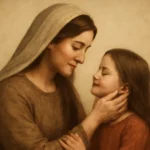
The name 'Everlasting Father' is derived from the Hebrew words 'Ab' (אָב), meaning 'father,' 'Olam' (עולם), meaning 'eternity' or 'world without end,' and 'Pater' (פּטר), a term often used contextually to signify a 'father' figure or protector. The phrase appears in Isaiah 9:6 as a divine title and combines the concepts of timeless authority and divine paternal care. The roots emphasize an unending, divine fatherly role transcending temporal bounds, highlighting God's eternal nature and paternal relationship with His people.
Original Language
Hebrew
Transliteration
אב־עולם פּטר
Pronunciation
ahv-ol-‘am peh-TEHR
Literal Meaning
Eternal Father
Gematria Value
N/A
✨ Spiritual Meaning
The name signifies God's eternal nature as a loving and caring father figure who governs and sustains His creation forever. It reflects God's perpetual authority, unending compassion, and His role as the divine protector and guide for His people. As a messianic title, it underscores the hope for an everlasting, nurturing relationship between God and humanity, emphasizing divine sovereignty that transcends time.
👤 People with This Name in the Bible
Person
Reference
Role
Significance
Isaiah (prophet)
Isaiah 9:6
Prophet foretold the coming of the Messiah
This title is part of the messianic prophecy describing the nature of the Messiah who would embody divine authority and everlasting peace.
In the biblical world, naming carried deep significance, often reflecting the child's destiny, divine revelations, or desired qualities. The title 'Everlasting Father' in Isaiah symbolizes hope and divine promise, emphasizing God's eternal and paternal role for His people through the messianic future. It reveals the faith of the Israelites in God's unending care and sovereignty. Such a name would inspire trust and reassurance, reinforcing God's perpetual commitment to His covenant. The use of 'Father' denotes authority, protection, and nurture, qualities highly valued in biblical culture. As a prophetic title, it also signifies Israel's expectation of the messianic fulfillment of God's eternal plan for salvation and divine kingship.
🔗 Related Names
Name
Relationship
Meaning
El Olam
related title
God of eternity
Father of Eternity
conceptually similar
God as eternal father figure
📚 Where This Name Appears
Isaiah (1), Isaiah 9:6 (1)
👶 As a Baby Name Today
While not common as a personal name, 'Everlasting Father' is more often used as a divine title. However, variations inspired by this title, such as 'Abraham,' 'Eli,' or 'Jonathan,' remain popular across cultures. The phrase underscores qualities of divine authority and eternal care, inspiring parents who value faith-based naming. In modern contexts, the concept influences theological discussions but is rarely used as a secular given name. Its profound spiritual significance makes it a symbol rather than an everyday name.
🌍 In Other Faith Traditions
In Judaism, the concept aligns with names of God emphasizing eternal and paternal attributes, such as 'El Olam.' In Islamic tradition, similar divine titles exist for God's eternal nature, like 'Al-Hayy Al-Qayyum.' Christianity views this title as a messianic attribute of Jesus Christ, affirming his divine and eternal role. Overall, it underscores a universal recognition of God's everlasting, paternal qualities across Abrahamic faiths.
It refers to God’s eternal, paternal nature and is a divine title emphasizing His everlasting care, authority, and relationship with His people, especially in messianic prophecy.
Is ‘Everlasting Father’ used as a personal name?
No, it is primarily a divine or messianic title found in Isaiah 9:6, rather than a common personal name.
How does this name relate to Jesus Christ?
Christian interpretation sees it as a prophecy referring to Jesus’ divine, eternal role as the Messiah and the spiritual ‘Father’ of believers.
✨ Did You Know?
The phrase 'Everlasting Father' is one of the few divine titles containing both a temporal and paternal reference, highlighting the concept of God's eternal protective care. Interestingly, this title was historically interpreted by some Jewish scholars as a prophetic indication of the divine nature of the Messiah, emphasizing both his divine authority and eternal reign.