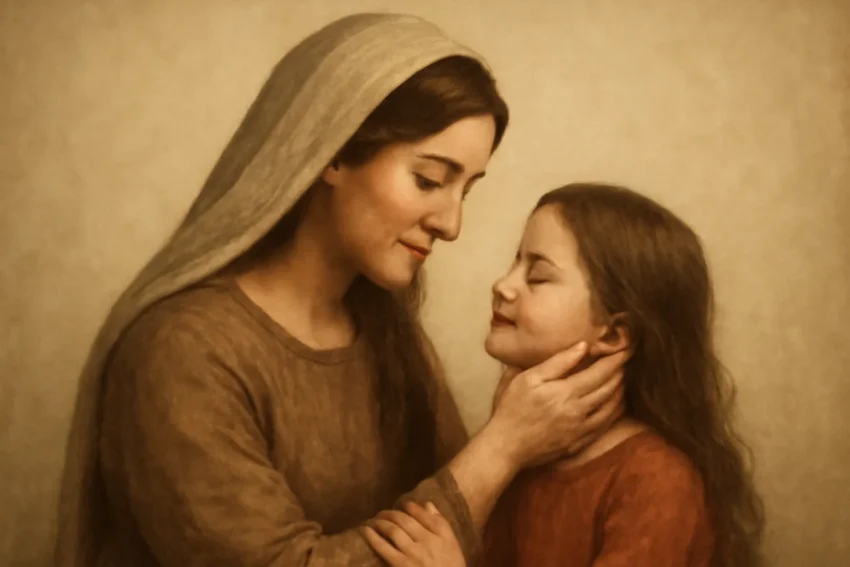
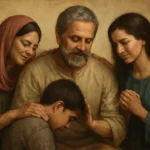
Introduction: What it means to honor your mother in Bible-based teaching
Honor your mother is a foundational idea that appears across the biblical canon in distinctive voices—Old Testament commandments that ground family life in reverence, and New Testament exhortations that connect honor to community flourishing. This article explores the phrase in its various expressions, the core ideas behind honoring mothers, and practical ways readers today can reflect this reverence in everyday life. By surveying key scriptures, linguistic variations, and pastoral applications, we gain a richer understanding of how respect for mothers functions as both a personal virtue and a public good.
Key Scriptures: Old Testament foundations for honoring mothers
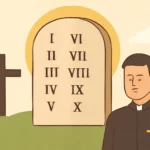
Exodus 20:12 — The Decalogue and the command with a promise
In many English translations, the verse reads similarly to: “Honor your father and your mother, so that you may live long in the land the LORD your God is giving you.” Although the wording varies by translation, the heart of the command is clear: honor your mother is part of a divine framework for long life and communal well-being. The matter is not limited to obedience in childhood but extends to a lifelong posture of respect that helps shape the moral ecology of a nation. In this light, the command links with a broader covenantal life in the land God provides.
Deuteronomy 5:16 — A reiteration with a covenantal cadence
Deuteronomy repeats the instruction with a similar purpose: honor your father and your mother so that your days may be long and that it may go well with you in the land the LORD your God is giving you. The repetition in Deuteronomy underlines how essential family reverence is to a thriving society. It also places the mother’s honor within a shared memory of liberation and gratitude for divine provision, inviting readers to respond with loyalty, care, and gratitude.
Leviticus 19:3 — A broader social ethic tied to familial reverence
Leviticus calls for general respect within the household as part of holiness in daily life: “Each of you must respect your mother and father” (in many translations). This command appears within a constellation of laws that shape purity, integrity, and community responsibility. The inclusion of mothers in this command signals that reverence for mothers is not a peripheral virtue but a core aspect of ethical living before God and community.
Proverbs 1:8 and Proverbs 6:20 — Wisdom’s appeal to parental instruction
In the Book of Proverbs, the call to honor mothers (and fathers) is framed as an invitation to listen well. Proverbs 1:8 declares, “Listen, my son, to your father’s instruction and do not forsake your mother’s teaching.” The parallel phrasing underscores a holistic respect: wisdom is transmitted through both paternal guidance and maternal teaching. Likewise, Proverbs 6:20 exhorts, “My son, keep your father’s command and do not forsake your mother’s teaching.” The emphasis is on internalizing the moral formation provided by both parents, recognizing that a mother’s counsel is an indispensable avenue to wisdom.
Proverbs 23:22 and Proverbs 31:28–29 — Honor in aging and blessing
Proverbs 23:22 urges the listener to “listen to your father who gave you life, and do not despise your mother when she is old.” This verse anchors honor as a lifelong commitment that extends beyond youth to the later chapters of life. Proverbs 31:28–29 sings of a mother’s blessing and praise: “Her children arise and call her blessed; her husband also, and he praises her: ‘