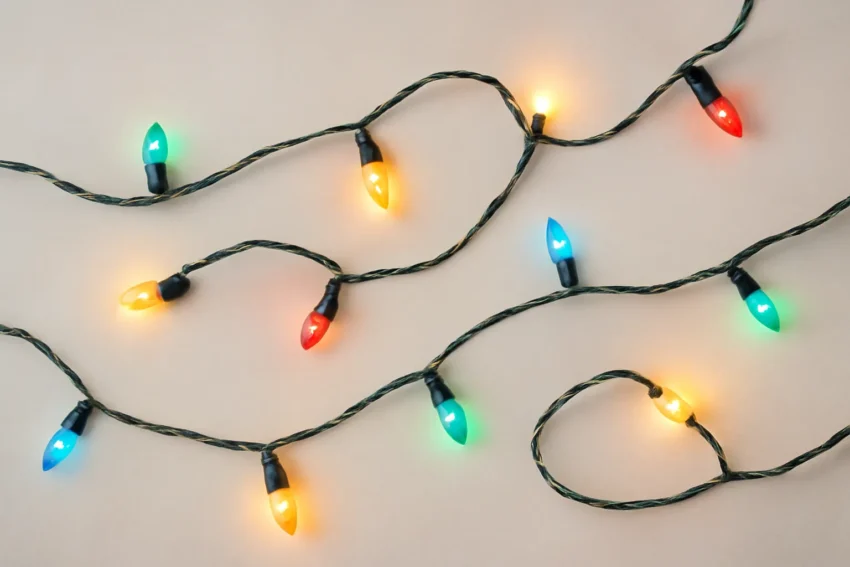
Christmas Lights with Design are more than a string of bulbs. They are a medium for storytelling, mood creation, and architectural accent. When light becomes design, your holiday decor transcends ornament and enters the realm of intentional atmosphere. In this guide, you’ll discover how to elevate your holiday presentation by thinking like a designer: layering light, choosing palettes with purpose, and coordinating outdoor and indoor experiences so that every corner feels coordinated, welcoming, and memorable.
Introduction: The Power of Design in Christmas Lighting
The act of decorating with lights is deeply rooted in tradition, yet modern lighting design opens up a world of possibilities. The right color temperature, the correct intensity, and purposeful placement can transform a plain façade into a narrative canvas. When we speak of christmas lights with design, we mean a deliberate approach that blends aesthetics with function: sightlines, safety, energy use, and emotional impact all play a role.
In practice, design-forward Christmas lighting integrates several elements:
Concept or theme that guides color and pattern choices
Layering of light types (ambient, accent, task) for depth
Synchronization with music or movement for dynamic displays
Energy awareness through LED technology and smart timing
Safety and maintenance as a baseline consideration
Foundations of Lighting Design for the Holidays
Color theory for holiday lighting
Color is not decorative background noise; it is a language. Traditional holiday palettes rely on reds, greens, and golds, but modern design embraces a broader spectrum. When selecting a palette, consider the following principles:
Temperature matters: warm white (around 2700K–3000K) evokes cozy, classic warmth; cool white (3500K–4500K) feels modern and crisp; RGB lights enable dynamic color shifts and scene changes.
Use a dominant color plus one or two accent colors to avoid visual clutter.
Test color harmonies in daylight and at dusk to ensure they read well on the home’s surface.
Consider the material of your surfaces—brick, siding, or glass—and how they reflect and absorb color.
Effective holiday lighting relies on layering. Each layer serves a distinct role in shaping the overall perception:
Ambient lighting provides base illumination for architectural features without overpowering details.
Accent lighting highlights focal points like entryways, windows, or evergreen trees.
Task lighting is practical near walkways and driveways to ensure safety while enhancing the story you want to tell with your design.
Types of Christmas Lights with Design: Variations and What They Bring
There is a broad spectrum of lighting products, each with its own design implications. Understanding the characteristics of different light types helps you compose more intentional displays.
String lights and fairy lights as design threads
Classic string lights and fairy lights are the designer’s workhorse for wrapping trees, railings, or architectural fins. They come in a range of densities and bulb shapes. Use them to create:
Linear drapings along eaves or railings for a soft glow.
Wrapped trunks and limbs to reveal form with gentle texture.
Content-specific motifs such as silhouettes or word banners.
Icicle and curtain lights for architectural drama
Icicle lights and curtain lights create vertical or cascading effects that emphasize height and architectural rhythm. They excel at framing windows and doorways, or turning a bare roofline into a living edge.
Rope lights and neon-like accents
Rope lights are rugged, versatile, and outdoor-ready. They work well for under-sill lighting, border accents, or outlining features such as garden edges. For a bold look, pair rope lights with structural lines on fences or garden arches.
Net lights, bulbs, and clusters for texture
Net lights are efficient and quick to deploy over shrubs or hedges. They can be layered with larger bulbs or used to create micro-patterns in tree canopies for a woodland effect.
Smart lights and programmable palettes
Smart Christmas lights integrate with apps, voice assistants, and home hubs. They enable programmable scenes, color shifts, and timed schedules. For design-minded displays, smart lights offer:
Seamless color transitions and scene presets
Synchronization with music or ambience
Remote monitoring, debugging, and energy tracking
LED vs incandescent: design choices and trade-offs
Modern LED options dominate due to efficiency and longevity. Incandescent bulbs have a warm, familiar glow, but burn hotter and use more energy. For most design-focused holiday projects, LEDs are preferred for:
Lower energy consumption and cooler operation
Longer lifespan and better durability in cold outdoor conditions
Greater color variety and instant-on performance
Color, Temperature, and Mood: Crafting Emotional Palettes
Mood is a product of color, light level, and rhythm. Thoughtful selection of color palettes and temperatures can evoke warmth, nostalgia, whimsy, or modern elegance. Here are practical considerations for mood-driven design.
Warm palettes (2700K–3200K) feel intimate and inviting, ideal for traditional homes and cozy interiors visible from the street.
Cool palettes (3500K–4500K) feel crisp, contemporary, and pristine, suited for modern architecture and high-contrast exteriors.
Dynamic RGB scenes can shift from playful to dramatic, matching music or storytelling cues.
Seasonal storytelling through color shifts
A narrative approach might pair colors with scenes: a red-and-green phase for classic holidays, a blue-and-silver winter scene, or a warm amber glow around the entry to evoke a hearth-like welcome.
Texture and light interaction
The same color can read differently on various surfaces. Neutral siding, painted wood, brick, glass, and greenery each reflect light uniquely. A designer approach uses:
Warm textures near entry thresholds to signal hospitality
Cool accents on architectural features to emphasize lines
Soft, diffuse lighting on foliage to reveal silhouettes without glare
A coherent scheme helps the space feel intentional rather than incidental. Here are several popular thematic lighting schemes you can adapt to your home’s architecture and landscape.
Classic red, emerald green, and metallic gold
This timeless palette uses bold primary colors accented by metallics to catch light from multiple angles. Apply red and green garlands along eaves, with gold accents on window boxes or doors to add sparkle.
Winter wonderland in white and icy blue
A monochrome or dual-tone palette emphasizes clarity and elegance. Use cool white LEDs with occasional icy blue highlights for a frosted look on evergreens and architectural lines.
Embrace a restrained palette—subtle whites, soft grays, and natural materials such as wood and stone. The lighting should enhance form rather than overwhelm it. Think delicate stringing along ribs of a modern porch or around a timber pergola.
Candy cane lane: red, white, and a dash of whimsy
A playful scheme uses high-contrast red-and-white patterns, candy-cane motifs on trim, and irregular strands that mimic winding paths through a lawn or garden.
Pastel holiday glow
Soft pinks, mint greens, and pale blues create a dreamy, contemporary feel. This approach works well for understated homes or for indoor spaces that guest pass through on the way to celebrations.
Outdoor and Indoor Design Considerations
The boundary between exterior and interior lighting is more porous than ever. A thoughtful design considers sightlines, weather, safety, and the user experience across both domains.
Outdoor design fundamentals
Plan around security lighting and path illumination for safe navigation at night.
Use weather-rated, outdoor-safe components labeled for exterior exposure.
Consider anchoring points, wind loads, and the potential for cords to snag or degrade; route cables away from snow plows and pedestrians.
Combine multiple light layers to outline architectural shapes, landscape features, and garden elements.
Indoor design integration
Coordinate living spaces with a consistent lighting vocabulary to help guests transition from indoor warmth to outdoor spectacle.
Use mirror or glass-front reflections to amplify the glow without adding heat or clutter.
In rooms with tall ceilings or stairways, install lighting that guides attention upward and downward for a dynamic sense of scale.
DIY and Custom Projects: Personalizing Your Display
Do-it-yourself projects empower you to tailor christmas lights with design to your home’s unique features. Here are approachable ideas that can be planned and executed over a weekend or staged across a season.
Custom focal points with silhouette lighting
Create silhouettes of reindeer, angels, or trees by outlining shapes with narrow-profile LED strips or rope lights. Mount them on a wooden frame or attach to a fence for a striking, low-profile display.
Window framing and architectural accents
Use slim LED strip lights to trace the outline of windows, doorways, and architectural recesses. The payoff is a crisp, modern look that reads clearly from the street and from within the home.
Garden installations and planter wraps
Wrap evergreens and shrubs with mini-lights or net lights to reveal texture on dark nights. Layer with solar-powered accents to minimize energy use while maintaining warmth.
Music-synced displays for a holiday show
If you have a smart home setup, choreograph color changes and intensity to a seasonal playlist. A music-synced display creates a memorable performance that can delight neighbors and visitors.
Safety, Energy Efficiency, and Maintenance
A design-forward approach to christmas lights prioritizes safety and long-term reliability. The best aesthetics are accompanied by care for people and property.
Safety basics for outdoor lighting
Use UL-listed cords and lights rated for outdoor use.
Avoid overloading circuits; distribute load across multiple outlets and use a weatherproof power strip.
Keep cables away from driveways, walkways, and areas where snow removal equipment passes.
Secure ladders and work areas; never work on wet surfaces or during storm conditions.
Energy efficiency and operational considerations
Prefer LED bulbs for their long life and markedly lower energy consumption.
Utilize timers and smart plugs to automate on/off cycles, preventing waste.
Consider a dimmer or adjustable brightness option for extended displays without glare.
Estimate energy cost using wattage, hours of use, and local electricity rates to plan budgets.
Inspect strings before deployment for frayed wires or broken bulbs; replace as needed.
Secure connections to protect against wind and weather; seal outdoor connectors with proper housings.
Store lights properly after the season to extend life—coil them carefully to avoid kinks and tangles.
Maintenance and Longevity
Proactive care ensures your design-forward Christmas lighting remains vibrant across seasons. A system designed with future maintenance in mind will reward you with fewer replacements and more consistent performance.
Seasonal evaluation routine
Inspect all cords and bulbs for wear; tag or replace damaged items.
Test smart devices and timers to confirm reliable operation at set times.
Check weatherproof seals on outdoor connections and adapt to changing weather conditions.
Storage strategies for longevity
Label and catalog lights by type, color, and length to simplify next-season planning.
Wrap strings in protective containers or use spools to avoid tangling.
Store bulbs and connectors in a cool, dry place to preserve durability.
Case Studies: Real-World Applications of Christmas Lights with Design
Across neighborhoods and cities, thoughtful lighting design transforms ordinary homes into seasonal landmarks. Here are illustrative examples that demonstrate how design principles translate into practical displays.
Case Study A: A colonial home with warm, traditional lighting
This project uses warm white LEDs along eaves, with garland wraps around a wraparound porch. Red-reflective accents are sparingly applied to door frames, creating a welcoming glow that aligns with classic holiday aesthetics.
Case Study B: A modern residence with a white-on-white winter theme
A sleek house is outlined with cool white curtains and ice-blue uplighting on trees. The effect emphasizes clean lines and architectural silhouettes, creating a sophisticated winter landscape.
Case Study C: A mixed-wood landscape with dynamic color scenes
Here, RGB LEDs are deployed on a networked system to yield seasonal scenes—from a woodland palette to a celebratory red-and-green sequence. The design balances high-energy focal points with low-glow background illumination for nighttime enjoyment without overwhelming visitors.
Practical Guide: Step-by-Step Planning for Your Christmas Lights with Design
Whether you’re starting from scratch or updating an existing display, a structured plan helps you achieve a cohesive result. The following steps provide a practical workflow.
Define a theme and a color story that matches your property and the ambiance you want to convey.
Survey the space—architectural features, trees, shrubs, and pathways that will host lighting elements.
Choose lighting types for each feature, combining strings, icicles, curtains, and accent LEDs as needed.
Draft a layout with a rough map showing outlet locations, power routes, and mounting points.
Estimate power requirements to avoid overloading circuits and to plan the number of outlets needed.
Develop a sequence for on/off times and color changes, if applicable.
Test and refine your plan indoors or on a small scale, then roll out to larger areas.
Budget-conscious design tips
Layer lighting with a mix of pre-lit elements and manual additions for flexibility and cost control.
Use durable, weather-rated hardware to reduce replacement costs due to weather exposure.
Prioritize LEDs for the majority of the display, reserving limited years for premium seasonal accents.
Conclusion: Elevate Your Holiday Decor with Thoughtful Lighting Design
Christmas lights with design offer more than illumination; they provide a framework for storytelling, seasonality, and shared experiences. By understanding color theory, layering, and the different lighting technologies available, you can craft a display that is as meaningful as it is beautiful. Whether you lean into traditional warmth, modern minimalism, or playful color palettes, the design choices you make—in alignment with safety and energy efficiency—will elevate your holiday decor and invite neighbors, guests, and passersby to pause, enjoy, and remember.