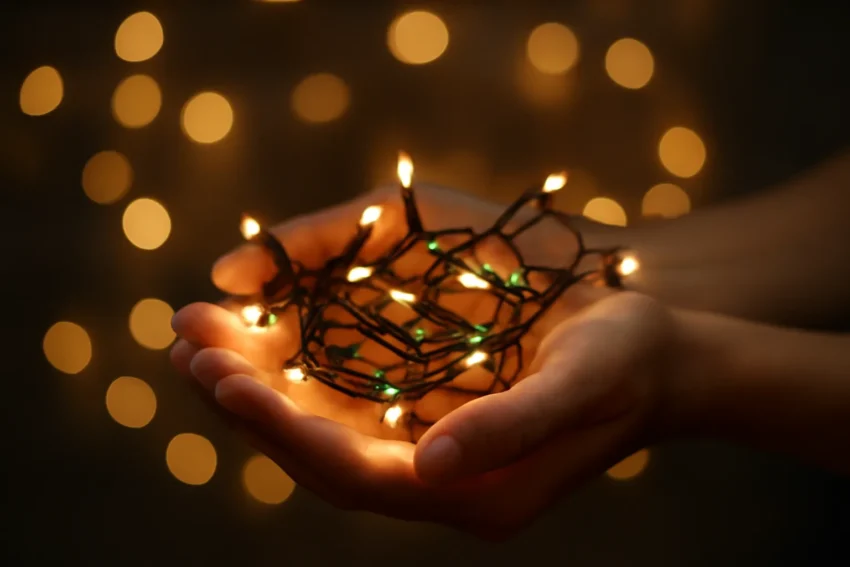
As the holiday season arrives, Christmas lights help transform homes, yards, and windows into warm, inviting displays. This guide is a practical, safety‑focused resource designed to help you plan, install, operate, and maintain decorative lighting with confidence. Whether you are decorating indoors or out, using incandescent strings or the latest LED Christmas lights, you’ll find actionable steps, common pitfalls to avoid, and tips for saving energy while maximizing visual impact.
Seasonal lighting is a cherished tradition, but it also introduces electrical hazards if not approached thoughtfully. Safety-first planning reduces the risk of shocks, fires, and damage to property. This section outlines the core principles of safe decorating and why routine maintenance matters long after the first twinkle.
Proper rating matters: outdoor lights require weatherproofing and appropriate plugs.
Ground fault protection can prevent dangerous shocks in damp conditions.
Condition checks before each season help catch frayed cords, broken bulbs, and loose connections.
Clear pathways and tidy cords reduce trip hazards and accidental damage.
Planning Your Display: A Roadmap for Successful Setup
A thoughtful plan makes the Christmas lights help more predictable and enjoyable. You will reduce waste, minimize risk, and ensure your display looks coordinated rather than chaotic.
Assessing the Space and Weather Conditions
Start with a quick assessment of where you’ll hang lights and how long you’ll leave them up. Consider temperature fluctuations, wind exposure, and moisture. Outdoor decorating requires specifically rated products and mounting methods, while indoor arrangements can be more flexible.
Measure the exact lengths of trees, porches, eaves, windows, and railing lines to determine how many strings you need.
Check the local climate: areas with heavy rain, snow, or ice may require extra protection and more durable hardware.
Plan for power supply access: ensure GFCI protection for outdoor circuits and a safe, dry outlet area.
Choosing the Right Lights for Different Applications
The world of decorative lighting includes a range of technologies and styles. Choosing the right combination is essential for effectiveness and safety.
LED lights: the most energy‑efficient and long‑lasting option with a wide color range.
Incandescent lights: traditional glow, often with lower upfront cost but higher energy use and shorter lifespan.
Crisp white versus colored: color choices affect mood and visibility; consider color temperature and contrast with architectural features.
Weather rating: outdoor products should be labeled for exterior use (often with IP ratings) and rated for damp or wet locations.
Extension cords: outdoor‑rated cords (often SJTW or SJAO) are essential for safe operation in the elements.
Choosing Lighting Styles and Color Schemes
A cohesive style helps your display feel intentional rather than haphazard. You can use color palettes, seasonal motifs, and lighting densities that reflect your home’s architecture and landscape.
Limit the number of distinct colors to create visual harmony, or intentionally mix for a playful effect.
Consider silhouettes like icicles, net lights, or outline lighting to emphasize architectural lines.
Use warm white (2700–3000K) for a traditional, cozy atmosphere or cool white (4000–5000K) for modern, crisp aesthetics.
Plan accent lighting for focal points such as entry doors, windows, and wreaths.
Safety Fundamentals: Core Practices for a Safe Display
The foundation of Christmas lights help is rigorous safety. The following principles help protect people, pets, and property.
Electrical safety is non‑negotiable. Implementing basic protections can prevent most common incidents.
GFCI outlets for outdoor circuits reduce the risk of shock in wet conditions.
Use outdoor‑rated cords and lighting fixtures designed for exterior use.
Never run cords under rugs, through doorways, or in places where the cord can be pinched or damaged.
Inspect cords and plugs for damage before use; frayed insulation or exposed conductors are disqualifying hazards.
Avoid overloading single outlets; distribute power loads across multiple circuits if needed.
Installation Safety
Safe installation minimizes the chance of falls, damage, and electrical shorts.
Secure cords with clips, hooks, or cable ties designed for outdoor use rather than nails or staples that can pierce insulation.
Avoid placing lights where they can block pathways, traffic, or emergency exits.
Keep connections and plugs off the ground and away from standing water or snow pockets.
Use slip‑resistant ladder placement and have a helper nearby when working at height.
Maintenance and Troubleshooting Mindset
Maintenance is part of the Christmas lights help process. Regular checks catch issues before they become safety problems.
Test the entire display before the season begins and again after any weather event that could affect wiring.
Replace burned‑out bulbs in strings with the same type and rating; mismatched bulbs can heat unevenly.
If a connector or section is warm to the touch, unplug and inspect for damage or moisture ingress.
Keep children and pets away from exposed plugs and cords; unplug when not actively decorating.
Step-by-Step Setup Guide: From Prep to Illumination
A structured setup process helps you achieve a polished result while maintaining safety. The following step-by-step guide is designed to be practical for homes of all sizes.
Before you touch a single bulb, walk the space and make a safety checklist.
Check cords for signs of wear, cracks, or water damage.
Identify power sources that are reachable, weather‑protected, and on a dedicated circuit if possible.
Mark areas that require temporary or permanent mounting solutions to avoid damaging walls or surfaces.
Step 2: Gather Materials and Tools
Preparing the right kit reduces trips to the hardware store and speeds up the decorating process.
Outdoor‑rated extension cords and plug adapters
Weatherproof light clips and hooks suitable for gutters, siding, or railing
Timely testers or a simple cord tester to verify functionality
Zip ties, cable clamps, and weatherproof sealant where needed
A ladder and a sturdy helper for elevated work
Step 3: Test Your Lights
Testing ensures you don’t deploy a defective strand that may fail later and create hazardous conditions.
Untangle a small section and plug into a safe outlet with a GFCI tester present.
Look for flickering bulbs or inconsistent brightness; replace or segregate faulty strands.
Label strands that require special handling or that go to specific outlets to expedite setup and troubleshooting later.
Step 4: Plan the Layout and Mounting Strategy
A deliberate layout plan minimizes waste and ensures a balanced display.
Create a rough sketch of where each string will go on walls, trees, or railings.
Assign zones (e.g., entryway, windows, roofline) and decide on a consistent spacing pattern.
Choose mounting methods that protect surfaces and maintain cord integrity: clips and hooks for gutters, adhesive or magnetic mounts for metal surfaces, and safe anchoring for trees or shrubs.
Step 5: Install and Secure Cables
Proper installation keeps the display neat and safe over time.
Work from the lowest point upward to avoid stepping on cords or stepping on loose segments.
Keep cords away from high‑traffic areas and doorways where entry points could damage the wires.
Use weatherproof covers for outdoor plugs and ensure that any connections remain dry and above ground level.
Managing how and when lights run is essential for safety and energy efficiency.
Route cords to prevent water ingress, especially where rain or snow can accumulate.
Utilize a timer or smart plug to automate daily on/off cycles, reducing unnecessary runtime.
Spread the load across multiple circuits to prevent tripping breakers and overheating of outlets.
Outdoor Installation: Special Considerations
Exterior lighting requires extra attention to weather, mounting, and neighborhood safety. The right approach makes your home stand out while ensuring durability and safety.
Mounting Techniques for Outdoor Decor
Outdoor mounting should be secure yet non‑damaging to surfaces. The goal is a stable, wind‑resistant display.
Gutters and eaves can support lightweight clips that grip without puncturing the surface.
Ground anchors and stakes are suitable for trees and shrubs, especially for tall displays.
Attach to outdoor fixtures using weatherproof fasteners and disconnects designed for exterior use.
Weather and Climate Adaptations
Winter conditions can stress lights and cords. Plan for snow, ice, and moisture.
Choose products with robust IP ratings for damp or wet locations.
Reinforce critical connections with sealed, weatherproof covers and avoid submerging plugs in water.
Inspect for wind exposure on tall displays and adjust anchor points as needed.
Smart Lighting and Modern Automation
The latest Christmas lights help is amplified by smart home integration. Automations can enhance timing, color sequences, and energy efficiency.
Smart Plugs, Hubs, and Controllers
Smart controllers provide the convenience of remote management and scheduling, helping you tailor the display to daily routines and weather events.
Smart plugs allow you to turn on/off groups of lights at set times via an app.
Hubs or bridges enable voice control and tie the lighting to other automation routines (thermostats, weather services, sensors).
Choose products with weather resistance and secure, periodic firmware updates.
Creative Lighting Effects Safely
New methods like synchronized music lighting, pixel control, and color‑changing LEDs open creative possibilities. Safety remains the guiding principle.
Keep control boxes and power supplies out of reach of kids and pets.
Test any complex sequences in a controlled fashion before leaving the display unattended.
Avoid over‑compression of power across many addressable LEDs that could overheat if misconfigured.
Maintenance, Troubleshooting, and Seasonal Care
Ongoing care extends the life of your holiday lighting investment and preserves safety. Regular maintenance helps your display remain vibrant year after year.
Seasonal Maintenance Tasks
Before storing and after the season ends, perform a thorough check.
Remove lights before heavy snowfalls that could accumulate and stress the wiring.
Check for frayed insulation, discolored coatings, or damaged plugs; replace as needed.
Detangle and coil strings properly for storage to prevent memory knots and tangling.
Label storage bins by zone or room to simplify next year’s setup.
Troubleshooting Common Issues
When lights fail, a systematic approach helps identify the root cause without unnecessary repackaging or risky improvisation.
Confirm the outlet is active and the GFCI is not tripped.
Check the most distant connections first if only part of the display is dark.
Replace any bad bulbs in strings designed for replacement (if applicable) and reseal applicable connections.
Test using a portable light tester or a known‑good strand to isolate the problem.
Energy Efficiency: Reducing Consumption Without Sacrificing Joy
Balancing festive ambiance with energy use is a practical objective. Christmas lights help you achieve this by choosing efficient technologies and smart scheduling.
LEDs versus Incandescent: What to Choose
LED lighting offers substantial advantages in most scenarios: lower energy use, longer life, and more vibrant color options. Incandescent bulbs still hold appeal for certain color temperatures and traditional warmth, but they consume more power.
LED strings typically use a fraction of the wattage compared to incandescent equivalents.
LEDs generate less heat, reducing fire risk and interior heat load in busy living spaces.
Color choice and dimmability can be better with modern LED systems, especially when integrated with smart controls.
Power Management and Scheduling
Smart scheduling reduces energy waste and extends the life of your lights.
Use timers or smart plugs to ensure lights run only during desired hours.
Set up separate schedules for different zones that reflect usage patterns (e.g., windows on, but doors off during daytime).
Turn off nonessential decorative lighting during late-night hours or when no one is home.
Common Mistakes to Avoid: Practical Warnings
Even experienced decorators can stumble into avoidable issues. Recognizing common missteps helps you maintain a safe, attractive display over many seasons.
Overloading outlets or circuits, which can trip breakers or cause overheating.
Using damaged or non‑outdoor rated cords in exterior settings.
Sealing or sealing out moisture with makeshift materials that trap condensation or create mold risks.
Forgetting to weatherproof connections, especially where plugs meet strands or power bricks.
Neglecting ladder safety or working from unstable surfaces when hanging lights at height.
Storage and Reuse: Preserving Your Lighting for Next Year
Proper storage protects the investment in your holiday lighting display and makes next season faster and safer.
Proper packing reduces tangling, prevents bulb damage, and extends the life of wiring insulation.
Coil strings gently without bending the wires or crushing bulbs; avoid knotting or crushing the cords.
Store in labeled, climate‑controlled storage bins to prevent moisture and temperature damage.
Keep bulbs and spare fuses or replacement parts in a dedicated container to avoid loss and damage.
Preparing for the Next Season
A little preparation now saves time later.
Review what worked well and what didn’t to refine your plan for the next year.
Consider upgrades to more durable, energy‑efficient components, especially if you found you needed more lighting than anticipated.
Test storage gear for signs of wear and replace any damaged items before reusing them.
Accessibility and Inclusive Decorating
A well‑considered display can be enjoyed by everyone, including people with limited mobility or sensory sensitivities. Below are practical tips to enhance accessibility.
Place lighting at reachable heights for ease of maintenance and safety for all family members.
Avoid overly bright, flashing sequences that may cause discomfort to sensitive individuals.
Provide clear, unobstructed pathways and keep cords tucked away from walking surfaces to prevent trips.
Final Thoughts: Embracing the Holiday Spirit with Confidence
Christmas lights help you create a welcoming atmosphere that reflects your personality while prioritizing safety and efficiency. A thoughtful approach—from planning and testing to installation and maintenance—ensures your display sparkles throughout the season. By combining prudent material choices, robust safety practices, and smart energy management, you can enjoy a luminous celebration without unnecessary worry.
Whether you are decorating a cozy apartment window, a suburban home, or a multi‑story yard display, the principles outlined in this guide are adaptable to your space. Remember to start with a safety audit, choose the right lighting technology, implement responsible power management, and keep maintenance routines simple but thorough. With the right preparation and care, your Christmas lighting display will bring joy to family, neighbors, and visitors for many seasons to come. This is the comprehensive guide to Christmas lights help—designed to empower you to decorate with beauty, safety, and efficiency in mind.