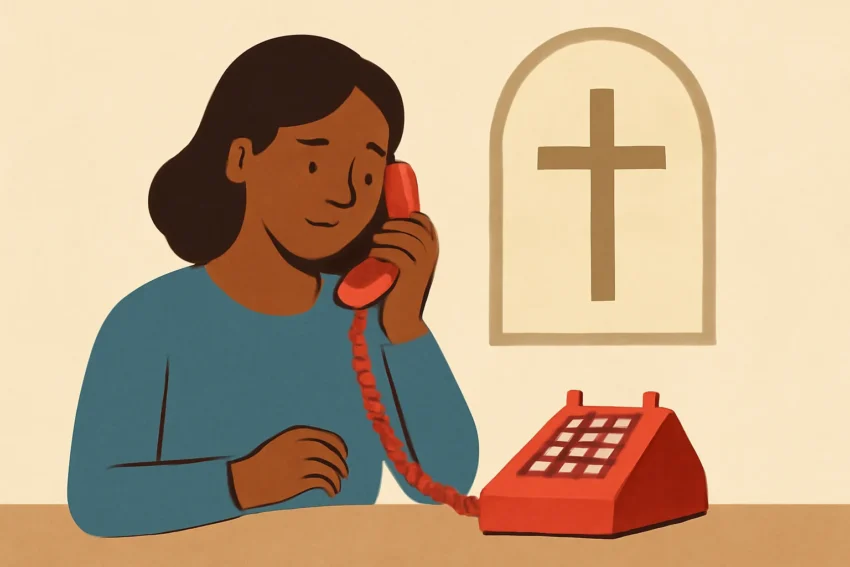
A church hotline is a dedicated telephone line, online chat, or other direct communication channel operated by a local congregation or denominational office to provide immediate spiritual support, pastoral care, and practical guidance. While the term can be used loosely, the core purpose remains consistent: to offer timely access to someone who can listen, pray, and walk with people through moments of need. In many communities, the parish helpline, pastoral helpline, or ministry hotline serves as a bridge between strangers seeking comfort and the church’s mission to serve. The idea is simple, but the impact can be profound: a trained listener on the other end of the line can prevent a crisis from escalating, connect people to resources, and remind them that they are not alone.
This article explores what a church hotline does, how to reach your church, and how to use these services in a way that honors both personal needs and community safety. It also offers practical guidance for churches to set up or improve their hotlines, so the resource becomes a reliable and compassionate touchpoint for many. Throughout, you will encounter variations of the phrase “church hotline” to reflect the diverse ways churches label these services—each variation signaling a slightly different emphasis or channel.
What a church hotline offers: spiritual support in concrete form
The offerings of a church hotline can vary from church to church, but several core functions are common. Understanding these helps laypeople know what to expect and helps church leaders design services that meet real needs.
Emergency spiritual care
In crisis moments—such as the death of a loved one, a sudden diagnosis, or the onset of panic and fear—a ministry hotline can provide immediate compassionate listening and, when appropriate, guidance to next steps. This is not always formal counseling, but it is a timely human presence that acknowledges pain and offers practical pathways toward healing.
Pastoral counseling and listening
Many calls are for pastoral counseling or confidential listening. A trained volunteer or staff member can help a caller think through tough choices, reflect on values, and identify options aligned with faith and personal boundaries. These conversations can be short or extended, depending on the situation and the resources available.
Grief support and spiritual discernment
Grief, loss, and major life transitions are common reasons people seek spiritual support. A church helpline may offer grief counseling resources, prayer support, or guidance on rites, rituals, or church-based programs for healing. In some cases, it connects callers with ongoing groups or community groups that accompany them through difficult seasons.
Prayer networks and intercession
For many, the act of prayer is a core need. A faith hotline or church telephone line can coordinate prayer requests, organize intercessory teams, and provide timely responses to those who want to pray with someone or have others pray on their behalf.
Spiritual support often intersects with practical care. The parish line or church contact center can offer referrals to counseling services, financial assistance programs, food pantries, housing resources, and community ministries. The goal is not to replace professional services but to help people find trustworthy, faith-aligned options.
How to reach your church hotline: steps and best practices
Reaching a church hotline is usually straightforward, but the exact process depends on local practices. Here is a practical guide to accessing church hotlines, parish helplines, and related channels.
Find the official contact information by visiting the church’s website, parish bulletin, or denominational directory. Look for pages labeled “Contact,” “Get Help,” “Pastoral Care,” or “Ministry Teams.”
Save the primary number in your phone with a clear label such as “Church Hotline” or “Pastoral Line.”
Check hours of operation to know when live help is available. Some lines offer 24/7 crisis support, while others operate during specific hours or days.
Consider alternative channels such as SMS, online chat, or email if phone access is temporarily difficult.
Prepare a brief summary of your need before you call or message, so the listener can respond efficiently and compassionately.
Respect boundaries and confidentiality as you would in any pastoral relationship. Ask about what information will remain private and what may be shared for safety or care purposes.
In addition to the main term church hotline, you may see other labels that convey similar services. Some common variations include parish helpline, pastoral helpline, ministry hotline, church contact line, and faith hotline. These variations reflect different communities, traditions, and technologies while keeping the core aim intact: bridging people to care and spiritual support.
What to expect when you call a church hotline
Calling a church hotline is not the same as scheduling a formal counseling appointment. Here is a realistic expectation guide to help you prepare for the experience and make the most of the service.
Initial listening: The first priority is to listen with empathy. The responder will likely ask clarifying questions to understand your situation.
Prayer and spiritual grounding: Depending on the caller’s faith context, the assistant may offer to pray with you or provide a prayer written or spoken for the moment.
Assessment and safety: If there is immediate risk to safety or self-harm, the caller may follow established safety protocols and involve local emergency services or contact a designated crisis resource.
Resource guidance: You may receive information about local resources, support groups, counseling services, or church programs that fit your needs.
Follow-up options: Some ministries offer follow-up calls, emails, or connections to ongoing pastoral care or support groups.
Confidentiality: Respecting privacy is standard practice, though there are exceptions related to safety and legal requirements. It’s reasonable to ask about confidentiality at the outset.
Best practices for using a church hotline
To maximize the effectiveness of these services, callers and church leaders alike should observe certain practices. These guidelines help ensure respectful, efficient, and compassionate encounters.
Be clear about your needs: Whether you want prayer, guidance, or connection to resources, stating your goal helps responders tailor their support.
Ask about limits: If you require professional mental health support, the responder can help you locate appropriate licensed services, while continuing to offer spiritual care within the church context.
Communicate boundaries: If you prefer not to share details, it’s okay to set boundaries and request a brief check-in rather than an in-depth conversation.
Follow through with referrals: If you’re given resources, consider following up. The connection is often a first step toward sustained care or community support.
Respect time and space: Many hotlines operate with volunteers who donate their time. If lines are busy, consider leaving a message or trying again later, or use an alternative channel if available.
Provide feedback: Constructive feedback helps churches improve their care processes, confidentiality practices, and accessibility for diverse populations.
Technology and channels used by church hotlines
Modern church hotlines are not restricted to a single format. A robust system often integrates several channels to increase accessibility and coverage, ensuring people can reach care through their preferred method.
Phone lines: The traditional and most common channel, staffed by trained volunteers or staff during designated hours, and sometimes available 24/7 for emergencies.
SMS and text messaging: For those who prefer writing or who cannot talk aloud, text-based support can be a convenient option. It can also be asynchronous, allowing callers to respond when they are able.
Online chat: Real-time text chat through the church website or apps offers a private, screen-based way to connect without a phone call.
Email or contact forms: For less urgent needs or detailed inquiries, email or forms enable longer, reflective messages and careful responses.
Social media DMs and messaging services: Some churches provide crisis connections or prayer requests through social platforms, while preserving a formal process for confidential matters.
Mobile apps: Some congregations integrate hotline features into church apps, combining prayers, reminders, and care teams in one place.
The choice of channel also influences the kind of support you receive. For example, emergency hotlines typically prioritize speed and safety, while pastoral chat services may emphasize thoughtful dialogue and follow-ups.
Confidentiality, safety, and ethical considerations
A key pillar of any church hotline is trust. People share sensitive struggles, fears, and hopes, and the church has a responsibility to protect that trust. Policies vary by church and denomination, but several common principles apply.
Confidentiality agreements: Most hotlines operate under confidentiality standards, explaining what information is private and what exceptions exist.
Safety protocols: If someone expresses intent to harm themselves or others, responders may follow safety protocols, which can include contacting authorities or a designated safety person within the church.
Data handling: Personal information should be stored securely and used only for care purposes. Churches should be transparent about data retention and sharing policies.
Respect for diversity: The hotline should be accessible to people of all ages, backgrounds, and beliefs, offering inclusive language and nonjudgmental care.
If you have questions about confidentiality, ask directly at the start of your call. A responsible responder will explain how information is used and what will be kept private, and what might need to be shared for care or safety reasons.
Who staffs a church hotline and how training works
The effectiveness and safety of a church hotline depend on the people who staff it. Volunteers, staff members, ordained clergy, and sometimes trained lay counselors all play roles in delivering care. Proper training ensures that responders can listen well, assess risk, and connect people with appropriate resources.
Volunteer listeners: Many hotlines rely on trained volunteers who commit to listening with empathy, practicing active listening, and providing spiritual care within the church’s ethos.
Pastors and staff: Clergy or church staff may answer calls, conduct follow-ups, or coordinate care with other church ministries.
Professional partners: In some settings, hotlines partner with licensed counselors, social workers, or crisis hotlines for situations requiring professional mental health expertise.
Ongoing training: Training topics often include crisis response, confidentiality, suicide risk assessment, cultural sensitivity, and resources navigation.
Churches that invest in high-quality training and clear protocols tend to provide more trustworthy and effective support. The aim is to create a care-first culture where the caller feels seen, heard, and supported, regardless of the outcome of the call.
Examples of use cases: how different callers benefit from a church hotline
Real-life scenarios vary, but the underlying benefit is consistently the same: someone to talk to who understands faith-informed care, and a pathway to resources or spiritual grounding.
Someone facing job loss or financial stress may receive prayerful support and referrals to church-based benevolence programs or community aid organizations.
A grieving person can access pastoral comforting language, ritual guidance, and connection to grief groups or counseling resources.
A family navigating a health crisis can gain practical next steps, including a visit from a pastor, hospital prayer support, or a care team within the church.
A student feeling isolated may be invited to campus ministry events, small groups, or online prayer circles that the church sponsors.
A person in spiritual doubt can be met with respectful questions, devotional materials, and opportunities for listening prayer or reflection.
What to do if you can’t reach your church hotline
Not every church provides 24/7 coverage, and sometimes lines are busy or temporarily unavailable. If you need support and cannot reach your church immediately, consider these steps.
Check denominational resources: Many denominations maintain regional or national crisis lines and can direct you to local care providers who share your faith context.
Contact a nearby church: If a church in your area has a hotline, neighboring congregations may offer a shared care line, clergy on-call systems, or emergency contacts.
Use crisis resources: If you are in crisis or danger, contact local emergency services, a national suicide crisis line, or a crisis chat service, while noting your faith context for future follow-up with your church.
Reach out through online channels: Many churches offer online contact forms, email, or social media messaging that can be monitored outside of regular business hours.
Ask for a time-bound follow-up: If you leave a message, request a specific time for a callback, and include your preferred method of contact.
The goal in these moments is to find immediate safety and then reconnect with a faith community for ongoing support. If you are unsure where to start, you can always reach out to a trusted clergy member or a denominational office for guidance and referrals.
Variations on “church hotline” and semantic breadth
To reflect different cultures, languages, and church structures, people use variations such as parish helpline, pastoral helpline, ministry hotline, faith line, and church contact center. Each label communicates a slightly different emphasis:
Parish helpline: Common in Catholic parishes and Anglican/ Episcopal contexts, emphasizing local parish life and sacramental care.
Pastoral helpline: Highlights the pastoral care aspect, often used by Protestant and evangelical churches that focus on personal discipleship and counseling.
Ministry hotline: Broad and inclusive of various church ministries (youth, families, seniors, outreach), signaling a gateway to multiple programs.
Faith line or spiritual support line: Emphasizes the spiritual and devotional dimension, suitable for prayer, discernment, and faith questions.
Church contact center: Modern and systematized, often used by larger churches with multiple campuses and formal volunteer teams.
No matter the label, the essential services described in this article are typically present in some form. When searching for support, using different keywords can help you locate the right resource, especially if you are looking for something specific like grief support, crisis response, or prayer networks.
Best practices for churches: building an effective hotline ecosystem
If you are a church leader or part of church administration, consider developing an integrated approach to care that includes a hotline, pastoral care teams, and community resources. The following practices can help create a robust and reliable care ecosystem.
Clear purpose and scope: Define what the hotline covers (emergency care, spiritual guidance, referrals) and what it does not handle directly (professional mental health treatment, for example).
Structured response protocol: Develop scripts or guidelines for different call types, plus safety plans for crisis situations.
Volunteer recruitment and training: Screen volunteers, provide ongoing training in active listening, confidentiality, and cultural sensitivity.
Privacy and data governance: Establish data handling policies that protect caller privacy and comply with local laws.
Cooperation with professionals: Build partnerships with licensed counselors, social workers, or crisis hotlines to ensure appropriate referrals.
Accessibility and inclusion: Offer multiple channels (phone, chat, text, email) and provide language support where possible.
Continuous improvement: Collect feedback, monitor response times, and adjust staffing to meet community needs.
Case studies: hypothetical examples of how hotlines support congregations and individuals
The following short scenarios illustrate how a church hotline can intervene in real-life situations, offering care, connection, and resources.
Case A: A parent in crisis—A caller reports escalating stress at home and a fear of losing control. The responder offers calm listening, prayers, and immediate safety strategies. They connect the family with a crisis counselor and a local support group coordinated by the church.
Case B: Grief and ritual guidance—A caller recently lost a spouse and asks about funeral rites and memorial practices. The line provides compassionate bereavement support, explains service options, and arranges a follow-up conversation with the pastor and a grief support group.
Case C: Spiritual doubt and discernment—A caller expresses questions about faith, doubt, and belonging. The responder offers non-judgmental listening, devotional resources, and invites the caller to participate in a newcomer or inquiry group at the church.
Case D: Financial hardship and care—A family faces housing instability. The hotline connects them with benevolence funds, helps them access community services, and prays for steady provision and wisdom in decisions.
Special considerations for youth and vulnerable populations
Churches often tailor their hotlines to meet the needs of youth, young adults, seniors, or people with disabilities. Age-appropriate language, accessible formats, and partnerships with school or campus ministries can enhance outreach and build trust with those who may be hesitant to engage in traditional church programs.
Youth and student accessibility: Shorter response times, chat-friendly formats, and connections to campus ministries or youth groups.
Seniors and accessibility: Large-print materials, simple phone menus, and outreach through homebound care teams.
Disability-inclusive care: Tactile or ASL-capable hotline staff, text-to-speech services, and quiet spaces for reflection when meeting in person isn’t possible.
Integrating a hotline with church life and outreach
A church hotline can be more than a crisis line. When integrated with worship, discipleship programs, small groups, and community outreach, it becomes a thread that ties care to the church’s broader mission.
Prayer and worship integration: Use hotline stories with consent to inspire prayer, teach resilience, and share testimonies of care and restoration within the community.
Discipleship and mentoring: Hotline conversations can lead to ongoing mentoring relationships, mentorship programs, and faith-based coaching within groups.
Service and outreach coordination: Hotline staff can identify urgent community needs and coordinate volunteer responses or referrals to local social services.
Communication and transparency: Keep the church family informed about care resources and how to access them, while preserving caller confidentiality.
Conclusion: The enduring value of a church hotline
A church hotline represents a tangible expression of the church’s call to love neighbor, care for the vulnerable, and accompany others on the journey of faith. It is a bridge between deep spiritual longing and practical steps toward healing and hope. Whether framed as a parish helpline, a pastoral helpline, or a ministry hotline, the essential principle remains the same: compassionate listening, faithful presence, and accessible pathways to care.
If your church is considering starting or expanding a hotline, begin with a clear purpose, recruit compassionate volunteers, establish robust safety and confidentiality policies, and offer multiple channels so people can reach care in the way that feels safest and most comfortable for them. And if you are a caller seeking support, know that you are not alone. Reach out with honesty about your needs, ask questions about confidentiality, and allow the care network to walk with you toward grace, resilience, and community.