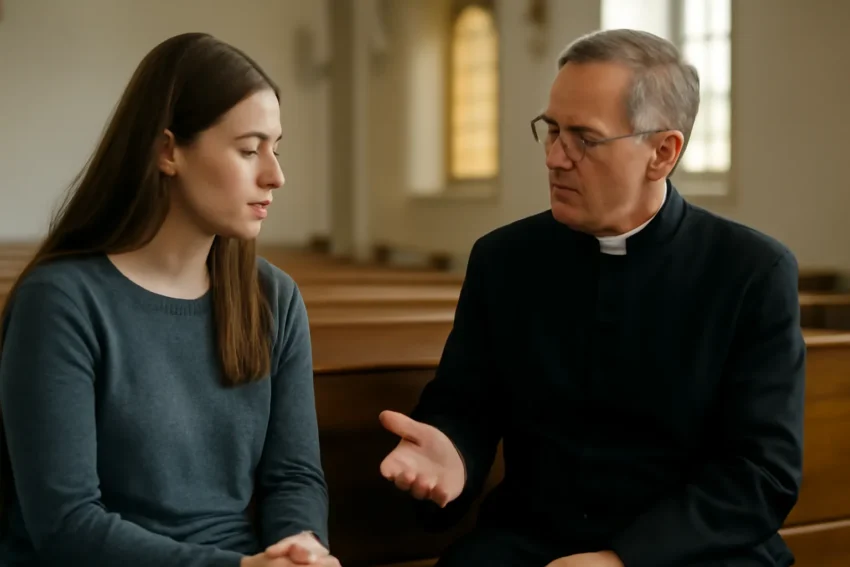
Introduction: Can I talk to a priest about my problems? A doorway to support
Many people wonder whether reaching out to a religious guide can help with life’s struggles. The question “Can I talk to a priest about my problems?” carries with it a mix of curiosity, hope, and sometimes hesitation. This article offers a practical, thoughtful guide to spiritual guidance and the role a priest can play when you are facing hardship, confusion, or moral distress. It is designed to be informative for people of various faith traditions and for those exploring spirituality in a broad sense.
Understanding spiritual guidance and the priest’s role
To begin, it is helpful to clarify what spiritual guidance means in the context of a priest’s work. A priest is typically a person ordained within a Christian tradition whose responsibilities include teaching, preaching, celebrating sacraments, and offering pastoral care. While priests differ in training, culture, and emphasis, many share a common aim: to accompany people as they seek meaning, hope, reconciliation, and moral clarity. The question “can I talk to a priest about my problems?” often signals a desire for non-judgmental listening, practical advice aligned with faith, and a sense of being held in care by a trusted spiritual guide.
Listening and companionship: A priest can provide a compassionate space to voice what hurts, worry, or confuses you.
Spiritual perspective: They may offer a framework for understanding suffering, guilt, or conflict through prayer, scripture, tradition, or liturgical practice.
Practical guidance: In addition to spiritual counsel, they may connect you with community resources, mentorship, or pastoral programs.
Whether you are asking “is it appropriate to speak with a priest about my issues?” or seeking guidance for difficult decisions, recognizing the purpose and limits of the priestly role can help you decide how to engage most fruitfully.
Why people talk to a priest about problems
There are several reasons someone might choose to speak with a priest about their difficulties. Some are outlined below, with emphasis on the practical benefits as well as the spiritual ones.
Confidentiality and trust: In many traditions, conversations with a priest are kept confidential within ethical and pastoral boundaries, which can create a safe space for honesty.
Spiritual discernment: A priest can help you discern what God or faith might be inviting you to understand, accept, or change.
Rituals and rites: Some people find that participating in prayer, blessing, reconciliation, or other rites helps them process pain and find renewal.
Moral and ethical guidance: When facing tough choices or guilt, a priest can offer moral perspective rooted in tradition.
Cultural and communal support: Being part of a faith community can provide practical support, accountability, and a sense of belonging during tough times.
If you’re experiencing a crisis or severe mental distress, it is important to seek help from qualified professionals in addition to speaking with a priest when appropriate. A priest can be a valuable ally, but they are not a substitute for mental health care when that is needed.
Can I talk to a priest about my problems? What to expect from the first conversations
What you can expect when you reach out to a priest will vary by tradition, community, and the individual priest’s approach. However, many core elements are common across settings:
Non-judgmental listening: You will likely be invited to share your story at your own pace.
Respect for boundaries: The priest will explain what they can offer and where their guidance ends.
Spiritual framing: Expect references to prayer, scripture, moral teachings, or liturgical practices that inform the guidance.
Practical next steps: The conversation may include suggestions for prayer routines, community resources, or referrals to counseling if appropriate.
In some traditions, the first meeting might involve confession or a formal rite, while in others it might be a more informal conversation about life, values, and challenges. The key is to enter with honest intent, a willingness to listen, and a readiness to engage with the process.
Common questions people ask when considering talking to a priest
“Can I talk to a priest about my problems without feeling judged?”
Most priests aim to create a welcoming, safe environment. If you genuinely fear judgment, you can preface the conversation by expressing that concern: open communication about your fear of judgment can itself become a step toward healing.
“Will what I share stay confidential?”
Confidentiality is a fundamental issue in pastoral care. It is important to ask about confidentiality policies at the outset. In many cases, priests respect privacy, but there are exceptions for safety concerns or legal obligations depending on local laws and church guidelines.
“What if my problems involve issues I think are sinful or shameful?”
Religious communities often address guilt and shame in nuanced ways. A priest can help you distinguish between genuine moral concerns and the irrational burden of guilt, offering paths toward forgiveness, reconciliation, and self-compassion.
“What if I don’t share the same beliefs as the priest?”
Many priests welcome people from diverse beliefs and backgrounds. The conversations can focus on shared human experience, prayerful reflection, and practical wisdom, even when doctrinal agreement isn’t present.
How to approach a priest: steps for a productive conversation
Preparing before the meeting
Preparation can help you communicate clearly and get the most from the encounter. Consider the following steps:
Identify your goal: Are you seeking comfort, guidance, accountability, or a response to a specific dilemma?
Write down key concerns: A short note can help you stay focused during the conversation.
Set boundaries: Decide what you are comfortable discussing and what you prefer to keep private.
Decide on format: Will you meet in person, by phone, or via video call? Some people prefer a formal appointment, others a casual chat after a service.
Consider timing: Choose a time when you can speak without interruptions and when you feel open to listening as well as speaking.
How to begin the conversation
Starting well can set the tone for the entire discussion. You might begin with one of the following approaches:
Direct invitation: “I’d like to talk about something that’s weighing on me—can we find some time to talk?”
Contextual framing: “I’ve been dealing with a difficult situation at work/family, and I’m seeking spiritual guidance.”
Honesty about emotion: “I feel overwhelmed and unsure where to turn, and I’m hoping you can help me think through it.”
What to expect during the conversation: structure and content
Listening as a primary mode
A good first session often emphasizes listening more than advising. You should feel heard, seen, and respected when you share your story.
Exploration of values, beliefs, and meaning
Expect questions that help you articulate what matters most to you and how your faith or spiritual framework speaks into your current challenges. The priest may guide you to examine:
Beliefs and priorities—what matters most in your life.
Relationships—how relational dynamics affect your well-being.
Habits and patterns—what recurring behaviors you want to change.
Practical counsel and resources
Beyond spiritual reflections, you may receive concrete suggestions, such as:
Prayer practices or devotional routines that fit your temperament.
Guided reflections or journaling prompts.
Recommendations for counseling or support groups if mental health concerns are involved.
Invitations to participate in community or service activities that bring purpose and healing.
What a priest can and cannot do: setting realistic expectations
What a priest can offer
Pastoral care—consistent presence, empathy, and spiritual companionship across life’s highs and lows.
Spiritual guidance—assistance in interpreting life events through faith, prayer, and tradition.
Ritual and sacramental life—opportunities for grace and renewal through rites meaningful in your tradition.
What a priest may not provide
There are boundaries to understand:
Medical diagnosis or treatment—a priest is not a substitute for licensed clinicians when medical or psychological care is needed.
Legal or financial advice—these are typically outside the scope of pastoral care.
Absolute certainty about outcomes— faith-based guidance often points toward hope and discernment rather than guarantees.
When issues involve acute danger to self or others, or when there is abuse or exploitation, it is essential to involve appropriate professionals and authorities. A priest will typically encourage you to seek safety and professional support in these cases.
Can talking to a priest be a bridge to healing for a range of concerns?
People bring a wide array of problems to a priest, and many find that spiritual dialogue strengthens resilience and clarity. Here are common areas where this form of guidance can be especially meaningful.
Grief and loss: Processing mourning, finding language for sorrow, and discovering hope.
Anxiety and fear: Naming fears, exploring their roots, and seeking inner calm through prayer and mindfulness.
Guilt, shame, and forgiveness: Working through perceived failings and opening to forgiveness for self and others.
Relationship and family issues: Healing conflicts, setting boundaries, and seeking healthier dynamics.
Addiction and temptations: Seeking accountability, spiritual strength, and supportive communities.
Life decisions and vocational calls: Listening for a sense of vocation and alignment with values.
Across these domains, the central thread is trusting the process and allowing a relationship with a priest to become a space where you can grow, not merely vent or endure.
Special considerations: Catholic, Orthodox, Protestant, and other contexts
Catholic context
In the Catholic tradition, conversations with a priest may include the sacrament of reconciliation (confession) and Anointing of the Sick in appropriate circumstances. While confession is a known hallmark, many Catholics also seek counseling, spiritual direction, and pastoral care outside of the confessional context. If you’re curious whether confession is appropriate for your situation, you can ask the priest directly and follow their guidance regarding timing and consent.
In Orthodox communities, spiritual direction and pastoral conversation are valued, often within a framework of liturgical life, icons, and prayer. The priest may offer prayer of blessing or guidance that emphasizes the rhythm of daily life in prayer and worship.
Protestant and evangelical contexts
In many Protestant and evangelical communities, pastors assume a similar role to priests in other traditions, focusing on biblical interpretation, practical wisdom, and pastoral care. Some may offer formal counseling referrals or connect you with lay counselors while emphasizing a personal relationship with God and a life of faith-informed decision making.
Across traditions, the underlying aim is to provide a space for spiritual growth, emotional honesty, and moral discernment, while respecting the diversity of beliefs and practices within the broader Christian family.
Finding the right person to talk to can make a big difference in how supported and understood you feel. Here are practical avenues to consider:
Your local church or parish: A familiar starting point, often with staff or volunteers who can suggest appropriate contacts.
Diocesan or denominational offices: Some communities maintain directories or referral services for spiritual direction and pastoral care.
Spiritual direction programs: Many traditions offer formal spiritual direction, which focuses on deeper discernment and prayerful reflection.
Community centers and faith-based organizations: These spaces sometimes host priests or pastors who provide outreach and counseling services.
When seeking a spiritual guide, consider compatibility—not just doctrinal alignment, but the sense that the person is compassionate, patient, and respectful of your goals. You may want to meet a few different guides to see who best fits your needs.
Engaging in ongoing spiritual guidance can be transformative. Here are practices that help build a healthy relationship with a priest or spiritual mentor:
Set clear goals: What do you hope to achieve in 3, 6, or 12 months?
Agree on boundaries and format: Decide how often you will meet, the preferred mode of communication, and what topics are appropriate for each session.
Be honest and consistent: Regular, sincere sharing fosters trust and growth.
Follow through on guidance: Try suggested practices and report back about what works and what doesn’t.
Evaluate progress: Periodically assess whether the guidance remains helpful and aligned with your evolving needs.
While many people find deep support in speaking with a priest, it is important to keep a few practical cautions in mind:
Balance spiritual and professional help: If you have serious mental health concerns, involve licensed clinicians in addition to spiritual guidance. They complement rather than replace one another.
Respect differences: Not every priest will share your perspective on every issue. Look for someone who listens and respects your worldview even when offering critique or correction.
Guard personal safety: If anything discussed involves harm to yourself or others, seek immediate help from appropriate authorities or crisis services.
Communicate needs: If you need more practical support, say so. Clergy can often connect you with resources or refer you to specialists.
Another helpful approach is to view the conversation as part of a larger journey rather than a single event. The question “should I talk to a priest about my problems?” often becomes “how can this relationship help me grow over time?”
Before you meet a priest, you might find it useful to review this quick checklist. It helps ensure you cover essential ground without feeling overwhelmed.
Statement of purpose: What do you want to gain from the conversation?
Key concerns: List the main issues you want to discuss.
Current supports: Note any other support you are receiving (therapy, support groups, family, friends).
Boundaries: Decide what you are comfortable sharing and what you want to keep private.
Emergency plan: If you are in a crisis, know who to contact first and provide that information to your support network.
Can I talk to a priest about my problems if I’m not sure about my faith?
Yes. Many people approach a priest seeking guidance regardless of their current level of religious conviction. The invitation to spiritual conversation often helps people explore beliefs and values more clearly, even if they decide to maintain a different faith path or a more secular stance.
How do I know if I should approach a priest or a counselor?
Consider the nature of the issue. If the core concern is spiritual, moral discernment, or faith-related, a priest can be especially helpful. If it is primarily a mental health matter, a licensed counselor or psychologist is typically the best first line of care. Some people benefit from a combination: spiritual guidance alongside professional counseling.
Is talking to a priest confidential?
Confidentiality is a cornerstone of pastoral care in many communities, but norms differ. Always ask about confidentiality at the outset to understand what remains private and what may require disclosure under specific circumstances.
What if I’m worried about forgiveness or absolution?
In many Christian traditions, the path to forgiveness is a process that involves remorse, understanding, and change. A priest can help you navigate this path, whether through confession, prayer, or spiritual advice. It’s common to seek forgiveness, reconciliation, and renewed intention as part of spiritual growth.
Emerging from a conversation with a priest about personal problems can be a formative experience. The phrase “Can I talk to a priest about my problems?” often marks the beginning of a journey toward deeper understanding, compassionate care, and practical healing. By approaching the process with clear goals, honest communication, and realistic expectations, you can maximize the benefits of pastoral interaction while safeguarding your emotional and psychological well-being.
Remember these overarching ideas as you consider talking to a priest about your problems or as you help someone else explore this option:
Spiritual guidance is a resource, not a replacement for other supports when needed.
Pastoral care emphasizes listening, discernment, and compassionate presence.
Boundaries and confidentiality are essential parts of trust in pastoral conversations.
Every tradition varies; ask questions about the priest’s approach, experience, and limits.
Ongoing engagement—consider making spiritual guidance a regular practice if it proves helpful.
So, can I talk to a priest about my problems? The simplest answer is yes, with the understanding that the encounter is part of a broader landscape of care and growth. A priest can offer spiritual companionship, practical wisdom, and access to a supportive community. They can help you articulate questions, discern values, and cultivate a rhythm of life that aligns with your deepest hopes. If you are curious about this path, consider reaching out with an open heart, a clear sense of your goals, and a willingness to listen as well as speak. In many communities, this kind of spiritual conversation has helped people rediscover strength, hope, and direction in the midst of life’s challenges.