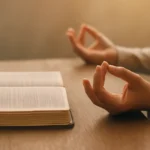
Angel meditation is a practice that invites a gentle connection with the angelic realm to cultivate calm, clarity, and inner peace. While the name suggests a single technique, it encompasses a family of practices that blend focused breathing, visualization, prayerful intention, and reverent listening. This article offers a thorough guide to understanding, preparing for, and engaging in various forms of angelic meditation, with practical steps you can try today.
At its essence, angel meditation is a contemplative practice that seeks to invite benevolent, compassionate beings into the mind and heart. Many traditions describe angels as presences that offer guidance, comfort, protection, and encouragement. In the context of meditation, this invitation often takes the form of a visualization, a whispered intention, or a moment of quiet listening. You may encounter this practice under several names—angelic meditation, meditation with angels, or meditation for angel connection—but the underlying aim remains the same: to cultivate a state of receptivity, faith, and peace that radiates into daily life.
People approach angel-guided meditation for different purposes. Some seek inner peace after stress or grief; others desire divine guidance in making decisions; still others long for a sense of safety or a deeper sense of being held by a benevolent presence. No matter your motivation, the practice is designed to be accessible, non-dogmatic, and adaptable to your beliefs and temperament.
In practical terms, you can think of angel meditation as a fusion of three elements: a calm, centered body; a receptive, focused mind; and a compassionate, expansive intention that invites a higher or kinder energy to illuminate your experience. Over time, many people report not only moments of inner peace but also a heightened sense of meaning, gratitude, and connectedness.
The benefits of connecting with angels for inner peace
Emotional regulation: gentle imagery and breathing promote nervous-system balance, reducing the effects of stress and anxiety.
Clarity and perspective: quiet listening can help you hear guiding impressions more clearly, especially in difficult situations.
Compassion and self-kindness: the sense of being cared for by an angelic presence can soften self-judgment and cultivate self-compassion.
Sleep and rest: relaxation-based practices before bed can support deeper, more restorative sleep.
Sense of safety: the imagery of protection can create a felt sense of safety, making it easier to confront fears or unresolved emotions.
Spiritual resonance: many practitioners report a strengthened sense of meaning, purpose, and connectedness to something larger than themselves.
It is important to note that experiences in angel meditation vary widely. Some sessions are deeply still and quiet; others may feel more active or emotionally charged. Both outcomes are normal and can be stepping stones toward greater serenity. Consistency often yields a more familiar, comforting rhythm and increases the quality of your connection with the divine or compassionate presence you invite.
Preparing for angelic meditation
Preparation is less about achieving a perfect state and more about creating the conditions where you can listen openly. The following steps help cultivate a receptive environment for angelic connection and inner peace.
Setting the space
Choose a quiet time and a comfortable place where you are unlikely to be disturbed.
Create a sacred space with small objects that feel meaningful to you, such as a candle, picture, crystal, or icon associated with peace, protection, or light.
Consider a light aromatherapy (such as lavender or Frankincense) if you enjoy scent, but keep the environment gentle and uncluttered.
Dim the lights or use a soft lamp; a warm color scheme can support relaxation.
Setting intention
Form a clear, compassionate intention for your practice, such as “I invite a loving presence to guide my breath and soften my heart.”
State your intention calmly, either aloud or in a quiet inner voice. Your intention can be simple and flexible, like “May I receive guidance and peace.”
Let go of expectations about outcomes. The aim is presence and openness.
Posture and breath
Find a comfortable posture that allows a natural, relaxed breath (sitting with an upright spine or lying down).
Place your hands in a resting position that feels soothing—palms open, or hands gently resting on your lap.
Begin with a few slow, diaphragmatic breaths to settle the body and mind.
A practical, step-by-step guide to angel meditation
The following sequence provides a clear path for engaging in angel-guided meditation or meditation with angels. You can print this as a quick reference or adapt it to your own rhythm.
Settle the body. Sit or lie comfortably. Let the shoulders soften, the jaw unclench, and the tongue rest gently on the palate. Close your eyes if you wish.
Center the breath. Inhale slowly through the nose for a count of four, then exhale for a count of six. Repeat 6–12 times to activate a calm, relaxed state.
Invite the presence. Silently or softly aloud, invite an angel or an angelic guide to be present. You can phrase it as, “I invite a loving, protective presence to be with me now.”
Enter a visualization. Picture a source of light above or around you. This light may be radiant white, soft gold, or a color that feels comforting. Imagine it gradually enveloping your body like a warm cloak.
Feel the resonance. As the light wraps you, notice any sensations—tingling, warmth, or stillness. Allow these sensations to deepen without forcing outcomes.
Listening and reception. Stay open to impressions. You may sense a voice, a thought arising, or a felt sense of guidance. Respond not with control but with curiosity and gratitude.
Express gratitude. Thank the angels for their presence and the quiet you have cultivated. A simple, “Thank you for your peace and guidance,” works well.
Close gently. When you feel complete, slowly deepen your breath, wiggle your fingers and toes, and open your eyes at your own pace. Take a moment to notice how you feel in your body and mind.
As you grow more comfortable, you can extend or shorten this fundamental pattern. The core practice remains stable: calm body, receptive breath, compassionate invitation, gentle visualization, attentive listening, and grateful closing.
Optional add-ons for deeper immersion
Light mantras or phrases such as “peace and light” or “so be it in love and light.”
Use a soft music track designed for relaxation or sleep as a backdrop to the visualization.
Pair the practice with a brief journaling after the session to record impressions, feelings, or prompt questions for future sessions.
Variations of angel meditation
Quick angel visualization (5 minutes)
When time is short, you can engage in a concise version that centers on a single image of light and a brief invitation to an angelic presence. This form emphasizes momentum rather than depth, making it suitable for a busy day or a moment of transition.
Begin with two minutes of slow breathing.
Visualize a gentle column of light above you that descends to your heart.
Whisper or think a short intention, such as “Be with me in peace.”
Take three deep breaths, then return to daily activity with a calm demeanor.
Healing angel meditation
This variation centers on healing energy and compassion. It can be particularly supportive after emotional release or when dealing with physical discomfort.
Invite a healing angel to accompany you. Imagine receiving comforting warmth in the area of pain or tension.
Sense the healing light dissolving tightness, while the breath helps release held emotions.
Affirm a gentle statement of healing, such as “I accept healing with grace.”
Protection and safety meditation
In this practice, you focus on creating a shield of light around you and reinforcing your boundaries with compassionate guardianship.
Envision a protective sphere of light expanding from your heart.
Call on an archangel or guardian presence to fortify your space.
Rest in the sense of safety, letting fear recede into the distance as you breathe.
Guidance and decision-making meditation
Use this form when you face choices or ambiguity. It’s not about forcing a specific answer but about aligning with a broader sense of direction.
State your question or intention clearly without pressing for a particular outcome.
Invite the angelic guide to illuminate possibilities and invite wisdom to emerge from stillness.
Record any impressions—images, words, or feelings—that arise, then reflect with patience.
Sleep and dream-time angel meditation
This variation smooths the transition into sleep, encouraging a peaceful passage into dreamwork with protective and comforting energy.
Do a short grounding ritual, then invite a guardian presence for safe, restful sleep.
Let your body relax deeply while your mind remains gently alert to the sense of a benevolent presence nearby.
Before drifting off, offer gratitude for the day and the peace you’ve cultivated.
Incorporating angelic practices into daily life
Angel meditation benefits extend beyond the cushion. The following practices help you infuse daily life with the sense of inner peace and awareness you cultivate during formal sessions.
Morning ritual: Start with a brief breath exercise and a quick invitation for guidance to set a compassionate tone for the day.
Moment-to-moment grounding: When stress arises, pause, breathe, and visualize the protective or comforting presence that resonates with you.
Gratitude practice: At day’s end, reflect on moments when you noticed grace or guidance, and write them in a journal.
Sleep hygiene: Finish with a short angel meditation as part of your bedtime routine to ease into restorative rest.
Creative expression: Channel intuitive impressions into art, writing, or music as a way to honor your connection.
Common questions and misconceptions about angel meditation
Like any spiritual or mindfulness practice, angel meditation invites questions. Here are some common inquiries and practical clarifications.
Do I need to be religious to practice? No. While many people integrate prayers or beliefs from their tradition, the practice centers on inner experience, peace, and compassionate listening. You can adapt the framework to your own beliefs or seek a non-religious form of guidance and light.
What if I don’t see or hear anything? Results vary. The absence of dramatic imagery does not mean the practice is unsuccessful. Sensations, feelings of calm, or a subtle shift in perspective are legitimate outcomes.
Are there risks? For most people, the practice is safe. People with unresolved trauma should proceed with care and, if needed, seek guidance from a trained therapist or mindfulness instructor.
How do I know if it’s real guidance? Discernment matters. Notice if impressions align with your values and lead to compassionate action. If in doubt, pause and revisit later.
Can I mix it with other practices? Absolutely. Angel meditation can complement mindfulness, prayer, or other contemplative traditions as long as you stay respectful and clear about your intention.
Ethical considerations and discernment
As you cultivate a connection with benevolent beings, it helps to maintain healthy boundaries and discernment. The following guidelines can support ethical practice.
Always approach with humility and kindness, avoiding coercive or sensational expectations about outcomes.
Respect the autonomy of others; if you share practices, do so with consent and without imposing beliefs.
Develop discernment by cross-referencing impressions with your own values, practical reality, and, when relevant, guidance from trusted mentors or comunitary leaders.
Be mindful of cultural contexts and symbolic language. Names like Archangel Michael or other figures carry different meanings in different traditions; honor those histories while maintaining your own intention.
Historical and cultural perspectives on angelic meditation
Angels and angelic beings appear in diverse spiritual lineages, each offering unique textures to the practice of contemplation.
Western mysticism and Christianity: Angels are often described as messengers and protectors. In Christian spirituality, angel guides may accompany prayer, contemplation, and healing rituals. Angles such as Michael or Gabriel are frequently invoked for strength or communication.
Judaism and Kabbalah: Angels are considered active agents in the cosmos, performing tasks within divine will. Meditative practices sometimes involve contemplation of divine emanations and protective angels.
Islamic tradition: Angels (Mala’ika) are seen as beings created from light who carry out God’s commands. While traditional Islamic practice emphasizes submission and remembrance of God (dhikr), individuals may still connect with peaceful, protective imagery during personal reflection, if aligned with their beliefs.
New spiritual movements: In contemporary spirituality, the idea of a benevolent “angelic presence” is often reframed as universal, compassionate energy, emphasizing warmth, care, and guidance rather than a particular doctrine.
Regardless of tradition, you can approach angel meditation with an open mind, using elements that resonate with you—breath, imagery, sound, or silence—and stay attuned to the effect on your heart and behavior.
Practical tips for sustainable practice
To maintain a sustainable practice of angel meditation, consider these practical recommendations that help integrate the practice into long-term daily life.
Keep a simple routine: pick a consistent time and place, but remain flexible if life requires a shift.
Set realistic goals: even a few minutes a day can accumulate significant benefits over weeks and months.
Track your progress with a journal or a short weekly reflection to notice changes in mood, sleep, and outlook.
Beware of “spiritual bypassing.” Use the practice to confront emotions as well as to invite peace.
Seek community or guidance if you desire. A teacher, group, or online circle can offer encouragement and varied approaches.
Conclusion
Angel meditation, in its many forms, is a flexible, accessible path toward greater inner peace, compassionate awareness, and meaningful connection. Whether you experience a vivid visualization, a subtle sense of presence, or a deepening breath that changes your day, the essential aim remains: to cultivate a kinder, calmer relationship with yourself and the world around you. By preparing thoughtfully, honoring your own pace, and exploring the variations that suit you best—such as quick angel visualizations, healing sessions, protection practices, or guidance-based meditations—you can cultivate a practice that sustains and enriches you over time.
As you continue, remember that the value of meditation with angels lies not in dramatic outcomes but in everyday shifts: a softer response to stress, a clearer sense of purpose, and a heart that remembers grace in ordinary moments. If you ever feel unsure, return to your breath, return to your intention, and invite the light of compassion to guide you forward. The journey toward inner peace is not a destination but a daily practice—one that can be supported and enriched by the gentle company of the angelic realm.