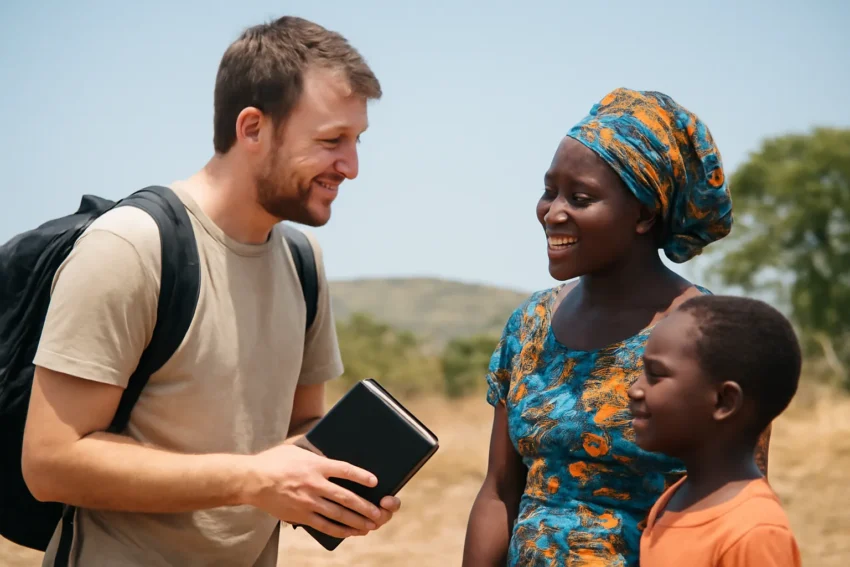
Christian mission work has a long history of seeking to embody the love of Christ in tangible ways. It is not only about proclaiming a message, but also about living out that message through practical service, relational investment, and long-term partnerships. Across cultures and contexts, mission work—often described in various synonyms such as missionary effort, gospel-centered outreach, diaconal ministry, or church-based service—seeks to manifest hope, dignity, and opportunity where it is most needed. This article explores practical, principled, and sustainable ways to make an impact within the broad umbrella of Christian mission work. It aims to help readers navigate how faith can translate into effective action that respects communities, enhances local capacity, and remains faithful to core convictions.
Whether you are a longtime participant in mission activities, considering a short-term project, or evaluating a long-term vocational path, the core ideas below emphasize responsible engagement, cultural humility, and measurable outcomes. The aim is to equip you with a toolbox of practical approaches—ranging from local outreach to international partnerships—that can be adapted to various contexts while maintaining integrity and humility.
Core Purposes and Theological Foundations
At the heart of Christian mission work lies a theological conviction: all people are created in the image of God and are welcomed into the possibility of flourishing. Mission work, in this sense, is a response to God’s love shown in Jesus Christ, expressed through action that serves the vulnerable, speaks truth, and invites collaboration. The aim is not to impose one culture’s norms but to accompany communities in their own processes of growth, renewal, and empowerment.
Key themes that guide mission practice
Incarnational presence: being present, listening, and learning from the people you serve rather than assuming you know what is best.
Holistic ministry: addressing spiritual needs while also tending to physical, emotional, educational, and social dimensions of life.
Mutuality and partnership: recognizing local leadership, sharing power, and building capacities that outlast any single project.
Justice and mercy: combining proclamation with advocacy, protection, and practical relief for the oppressed or marginalized.
Sustainability: designing interventions that can be owned, maintained, and adapted by the community over time.
These principles help transform mission work from a short-term program into a sustained effort that respects dignity and fosters local agency. When teams center loving kindness and humble service, they often discover that the most enduring impact comes through empowering others to lead.
Practical Ways to Make an Impact
Below are concrete avenues through which outreach ministry and gospel-centered service can translate into tangible benefits. Each pathway includes practical steps, potential risks, and ways to measure impact. The emphasis is on practical wisdom, cultural sensitivity, and a long-term view of transformation.
Local Community Engagement
A significant portion of community-focused mission work happens close to home. Local engagement builds trust, demonstrates consistency, and creates a platform for deeper relationships.
Needs assessments with community leaders to understand priorities such as education, housing, or food security.
Volunteer mobilization to support after-school programs, literacy initiatives, or youth mentorship.
Community-driven events like health fairs, clothing drives, or skill-sharing sessions that bring neighbors together.
Church-based service projects that partner with local nonprofits to fill gaps in services while sharing life and faith in everyday settings.
When engaging in cross-cultural mission efforts, preparation, humility, and respect are essential. Culture is not a barrier to be overcome but a framework to understand and honor.
Language learning or basic communication training to strengthen relational trust.
Cultural humility: asking questions, listening deeply, and avoiding assumptions about what people need.
Local leadership development: investing in leaders who can carry forward initiatives long after a visitor team leaves.
Contextualization: adapting methods and materials to align with local beliefs, values, and practices without compromising core convictions.
Online Ministry and Media Outreach
In a digital age, digital mission work and online proclamation can extend reach and foster global community. This does not replace in-person relationship-building but complements it.
Creative storytelling that communicates hope, resilience, and practical care without sensationalism.
Educational content such as courses, sermons, or Bible study materials accessible online.
Social media engagement that emphasizes conversation, listening, and responsiveness to questions.
Online mentorship networks to support believers and aspiring leaders around the world.
Education and Vocational Training
Education is a foundational channel for kingdom impact. Programs that emphasize literacy, critical thinking, and practical skills can change life trajectories.
After-school tutoring and reading programs to close achievement gaps.
Vocational training in trades such as carpentry, agriculture, sewing, or coding to create economic opportunities.
Scholarships and mentoring to help students pursue higher education or specialized certifications.
Curriculum partnerships with local schools that align with community values and needs.
Health and Compassionate Care
Healthcare-focused ministry and compassionate care reflect the love of Christ in tangible ways. Even when resources are limited, acts of mercy can relieve suffering and spark conversations about faith and hope.
Mobile clinics for basic medical checkups, vaccinations, or screenings.
Mental health support through counseling, peer groups, and destigmatization efforts.
Home visitation programs for the elderly or disabled, offering respite and companionship.
Public health education on nutrition, hygiene, and prevention strategies.
Disaster Relief and Humanitarian Aid
In times of crisis, relief ministries can provide emergency assistance while demonstrating the compassion of Christ. The focus should be on swift response that prioritizes dignity and safety.
Emergency kits and temporary shelters for affected families.
Supply distribution protocols that ensure fairness and transparency.
Recovery programs that support rebuilding livelihoods, housing, and infrastructure.
Coordination with local authorities to align with national responses and avoid duplication.
Economic Justice and Sustainable Projects
A vision of mission work that emphasizes economic justice and sustainable development seeks to address systemic barriers to flourishing, while avoiding dependency.
Microfinance and savings groups that empower entrepreneurship and financial resilience.
Fair-trade collaborations that connect communities with equitable markets.
Agricultural training and cooperative farming initiatives to improve yields and income stability.
Preparation, Discernment, and Personal Readiness
Effective Christian mission work begins with the person or team’s readiness to serve with integrity. Preparation helps prevent burnout, cultural missteps, and ineffective programs.
Calling, Discernment, and Commitment
Before embarking on any mission endeavor, it is essential to discern a genuine calling and align it with the needs and values of the community you intend to serve.
Prayer and listening: seeking guidance from God and listening to the voices of potential partners.
Affirmation from sending and receiving communities: ensuring mutual consent and shared goals.
Realistic timelines: recognizing that meaningful change takes time and persistence.
Skill Development and Training
Equipping yourself with practical skills enhances effectiveness, safety, and credibility. This includes both technical competencies and soft skills.
Training in intercultural communication and conflict resolution.
Project planning and monitoring: learning to design, implement, and evaluate programs.
First aid, safety protocols, and risk assessment for fieldwork.
Language and literacy development for better outreach and relationship-building.
Cultural Humility and Listening
A posture of humility is essential in mission work. Listening deeply to local voices helps ensure that efforts are relevant and welcomed.
Listening sessions with community members, leaders, and beneficiaries.
Transparent feedback mechanisms to adjust programs in response to concerns.
Learning from mistakes and publicly acknowledging missteps to build trust.
Partnerships, Collaboration, and Local Leadership
Mission work is most effective when it emerges from authentic partnerships that elevate local leadership. Community ownership and shared stewardship are critical for sustainability.
Working with Churches and Local Ministries
Churches and local ministries are often at the center of outreach efforts. They provide credibility, context, and ongoing presence in communities.
Aligned goals: ensuring programs fit the local mission and theology without duplicating efforts.
Co-led planning: joint design and governance of projects.
Volunteer pipelines that connect visitors with meaningful service while building relationships with local partners.
NGO and Mission Agency Partnerships
Partnering with established organizations can provide structure, resources, and accountability, while remaining rooted in local leadership.
Clear accountability agreements outlining roles, finances, reporting, and exit strategies.
Complementary strengths: leveraging each partner’s unique capabilities rather than duplicating work.
Rotation and succession plans to prevent dependency and promote continuity.
Indigenous Leadership and Local Ownership
The most enduring transformations come when local leaders shape agendas, capacities, and governance structures.
Mentorship and sponsorship of emergent local leaders to assume roles over time.
Budget transparency and participatory budgeting to build trust and accountability.
Exit strategies that ensure programs continue with local ownership once outside teams depart.
Measuring Impact, Accountability, and Sustainability
Effective mission work requires honest assessment, learning, and adaptation. Measuring impact is not only about numbers; it is about stories of change, dignity restored, and lasting capacity built.
Metrics that Matter
Choose metrics that reflect both outputs and outcomes, as well as the qualitative aspects of transformation.
Beneficiary reach: how many people have been touched by programs.
Capacity building: increases in local leadership, training completion, and program management skills.
Access to services: improvements in health, education, or economic stability.
Community satisfaction: feedback from participants, partners, and leaders.
Sustainability and Exit Strategies
A thoughtful plan for sustainability should be built into every initiative from the start.
Local ownership plans that specify who leads, budgets, and sustains programs.
Resource transfer of tools, materials, and knowledge to community partners.
Phased wind-down that minimizes disruption and maintains relationships.
Ethics, Risks, and Respect in Mission Contexts
Mission work carries significant ethical responsibilities. Respecting the dignity of every person and avoiding coercion or cultural arrogance is essential.
Approach and conduct should reflect a posture of love that seeks permission, honors local norms, and prioritizes the well-being of communities.
Consent and collaboration before starting programs that affect communities.
Non-coercive evangelism that invites rather than forces a response.
Respect for religious liberty and diversity, avoiding coercive or manipulative tactics.
Safety, Boundaries, and Accountability
The safety of both visitors and communities must be a primary concern, along with honest accountability for actions and finances.
Codes of conduct for volunteers and teams, including boundaries with vulnerable groups.
Risk assessments and contingency plans for travel, healthcare, and security.
Transparent governance and financial reporting to prevent misuse of resources.
Avoiding Dependency and Promoting Dignity
One challenge in mission work is preventing dependency on outside help or “savior” narratives. The goal is to empower communities to become self-sustaining.
Locally driven priorities rather than externally imposed agendas.
Asset-based approaches that identify and leverage local strengths and assets.
Long-term commitments that emphasize relationships over episodic interventions.
Case Studies and Learnings
Real-world examples illustrate how gospel-centered service can translate into meaningful change when programs are thoughtfully designed and faithfully implemented.
Case Study A: Education and Literacy Initiative
In a rural community, a partnership between a local church and a regional university launched a literacy program. The approach focused on family literacy nights, bilingual support, and student tutoring. Outcomes included higher reading scores, improved school attendance, and increased parental engagement in education. Importantly, local teachers co-led the program, and a plan for continued training was established.
Case Study B: Health Outreach with Indigenous Leadership
A health outreach effort prioritized community-owned clinics and culturally appropriate care. Training focused on community health workers drawn from the population served, and equipment was purchased through transparent budgeting with community oversight. The result was a sustainable clinic model that could be operated with reduced external involvement over time.
Case Study C: Disaster Response Built on Partnership
After a natural disaster, a coalition of churches and local NGOs coordinated relief distribution, shelter operations, and psychosocial support. The process emphasized coordinating with authorities, avoiding duplication, and ensuring that relief addressed both immediate needs and longer-term recovery goals.
Conclusion: The Way Forward for Mission Work
Christian mission work, at its best, is not about achieving a single moment of impact but about fostering lasting transformation grounded in love and truth. The practical pathways described here—local engagement, cross-cultural humility, education and health initiatives, online outreach, disaster response, economic development, and robust partnerships—offer a holistic framework for meaningful service. By centering local leadership, maintaining ethical practices, and measuring outcomes beyond numbers, Christian outreach programs can honor the communities they serve while remaining faithful to the gospel.
The journey of gospel outreach and ministry engagement is ongoing. It requires patience, continuous learning, and a commitment to dignity for every person involved. Whether you are launching a new mission project or joining an established effort, remember that the most powerful catalysts for change often come from listening, serving, and walking alongside others in their own seasons of growth. May your work be characterized by humility, integrity, and a steadfast hope in the God who calls his people to love their neighbors as themselves.