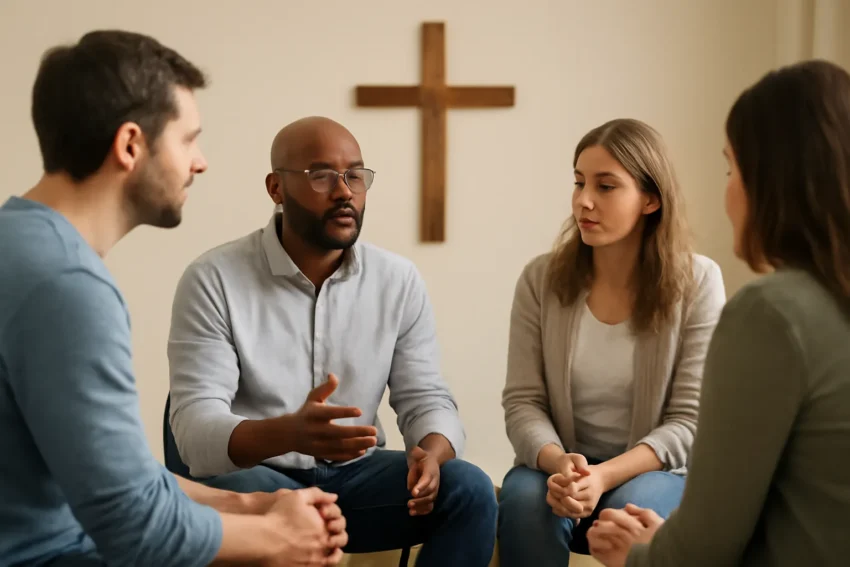
When someone faces struggle, whether from addiction, grief, or compulsive behaviors, the path to healing often involves more than personal resolve. Many people find motivation, accountability, and renewed hope through Christian recovery groups that weave spiritual practices with practical tools. These communities offer a safe space to process pain, celebrate progress, and learn to live in a way that reflects their faith. This article provides a comprehensive guide to the landscape of faith-based recovery options, how they work, where to find them, and how to choose the right fit for your journey toward spiritual healing.
Christian recovery groups are organized communities that support individuals as they confront and overcome challenges such as substance use, process addictions, compulsive behaviors, trauma, grief, and other life-dominating issues. They are united by the belief that spiritual renewal and personal responsibility go hand in hand. While secular recovery programs emphasize accountability and coping skills, Christian recovery groups add a faith-centered lens—centering on Jesus Christ, prayer, Scripture, and moral reflection—as part of the healing process. This can take several forms, including:
Christian 12-step programs and their adaptations, which integrate 12-step structures with biblical principles.
Celebrate Recovery, a widely adopted church-based program that blends a Christ-centered approach with the 12 steps.
Bible-based accountability groups that meet regularly to study Scripture, share struggles, and hold one another accountable.
Church-affiliated recovery ministries that provide ongoing programming, pastoral leadership, and community support within a church ecosystem.
Faith-based support groups for grief, trauma recovery, parenting challenges, or other life transitions where spiritual growth accompanies emotional healing.
Regardless of the specific model, the core aim of these gospel-centered recovery groups is to help participants experience transformation through spiritual disciplines, community accountability, and practical steps toward healthier living. They are often volunteer-led or run by trained leaders within a local church or parachurch organization, but many also welcome participants from diverse church backgrounds and even those exploring faith.
Meeting formats and structure
One of the defining strengths of Christian recovery groups is their flexibility in meeting formats. People can participate in ways that fit their schedules, comfort levels, and access to transportation or technology. Here are the most common formats you may encounter:
In-person meetings
In-person gatherings offer the benefit of bodily presence, shared space, and tangible accountability. Typical features of physical meetings include:
Opening with prayer or a devotional reading and a brief check-in, where participants share their current struggles and progress.
Structured time for study (Scripture, devotional materials, or recovery literature) followed by small-group discussions.
Small accountability groups within the larger group, where participants commit to specific actions and report back at the next meeting.
Occasional service activities, worship segments, or testifying sessions that celebrate recovery milestones and encourage perseverance.
Online and hybrid meetings
Online options have expanded access to Christian recovery groups, particularly for individuals in rural areas, those with mobility concerns, or people who prefer more anonymity. Features often include:
Video conferencing or live-streamed sessions with chat-enabled discussions.
Digital tools for reminders, progress tracking, and accountability partners.
Hybrid formats that combine in-person gatherings with online attendance, ensuring inclusivity for a wider community.
Meeting etiquette and confidentiality
Regardless of format, these communities typically emphasize respectful conduct and safeguarding participants’ privacy. Common expectations include:
Confidentiality: what’s shared in the room stays in the room; explicit guidelines prohibit sharing personal stories outside the group without permission.
Respectful dialogue: practice active listening, refrain from judgment, and use non-inflammatory language when discussing sensitive topics.
Participation pace: attendees may share as much or as little as they wish; silence is respected, and newcomers are typically welcomed without pressure.
Safety policies: leaders may outline boundaries, crisis procedures, and referral options for individuals in danger or experiencing severe distress.
Popular models and programs in Christian recovery
The landscape includes a mix of well-established programs and church-based approaches. Each model has its own flavor, but all aim to assist believers in spiritual healing while building tangible coping skills. Here are some prominent examples:
Celebrate Recovery and its Christ-centered approach
Celebrate Recovery is one of the most widely known Christian recovery initiatives. Originating at a Saddleback Church campus, it has since spread to thousands of churches around the world. Its design combines the framework of the traditional 12-step program with a focus on the person of Christ, chapel-style worship, and small-group accountability. Key elements often include:
A structured curriculum blending eight recovery principles based on the Beatitudes with the 12 steps.
Weekly meetings that include a potluck or fellowship time, a teaching segment, personal sharing, and small-group discussions.
Special topic groups addressing issues like alcohol and drug addiction, pornography, codependency, anger, and past trauma.
For many participants, Celebrate Recovery provides an accessible entry point into recovery that feels aligned with Christian beliefs and community life. It should be noted that while Celebrate Recovery operates within churches, not every church offers the same format. Some groups emphasize different topics or community service components.
Christ-centered recovery programs and Bible-based accountability
Beyond Celebrate Recovery, there are other Christ-centered recovery programs that emphasize Scripture, prayer, and spiritual disciplines as integral to healing. These may be offered as:
Weekly Bible-based accountability groups that study biblical passages related to temptation, sin, forgiveness, and self-control, followed by structured accountability conversations.
Small-faith communities within churches that focus on recovery from specific issues, such as substance use or sexual addiction, with mentorship from lay leaders or clergy.
Church resilience projects, such as recovery ministries in urban and rural settings, designed to reach people who may not ordinarily attend church but are seeking faith-informed support.
Faith-based accountability groups for grief, trauma, and life transitions
Recovery is not limited to addiction or substance use. Christian communities also offer groups specifically addressing:
Grief recovery after the loss of a loved one, with biblical comfort tools and rituals that honor sorrow while pointing toward hope.
Trauma-informed faith-based groups that acknowledge past harm and provide safe spaces for processing (with qualified leaders and boundaries in place).
Programs focused on traumatic stress recovery that integrate Scripture reading, gentle mindfulness, and peer support.
Specific-issue Christian groups
In addition to broad recovery programs, many churches host targeted groups to address particular challenges. Examples include:
Substance use recovery groups that blend 12-step concepts with Christian teaching.
Pornography and sexual addiction recovery ministries that combine accountability with biblically grounded teaching on purity and boundaries.
Gambling, eating disorders, and other compulsive behaviors recovery circles that emphasize moral and spiritual renewal alongside behavior change.
Church-affiliated recovery ministries
For some communities, recovery work is embedded in broader church-life ministries. Features may include:
Dedicated staff or volunteers who coordinate programming, training, and volunteers.
Affiliation with denominational or interdenominational networks to share resources and best practices.
Community outreach that connects recovering individuals with worship, mentorship, and service opportunities.
Finding the right group for you
Choosing a Christian recovery group that fits your needs involves a blend of practical considerations and personal discernment. Here are steps and criteria to help you decide where to begin:
Assess your needs and goals
Think through the issue you want to address, your comfort with spiritual language, and the level of accountability you desire. Consider:
Are you seeking support to overcome a substance use problem, a behavioral addiction, grief, or trauma?
Do you want a program that centers directly on Jesus Christ, Scripture, and prayer, or are you open to a more broadly Christian approach?
What size group feels most comfortable, and what is your preference for anonymity or openness in sharing?
Are you looking for a short-term program, a long-term community, or a church-based ongoing ministry?
Where to look for Christian recovery groups
Multiple entry points exist to find a program that aligns with your faith and needs:
Local churches—many host recovery ministries on-site or can refer you to partner groups.
Denominational networks—websites and regional offices often maintain directories of recovery programs and support groups.
Community centers and faith-based organizations—these groups may host Bible-centered recovery circles that welcome people from various church backgrounds.
Online directories—searchable lists of Christian recovery groups, including virtual options, can widen access.
Pastoral counseling and pastoral care offices—church staff often have connections with recovery leaders and can guide you to appropriate groups.
As you explore options, consider asking questions that illuminate fit, culture, and safety. Examples include:
What is the spiritual emphasis—Christ-centered, biblical, or prayer-focused—and how is Scripture used in meetings?
What is the structure of a typical meeting, and what portion is dedicated to teaching, sharing, and accountability?
How is confidentiality protected, and what are the group’s policies for sharing personal stories with non-members?
Who leads the group, what training do leaders have, and is there access to mentoring or individual support?
Is the group inclusive and trauma-informed, with sensitivity to diverse backgrounds, genders, sexual orientations, and life experiences?
Are there opportunities for ongoing service, mentorship, and involvement in church life beyond the weekly meeting?
Inclusivity, trauma-informed approaches, and safety
Healthy Christian recovery communities recognize the diversity of participants and the impact of trauma. Look for groups that:
Provide trauma-informed care principles, including careful language, consent in sharing, and options for alternative participation if needed.
Offer accessibility accommodations (transportation, disability access, multilingual materials) and are welcoming to people from varied cultural backgrounds.
Respect boundaries between leaders and participants, with clear guidelines about one-on-one interactions and safeguarding practices.
Resources and tools to support recovery
Beyond meetings, many Christian recovery ecosystems provide additional resources to support spiritual growth and daily practice. These tools can deepen healing and sustain momentum between gatherings.
Books, devotionals, and study guides
Reading materials that bridge faith and recovery can reinforce what you learn in meetings. Look for:
Devotional books that focus on grace, forgiveness, and self-control.
Study guides aligned with recovery curricula, Bible studies on topics like temptation, redemption, and perseverance, and prayer journals.
Biographies and testimony collections that illustrate healing through faith and community.
Apps and online resources
Digital tools can support accountability, access to content, and connection with peers. Examples include:
Recovery-themed apps that track progress, offer daily reflections, and provide prayer prompts.
Online Bible study platforms with recovery-focused reading plans and community comments.
Video sermons, podcasts, and webinars featuring recovery leaders, pastors, and counselors.
Local services, helplines, and referral networks
Many churches partner with local crisis lines, addiction services, or mental health providers to offer integrated care. Helpful options include:
Counseling referrals to Christian counselors who align with the group’s theology.
Family support programs and spouse/partner groups that help loved ones navigate recovery dynamics.
Legal and financial counseling referrals to reduce barriers to recovery, such as housing or job support.
Family and support networks
Recovery is often a family journey. Some Christian groups offer:
Consolidated family tracks that educate spouses, children, and parents about addiction, boundaries, and healthy communication.
Orientation sessions for family members to understand the recovery process and how to provide constructive support.
Joint worship and service opportunities that re-knit family bonds through shared purpose and accountability.
Spiritual practices that nourish recovery
Spiritual disciplines are not mere add-ons; they are core elements that sustain spiritual healing in recovery. The following practices are commonly integrated into Christian recovery groups:
Prayer and Scripture engagement
Prayer is often the hinge of personal transformation in faith-based recovery. In addition, Scripture study offers guidance, conviction, and hope. Typical practices include:
Guided prayer times focused on surrender, forgiveness, and resilience.
Scripture reading plans tailored to recovery themes, such as self-control, gentleness, patience, and renewal.
Journaling prayers, blessings, and gratitude as a way to track spiritual growth.
Worship, service, and community rhythm
Worship and service opportunities reinforce a sense of purpose beyond personal struggle. Common elements include:
Worship experiences that invite participants to connect with God through song, reflection, and confession.
Opportunities to serve within the church or community as a form of accountability and gratitude.
Group retreats and quiet days that foster contemplative pacing and spiritual formation.
Retreats, study, and ongoing education
Some Christian recovery programs offer retreats or ongoing education tracks that delve into theology, practical living, and resilience. Features may include:
Short weekend retreats with guided reflection and peer sharing.
Continuing education sessions on topics like scriptural forgiveness, reconciliation, and identity in Christ.
Mentorship programs pairing newcomers with experienced participants for personal growth and accountability.
What to expect on the recovery journey
Recovery within a Christian framework is a dynamic process that unfolds over time. While each path is unique, several common patterns emerge across programs and communities.
Even with strong spiritual support, the recovery journey can present obstacles. Common challenges include:
Relapse or renewed temptation; the emphasis remains on perseverance and returning to community rather than stigmatization.
Balancing humility and accountability with self-compassion and patience for healing.
Managing triggers in family dynamics, work environments, or peer groups that test faith and resolve.
Finding inclusion and safety for all participants, especially individuals with previous harms or complex trauma histories.
Measuring progress and avoiding burnout
Progress is often gradual and multifaceted. Helpful strategies include:
Setting realistic, faith-grounded goals that emphasize spiritual growth and practical behavior change.
Maintaining regular meetings, journaling, and accountability checks to sustain momentum.
Incorporating rest, healthful routines, and pastoral care to prevent burnout for both participants and leaders.
Safety, respect, and boundaries in Christian recovery groups
Healthy recovery communities prioritize safety, trust, and clear boundaries. This is essential for building a space where participants can be candid about their struggles without fear of judgment or exploitation.
Confidentiality and trust
Confidentiality is foundational to the sense of safety in recovery groups. Practices typically include:
Clear confidentiality agreements and group norms outlined by leaders at the outset.
Guidelines about sharing details outside the group, with exceptions for safety concerns or mandatory reporting where applicable by law.
Respect for varied comfort levels—participants should never be coerced into sharing more than they are ready to disclose.
Many groups welcome people with diverse backgrounds, but responsible programs also guard against harm. Look for:
Trauma-informed approaches that acknowledge and adapt to past harm.
Inclusive language and policies that respect gender identity, sexuality, culture, and faith tradition.
Access to confidential support for minors, survivors of abuse, and individuals seeking pastoral care or clinical resources.
Boundaries in leadership and participant roles
Leaders and volunteers should model healthy boundaries. Indicators of a well-run program include:
Clear role descriptions for facilitators, mentors, and volunteers.
A mechanism for reporting concerns about safety, misconduct, or boundary violations.
Training opportunities for leaders in counseling basics, crisis response, and referral pathways to professional help when needed.
Conclusion: A path toward spiritual healing and community
Christian recovery groups offer a holistic pathway to healing that honors both the spiritual and practical dimensions of hardship. Whether you are seeking Christ-centered recovery through a well-known program like Celebrate Recovery, a Bible-based accountability group, or a church-led ministry tailored to your community, you are likely to encounter several overarching benefits. These include:
Sense of belonging—a community of peers who understand faith-based struggle and encourage mutual care.
Structured next steps—clear processes for study, accountability, and action that help translate belief into behavior.
Spiritual nourishment—prayer, worship, Scripture, and pastoral guidance that deepen your relationship with God.
Practical tools—coping skills, relapse prevention strategies, and support networks that extend beyond the meeting room.
Hope and resilience—a reminder that change is possible through faith, community, and ongoing practice.
If you are considering engaging with a Christian recovery group, take the time to explore the options in your area, ask informed questions, and trust your sense of fit. Healing is not merely about stopping a pattern; it is about inviting God into pain, embracing accountability, and stepping forward into a renewed life that aligns with your deepest values. By connecting with a supportive, faith-filled community, you can build a durable foundation for recovery, grow in spiritual maturity, and contribute to the well-being of others who are walking a similar path.