Church Instrumental Music: Worship Instrumentals for Services
In many Christian worship contexts, instrumental music serves as a vital companion to congregational singing, prayer, and proclamation. Church instrumental music encompasses a broad spectrum of sounds, textures, and purposes that can be tuned to the liturgical calendar, the architectural acoustics of a space, and the theological aims of a service. This article explores the role, history, and practical aspects of instrumental music in worship settings, offering guidance for musicians, pastors, and worship planners who seek to enrich services with thoughtful, mission-driven sounds.
Foundations and Purpose of Church Instrumental Music
Instrumental music in church is not merely decorative; it is a form of worship, teaching, and prayer. It can provide:
Aural focus that helps the congregation center their attention on Scripture, prayer, or the preached word.
Liturgical pacing through intro, interludes, and transitions that guide the flow of a service.
Emotional resonance that complements the text and elevates the mood, from reverence to celebration.
Congregational support by offering musical scaffolding for singing, particularly when repertoire is arranged for unaccompanied or lightly accompanied voices.
Theological expression by articulating the themes of worship—creation, redemption, thanksgiving, and supplication—through rhythm, harmony, dynamics, and timbre.
While the specifics vary across denominations and local traditions, effective church instrumental music shares common aims: to assist worshipers toward a genuine encounter with God, to communicate the text of Scripture and hymns with clarity, and to uphold the integrity of the service’s spiritual trajectory. In this sense, instruments are not neutrality machines but participants in worship, chosen and shaped to serve the church’s mission.
Historical Overview: How Instrumental Music Shaped Worship
Across Christian history, instruments have moved in and out of favor, often mirroring broader theological and cultural shifts. A short historical arc helps illuminate why church instrumental music today looks so varied:
Early and medieval periods: Vocal chant dominated most worship. When instruments were used, they tended to reinforce chant melodies, provide drone textures, or accompany organum and later polyphonic styles.
Renaissance to Baroque: The organ emerged as a central instrument in churches across Europe, becoming a powerful vehicle for liturgical imagination, preludes, and postludes. Highly structured compositions, counterpoint, and orchestral timbres expanded the church’s sonic palate.
Classical to Romantic eras: Instrumental ensembles grew in size and complexity, often reflecting secular concert traditions while still serving the worship context. Hymn tunes began to be presented with rich harmonies and organ accompaniments that supported congregational singing.
Modern and contemporary church music: The last century brought a broad spectrum of styles, from classical organ and choir to gospel-inspired piano and band arrangements, to contemporary worship bands with synthesizers, electric guitars, and percussion. Across these shifts, the constant thread has been faithful service to the liturgy and Scripture.
Today, churches blend these historical strands to fit their identity, acoustics, and pastoral goals. Even within a single service, you might hear a majestic organ voluntaries, a modern instrumental interlude, a string quartet for a special moment, or a quiet piano postlude that invites reflection.
Church instrumental music happens in a spectrum from solo instrumental pieces to full ensembles. The choice of ensemble is often shaped by architectural space, budget, theological emphasis, and the musical skill available in the congregation. The following sections outline common configurations and the roles they play in worship.
Organs, Keyboards, and Repertoires
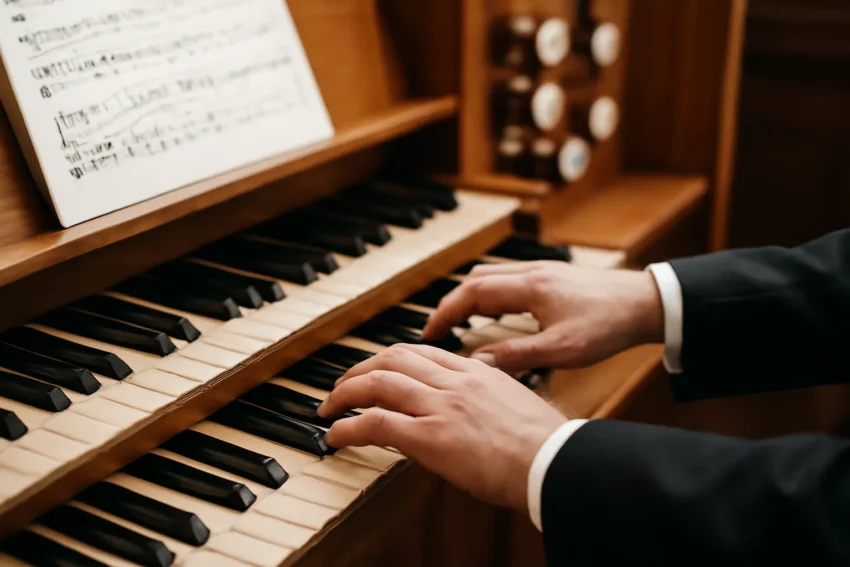
The organ remains a foundational instrument in many traditional worship settings, but keyboard-based worship is diverse in modern churches as well. The keyboard family typically includes:
Pipe organs (large-and-small): Capable of grand climaxes or intimate laments; often used for preludes, offertories, postludes, and liturgical processions.
Electronic or digital organs: Flexible, affordable alternatives that can evoke classic organ textures while integrating with contemporary sound systems.
Pianos and keyboard pianos: Provide harmonic support, melody doubling, and intimate textures for mid-sized and contemporary services.
Clavichord, harpsichord, and other historical keyboards (occasionally): Used in historically informed services or special concerts within worship contexts.
Organ and keyboard music can function as accompaniment to congregational singing, as concerted preludes that establish mood, or as processional and recessional pieces that frame the entry and exit of the congregation.
Strings, Brass, and Woodwinds
String, brass, and woodwind instruments enrich worship with color and textual variety. Typical roles include:
String ensembles (violin, viola, cello, double bass) provide lush harmonies, sustained lines, and intimate textures for contemplative moments or ceremonial settings.
Brass ensembles (trumpets, trombones, tuba, French horn) lend ceremonial grandeur, fanfares for processions, and celebratory climaxes during festive seasons.
Woodwinds (flute, oboe, clarinet, bassoon) offer expressive color, delicate lines, and versatile color palettes that complement vocal textures.
Because wind and brass tones carry differently in space, their use often requires careful balance with the organ, piano, or ensemble to maintain clarity for congregational singing and the spoken word.
Percussion and Rhythmic Textures
Percussion in church music ranges from timekeeping roles to expressive color.
Timpani and mallet percussion add weight and resonance for processions and climactic moments.
Drums and percussion kits support contemporary services, rhythmic drive for gospel-inflected or worship-band settings, and transitional speeds in the liturgy.
Hand percussion (tambourine, shakers, claves, bongos) fosters inclusivity of participants who might not read music but want to contribute to the texture.
Orchestral percussion can be reserved for special services or seasonal celebrations, expanding the sonic palette when appropriate to the text and setting.
With percussion, the aim is to avoid overpowering congregational singing while enhancing the sense of participation and celebration. Dynamic balance and precise cueing are essential in services that feature mixed ensembles or contemporary bands.
Guitars, Winds, and Contemporary Voices
In many church contexts, the guitar-centered ensemble or band plays a central role in worship. Common configurations include:
Acoustic and electric guitars paired with bass and drums to drive modern worship songs and contemporary hymns.
Wind instruments (including saxophone, trumpet, clarinet) used for color and texture in special moments or seasonal services.
Vocal-instrumental hybrids where instrumental components accompany congregational singing that is led by a worship team.
In contemporary settings, it is important to maintain a clear text line: the instrumentals should serve the melody and the congregational voice, not overwhelm it. A thoughtful balance between rhythm, harmony, and lyric clarity ensures that the instrumentals are an invitation to worship rather than a distraction.
Handbells, Harp, and Specialized Instruments
Specialized instruments can highlight particular liturgical moments or seasonal themes:
Handbells provide shimmering textures that work well for contemplative prayers, Advent and Christmas textures, or solemn processions.
Harp offers ethereal color and sustained tones for quiet moments of meditation or angelic music in worship settings.
Orff instruments, temple blocks, and other percussion toys may be used in children’s or family worship contexts to engage participants in a tactile way.
Choosing specialized instruments requires attention to space, acoustics, and the congregation’s ability to participate in or appreciate these textures. The goal is to broaden the sonic range while preserving clarity of the worship experience.
Repertoire, Rehearsal, and Planning for Worship
Repertoire selection and rehearsal planning are crucial for ensuring that instrumental music consistently supports the service’s words and aims. Below are practical guidelines organized around phases of planning.
Phase 1: Planning with Purpose
Identify the liturgical context and the service type (traditional, blended, contemporary, seasonal service, special event).
Clarify the theological aims of the musical moment (praise, reflection, gratitude, intercession).
Determine the ensemble availability (organist, pianist, choir, instrumentalists, singular instrumentalist).
Consider the acoustic environment (size of space, reverberation, sound system) and how it will affect instrument choice.
Phase 2: Repertoire Selection
When selecting repertoire, consider the following:
Text integrity—ensure the music supports and clarifies the scripture or hymn text.
Modal and harmonic language—choose languages that resonate with the congregation and the service’s character.
Technical feasibility—assess the skill level of available players and balance with worship leadership.
Arrangement options—arrange existing hymns or service music for the chosen ensemble, preserving theology and singability.
Seasonal alignment—match pieces to Advent, Christmas, Lent, Easter, Pentecost, or ordinary time as appropriate.
Phase 3: Arranging and Adaptation
Arranging for church services often requires adaptation rather than direct transplantation from concert repertoire. Consider:
Preserving melody clarity so congregational singing remains easy to follow.
Maintaining dynamic balance to avoid masking the text.
Providing transitions (intros, interludes, and codas) that facilitate liturgical movement.
Creating instrumental cues that align with worship planning notes and preacher timing.
Weekly rehearsals aligned with choir or worship team practice times.
Sectionals for strings, winds, or rhythm sections to address technique and blend.
Run-throughs with the entire ensemble to practice cues with the service order.
Dress rehearsals that simulate the actual service environment, including sound checks.
Phase 5: Worship Leadership and Coordination
Successful integration depends on collaboration among worship leaders, pastors, tech teams, and musicians. Important coordination points include:
Clear cue sheets that outline entrances, endings, and tempo changes.
Responsibility for sound level management to ensure the congregation can hear both the instruments and the voices.
Defined roles for transitions (procession, offertory, communion, and recession) so the music complements rather than competes with the liturgy.
The Role of Instrumental Music in Theological and Worship Contexts
Instrumental music in church serves more than aesthetic purposes. It communicates theological ideas and supports spiritual disciplines. Several themes recur across traditions:
Glorification—music asserts the grandeur of God through majesty, wonder, and beauty.
Adoration and reverence—quiet, contemplative passages invite personal reflection and prayer.
Memorial and lament—instrumental timbres can articulate sorrow, confession, and longing when words are insufficient.
Thanksgiving and praise—energetic textures accompany communal celebration of God’s deeds.
Different liturgical contexts may emphasize different dimensions. For example, a service focused on penitence may favor restrained, reflective instrumental textures, whereas a festival Sunday may lean into robust ceremonial color. Flexibility and discernment are essential—the goal is to serve the text, the proclamation, and the people.
Technology, Acoustics, and Space
Modern churches frequently employ technology to augment instrumentals and ensure accessibility. Considerations include:
Sound reinforcement for both instruments and voices to achieve clarity without overwhelming the congregation.
Monitor mixes for musicians to hear themselves and the ensemble in real time, promoting precise ensemble playing.
Digital playback and loop systems for repeating phrases, sustaining tones, or layering textures during contemplative moments.
Recording and archival capabilities for choirs, instrumental ensembles, or worship teams to review and improve performances.
Acoustic considerations—the size and materials of the sanctuary influence how different instruments sound and how they are balanced in the mix.
When planning technology integration, worship leaders should prioritize congregational intelligibility and liturgical fit, ensuring that electronic elements enhance rather than distract from the sacred text and the spoken word.
Cultural Diversity, Inclusivity, and Accessibility
Church instrumental music often reflects a congregation’s diverse cultural backgrounds and musical preferences. Embracing variety can enrich worship in meaningful ways:
Instrumental traditions from different cultures can be integrated in ways that honor the congregational heritage while inviting new expressions of worship.
Accessibility considerations include providing scores and cueing in multiple formats, offering simplified arrangements for less experienced players, and ensuring that instrumental pedestals or stages accommodate a broad range of participants.
Participation opportunities for lay musicians, youth, and volunteers foster ownership and spiritual growth, reinforcing the sense that worship is a communal act.
Inclusivity does not mean homogenizing every service; instead, it means thoughtfully balancing tradition with living, evolving expressions of faith, always in service of God and the congregation.
Education, Mentorship, and Skills Development
Strong church instrumental programs often rest on ongoing education and mentorship. Approaches include:
Mentorship for rising musicians—seasoned players guide newer instrumentalists in technique, repertoire, and ensemble listening.
Workshops and masterclasses—focused sessions on particular styles (classical organ repertoire, contemporary worship charts, or liturgical processional music) help participants broaden their capabilities.
Small groups or ensembles—string quartets, wind ensembles, or percussion choirs provide incremental opportunities for musical growth within the worship context.
Music literacy and sight-reading—while not every worship team member reads music, foundational literacy expands inclusivity and rehearsal efficiency.
Educational efforts should align with the church’s mission, emphasizing not only technical proficiency but also the spiritual discipline of service through music.
Copyright, Licensing, and Ethical Considerations
Using instrumental music within a worship service involves navigating copyright and licensing issues. Important guidelines include:
Copyright compliance—verify rights for arrangements, transcriptions, and recordings used in services or posted publicly.
Public domain repertoire—older hymns and classical works may be in the public domain, reducing licensing concerns for certain uses.
Licensing for contemporary songs—many contemporary worship pieces require performance licenses; working with a denominational licensing agency or a church administrator is essential.
Original arrangements—if you commission or create new instrumental arrangements, ensure proper credit and, if applicable, copyright registration.
Ethical performance practices—honor authorship, avoid unauthorized copies, and give proper attribution where required.
Proactive planning reduces risk and ensures that worship music sustains integrity and legality while serving the congregation’s spiritual life.
Practical Tips for Preludes, Offerings, and Postludes
Instrumental selections for specific moments can shape the service’s atmosphere. Here are practical ideas for common worship moments:
Preludes welcome the gathered community and set tonal expectations. Choose pieces with engaging melodies that do not distort the upcoming hymnody, allowing listeners to center themselves before worship begins.
Processional and recessional music accompanies entry and departure, signaling transitions in the liturgy. Fanfare-like textures suit processions, while reflective lines are appropriate for recessions.
Offertories and interludes—instrumental pieces that underscore gratitude, reflection, or the act of giving. These should support the theme of the offering and maintain reverence for sacred space.
Communion meditations—quiet, intimate music that invites contemplation and reverence without distracting from the liturgy.
Postludes—a final musical benediction that carries the service into the world as the congregation exits together.
When writing or selecting these pieces, consider the church’s vocal texture, the length of the service, and the tempo relationships with spoken announcements and Scripture readings. The goal is musical clarity, spiritual focus, and unity in the service’s arc.
Assessing Space, Sound, and Congregational Experience
Instituting or refining instrumental music requires assessing the space’s acoustics and how it affects listening and participation:
Acoustic balance—the reverberation time of the sanctuary influences how long notes linger and how intelligible lyrics remain. Shorter reverberation can aid diction; longer reverberation can enrich sustained lines but may blur fast passages.
Monitor and sound system design—well-placed speakers and in-ear monitors help musicians hear clearly while ensuring the congregation experiences the music as an integrated whole.
Spatial placement—organ lofts, choral risers, stage drums, and string corners all affect blend. Thoughtful placement facilitates balanced sound and visual engagement for the assembly.
Accessibility and inclusivity—consider providing instrument-friendly ranges for congregational songs, with decently paced tempos and clear note ranges so all can participate meaningfully.
Effective church instrumental programs treat space and sound as partners in worship, not as afterthoughts. The result is a more cohesive and engaging worship experience for all attendees.
Experiential Examples: How Instrumental Music Supports Worship in Practice
Here are some practical scenarios showing how instrumental music can function in real services:
A traditional liturgy might pair organ voluntaries with a choral introit, followed by a piano-led interlude before congregational singing, then a brass setting for a festive psalm after the sermon.
A blended service could feature a keyboard-driven band for contemporary songs, with occasional string textures during offertory and a contemplative piano postlude for meditation.
A seasonal or festival service may use handbells during Advent, brass fanfares for Christmas, and a full string ensemble for Easter music, each contributing to the narrative of redemption.
Family or children’s worship might involve simple percussion, hand drums, and keyboard arrangements designed to be accessible, communal, and participatory.
These examples illustrate how instrumentations can be tailored to purpose, audience, and environment while remaining faithful to the service’s biblical and liturgical aims.
Closing Thoughts: Sustaining Excellence in Church Instrumental Music
Effective church instrumental music is characterized by intentionality, teamwork, and spiritual sensitivity. It requires ongoing discernment—what fits today might evolve tomorrow as a congregation grows, as pastors preach new themes, or as a space’s acoustics change. Here are some closing reflections to guide ongoing practice:
Discernment first—let the text, sermon, and liturgical intent guide the musical choices more than trends or personal virtuosity.
Verse-length planning—align instrumental moments with the natural cadence of Scripture readings and exhortations to avoid friction with preaching and teaching.
Concreteness in rehearsal—clear cues, practical practice for transitions, and realistic expectations about time and resources reduce stress and improve worship flow.
Biblical imagination—let instruments extend the meaning of the gospel message rather than merely decorate it; aim for music that helps people listen, pray, and worship more deeply.
Ultimately, church instrumental music seeks to be a faithful partner in worship: a sonic language that speaks of God’s majesty, our longing, and the hope of the Gospel. When thoughtfully planned, rehearsed, and deployed, instrumental music becomes an invitation—an audible prayer that helps the gathered community lift its eyes beyond the familiar and toward the God who is present in the midst of sacred moments.
Whether you lead a centuries-old cathedral, a multi-site church, or a small rural fellowship, the core principles stay the same: aim for musical fidelity to the text, cultivate musicianship with humility, and nurture an atmosphere where the congregation can sing, pray, and listen with fresh hearts. In that environment, worship instrumentals for services become not an add-on, but an essential conduit for encounter, reverence, and transformation.