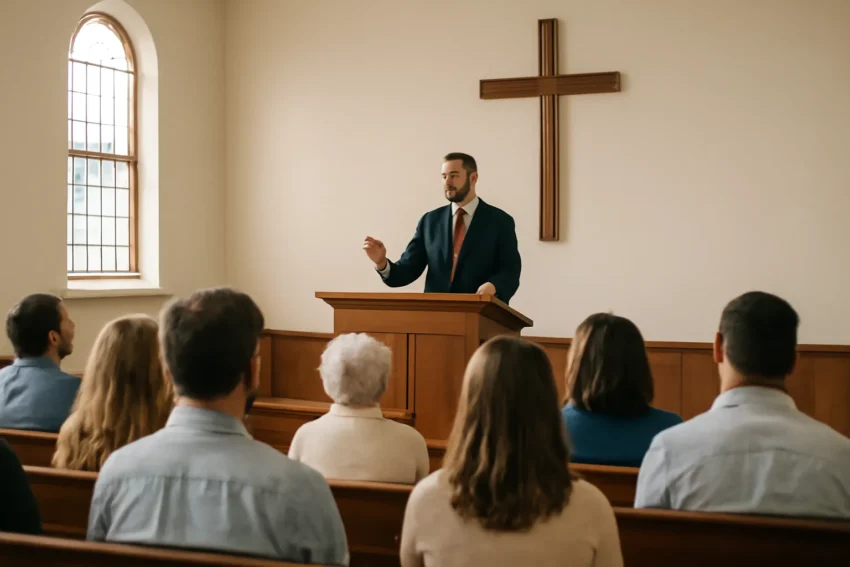
In many faith communities, a church meeting is more than a scheduled hour on the calendar. It is a curated worship gathering, a time for teaching, prayer, fellowship, and communal decision-making. Whether your context is a traditional congregation, a church plant, or a multi-site ministry, the goal of this guide is to provide practical, actionable steps to plan and run services that are meaningful, orderly, and hospitable. The aim is not to prescribe a single template, but to offer a flexible framework you can adapt to your denomination, culture, and local needs. This article uses a range of terms—church meeting, worship service, congregational gathering, assembly, ministry meeting—to reflect the diverse language used across traditions, while keeping the core principles consistent: clarity, participation, and reverence.
Defining the purpose of a church meeting
Before you plan logistics, clarify the primary objectives of each church gathering. Clear intent helps all other decisions—who speaks, what is said, how time is allocated. Common purposes include:
Worship and adoration of God through song, prayer, and scripture reading.
Instruction through preaching, teaching, or testimonies that build faith and understanding.
Fellowship and community formation—opportunities to connect across generations and ministries.
Ministry moments such as commissioning, baptisms, or baby dedications.
Decision-making for church life, budget, or policy in a way that respects processes and congregational input.
Recognizing these goals helps you balance the spiritual, relational, and practical aspects of the meeting. A well-run church gathering should neither be purely ceremonial nor purely administrative, but a cohesive experience that serves and edifies the body.
Core principles for planning each service
Successful church meetings share several enduring principles. Here are the core commitments you should embed in every planning cycle:
Clarity: Communicate the order of service and expectations in advance; avoid last-minute surprises.
Participation: Invite involvement from a broad cross-section of the congregation—yes, including volunteers, families, seniors, and youth.
Accessibility: Ensure physical accessibility, language clarity, and media that are usable by people with different abilities.
Consistency: Establish predictable rhythms (followed by occasional intentional variety) so people know what to expect.
Reverence and authenticity: Create an atmosphere where worship and instruction feel sincere rather than performative.
Safety: Implement practical safety measures and clear protocols for emergencies, crowd flow, and child protection.
These guiding principles help maintain integrity across multiple occurrences—whether you’re organizing a Sunday morning worship gathering or a midweek assembly.
Building a planning team: roles and responsibilities
A well-functioning church meeting requires a team rather than a single person. A diverse planning team distributes workload, fosters accountability, and leverages different gifts. Consider including the following roles or their equivalents in your context:
Lead Planner (often a pastor or appointed coordinator) who holds overall responsibility and communicates vision.
Worship Coordinator who selects music, leads the band or choir, and collaborates on liturgy.
Sermon/Teaching Lead responsible for content quality, theological soundness, and delivery support.
Tech and Production Manager who oversees audio, video, lighting, live stream, and teleprompting if applicable.
Facilities/Operations Lead to handle venue, seating, accessibility, safety, and logistics.
Volunteer Coordinator who recruits, trains, and schedules helpers and ushers.
Communications Lead to manage notices, social media, invitations, and post-service follow-up.
Accessibility and Inclusion Advisor to ensure language accessibility, seating arrangements, and signage.
Finance and Compliance Officer to oversee budgeting, offerings, and governance considerations.
Establish clear decision-making processes (who approves what, and in what timeframe) and a regular planning cadence. Even in smaller churches, you can adopt a scaled version of this structure—perhaps a core planning team plus ad hoc subcommittees for specific projects.
Team dynamics and collaboration
Build your planning team around these collaboration principles:
Regular communication via email, a shared calendar, and periodic planning meetings.
Clear documentation of decisions, responsibilities, and timelines.
Healthy conflict resolution strategies to handle differing opinions constructively.
Rotating leadership roles to develop new volunteers and prevent burnout.
Timeline and scheduling: planning your calendar
Effective planning requires a realistic timeline that begins well before the event and ends with a thoughtful review afterward. Below is a practical framework you can adapt to your context.
12–16 weeks out: Establish the theme or focus of the service, confirm the service type (regular Sunday, special occasion, or midweek gathering), and assemble the planning team.
10–12 weeks out: Confirm venue and date, begin high-level storyline for the service, and secure any guest speakers or performers.
6–8 weeks out: Draft the order of service, outline sermon or teaching content, music selections, and any media needs. Identify volunteer roles and begin recruitment.
4–6 weeks out: Finalize logistics—AV needs, seating plan, child care arrangements, signage, and accessibility considerations. Start creating written guides or manuscripts for presenters.
2–3 weeks out: Rehearsals and run-throughs; test equipment; confirm volunteers; share communications with the congregation.
1 week out: Final confirmations, create final program, prepare weather contingency plan if outdoors, and send out reminders to the community.
Day of the event: Execute with attentive leadership, maintain flexibility, and respond to unexpected changes calmly.
Post-event: Debrief with the team, collect feedback, and archive notes for future reference.
In many churches, a simple floor plan and a standardized setup process help volunteers prepare efficiently. Consider using a checklist that covers seating, AV cabling, stage props, and signage before every service.
Worship and liturgy design: shaping the service order
The worship sequence is the spine of most church gatherings. A well-designed order of service balances expression, instruction, and response. Elements typically include call to worship, praise, confession, teaching, response, and blessing. The exact form depends on tradition, but these components often appear in some form.
Common elements in a worship service
Call to worship to orient hearts and minds toward the divine presence.
Songs and music that reinforce themes and invite participation.
Scripture reading as a foundation for teaching and reflection.
Prayer moments including intercession, confession, and thanksgiving.
Teaching or proclamation that explains scripture and applies it to life.
Response opportunities such as communion, baptism, or commitments.
Benediction or blessing to send the assembly with encouragement.
Music planning and worship leadership
Music is often a bridge between God and people, but it should support the message rather than eclipse it. Helpful practices include:
Theme alignment: Choose songs that echo the sermon theme or the worship focus for that gathering.
Conversational repertoire: Alternate between high-energy songs and reflective pieces to guide emotional pacing.
Lead time: Schedule musicians and rehearsals early; share chord charts or sheet music in advance.
Inclusivity: Include a diverse range of voices and musical styles that reflect the congregation.
Clear, faithful teaching requires collaboration between the preaching voice and the planning team. Consider these steps:
Theme development: Decide on a unifying text or series arc and keep it present in all preparation materials.
Exegesis and application: Emphasize faithful interpretation and practical relevance for daily life.
Delivery coaching: Practice delivery, pacing, and engaging the audience through illustrations and questions.
Supplemental media: Use slides, graphics, or videos sparingly to support, not distract from, the message.
Practical technology: AV, streaming, and media
Technology can enhance the experience when used intentionally. A thoughtful approach to audiovisual (AV) and media helps people engage rather than overwhelm them. Consider these areas:
Audio: Clear amplification for spoken word, balanced musical mix, and monitoring to avoid feedback.
Video and slides: Large, legible text; high-contrast color schemes; accessible font choices; and simple transitions.
Livestreaming: Reliable connection, stable encoding, and privacy considerations for online participants.
Recording and archiving: If you record sermons or services, obtain consent and manage storage and access.
Always test tech in advance and designate a point person for unforeseen issues. Remember that technology serves the service; it should not dominate it.
Safety, compliance, and inclusivity
Prayerful planning must be paired with practical safeguards. Aim to create an atmosphere where everyone can participate safely and with dignity. Key areas include:
Child safety: Background checks for volunteers, defined reporting procedures, and secure check-in/check-out systems.
Emergency readiness: First aid kits, trained responders, and clear evacuation routes.
Code of conduct: A policy that promotes respect, prohibits harassment, and sets expectations for volunteers and attendees.
Language and accessibility: Use plain language, provide translations if needed, and ensure materials are accessible to people with disabilities.
Environmental considerations: Safe venue practices, inclusive seating, and signage that reduces anxiety for newcomers.
Volunteer management: recruiting, training, and retention
Volunteers are the lifeblood of any church gathering. A sustainable model focuses on recruitment, training, appreciation, and clear expectations.
Role clarity: Publish role descriptions for ushers, technicians, hospitality teams, childcare workers, and setup crews.
Training onboarding: Provide orientation that covers safety, service flow, and your church’s values.
Shifts and scheduling: Use reasonable increments, offer rotation to prevent burnout, and accommodate life events.
Recognition: Regularly acknowledge the contributions of volunteers in services or communications.
Communication with the congregation: informing and inviting participation
Clear communication helps bridge vision and everyday participation. Use multiple channels to reach different segments of your church family:
Service programs and printed materials with the order of service and key notes.
Announcements at services, in weekly emails, and on church apps or websites.
Reminders or invitations for volunteers, newcomers, and families to engage in specific ministries.
Feedback mechanisms such as surveys, comment cards, or opening a forum for questions after gatherings.
Financial and administrative considerations
Your planning should align with responsible stewardship. Financial and governance aspects influence what is possible in a given season. Some practical points include:
Budgeting: Prepare a budget that reflects the service goals, staffing, facilities, and technology needs.
Offerings and fundraising: Transparent processes for offerings, including privacy considerations and accountability.
Record-keeping: Maintain clear records of decisions, expenditures, and policy approvals.
Compliance: Ensure compliance with local laws, child protection standards, and data privacy requirements.
Evaluation and continuous improvement
Post-service evaluation helps elevate future assemblies and keep your ministry responsive to needs. Adopt a light-touch, constructive review process that respects volunteers and participants.
Debrief meetings: Short follow-up discussions with the planning team to capture what went well and what could improve.
Reader feedback: Collect input from attendees through short surveys or digital forms, focusing on clarity, flow, and accessibility.
Metrics: Track practical measures such as attendance, volunteer turnout, and the ability to stay on schedule.
Action plans: Translate insights into concrete changes for the next worship gathering or congregational meeting.
Having ready-made templates can save time and reduce stress. Here are two example formats you can adapt. Both are designed to keep a church meeting orderly while allowing for meaningful spontaneity in prayer or response.
Typical Sunday service agenda
Welcome and opening prayer
Call to worship
Songs or worship songs
Scripture reading
Announcement slide or brief ministry update
Offering or giving moment
Teaching or sermon
Response time (altar call, reflection, or communion as appropriate)
Closing song and benediction
Post-service fellowship or reception (optional)
Midweek or special service agenda
Opening prayer and scripture
Worship set
Testimonies or ministry updates (short)
Teaching or interactive session
Q&A or discussion (where appropriate)
Prayer ministry and blessing
Dismissal and clean-up plan
Develop your own versions of these templates as living documents. For consistency, publish them in advance in a shareable format (PDF, web page, or slide deck) and keep a master copy for reference.
Case studies: adapting the guide to different contexts
Every church has its unique rhythm, culture, and constraints. Here are three brief scenarios that illustrate how the principles above translate into practice:
Scenario A: a small town church with a growing youth presence
The planning team centers youth leadership in the worship and outreach segments of the congregational gathering. They emphasize accessibility by providing quiet rooms for prayer, a kid-friendly corner during the worship service, and a volunteer rotation that includes parents and teens. They use simple technology—one screen, a basic sound setup—and prioritize personal invitations to newcomers after each gathering.
Scenario B: a multi-site church with a live stream audience
Communication becomes crucial across campuses. A central planning team coordinates content, while campus pastors tailor local expressions. The service order is standardized, yet elements like testimonies or local announcements offer regional relevance. The online audience experiences a carefully crafted interface with clear captions, consistently high audio quality, and accessible chat moderation to handle questions and prayer requests.
Scenario C: a church plant prioritizing hospitality
Hospitality leads the assembly from arrival to departure. A dedicated welcome team greets newcomers, provides welcome packets, and offers guided tours of facilities. The service structure favors a short, engaging teaching, with ample time for conversations over coffee after the gathering. The emphasis is on creating a sense of belonging for people who are exploring faith, not merely attending a service.
Closing thoughts: sustaining excellence over time
A practical guide to planning and running church meetings is, at its core, a guide to serving people. The objective is not to rigidly control every moment but to create a hospitable, spiritually nourishing, and administratively sustainable experience. The following closing reminders may help sustain excellence over time:
Prioritize people: design the service for clarity, engagement, and dignity for every participant, including guests and volunteers.
Allocate time for prayer: at least a few minutes in each gathering to seek God’s guidance and for communal intercession.
Maintain flexibility: prepare for unexpected changes—weather, speaker availability, or technical hiccups—and have contingency plans.
Invest in volunteers: provide ongoing training, recognition, and opportunities for leadership development.
Document learning: keep a living file of notes from each planning cycle to inform future decisions.
As you embark on planning your church meetings, remember that the most impactful moments often emerge when preparation meets hospitality. A well-planned worship service invites people to encounter God, fosters authentic community, and equips the church to live out its mission in daily life. Use this guide as a toolbox—pick the tools you need, adapt them to your context, and keep refining the craft of gathering together as a faithful, joyful, and effective household of faith.