Church Message: How to Deliver Inspiring Sermons Online
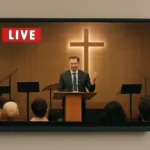
The landscape of ministry has changed dramatically with the rise of online platforms, yet the core calling remains the same: to proclaim a transformative church message that speaks to hearts and fuels lives. Delivering an inspiring sermon through a screen requires a blend of solid theology, practical communication, and thoughtful technology. In this guide, you will find comprehensive guidance on crafting a powerful biblical message for online audiences, building authentic connection, and using digital tools to extend the reach of your ministry. The goal is not to imitate a live service, but to steward a digital sermon that is clear, compelling, and faithful to the gospel.
Understanding the Purpose of the Online Church Message
When we speak about the church message in a digital era, we are describing more than a sermon broadcast. We are describing a ministry moment that must respect the timelessness of Scripture while embracing the immediacy of online communication. A well-crafted online sermon should be:
Grounded in Scripture and sound doctrine
Relevantly connected to everyday life and contemporary issues
Accessible to diverse audiences, including those with hearing or visual impairments
Designed for both live and on-demand consumption
Encouraging ongoing engagement with the faith community and mission
The ministry message you share online should carry the same heart as a traditional church service: invitation, exhortation, and application. Yet it must also consider the advantages and challenges of digital media, such as audience attention span, multi-device viewing, and the opportunity for broader reach. A thoughtful online message is not a substitute for community; it is a doorway to deeper relationship, discipleship, and service.
Crafting an Inspiring Sermon for Digital Audiences
The core of every powerful sermon is a clear, compelling spine that connects biblical truth with real-life living. When you write for an online audience, you should expand your planning to include the constraints and opportunities of screen-based delivery. Below are practical steps to build a message that resonates beyond the pews.
From Scripture to Screen: Clarifying the Core Truth
Start with the central truth you want your audience to grasp. Ask:
What is the gospel center of this message?
What is one main application for daily life, work, or relationships?
What would you want someone to think, feel, and do by the end of the message?
Translate this core truth into a concise one-sentence thesis that anchors the sermon. A strong online message often benefits from a memorable title and a guiding metaphor that can be revisited throughout the talk.
Structure and Flow: A Consistent Blueprint
A reliable sermon structure helps online listeners follow your train of thought without the physical cues of a gathered crowd. Consider the following structure framework:
Hook: a brief, provocative or relatable opening that captures attention
Scripture Reading: a clear anchor text or passage
Explanation: unpack the biblical meaning with context
Application: connect the truth to contemporary life
Response: invite a step of faith, action, or reflection
For online delivery, consider adding a brief «map» at the start of the sermon that previews the sections. This helps viewers know what to expect and keeps them engaged as they scroll through chat or transitions.
The Art of Delivery on Screen
A compelling online sermon depends on how you convey the message, not only what you say. The tools of communication—tone, pace, eye contact, and presence—translate differently when you are preaching into a camera rather than toward a live audience.
Voice, Pace, and Connection
Use a calm, deliberate pace with deliberate pauses to let meaning land.
Vary your inflection to emphasize key points; avoid a monotone delivery.
Speak with clarity and confidence, projecting as if you were in front of a crowd, even when you are not.
Address the camera with a natural, conversational tone to create a sense of intimacy and trust.
Nonverbal Cues in a Video Sermon
In a virtual setting, body language still matters. Subtle gestures, hand movements, and posture can reinforce the message. Practice:
Occasional hand gestures that emphasize points without becoming distracting
Maintaining steady, relaxed posture to communicate steadiness and openness
Eye contact with the camera lens to create a sense of direct engagement
Appropriate facial expressions that reflect the emotional tone of the passage
Technology and Production for a Clear Church Message
The best online sermons combine robust content with high-quality production that does not overshadow the message. This section outlines practical decisions about platforms, gear, and accessibility so that your church message online is delivered clearly.
Choosing Platforms and Equipment
Choose a platform that aligns with your goals: live streaming to YouTube or Facebook, or a more controlled environment like Zoom or a ministry-specific platform for hosting discussions and watch parties.
Invest in reliable audio: a good lavalier or cardioid microphone can dramatically improve sound quality over built-in laptop mics.
Use a camera with solid resolution (720p or higher) and a stable frame rate; consider a secondary camera for close-up emphasis during key points.
Test your internet connection and streaming settings in advance to minimize interruptions.
Visuals, Lighting, and Accessibility
Ensure proper lighting so faces are visible without harsh shadows; use three-point lighting if possible.
Keep a clean, uncluttered background or use a tasteful virtual background that does not distract from the message.
Incorporate captioning and provide transcripts to make the sermon accessible to deaf and hard-of-hearing viewers, as well as those who prefer to read along.
Use lower-thirds to display scripture references or key points so viewers can follow along even when watching in a replay.
Engaging the Online Congregation
Online ministry thrives on active participation and ongoing community. Creating spaces for dialogue and accountability helps the church message become a doorway to deeper involvement, not just a one-off event.
Interaction During and After the Sermon
Utilize live chat or comment threads to welcome questions, reflections, and testimonies in real time, with moderators to maintain a respectful space.
Schedule a short Q&A segment after the talk or during a dedicated online listening session to address concerns and clarify difficult passages.
Offer downloadable discussion guides or study questions to enable small groups or families to reflect together after the broadcast.
Encourage acts of service and next steps, such as volunteering, prayer requests, or digital evangelism opportunities.
A healthy online ministry invites participation beyond watching. Consider:
Providing a clear participation path (events, groups, service opportunities) at the end of each sermon.
Promoting discipleship resources like devotional videos, weekly study packets, or a reading plan aligned with the sermon series.
Adopting a donation and stewardship message that is transparent, uses plain language, and aligns with the church’s values.
Celebrating testimonies from online members to reinforce a sense of belonging and mutual encouragement.
Post-Sermon Impact and Follow-Up
The impact of a church message online should extend beyond the moment of delivery. A well-planned follow-up strategy helps convert viewers into engaged participants and disciples.
Lifecycle of Content: From Sermon to Series
Store recordings with searchable titles and show notes that include scripture references and a brief outline.
Repurpose the content into shorter clips, quotes, or study prompts for social media to reach new audiences.
Develop a sermon series that builds over several weeks, allowing for deeper exploration of themes and greater audience retention.
Resources and Follow-Up Materials
Provide a downloadable study guide or a PDF outline of the sermon for personal or group use.
Offer a prayer guide related to the message to cultivate spiritual practice and accountability.
Link to additional resources, such as sermon transcripts, recommended books, or partner ministries, to encourage ongoing growth.
Ethical, Theological, and Pastoral Considerations
Delivering a church message online requires careful attention to ethical and pastoral responsibilities. The digital space is a public square where words can travel fast and far; thus, the accountability of leadership remains essential.
Theology That Stands the Test of Time
Ensure your sermon adheres to sound doctrine and the church’s confessional standards. The online medium should not dilute theological clarity. In fact, it should encourage deeper study, not superficial conclusions. When in doubt, consult with pastoral colleagues, theologians, or a local elder board to assess interpretation.
Respect, Dignity, and Cultural Sensitivity
An online ministry message should reflect the broad human family you serve. This means:
Respecting diverse voices and experiences within your audience
Avoiding sensationalism or scandal-driven content
Promoting a posture of humility and welcome toward questions and disagreements
Case Studies: Formats and Formats of Digital Sermons
There is no one-size-fits-all formula for delivering an inspiring sermon online. Churches experiment with different formats to reach different audiences. Here are several common formats and how they can be used effectively.
Live-Streamed Sermon with Interactive Elements
In this format, the sermon is delivered live, with a dedicated time for live questions and real-time responses. It works well for larger congregations and for audiences who crave immediacy and community.
On-Demand Sermon with Supplemental Content
Some communities prefer to release a high-quality on-demand sermon accompanied by a study guide, a recap video, and social media prompts. This approach prioritizes accessibility and searchability for people who prefer to watch later or in shorter segments.
Short, Thematic Messages
Short-form sermons—5 to 10 minutes—are highly shareable and suitable for social media. They work best when they deliver a single, impactful takeaway and a call to action.
Series-Based Content for Discipleship
A sermon series allows a church to explore a theme deeply over several weeks, guiding viewers through progression in understanding and practice. A digital series can include companion podcasts, reflection prompts, and a community watch party schedule.
Practical Tips for Writing and Delivering Your Online Message
Whether you are a pastor, preacher, or ministry leader, the following practical tips can improve your online church communication and strengthen the impact of your gospel-focused message.
Write with clarity and avoid jargon that may alienate new viewers.
Use everyday language while maintaining theological depth.
Incorporate stories and testimonies to illustrate biblical truths—humans connect with narrative.
Include scripture references on-screen to invite personal study and accountability.
Prepare a concise outro call to action that invites prayer, study, or service.
A durable online church message is less about a single sermon and more about a rhythm of teaching, worship, and service that reaches people where they are. It is also about building a durable ecosystem that fosters trust, growth, and community. As you refine your sermon delivery, keep the following principles in view:
Consistency in publishing schedule and message quality helps audiences know what to expect and to return.
Authenticity in tone and leadership builds trust and invites transparency in questions and doubt.
Accessibility across devices, languages, and abilities broadens impact and models hospitality.
Disciple-making remains at the center—every online encounter should lead to greater love for God and neighbor, and greater participation in mission.
Sample Online Sermon Outline for a Digital Audience
To help you visualize how these principles come together, here is a sample outline you can adapt for your next online message. This outline emphasizes a strong opening hook, clear biblical exposition, practical application, and a robust call to action.
Hook (1-2 minutes): Begin with a compelling question or story that relates to a contemporary issue.
Scripture (2-3 minutes): Read a selected passage and provide a concise explanation of its context.
Explanation (5-7 minutes): Break down the passage, highlight key terms, and connect it to the core truth.
Application (5-6 minutes): Show how the passage informs decisions, relationships, or ministry today.
Response (2-3 minutes): Invite a practical step, such as prayer, a challenge to act, or joining a group.
Prayer (2 minutes): Close with a unifying, biblically grounded prayer.
Remember that the most powerful church message is not about how eloquently you speak, but about how faithfully you deliver the gospel and how sincerely you care for your audience. The online format offers unique chances to expand the reach of your ministry, empower lay leaders, and cultivate a culture of learning and service. By focusing on clarity, authenticity, and care, your next sermon online can become a meaningful encounter between God, Scripture, and people across the world.
If you are developing a curriculum or a resource library to accompany your video sermons, consider organizing content into themes such as gospel clarity, faith in action, biblical justice, and worship in a digital age. Each theme can be explored through a series of messages, discussion prompts, and practical projects that help your audience live out what they hear.
In closing, let your online church message be a faithful witness—grounded in Scripture, delivered with care, and framed by a generous vision for the world God loves. May your sermons online become a beacon that invites people to know Christ, grow in grace, and serve in tangible ways, both within your community and beyond.