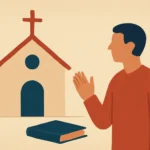
Overview: What a Church Minister Is and Why the Role Matters
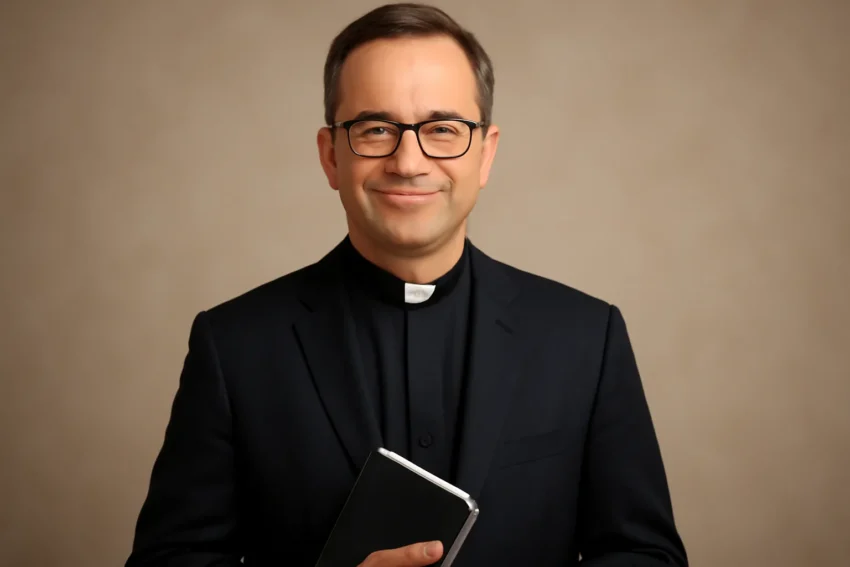
A church minister sits at the center of a religious community, guiding people in worship, study, service, and spiritual formation. While the exact title and duties vary by tradition—whether pastor, priest, clergy member, or ministry leader—the core aim is consistent: to help individuals encounter the sacred, live by conviction, and serve others with love and integrity. In many denominations, the minister acts as a shepherd, a teacher, a counselor, and a facilitator of mission. In others, the role leans toward sacramental leadership, catechesis, or social outreach. Regardless of context, the calling to serve is a blend of character, training, and continual growth.
This article explores the multifaceted life of the church minister across common settings and traditions. It highlights the various roles, outlines typical paths of training, and offers practical guidance on serving well—whether you are discerning a personal vocation, preparing for ordination, or seeking to support someone in a leadership position.
Key Roles and Responsibilities of a Church Leader
The job description of a minister or pastor can be diverse. Below are the major areas where the sacred and the practical intersect. Throughout, you will see how the terms pastor, priest, clergyman, and ministry worker converge around a common purpose: to equip a community to know God, love neighbors, and reflect grace in daily life.
Pulpit ministry and teaching: Preparing and delivering sermons or homilies, guiding biblical interpretation, and facilitating Bible study groups. This is often the explicit proclamation of faith and the primary channel for shaping beliefs and values.
Worship leadership: Coordinating or leading worship services, music, liturgy, prayer, and sacraments (where applicable). In some traditions, this includes planning seasonal rites, baptism, communion, or confession.
Pastoral care: Listening with empathy, visiting the sick or homebound, offering counsel, and supporting families through crises, grief, and transitions. This dimension embodies the relational heart of ministry.
Discipleship and formation: Mentoring individuals and groups toward spiritual maturity, fostering habits of prayer, study, service, and stewardship.
Leadership and governance: Stewarding the life of the congregation, setting strategic priorities, managing staff and volunteers, and representing the church in the wider community or denominational structures.
Community outreach and social witness: Engaging with neighbors beyond the church walls, addressing injustice, serving the poor, and building collaborative partnerships with schools, nonprofits, and civic organizations.
Counsel and conflict resolution: Mediating disputes, modeling healthy communication, and creating spaces for restorative processes within the church community.
Administration and logistics: Managing calendars, budgets, facilities, and communications to sustain effective ministry operations.
Ethical and moral leadership: Upholding standards of integrity, accountability, and responsible conduct; guiding the community in discernment during moral or theological questions.
In practice, a church minister embodies multiple identities at once. The ecclesiastical leader may also be a teacher, a counselor, and a community organizer. Some traditions emphasize the sacramental role, while others emphasize preaching and teaching as the primary mode of service. Across all expressions, the most enduring hallmark is a demonstrated compassionate leadership that serves people with humility and discernment.
Paths of Training and Education
Preparation for the office of minister, pastor, or priest generally involves a structured blend of formal study, practical training, and spiritual formation. The pathway a person follows depends on doctrinal tradition, geographic context, and personal calling. Below are common routes, with notes on how they differ and what they share.
Formal theological education: Many ministries begin with coursework in theology, biblical studies, ethics, and church history. Degrees commonly include Bachelor of Theology, Bachelor of Ministries, or higher degrees such as Master of Divinity (MDiv) or Master of Theology (ThM).
Seminary or Bible college training: A graduate school environment focused on practical ministry, pastoral leadership, and advanced biblical languages. Seminaries often partner with denominations for ordination tracks and credentialing.
Ordination or licensing: A formal recognition by a church body that an individual is authorized to perform certain sacred duties. Ordination typically involves a period of mentoring, a demonstration of gifts, and alignment with doctrinal standards.
Practical apprenticeship: Many aspiring ministers gain experience through internships, residency programs, or mentorship with a seasoned pastor or priest. This on-the-job training sharpens pastoral skills and fosters networks within the church.
Continuing education and renewal: Ongoing learning through workshops, conferences, retreat, and peer supervision helps clergy stay current on theology, pastoral care techniques, crisis response, and leadership best practices.
Denominational differences are significant. In some Christian traditions, the priesthood involves sacramental authority through ordination and implies a lifelong vocation within one church community. In other contexts, the pastoral office emphasizes local church leadership, with more flexible paths to credentialing. Nonetheless, the shared aim remains: to form a thoughtful, well-grounded minister who can shepherd a faith community with accuracy and kindness.
Practical Steps for Someone Exploring the Path
If you are considering a life of ministry leadership, take these practical steps:
Seek mentorship from a trusted elder or experienced pastor who can provide candid feedback and spiritual guidance.
Engage in hands-on service by volunteering in teaching, visiting, and organizing outreach projects to develop transferable skills.
Study the doctrines and traditions of your denomination to understand expectations for ordination or licensing.
Invest in personal spiritual disciplines (prayer, scripture meditation, fasting, journaling) to cultivate resilience and humility.
Discuss career goals with a church leadership team to learn about practical requirements, funding, and timeframes.
Character, Spiritual Formation, and Personal Integrity
The life of a clergy member or minister is as much about character as it is about craft. While technical competence matters, the most enduring impact comes from a heart aligned with service, truthfulness, and accountability.
Humility and teachability: A willingness to learn from others, admit mistakes, and grow beyond personal preferences.
Conviction balanced by compassion: Strong beliefs held with gentleness and respect for diverse perspectives within the faith community.
Boundaries and self-care: Maintaining healthy boundaries to protect emotional and physical health, avoiding burnout, and modeling healthy work-life balance for others.
Accountability structures: Regular supervision, peer groups, and transparent governance practices that promote ethical leadership.
Cultural humility: Sensitivity to diverse backgrounds and experiences, especially when serving people from varied socioeconomic, linguistic, or racial backgrounds.
Spiritual formation is ongoing throughout a minister’s career. This includes personal devotion, corporate worship, and participation in missional experiences that broaden understanding of God’s work in the world. Strong ministers cultivate a resilient inner life that can weather conflict, pain, and disappointment without losing focus on service to others.
Core Skills for Effective Ministry
Being effective in the role of church leader involves more than preaching; it is a suite of skills that enable healthy, transformative relationships within and beyond the congregation.
Communication: Clear, compassionate, and persuasive communication that honors listener dignity and invites participation. This includes preaching, teaching, and written communication for newsletters and digital platforms.
Active listening: Attentive listening to individuals and communities to understand needs, concerns, and hopes. This skill underpins pastoral care and conflict resolution.
Leadership and teamwork: The ability to cast vision, mobilize volunteers, delegate tasks, and foster collaborative decision-making.
Empathy and counseling: Providing emotional support while recognizing personal boundaries and, when necessary, referring to professional counselors.
Crisis response and shepherding in emergency: Preparedness to offer steadiness, prayer, practical help, and coordination during natural disasters, violence, or personal crises.
Cross-cultural competence: Ministry that respects differences in language, culture, and background, enabling inclusive ministry and outreach.
Administration and governance: Budgeting, planning, facilities management, and compliance with denominational policies or legal requirements.
Education and program design: Designing effective worship, teaching series, youth programs, and outreach initiatives that meet real-world needs.
The ministry vocation also benefits from practical skills in event planning, digital communications, and data-informed assessment. A well-rounded leader knows how to combine timeless truth with contemporary methods to reach people where they are.
Serving Well in Different Settings
The minister’s impact can be felt in many environments. Whether in an urban megachurch, a rural parish, or a mission-focused church-planting context, the core principles remain: care for people, faithful teaching, and a courageous witness to faith in action.
Urban Ministry and Diverse Communities
In cities, church leaders often engage with a mosaic of cultures, languages, and social issues. The urban pastor may emphasize immigrant ministries, refugee support, affordable housing advocacy, and partnerships with local nonprofits. The challenges include navigating secular environments, addressing gentrification tensions, and creating belonging for newcomers while preserving the faith community’s identity.
Rural and Small-Town Ministry
In more intimate settings, a rural minister or parish priest frequently knows most families personally. Leadership here can center on sustaining tight-knit relationships, maintaining aging facilities, and providing consistent presence. The pace may be slower, but the depth of relational care can be profound as the minister becomes a trusted neighbor and counselor.
Church Planting and Growth
A growing trend in many traditions is church planting. A planting pastor or church planter must be entrepreneurial, adaptable, and deeply collaborative. Early-stage ministry often emphasizes vision casting, community listening, leadership development, and forming missional identities with new members. The work combines evangelism, discipleship, and organizational design to establish a self-sustaining community.
Pastoral Care Across Life Stages
The ministerial vocation involves accompanying people through life milestones: birth, marriage, illness, aging, and death. This requires sensitivity to family dynamics, liturgical nuance, and the ability to hold tension between joy and sorrow within worship and fellowship.
A healthy ministry requires disciplined ethics and practical self-care. Boundary setting protects both the leader and the community, ensuring trust and accountability. The most enduring ministry is not merely about clever programming but about sustaining a life of service that remains faithful over decades.
Boundaries: Clear professional boundaries with congregants, confidentiality practices, and appropriate care limits to prevent burnout or exploitation.
Accountability: Regular supervision, peer accountability groups, and transparency in decision-making processes.
Self-care: Adequate rest, healthy routines, and support networks to maintain physical, emotional, and spiritual health.
Ethical integrity: Honesty in finances, relationships, and leadership; refusal of corruption or manipulation in pursuit of outcomes.
Churches commonly develop policies and practiced norms around these topics. A responsible clergy member will model these standards, encouraging a culture where care for people and care for self are not mutually exclusive.
Measuring Impact: What Success Looks Like in Ministry
Evaluating the effectiveness of a minister can feel difficult because the impact of spiritual leadership often unfolds over time and in ways that are hard to quantify. Here are several meaningful indicators:
Growth in discipleship: Increases in Bible study participation, spiritual disciplines practiced by individuals, and the depth of faith formation observed in members.
Health of relationships: Strong pastoral relationships, healthy boundaries, reduced conflict, and restored trust within the community.
Engagement in mission: Active participation in outreach, partnerships with neighbors, and evidence of tangible service to the vulnerable.
Sustainability of programs: Financial stability, volunteer leadership development, and the ability to sustain ministries beyond one person’s tenure.
Reproducible leadership: A culture where lay leaders grow into responsibilities and can carry the vision forward in a scalable way.
In many traditions, metrics also include denominational indicators, such as sacramental administration, catechetical progress, or adherence to doctrinal standards. However, it is essential to balance quantitative measures with qualitative stories: lives changed, families restored, and communities transformed through consistent, faithful service.
Variations in Terminology: How Different Traditions Describe the Role
The office commonly described as “the minister” can be referred to in several ways, depending on tradition, language, and culture. Here are some semantic breadth ideas to appreciate:
Pastor or pastoral leader: Emphasizes shepherding and care for the flock.
Priest: Often highlights sacramental authority and liturgical leadership within Catholic, Orthodox, or Anglican contexts.
Clergy: A broad term referring to ordained ministers across a denomination.
Minister (or ministry worker): A general designation for those who serve in various capacities within the church.
Parson: An older or regional term sometimes used to indicate a parish priest or preacher.
Ecclesiastical leader: A formal descriptor for leaders within church governance and spiritual oversight.
Church planter: A leader focused on founding new congregations and establishing a new faith community.
Youth pastor, associate pastor, or program director: Roles that reflect specialization within larger staff teams.
Regardless of the title, the heart of the role remains the same: to help people encounter grace, live with integrity, and contribute to a common good rooted in faith.
Practical Tips for Serving Well: How to Grow as a Church Leader
Whether you are preparing for ordination, supporting a friend in ministry, or seeking to improve your own practice, here are practical steps that can deepen effectiveness and sustain joy in service:
Prioritize listening: Create regular spaces for conversation, feedback, and listening to diverse voices within the congregation.
Invest in mentorship: Seek ongoing guidance from experienced leaders who can offer candid feedback and prayerful accountability.
Develop a clear vision: Craft a shared purpose for the community that aligns with Scripture, tradition, and contemporary needs.
Balance proclamation and presence: The rhythm of preaching and pastoral presence should reinforce one another, not compete for attention.
Foster lay leadership: Train and empower volunteers, deacons, elders, or ministry teams to distribute responsibility and cultivate ownership.
Invest in community formation: Create programs that welcome newcomers, sustain spiritual growth, and build genuine relationships.
Enhance accessibility: Ensure worship, teaching materials, and outreach are accessible to people with various abilities and backgrounds.
Practice restorative justice: When conflict arises, pursue reconciliation through honest dialogue, accountability, and mercy.
Model stewardship: Demonstrate prudent management of time, gifts, and resources as a visible testimony to faithful living.
Stay mission-focused: Regularly revisit priorities to ensure programs serve the core mission rather than merely filling schedules.
Remember that “serving well” is a dynamic practice, not a fixed endpoint. A healthy church leader grows with the community, adapting to changing needs while remaining anchored in core beliefs and compassionate service.
Conclusion: The Ongoing Journey of Ministry Leadership
The vocation of a church minister, whether described as pastor, priest, or clergy member, is a rich and demanding calling. It requires theological depth, practical skills, spiritual formation, and a commitment to the wellbeing of others. Training paths may differ across denominations, but the aim is consistent: to guide a faith community toward truth, beauty, and love in daily life. By embracing a holistic approach that values preaching, teaching, care, leadership, and mission, ministers can serve with effectiveness and integrity in a world that deeply needs hopeful, servant-hearted leadership.
If you are discerning this path for yourself or supporting someone on it, recognize that ministry is not only about knowing doctrine but about embodying the gospel in tangible ways. It is about showing up with courage in times of difficulty, offering welcome to the outsider, and helping others grow into mature followers of Jesus, in whatever cultural or denominational setting they inhabit.