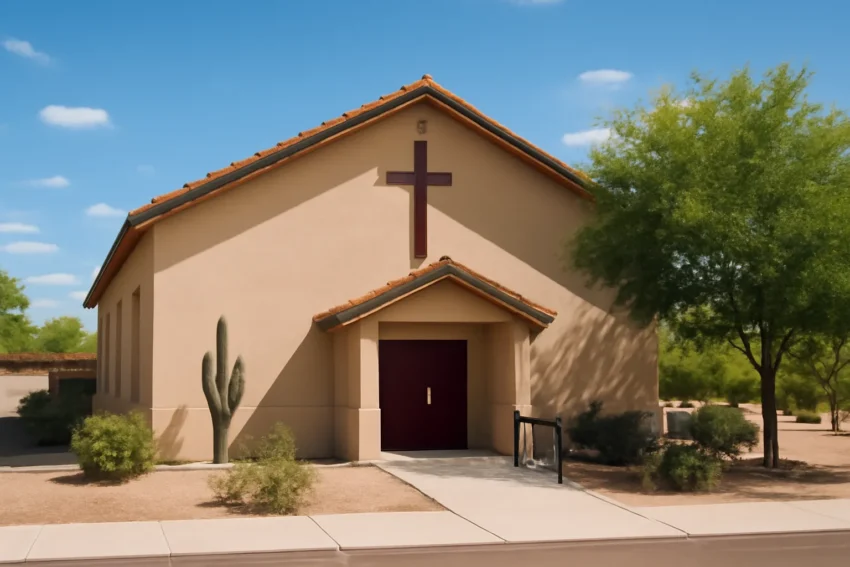
Rent in Tucson, AZ can be a major monthly expense, and for many families and individuals, unexpected hardship can threaten stable housing. Churches that help with rent in Tucson, AZ are part of a broader network of faith-based and community organizations that offer financial assistance to prevent eviction, cover arrears, or pay a portion of the monthly rent when a household is temporarily unable to meet its obligations. This article provides an in-depth look at how these faith-based programs work, where to find them in the Tucson area, what documentation you may need, and how to navigate the process to maximize your chances of receiving help. The goal is to equip residents with practical information, realistic expectations, and a clear path to other resources if primary options are unavailable.
What does rental assistance from churches look like in Tucson?
In Tucson, as in many communities, rental assistance provided by churches and faith-based groups is usually designed to address short-term emergencies and eviction prevention. These programs are often funded through church relief funds, partnerships with dioceses, synagogues, mosques, and regional interfaith coalitions, as well as private donations from congregants. The support can take several forms:
One-time emergency grants to cover overdue rent and prevent eviction.
Short-term rent subsidies to bridge a temporary income gap while a better-paying job is secured or while a housing plan is arranged.
Rent deposits or evictions-related fees that may be covered to facilitate housing stability, especially for families transitioning to safer or more affordable units.
Case management and budgeting advice offered alongside financial aid to help households maintain housing after relief is provided.
Referrals to additional resources such as utility assistance, food support, health services, or job training—recognizing that housing stability often hinges on multiple needs being met.
Because these programs are often funded by individual congregations or dioceses, availability and rules vary widely from one church to another. Some churches may partner with a regional organization to coordinate relief efforts; others may handle applications in-house. In practice, you may encounter:
Income and residency requirements that define who is eligible and where they must reside (the service area typically includes Tucson and surrounding city limits).
Documentation requirements that verify hardship, income, and housing status.
Time limits on assistance to ensure help goes to those most in need and that resources stay sustainable.
Structured follow-up support to help maintain housing after relief is provided.
Key faith-based and community organizations offering rent help in Tucson
While churches that help with rent in Tucson are not the only path to relief, several well-known faith-based and faith-adjacent organizations serve the Tucson area with emergency housing aid, financial assistance, and related services. The following organizations are commonly recommended resources for residents seeking eviction prevention and rent arrears relief:
Interfaith Community Services (ICS) – Tucson
Interfaith Community Services is a regional nonprofit that partners with multiple faith communities, charities, and government programs to address basic needs in the Tucson area. ICS often operates through a network of churches and congregations that participate in coordinated relief efforts. They may provide emergency financial assistance for rent, case management, and referrals to additional support services. If you are facing eviction or late rent, contacting ICS or a local partner church can connect you with resources designed to prevent housing loss.
Catholic Charities Diocese of Tucson
The Catholic Charities Diocese of Tucson is a long-standing arm of the Catholic Church that offers emergency financial assistance, including help with rent and utilities. Their programs typically emphasize eviction prevention, temporary shelter placement when needed, and connections to parish-based aid networks. Clients are evaluated for eligibility, and case managers can help identify related supports such as food assistance, counseling, or job services as part of a holistic approach to housing stability.
The Salvation Army operates in many communities as a faith-based human services organization with a focus on emergency assistance, homelessness prevention, and support services. In Tucson, their relief programs can cover rent arrears or eviction prevention for qualifying households. They often couple financial aid with practical help, such as budgeting guidance and referrals to other community resources.
Additional avenues and networks
Beyond these organizations, a number of faith-based coalitions and church networks work to coordinate relief for families at risk of losing housing. Some congregations maintain discretionary funds to assist neighbors in crisis, while others participate in regional or city-wide collaboratives that pool resources for rent assistance. If your local church does not advertise a dedicated rental relief program, you should still ask about any emergency funds, temporary help, or referrals they can offer. The approach varies widely, but the common thread is a community-centered response to housing insecurity grounded in compassion and neighbor helping neighbor.
Eligibility criteria and documentation you may encounter
Because programs run by churches and faith communities are often grant-based with limited funds, eligibility criteria are designed to prioritize those with the greatest need and to ensure fairness in distribution. While specific requirements vary by church and partner organization, you can expect the following common elements:
Proof of residency in the service area (Tucson, AZ, or a specific ZIP code).
Proof of hardship such as job loss, reduction in hours, medical emergency, or a sudden income disruption.
Past-due rent notice or eviction threat (if available) to establish urgency and need for intervention.
Identification for all household members and a lease agreement or housing contract.
Income information (current pay stubs, benefits letters, or an explanation of unemployment benefits) to show financial status and determine eligibility for limited funds.
Housing plan describing how relief will stabilize housing (e.g., catching up on arrears, sustaining ongoing rent, securing a job, or moving to more affordable housing).
Contact information for follow-up, and consent to share information with partner organizations to coordinate services.
In some cases, applicants may also be asked to demonstrate efforts to reduce costs (such as energy efficiency improvements or debt management) or to participate in financial counseling to ensure long-term stability. It’s common for faith-based programs to emphasize both short-term relief and long-term housing resilience.
The application process: a practical path to relief
Although each church or partner may tailor its process, most applications follow a similar path designed to assess need efficiently and fairly. Below is a practical, step-by-step guide to navigating the process when you’re seeking rent relief in Tucson:
Step 1: Determine eligibility and locate resources
Reach out to a local church, parish, synagogue, or interfaith organization to ask about rental assistance programs. If you are unsure where to start, contact Interfaith Community Services or the Catholic Charities Diocese of Tucson for guidance on faith-based options in your area.
Ask about eligibility criteria, required documentation, service area, and the amount of help typically available.
Inquire about waitlists or priority groups (for example, households with children, seniors, or individuals with disabilities) so you can plan accordingly.
Step 2: Gather required documentation
Proof of residency (lease, utility bill, or official mail with address).
Identification for all household members (driver’s license, state ID).
Documentation of hardship (unemployment benefits, layoff notice, medical bills, or other evidence of income disruption).
Lease agreement or housing contract showing the rent amount and rental period.
Proof of income (recent pay stubs, Social Security statements, food assistance, or unemployment documentation).
A brief explanation of your housing plan and what you hope to accomplish with the assistance.
Step 3: Submit the application and meet with a coordinator
Submit your materials as directed by the church or faith-based partner (in person, by email, or via an online portal).
Attend a case management meeting or intake appointment, where you’ll discuss your situation, review documents, and set expectations for the process.
Prepare for potential questions about housing history, job prospects, and steps you’re taking to avoid future late payments.
Receive a determination on whether you qualify and the amount of assistance available. If approved, coordinate with the church or organization to apply funds to rent or arrears.
Keep documentation of how funds are used and maintain communication with the program’s coordinator.
Take advantage of ongoing support services such as budgeting help, rental counseling, and job assistance that often accompany relief programs.
Step 5: Explore complementary resources if relief is not possible
Ask about referrals to other community resources, such as utility aid, food assistance, and housing counseling.
Check whether state or county programs—like emergency rental assistance or eviction protection services—are available to you.
Consider short-term housing options if staying in your current unit becomes untenable and explore long-term housing stability options.
What to expect: timelines, limits, and ongoing support
Understanding the practical realities of faith-based rental relief helps set expectations and reduces frustration during a stressful period. Here are some common factors to keep in mind:
Timeline: The processing time for rent relief can vary from a few days to several weeks, depending on the volume of requests, the complexity of cases, and the speed of document collection. Start the process as early as possible if you anticipate a late rent payment or eviction threat.
Funding limits: Many programs provide a one-time grant or a limited amount to cover arrears rather than a recurring subsidy. You may receive a portion of the total owed, with remaining balance addressed through other means.
Follow-up requirements: After relief is issued, you may be enrolled in budgeting or housing counseling programs to prevent future crises and to improve long-term housing stability.
Coordination with other services: Some programs coordinate with utility assistance, food aid, job training, and mental health services, recognizing that housing stability is interconnected with other needs.
Additional resources: government programs, nonprofits, and community aid
Faith-based groups are an important piece of the housing relief puzzle, but they are often complemented by government and nonprofit programs designed to reduce eviction risk and support renters. Here are several broader avenues to explore in Tucson and the surrounding area:
Emergency Rental Assistance (ERA) programs provided by state or county agencies and funded by federal sources. These programs help renters who are struggling due to the pandemic-era or ongoing financial hardship to cover arrears and sometimes ongoing rent for a short period.
County and city housing and human services departments, which often administer eviction prevention grants, shelter referrals, and rent-support partnerships with local nonprofits.
Nonprofit rental assistance organizations that operate in Tucson, including those connected with faith-based networks and secular charities, offering financial help, housing counseling, and household budgeting programs.
Utility assistance and energy programs that reduce monthly costs, helping households allocate more funds toward rent while maintaining essential services.
Housing counseling services that help families understand lease terms, negotiate with landlords, and create sustainable plans for staying in their homes.
When researching resources, use search terms such as “rental assistance Tucson AZ,”“eviction prevention Tucson churches,”“faith-based rent help in Tucson,” and “Tucson AZ church rent relief” to broaden semantic reach and locate a broad set of options. Remember to verify current contact information and hours of operation, since programs may change over time.
Tips for a successful request and maximizing your chances
Accessing financial assistance for rent through faith-based groups can be competitive. The following practical tips can improve your chances and reduce stress during the process:
Apply early when you see a financial shortfall or notice an eviction risk. Early outreach helps caseworkers assess need and allocate limited funds more effectively.
Prepare a concise household statement describing income, expenses, and the steps you are taking to regain stability. Clarity helps volunteers understand your situation quickly.
Be honest about your hardship and avoid exaggeration; honesty builds trust with relief providers and improves the likelihood of timely assistance.
Ask about additional resources and referrals that can support you beyond rent, such as job programs, budget coaching, and mental health services.
Maintain a record of all communications with the church, charity, or coordinator, including dates, names, and outcomes, to ensure accountability and track progress.
Living with housing insecurity: longer-term strategies
While faith-based organizations can provide critical emergency relief, longer-term stability often requires a broader strategy. Consider these approaches to reduce future risk and build resilience:
Budgeting and debt management guidance to align expenses with income and to create a sustainable plan for rent and utilities.
Income improvement strategies, including job search support, resume-writing help, and skill-building programs offered by community partners.
Housing search assistance for identifying more affordable housing options, including subsidies or income-based rental programs.
Legal rights awareness about eviction protections, tenant rights, and the process for resolving disputes with landlords.
Networking with faith-based and community groups that offer ongoing support, mentorship, and crisis prevention planning.
Common questions about churches and rent help in Tucson
Here are frequently asked questions that people often have when seeking rent assistance through churches in Tucson:
Do churches require religious affiliation? In most cases, church relief programs are open to the broader community regardless of religious affiliation, but some programs may prioritize members of their faith community or participants connected to partner congregations.
Can I apply if I don’t live in Tucson city limits? Some programs serve the surrounding areas and may include nearby towns or ZIP codes; check service area details with the provider.
Is this assistance recurring, or a one-time grant? Many programs offer a one-time grant to address arrears or a short-term subsidy, with the possibility of referrals for ongoing support or additional rounds if funds permit.
What if I am already in the middle of an eviction process? Earlier application improves outcomes, but many programs still review late-stage requests. Be upfront about the timing and the eviction status when you apply.
What documents should I prioritize gathering? Start with lease or housing contract, rent arrears notice, proof of hardship (unemployment, medical bills, etc.), and proof of income and residency.
How to find churches and faith-based rent relief in Tucson
If you’re beginning your search for churches that help with rent in Tucson, here are practical steps to locate options:
Visit the websites or call the main offices of Interfaith Community Services and Catholic Charities Diocese of Tucson to learn about faith-based partners and emergency rent programs.
Ask your current church or a nearby church about discretionary relief funds and eviction prevention programs; many congregations coordinate with larger networks to provide help beyond their own members.
Use a local directory or community resource guide that lists faith-based humanitarian programs and their contact information in the Tucson, AZ area.
Reach out to emergency housing hotlines or housing nonprofits affiliated with faith-based groups to discover immediate options and referrals.
What to do next if you don’t receive rent relief right away
Even when a church program cannot provide immediate relief, there are constructive steps you can take to protect your housing and reduce the risk of eviction:
Communicate proactively with your landlord about your situation. Many landlords appreciate honesty and are willing to work out a reasonable repayment plan if they’re informed early.
Seek alternate funding from other nonprofits, government programs, or local charities that may have available capacity.
Look into eviction prevention resources and legal aid through community organizations; some programs offer brief legal consultations to explain rights and responsibilities.
Consider short-term housing options or transitional support if staying in your current unit becomes unsustainable, while you pursue longer-term housing solutions.
Conclusion: building resilience through community and faith-based support
Rent relief through churches that help with rent in Tucson reflects a broader commitment in the Tucson, AZ community to neighbor-to-neighbor support during times of hardship. While each faith-based program has its own rules, processes, and funding limitations, the overarching goal is the same: to prevent eviction, stabilize housing, and connect families with tools and services that build lasting resilience. By understanding what these programs offer, what they require, and how to navigate the application process, residents facing rent challenges can access meaningful assistance without feeling overwhelmed. In tandem with government programs, nonprofit services, and community resources, faith-based rental relief contributes to a healthier, more stable city where homes are protected and families can focus on rebuilding their financial security.