Catholicism Forgiveness: A Guide to Mercy and Reconciliation
In Catholic understanding, forgiveness is not merely a momentary feeling or a private wish for relief from guilt. It is a profound act of God’s mercy that invites a person into reconciliation with God, with others, and with oneself. This guide explores how Catholicism frames forgiveness, the mechanisms by which believers obtain it, and the ongoing practice of mercy that shapes daily life. It also looks at common questions and practical steps for those seeking healing after spiritual wounds.
What forgiveness means in Catholic teaching
From the Catholic perspective, forgiveness is rooted in divine grace and expressed through the Church’s sacramental life. It involves both God’s initiative—His desire to restore the broken relationship caused by sin—and human response—repentance, faith, and acts of penance or amendment. The Catholic vocabulary around forgiveness includes several closely related terms, each highlighting a different facet of the same reality:
Forgiveness as God’s pardon of sin, freely granted through divine mercy.
Absolution as the priest’s act in the Sacrament of Reconciliation by which God’s forgiveness is communicated to the penitent.
Reconciliation as the restoration of measured communion with God and with the Church community.
Mercy as God’s compassion that moves Him to forgive and heal.
Contrition and repentance as the interior disposition necessary to receive forgiveness.
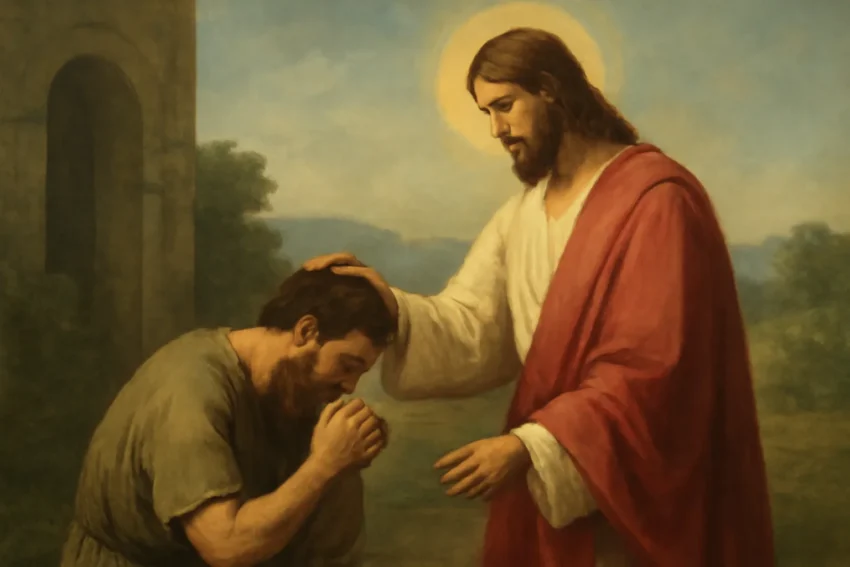
Central to Catholic teaching is the belief that Jesus Christ is the source and mediator of forgiveness. Through His life, death, and resurrection, humanity is offered reconciliation with God. The Church proclaims this mercy, makes it present in the sacraments, and invites believers to cooperate with grace in a continual movement toward holiness. Forgiveness in Catholicism is not a one-time event but a process of ongoing conversion that shapes a person’s choices, attitudes, and relationships.
The Sacrament of Reconciliation: a structured path to forgiveness
The Sacrament of Reconciliation, also known as Confession or Penance, is the primary means by which Catholics receive the forgiveness of sins committed after baptism. It is a sacrament of healing that emphasizes both the forgiveness granted by God and the responsibility of the penitent to turn away from sin and toward God in daily life.
What is this sacrament about?
In the Reconciliation, a priest acts in moral and liturgical solidarity with Christ to administer absolution. The rite typically includes an examination of conscience, an expression of contrition, confession of sins, a request for forgiveness, the pronouncement of absolution, and the assignment of penance.
Who can receive it and when?
All baptized Catholics who have reached the age of reason (generally around seven years old) may receive the sacrament. It is appropriate to approach the sacrament for the forgiveness of mortal sins and, for most Catholics, also for the healing of venial sins. The Church encourages regular confession as a spiritual discipline, while recognizing that Catholics are called to repentance at various stages of life, especially after grave sin or when conscience is troubled.
The experience of Confession is not merely a checklist but a conversion encounter. Typical elements include:
Examination of conscience — reflecting on how one has lived in light of God’s commandments and the Gospel, looking for sins and patterns that impede love of God and neighbor.
Sincere contrition — a heartfelt sorrow for sin, born of love for God and desire to turn away from what offends Him.
Confession of sins — honestly naming one’s sins to the priest, without undue pride or minimalism, in order to receive guidance and healing.
Resolution and amendment — a firm purpose of avoiding sin in the future and growing in virtue.
Absolution — the priest, speaking in the person of Christ, declares God’s forgiveness and reconciles the penitent with the Church.
Penance — a prayer or a good work assigned by the priest to express repentance and restore balance in the soul.
After receiving absolution, Catholics are invited to complete the prescribed penance with humility and perseverance. The penance helps to repair the consequences of sin and to cultivate a spirit of ongoing conversion.
Examination of conscience and preparation
Preparation for Reconciliation relies on a careful examination of conscience that considers how well one has lived in friendship with God and neighbor. Practical tools include:
Reviewing the Ten Commandments and the Beatitudes as benchmarks for moral life.
Reflecting on specific relational harms (to God, others, and one’s own integrity).
Listening to the promptings of the Holy Spirit and seeking guidance through Scripture, prayer, and spiritual direction when available.
Regular reconciliation fosters spiritual growth by maintaining a humble posture before God and embracing mercy as a way of life.
Mortality, veniality, and forgiveness: a moral grammar
Catholic teaching distinguishes between different kinds of sin, which affects how forgiveness is sought and granted. The two primary categories are mortal sin and venial sin.
Mortal sin: what it is and what it requires
A mortal sin destroys, in a grave way, the life of grace within the soul. For a sin to be mortal, three conditions must be present at the moment it is committed:
The act must involve grave matter—something seriously wrong in light of God’s law.
There must be full knowledge that the act is gravely wrong.
The deliberate and conscious consent of the will.
If these conditions are present, the person commits mortal sin and, without repentance and absolution, remains separated from God. The path to forgiveness after mortal sin involves sincere contrition, confession, and absolution in the Sacrament of Reconciliation, followed by a life of penance and continued conversion.
Venial sin: less grave, still serious
Venial sins do not cut off God’s grace as completely as mortal sins but harm the relationship with God and weaken the person’s capacity to love. Forgiveness for venial sins is ordinarily obtained through various means such as:
Prayer, particularly acts of contrition
Participation in the Mass and reception of the Eucharist (when not conscious of mortal sin)
Acts of charity and almsgiving
Acts of repentance and sincere amendment
Even for venial sins, regular practice of confession is encouraged, not simply to “check a box,” but to nurture ongoing conversion and to grow in virtue.
Forgiveness in Catholicism requires interior disposition. The Catholic tradition distinguishes between two main forms of contrition: perfect contrition and imperfect contrition.
Perfect contrition arises from a love of God above all else, with remorse for sin because it offends the divine goodness. It is a powerful motive for turning away from sin even before receiving sacramental absolution. While perfect contrition can move a person toward reconciliation, the Church still teaches that the ordinary means of forgiveness for sins already committed is the Sacrament of Reconciliation with confession and absolution.
Imperfect contrition
Imperfect contrition (also called attrition) is contrition born out of fear of punishment or concern for the consequences of sin. It remains a valid disposition to seek forgiveness because it expresses sincere sorrow and a firm purpose of amendment, and it anticipates the grace of reconciliation through confession.
Forgiveness for others and the call to mercy
One of the most distinctive aspects of Catholic spirituality is the relational dimension of forgiveness. Catholics are called to imitate God’s mercy by extending forgiveness to others, even when reconciliation is difficult. This is not a mere sentiment but a virtue that seeks unity, justice, and the healing of wounded friendships. Practical aspects include:
Praying for those who have harmed us and asking God for the grace to forgive.
Resolving to forgive, distinct from condoning harm, and seeking healthy boundaries when necessary.
Seeking reconciliation when possible, while acknowledging that some relationships may require time or prudence.
Practicing mercy through acts of charity, forgiveness of debts, and peaceful conflict resolution.
The Christian call to forgiveness is grounded in Jesus’ teaching, especially the Lord’s Prayer’s petition for forgiveness “as we forgive others.” In Catholic life, forgiveness is thus a communal measure that helps rebuild trust and restore harmony within families, parishes, and wider society.
Forgiveness outside the Sacrament: God’s mercy in broader life
While the Sacrament of Reconciliation is central, Catholicism also recognizes God’s mercy outside of the priestly ministry. Catholics can experience forgiveness and healing through prayer, the sacraments, and virtuous living, including but not limited to:
Prayer for forgiveness, such as the Act of Contrition or other sincere prayers
Participation in the Eucharist, which nourishes grace and fosters unity with Christ
Acts of penance, fasting, and almsgiving as expressions of repentance
Spiritual direction and guidance from pastors or lay mentors to discern God’s will
Historically, the Catholic Church also teaches that indulgences may remit temporal punishment due to sin, under certain conditions. This is a nuanced topic that requires careful learning from reliable catechetical sources and a discerning conscience guided by a priest or spiritual director. The important point for most Catholic believers is that forgiveness is ultimately about restoring communion with God and with the Church.
The Church and the priest: ministers of mercy
The Church teaches that the priest acts in persona Christi—in the person of Christ—during the Sacrament of Reconciliation. The priest’s role is twofold: to hear the confession with pastoral care and to pronounce absolution. Beyond the sacramental act, priests and bishops shepherd the faithful by preaching the Gospel of mercy, guiding conscience, and offering pastoral care for those burdened by sin. In addition, the community of believers—priests, religious, and lay ministers—plays a vital role in creating environments of forgiveness, where people can confess, heal, and grow in virtue.
Frequently asked questions and common misconceptions
Does forgiveness erase consequences?
God’s forgiveness heals the guilt of sin, but it does not automatically erase all earthly consequences or repair every harm. Forgiveness reconciles the sinner with God and, often through the grace given in the sacrament, with the Church and with others. The moral, social, and personal consequences of sin may require restitution, apology, and ongoing reform of life.
For sins committed after baptism that are mortal, the ordinary path to forgiveness involves confession and absolution in the Sacrament of Reconciliation. In cases of grave necessity or danger of death, perfect contrition with the intention to confess as soon as possible may suffice for forgiveness, but the sacrament remains the standard way to receive healing and grace for post-baptism sins when feasible.
What if I sin again after absolution?
Catholic teaching acknowledges that sin can recur. The Church encourages penitents to keep returning to the Sacrament of Reconciliation, to persevere in grace, and to seek stronger formation in virtue. Repeated sins can point to areas where ongoing spiritual growth, prayer, accountability, or professional pastoral guidance may be necessary.
Is forgiveness the same as “letting someone off the hook”?
Forgiveness in Catholicism is not a license to ignore harm or injustice. It is a process of healing that involves truth-telling, accountability, and the pursuit of justice in a manner consistent with charity. True forgiveness seeks the good of all involved and aims at restoring healthy and respectful relationships wherever possible.
Forgiveness in daily life: integrating mercy into everyday spirituality
Forgiveness in Catholicism is not reserved for formal liturgical occasions. It is a daily spirituality that shapes how believers live, think, and relate to others. Practical practices include:
Beginning and ending each day with prayer, inviting God’s mercy and grace.
Regular self-examination to identify patterns that keep one from loving God and neighbor.
Seeking reconciliation after misunderstandings or conflicts, even when apologies are difficult.
Engaging in acts of mercy—charity, forgiveness, and support for those in need—as concrete expressions of faith.
Participating in parish life and forming friendships that encourage virtue and accountability.
In this way, the Catholic practice of forgiveness becomes a lived reality—an ongoing conversion from a self-centered life to one that radiates God’s mercy to the world. The vocabulary of mercy—“forgiveness,” “reconciliation,” “mercy,” and “penance”—becomes the language by which believers describe their ongoing transformation.
Conclusion: mercy as a lifelong journey
Ultimately, Catholicism forgiveness is more than a single act; it is a lifelong journey toward sanctity. It begins with a recognition of God’s boundless mercy, continues through the Sacrament of Reconciliation, and bears fruit in a life of daily conversion. The Church’s teaching invites every believer to:
Approach God with humble contrition and trust in His love.
Receive absolution through the sacramental life and participate in the Penitential rite of the community.
Offer forgiveness to others, creating communities of healing and peace.
Grow in virtue through prayer, fasting, charitable action, and ongoing formation.
Seize opportunities for reconciliation in broken relationships, strengthening the fabric of families, parishes, and societies.
In a world marked by conflict, hurt, and misunderstanding, Catholic teaching on forgiveness offers a robust and hopeful pathway. It centers on a God who desires to heal, a Church that continues Christ’s work of mercy, and believers who respond with repentance, trust, and courageous acts of love. By embracing the full spectrum of forgiveness—divine pardon, sacramental grace, and the everyday practice of mercy—Catholics participate in the great work of reconciliation that God began in Christ and sustains through the Spirit.