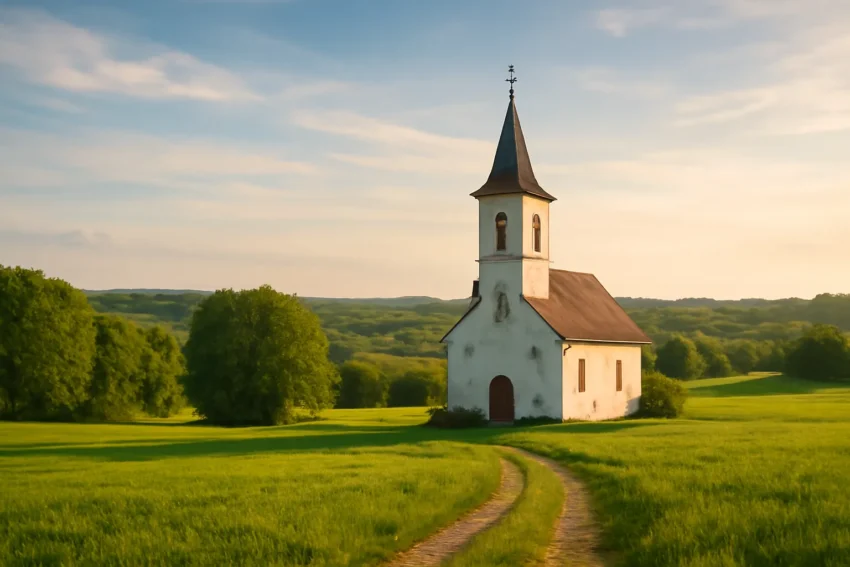
Church campuses are more than places of worship; they are public spaces that reflect the values, history, and mission of a faith community. The way a church grounds landscape is designed, maintained, and activated can influence mission outcomes, accessibility, safety, stewardship, and the overall experience of visitors and congregants. In today’s evolving ecclesial landscape, the emphasis on reverent outdoor spaces, sustainable stewardship, and welcoming, inclusive design has grown to become a foundational consideration for pastors, lay leaders, facilities teams, and volunteers alike. This article explores trends, best practices, and practical steps for shaping a landscape that honors the sacred, serves the community, and remains resilient through changing seasons and budgets.
Overview: What We Mean by the Church Grounds Landscape
The church grounds landscape goes beyond lawn maintenance. It encompasses every outdoor element that contributes to beauty, functionality, and spiritual experience. Core components typically include:
Entrance approaches and principale paths that guide visitors toward the main doors or gathering spaces.
Outdoor worship areas, prayer gardens, and contemplative spaces for reflection.
Play and family spaces that support intergenerational ministry and safe, supervised activity.
Circulation networks (pedestrian walkways, drive aisles, parking lots) that balance accessibility with aesthetics.
Plantings, lawns, and habitats that provide seasonal color, texture, and ecological value.
Hardscape elements such as seating, walls, memorials, water features, lighting, and signage.
Maintenance and stewardship systems— irrigation, drainage, sustainability measures, and safety protocols.
In practice, many churches refer to this as the parish grounds landscape, campus landscape, or ecclesiastical landscape. Regardless of terminology, the aim is consistent: create spaces that support worship, community connection, and responsible care for the land.
Trends Shaping the Church Grounds Landscape
Across communities, certain shifts are redefining how church grounds are planned and managed. Below are some of the most influential trends, each with implications for design, operations, and long-term resilience.
Multifunctional Outdoor Spaces
Modern church landscapes increasingly combine functions to maximize value. A single outdoor zone may serve as a quiet prayer garden, a courtyard for informal gatherings after worship, a venue for outdoor concerts, and a potential site for seasonal markets or community events. The multifunctional approach helps justify capital investments and improves utilization of space throughout the week.
Accessibility and Inclusive Design
Greater emphasis on ADA compliance and user-friendly pathways ensures that every person, regardless of mobility, can access outdoor spaces with dignity. Tactile signage, gentle grades, clear sightlines, and seating arrangements that accommodate families, seniors, and people with disabilities are now standard expectations for church landscapes.
Ecological Stewardship and Resilience
Many congregations are adopting native plant palettes, pollinator habitats, and water-wise irrigation practices to bolster biodiversity and reduce maintenance costs. The growing field of stormwater management— including rain gardens and permeable paving— helps manage runoff, protect local streams, and demonstrate environmental values to the community.
Memorialization with Meaning
Outdoor spaces are often used to honor loved ones through memorial gardens, engraved benches, and thoughtfully placed trees. The design challenge is to create sites that are contemplative, durable, and integrated with the broader landscape rather than isolated or ceremonial only.
Technology-Enabled Maintenance
Automated irrigation, soil sensors, and weather-linked scheduling are becoming more accessible to churches. The smart landscape approach reduces waste, preserves resources, and frees volunteer time for other ministry tasks.
Cultural and Community Programming
Outdoor spaces are increasingly designed to host community programming—concerts, lectures, interfaith events, and youth activities—while preserving the sanctity and quietude needed for worship. The landscape thus acts as a venue, a stage, and a sanctuary all at once.
Design Principles for Reverent and Functional Outdoor Spaces
When designing the external environment around a church, several core principles help ensure that the landscape remains reverent, functional, and sustainable.
1. Align with Mission and Identity
Every design decision should echo the congregation’s mission, theology, and historical context. The church grounds landscape ought to tell a cohesive story—respecting tradition while welcoming contemporary needs. Elements such as focal trees, stonework, and the rhythm of plantings can reinforce values like hospitality, stewardship, and care for creation.
2. Prioritize Circulation and Accessibility
Thoughtful circulation design ensures that guests intuitively find their way from parking lots to entrances and from worship spaces to outdoor gathering areas. Consider clearly defined routes, adequate lighting, non-slip surfaces, and restful seating along pathways to accommodate rest, conversation, and supervision of children.
Strategically divide the grounds into zones that accommodate worship, reflection, play, and learning. A typical layout might include a quiet garden, an amphitheater for small gatherings, and an open lawn for seasonal events, with sightlines that maintain a sense of sanctuary even in active spaces.
4. Embrace Native and Low-Water Plantings
Shift toward native plantings and drought-tolerant species where feasible to reduce irrigation needs and support local wildlife. A well-planned plant palette offers color and texture across seasons while keeping maintenance reasonable.
5. Focus on Safety, Maintenance, and Longevity
Durable materials, robust seating, and long-lasting edging prevent frequent repairs. Plan for predictable maintenance cycles, safe lighting, and winter-ready features to ensure the grounds remain welcoming year-round.
6. Integrate Memorial and Memorialization with Care
When commemorating loved ones, use design language that is serene, timeless, and integrated with the landscape. Benches, engraved stones, and grove plantings should be positioned to honor memories without becoming cluttered or misaligned with worship spaces.
7. Plan for Seasonal Rhythm
Seasonal color changes, shade in summer, and windbreaks in winter contribute to comfort and visual interest. A thoughtful seasonal strategy improves the curb appeal and the overall experience for visitors across the year.
Sustainability, Stewardship, and Environmental Considerations
Beyond aesthetics, the landscape surrounding a church is a platform for stewardship and environmental witness. The following considerations help align grounds management with values around care for creation, resource efficiency, and community health.
Water conservation through efficient irrigation, rainwater harvesting, and soil improvements to reduce evaporation and runoff.
Pollinator-friendly practices by planting nectar-rich species and providing shelter for birds and beneficial insects.
Soil health through composting, mulch layers, and minimal chemical inputs to protect groundwater and plant vigor.
Resilience planning for severe weather, flood risk, and climate variability, including suitable plant selection and drainage improvements.
Energy considerations with outdoor lighting that minimizes light pollution while maintaining safety and ambiance.
Biodiversity preservation by creating microhabitats and avoiding monocultures in planting schemes.
Implementation requires a holistic approach, including community input, a clear maintenance plan, and a phased timeline. A well-executed sustainability strategy not only reduces operating costs but also communicates a tangible commitment to stewardship of God’s creation, which resonates with many congregants and visitors.
Planting Schemes and Habitat Creation
The plant palette for a church grounds landscape should balance beauty, maintenance, and ecological value. Thoughtful planting schemes contribute to year-round interest and provide habitat for local fauna, while reflecting the character of the sacred space.
Native Plants and Adapted Selections
Native species typically require less irrigation and maintenance and support local wildlife. An effective plan might include a layered approach with groundcovers, mid-height shrubs, and canopy trees, designed to minimize lawn areas that demand high water input.
Pollinator Corridors and Habitat Gardens
Pollinator-friendly zones attract bees, butterflies, and other beneficial insects that improve the overall health of the landscape. These can be integrated near education spaces or community gardens to illustrate stewardship in action.
Seasonal Interest and Color Story
While sacred spaces favor quiet beauty, a well-designed palette can provide seasonal color and texture. Consider a balance of evergreens for winter structure, spring bloomers for renewal symbolism, and fall foliage for contemplation. The seasonal rhythm of the grounds should feel intentional rather than accidental.
Maintenance-Driven Planting Choices
Plantings should be selected with maintenance in mind. Choose cultivars that fit the local climate, resist common pests with minimal intervention, and are appropriate for the site’s microclimates (sun, shade, wind exposure). Low-maintenance design reduces volunteer fatigue and ensures long-term success.
Hardscape and Infrastructure
Hardscape elements—paths, seating, walls, and water features—anchor the landscape and shape how people move through and experience the space. Durable, safe, and aesthetically resonant materials are essential for long-term performance.
Paving materials should provide slip resistance, accessibility, and visual harmony with the architecture. Options include permeable pavers, stamped concrete, and natural stone depending on budget and site conditions.
Seating and gathering zones must be comfortable, durable, and appropriately sited for sun exposure, shade, and wind protection.
Water features such as gentle fountains or rain gardens can create contemplative focal points while serving practical drainage or irrigation needs.
Lighting enhances safety and atmosphere without overpowering the sacred ambiance. Layers of light at entrances, steps, and focal points are recommended.
Wayfinding signage should be clear, respectful in tone, and consistent with the campus’s branding and materials.
Memorial elements should be integrated with the landscape through durable materials and thoughtful placement to honor memory without dominating the space.
Accessibility, Inclusion, and Safety
A welcoming grounds landscape is accessible to all and safe for diverse activities. The design process should incorporate inclusive practices from the outset, with ongoing evaluation and updates as needed.
Elevations and gradients kept at or below ADA limits where possible, with alternatives such as ramps and switchbacks that blend with the landscape.
Pathway surfaces that are slip-resistant, well-drained, and clearly defined by lighting and color contrast.
Seating variety—benches, stooled seating, and accessible arrangements—distributed throughout spaces to accommodate individuals and groups.
Signage and wayfinding designed with large, high-contrast type and tactile elements for those with visual impairments.
Safety planning including sightlines from common gathering points, outdoor security considerations, and clear emergency access routes.
Inclusion extends to programming as well. Outdoor spaces should support a range of activities—quiet prayer, civic gatherings, youth programs, and interfaith events—without sacrificing the sense of sacred space that defines a church campus.
Outdoor Worship Space Design
Outdoor worship areas are a growing norm for churches seeking flexible, accessible, and meaningful environments. Design considerations focus on acoustics, sightlines, spirituality, and comfort.
Acoustics and sound management in open-air venues, including distance from the main building, soft landscaping to dampen echoes, and options for portable sound equipment that respects neighbors and the ambiance.
Seating arrangements that support communal participation—semi-circular or auditorium-style layouts with options for shade and weather protection.
Weather protection through canopies, pergolas, or shade structures that invite year-round use while preserving a sense of openness.
Focal points such as an altar, cross, or statue that serve as visual anchors while blending with the natural setting.
Wind and weather considerations for comfort and safety, including plant screens that break harsh winds or provide microclimates for outdoor gatherings.
When designing these spaces, planners should work closely with clergy and musicians to align outdoor rituals with the pace and mood of worship, ensuring that the environment enhances rather than complicates ceremony.
Below are representative scenarios that illustrate how different congregations might approach landscape planning, based on site conditions, budget, and mission.
Urban parish with limited space: A compact campus uses a layered courtyard with a central lawn, a shaded meditation garden, and a pollinator border along the boundary. Features include permeable paving, a small rain garden for runoff, and a path network that connects parking with entrances while preserving open sightlines to the sanctuary. A modular outdoor altar allows worship services in good weather, while evening lighting creates a serene glow for vigils.
Rural church serving a diverse community: The landscape emphasizes expansive lawns for outdoor gatherings, a windbreak composed of native trees, and a learning garden used by Sunday school and youth programs. Accessible routes connect classrooms to the outdoors, and a memorial grove provides a peaceful space for remembrance. The design integrates a small amphitheater for lectures and concerts, with native plantings chosen for low maintenance.
Suburban church focused on stewardship: Emphasis on sustainability features such as a rain garden, bioswale, and solar-powered lighting. The grounds include a community garden with plots for parishioners and a children’s garden that teaches ecology and service. A series of quiet pockets—prayer nooks, bench clusters, and a herbal border—offers contemplative spaces as well as spaces for casual conversation after services.
Each case demonstrates how thoughtful planning integrates spiritual intent with practical function, ecological responsibility, and community identity.
Planning, Budgeting, and Project Management
Turning a vision for church grounds landscape into reality requires a structured approach that balances faith, community input, and financial realities. The following framework helps churches manage expectations and deliver durable results.
Assessment and visioning: Conduct site analysis (topography, soils, drainage, microclimates) and gather stakeholder input to articulate a shared vision that ties to mission and worship life.
Master plan development: Create a long-range plan that outlines zones, plant palettes, infrastructure upgrades, and phased milestones. Include spaces for worship, education, and community life.
Phasing and priorities: Prioritize elements with the highest impact on safety, accessibility, and mission delivery. Plan in phases to align with fundraising and volunteer capacity.
Budgeting and cost estimating: Develop itemized budgets for design, construction, planting, irrigation, and ongoing maintenance. Include contingency funds for weather delays and unforeseen site conditions.
Funding strategies: Explore a mix of capital campaigns, grants, in-kind donations, and volunteer-driven labor. Emphasize the value proposition of improved accessibility and community service.
Design development: Engage landscape architects and horticulturists to develop detailed drawings, plant lists, and specification sheets for materials and installation methods.
Construction and installation: Establish a clear schedule, site safety plan, and communication protocol with contractors and volunteers to minimize disruption to ongoing church activities.
Commissioning and handover: Test irrigation and drainage, inspect for safety, educate staff and volunteers on maintenance routines, and finalize as-builts and manuals.
Communication is essential at every step. Regular updates to the congregation, transparent budgeting, and inclusive feedback loops help ensure broad buy-in and stewardship aligned with the church’s ethos.
Maintenance, Operations, and Stewardship Programs
A landscape for a church is most effective when paired with a robust maintenance plan and a culture of stewardship. The community benefits from predictable routines, clear responsibilities, and timely documentation.
Maintenance schedules for mowing, pruning, weed control, irrigation checks, and seasonal cleanups to keep the grounds inviting and safe.
Irrigation management with calibrated schedules by zone, soil moisture monitoring, and seasonal adjustments to reduce water use.
Volunteer engagement through a landscape team, school partnerships, and service days that align with ministry calendars and educational programs.
Safety protocols including regular inspections of hardscape, lighting, and play areas, with a clear reporting process for hazards.
Seasonal programming to leverage outdoor spaces for ministry activities, picnics after services, and community outreach events while preserving the sacred spaces for worship.
Record-keeping and documentation of plant inventories, maintenance logs, and improvements to support continuity across leadership transitions and volunteer cycles.
To maximize impact, many churches appoint a landscape steward or committee that meets quarterly to review progress, adjust priorities, and coordinate with facilities, finance, and worship teams.
Policy, Governance, and Compliance
Grounds management intersects with safety, accessibility, environmental regulations, and risk management. Clear governance helps ensure compliance and accountability while supporting the church’s mission.
Accessibility standards must conform to local regulations and best practices, ensuring pathways, seating, and facilities are usable by all.
Insurance and risk management measures cover outdoor events, maintenance activities, and potential liabilities related to play areas and outdoor gatherings.
Environmental compliance includes pesticide use, water rights, and stormwater management practices in line with local laws and church values.
Design and branding guidelines help maintain a cohesive aesthetic across pathways, signage, and hardscape materials, reinforcing the church’s identity.
Community relations policies address noise, event scheduling, and shared-use programs to minimize disruption for neighbors and improve goodwill.
Effective governance requires involvement from clergy, church administrators, lay leaders, and facilities staff. Transparency in decision-making and a clear maintenance schedule support long-term success and reduce the risk of costly, reactive fixes.
Case for a Holistic, Long-Term Perspective
Building a thriving church grounds landscape is a journey rather than a single project. The strongest campuses demonstrate coherence across beauty, function, sustainability, and spiritual vitality. By investing in thoughtful planning, inclusive design, and steady stewardship, congregations create outdoor spaces that:
Deepen worship by providing contemplative and accessible places for prayer and reflection outside the building.
Foster community through inviting gathering spaces that support fellowship, education, and service projects.
Honor creation through water-wise plantings, native habitats, and renewable-energy-backed infrastructure.
Support education with gardens and outdoor classrooms that reinforce faith formation and environmental literacy.
Demonstrate stewardship by modeling responsible land management and prudent use of resources for current and future generations.
In practice, the best church landscapes balance reverence for sacred spaces with the practical needs of a dynamic, multi-generational community. They are designed to be adaptable—capable of hosting a quiet moment before a service, a family picnic after a wedding, or a school field trip focused on environmental stewardship.
Variations in Approach: Tailoring to Context
Every congregation operates within a unique context—urban or rural, historic or contemporary architecture, large or small budgets, and diverse ministries. The landscape strategy should reflect these realities. Some guiding questions include:
What are the most heavily used outdoor spaces, and when are they busy? How can design reduce congestion and improve safety?
What environmental conditions (climate, soils, water availability) dictate plant choices and irrigation needs?
How can outdoor spaces support ongoing ministry goals, such as youth programs, hospitality, or interfaith outreach?
What is the level of volunteer capacity for maintenance, and how can the plan accommodate ongoing engagement without overburdening volunteers?
What is the expected lifespan of major elements, and how does this influence budgeting and phasing?
Flexibility is a hallmark of a resilient campus landscape. A smart plan anticipates changes in congregation size, staffing, and program emphasis, ensuring that outdoor spaces remain relevant and inviting for decades to come.
Conclusion: The Future of Church Grounds Landscape
As churches continue to serve as community anchors, their grounds landscapes will increasingly function as living classrooms, places of solace, and hubs for hospitality. The best practice approach blends spiritual intention, environmental responsibility, and practical stewardship to create outdoor environments that nurture faith, foster fellowship, and protect the natural world. By embracing trends such as multifunctional spaces, inclusive design, and sustainable infrastructure, congregations can extend their mission beyond the walls of the sanctuary and into the surrounding landscape. The result is a church campus that is not only beautiful and welcoming but also a powerful testament to care for creation, neighbor, and future generations.
In short, the landscape of a church is an expression of its theology in action. It is a place where beauty meets duty, where memory meets function, and where the community gathers to reflect, learn, and serve. A thoughtful church grounds landscape plan—well grounded in mission, stewardship, and inclusivity—transforms outdoor spaces from mere scenery into a living extension of ministry.