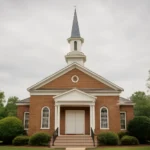
The Columbia South Carolina Temple is a regional house of worship for members of The Church of Jesus Christ of Latter-day Saints (LDS) in the South Carolina area and neighboring regions. Temples hold a special place in Mormon practice, serving as sacred houses where certain ordinances and covenants are performed by members who hold required temple recommends. While regular church meetings occur in chapels and stake centers, the Columbia temple represents a higher level of spiritual preparation and service. In everyday language, you may hear it referred to as the Columbia LDS temple, the Columbia temple complex, or simply the Columbia, SC temple.
This article provides a practical guide to visiting, understanding the hours and access policies, and navigating the campus around the temple. Whether you are a member planning to attend an ordinance session, a visitor curious about the campus, or a local resident seeking public information, you will find detailed guidance here. Throughout the article you’ll encounter variations of the temple’s name—such as the Columbia Temple, South Carolina temple in Columbia, and the SC Columbia LDS temple—to reflect common usage while keeping the focus on accurate visitor information.
What is a temple and what makes the Columbia SC temple unique?
A temple is not a regular meetinghouse; it is a sacred space dedicated specifically to ordinances such as sealings, endowments, and baptisms for the dead. Only members who hold a current temple recommend—an endorsement granted after approved interviews and preparation—may enter the inner rooms for these ordinances. Outside the temple itself, many temples maintain a visitor center and landscaped grounds that welcome the public and offer educational exhibits about the faith, history, and beliefs of Latter-day Saints.
In the Columbia area, the temple campus generally includes thoughtfully designed grounds, a dedicated temple building, and a nearby visitor center or interpretive displays. The grounds and the visitor center are often accessible to the public, offering a calm environment in which people can learn, reflect, and appreciate the aesthetic and spiritual intention of the site. Visitors should know that the sensitive, sacred spaces inside the temple are reserved for those with temple credentials.
History and development (contextual background)
The decision to build a temple in the Columbia region reflects the regional growth of the LDS Church and its ongoing program to provide temple access to members across the United States. While dates and milestones may be updated as the project progresses, the underlying principle remains consistent: the temple serves as a symbolic cornerstone for spiritual service, family history work, and eternal covenants. The campus around the temple is designed to support both reverence inside the house of the Lord and educational experiences outside it.
For visitors, it’s helpful to recognize that open house events are commonly held prior to the temple’s dedication, during which non-member guests may tour the interior under guided supervision. After dedication, access is limited to temple recommends, and the public experience shifts primarily to the grounds and any associated visitor center activities. Always check the official temple page for current status updates and dates related to open houses or special events.
The Columbia temple campus is designed to harmonize with its surroundings, combining functional space with a sense of quiet contemplation. Common elements you may encounter in the broader temple complex (consistent with many LDS temples) include:
Symbolic architecture and spire elements that foster a sense of place and purpose.
Well-kept grounds featuring paths, lawns, and shade trees suitable for reflection.
Exterior lighting that enhances safety and ambiance during evening visits near the grounds.
Visitor-oriented facilities such as a nearby center, exhibits, or informational displays outside the temple boundary.
While interior details of the temple are reserved for those with authorization, guests can often appreciate the exterior architecture, landscape design, and the tranquil environment surrounding the site. If you are exploring the campus with children or students, you may want to use the public hours to discuss the purpose of temples, temple etiquette, and the role of sacred spaces in religious life.
Visitor Center and public access: what to expect
In many temple complexes, the visitor center serves as an educational hub that is open to the public. It typically features:
Short, informative exhibits about beliefs, family history, and missionary work.
Guided tours or staff-led demonstrations that help non-members understand temple practices in a respectful context.
Q&A opportunities for visitors to ask questions and learn in a welcoming environment.
Resource materials, maps, and informational brochures for planning future visits.
Public access to the grounds around the Columbia temple is generally available, subject to safety and security guidelines. Visitors should be mindful of quiet zones and signage that indicate restricted areas. If you plan to visit with a group, you may want to contact the temple or the visitor center in advance to confirm hours and any requirements.
Hours, access, and how to plan a visit
Because temple operating schedules can change due to events, renovations, and regional planning, it is essential to verify hours with official sources before your trip. The Columbia SC temple schedule and visitor center hours are typically posted on the church’s official temple page, which is updated by regional church leadership.
Public access hours and open house considerations
During permissible public periods—such as an open house before dedication—the temple might offer guided or self-guided tours for the general public. Expect:
Limited days and times, announced in advance.
Supervised access with clear guidelines about photography, video, and behavior.
Opportunities to learn about temple ordinances in an educational setting outside the sacred rooms.
Outside these periods, interior access is restricted to those with a temple recommend. The grounds and the visitor center, when available, remain the primary public contact points.
Temple access for members with a recommend
For members who hold a current temple recommend, the Columbia temple schedule will include times for:
Ordinance sessions (such as endowments and sealings) scheduled by temple presidents.
Personal or family history work conducted under temple supervision.
Instruction and guidance from temple workers or leaders when preparing for ordinances.
If you hold a temple recommend, you should follow your stake or ward instructions for scheduling appointments, which helps distribute access opportunities and maintains respectful conditions inside the house of the Lord.
Practical guidance for planning your visit
Whether you are visiting as a member or as a curious guest, planning ahead improves the experience. Use these practical tips to prepare for a thoughtful, respectful visit to the Columbia temple campus.
Verify hours and open house dates on the official temple page for the Columbia temple or the church’s temple locator.
Dress modestly and respectfully when visiting public areas; for visitors, this means avoiding revealing or casual attire in common areas and keeping shoulders and knees covered in indoor spaces where required.
Photography policy varies by location and by area within the temple complex; inside the temple building, photography is typically restricted or prohibited. Outside, you may photograph exterior architecture according to posted guidelines.
Quiet and reverence is expected in all temple-adjacent spaces. Keep voices low, silence cell phones, and follow posted signs and staff directions.
Parking and accessibility are usually addressed on the temple’s page; many sites provide accessible parking, drop-off areas, and ramped entry where necessary.
Bring needed documentation if visiting any public exhibits or center areas; some programs require advance registration or a free ticket in limited cases.
Group visits can be arranged through the visitor center or temple staff; larger groups may be asked to schedule to ensure a smooth experience for everyone.
What to expect for non-members and first-time visitors
If you are not a member and you visit during a public phase, you will typically access only the grounds and the visitor center (or other designated public spaces). The experience is designed to be welcoming and educational, with clear explanations of beliefs and practices without requiring participation in sacred ordinances.
For families and individuals exploring spiritual history, the visitor center experience often highlights:
Overview of temples’ role in eternal family covenants.
Historical context about the development of temple worship within the LDS tradition.
Demonstrations or media displays illustrating missionary work, genealogy, and temple-related beliefs.
If you plan to visit with children or students, consider a short pre-visit briefing to explain the purpose of temples, appropriate behavior, and what your group can expect to see. Engaging with staff at the visitor center can enrich the experience and help answer questions in a respectful setting.
Accessibility, security, and safety considerations
The safety and security of all visitors are priorities at temple campuses. Expect standard practices found at most large, public religious sites:
Security checks or restricted access to certain interior spaces.
Clear signage directing visitors to public areas and restrooms.
Designed accessibility features such as ramps, elevators, and seating areas where available.
Quiet zones and areas where photography or recording may be restricted.
If you have specific accessibility needs, contact the temple in advance to confirm accommodations and to arrange assistance if needed. Staff are generally available to explain policies and help you plan an accessible visit.
Nearby resources, landmarks, and travel considerations
The Columbia temple sits within a regional landscape that offers cultural, historical, and recreational opportunities. When planning a day that includes temple time, you may also want to explore:
Local parks and walking trails that provide a peaceful setting for reflection.
Museums or libraries that offer genealogy research resources for family history work.
Restaurants and cafés in the area for meals before or after your visit, keeping in mind quiet and respectful dining near worship spaces.
Transit options or parking facilities if you are traveling from out of town.
Always confirm hours for any nearby facilities separately, as their schedules can differ from the temple’s public-facing hours.
Frequently asked questions (FAQ)
Below are common questions people have about the Columbia SC LDS temple. Answers summarize standard practice and point you to official resources for the most current information.
Q: Can the public enter the Columbia temple building? A: Interior access to the temple itself is typically limited to members with a temple recommend; the public can access the grounds and often a nearby visitor center or exterior areas depending on posted policies.
Q: How do I plan a visit to the visitor center? A: Check the temple’s official page for hours, exhibit details, and any required advance notice or tickets for special events.
Q: Do I need to be a member to visit? A: No, for most temples you can visit the grounds and visitor center as a member of the public, though access to interior temple rooms requires a temple recommend.
Q: Are photography and video allowed? A: Photography policies vary by location. Interior temple spaces are typically off-limits to photography; exterior photography may be allowed where posted.
Q: What should I wear? A: Dress modestly and respectfully; most centers encourage clean, modest attire for public spaces while inside or near sacred areas.
How to stay updated and get in touch
Temple schedules and policies can change, so relying on official sources is important. Use these channels to stay informed:
Visit the official temple locator page for current Columbia temple information, hours, and notices.
Review any open house announcements and dates tied to the Columbia temple or its campuses.
Contact the local church leadership or the temple staff via the contact links listed on the official page if you need specific accommodations or group arrangements.
Summary and takeaways
The Columbia SC LDS temple represents a significant spiritual and cultural asset for members in the region. Whether you are a first-time visitor exploring the campus, a genealogist researching family history, or a member planning to participate in temple ordinances, the surrounding grounds and the public-facing elements of the site provide a respectful space to learn and reflect. Because policies and hours can vary, always check the official temple page for Columbia before you travel, and plan your visit with attention to modest dress, reverence, and accessibility needs.
About variations in naming and terminology
In everyday writing, you may encounter several variations of the Columbia SC LDS temple name. For clarity and breadth in search or reading, you might see it called:
Columbia South Carolina Temple
Columbia temple
SC Columbia LDS temple
Columbia LDS temple
Temple in Columbia, South Carolina
Regardless of the phrasing, the information presented here applies to the same temple complex and follows the Church’s standard policies for temple access, public information, and visitor etiquette.