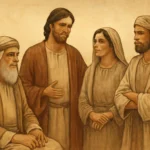
This article offers a broad and practical tour of widely read bible stories—from the Creation narratives to the life of Jesus and the parables that shape Christian teaching. The aim is not merely to retell events, but to illuminate themes, character portrayals, and the enduring messages that readers across generations have found meaningful. Along the way, you will see variations of familiar stories, reflecting how different traditions interpret the same material, and how these narratives adapt to new cultural contexts while preserving core values such as faith, obedience, justice, and hope.
Origins and Creation Narratives
The opening chapters of the biblical story are two linked accounts that have shaped Western imagination about origin and human vocation. The two Creation narratives offer complementary angles: one emphasizes order, succession, and the divine pronouncement, while the other foregrounds relationality, the helper role of humanity, and the intimate origin of humanity in the image of God.
Creation Narratives
Genesis 1 presents a structured sequence in which God speaks the world into being. Each day introduces a new dimension of creation, culminating in the creation of humans as the culmination of God’s creative work. The emphasis is on divine sovereignty and the goodness of creation.
Genesis 2 shifts to a closer, more relational portrait: the Garden, the naming of animals, and the intimate relationship between the first humans. Here the emphasis is on relational purpose and the responsibilities that come with free will.
In broader reading, many theologians note that these two accounts together invite readers to see creation as both a cosmic event and a personal invitation to partnership with the Creator.
A practical takeaway is to recognize that creation stories invite gratitude for life, responsibility for stewardship, and an understanding that human flourishing depends on aligning with divine intention. Different readers highlight distinct angles—cosmic order, relational harmony, or the gravity of responsibility—yet all point toward a shared sense of purpose.
The Fall: Adam and Eve
The narrative of Adam and Eve in the Garden features temptation, disobedience, and the resulting alienation from God and from one another. It is often read as an account of the introduction of sin and the conditions under which humanity learns to choose.
There are variations in emphasis: some strands stress moral choice and the consequences of disobedience, while others highlight the mercy implicit in God’s ongoing relationship with humankind despite failure.
The Eden story also foregrounds the consequences of self-sufficiency and the hope of restoration that runs through later biblical texts.
Common takeaways include the idea that people are called to live with responsibility and integrity, that mistakes have consequences, and that divine mercy—even when discipline is required—remains available to those who seek reconciliation.
The Great Flood and the Covenant
The story of Noah introduces themes of judgment, grace, and covenant. It presents a dramatic counterpoint to creation narratives: a world in which humanity’s corruption calls forth a decisive divine response, yet salvation is offered to a faithful remnant through an ark and a new beginning.
Noah’s Ark: The Call to Faith
God’s instruction to Noah—a man described as righteous in his generation—calls him to build an ark and gather a remnant of life. The act of obedience itself becomes a model of faith under pressure.
The preservation of representatives of each animal kind evokes a principle of stewardship and care for the broader creation.
The flood becomes a dramatic sign of judgment, while the ark stands as a symbol of salvation and new possibilities beyond catastrophe.
The Covenant with Noah
After the waters recede, God makes a covenant never again to destroy the earth by flood. The rainbow is given as a sign of this enduring promise.
Key themes include faithfulness, human responsibility, and the idea that covenantal blessing persists even after human failure, inviting generations to respond with trust and obedience.
Variations in retellings often emphasize the social ethics of the covenant—commitments to justice, humane treatment of animals, and the dignity of all life.
For readers today, the Noah story invites reflection on how communities respond to catastrophe: who remains faithful, how resources are stewarded, and how divine promises shape a future beyond violence and despair.
The Patriarchs: Abraham, Isaac, and Jacob
The patriarchal narratives center on a family through whom God’s purposes unfold. They are filled with calls, tests of faith, interpersonal dynamics, and the formation of a moral and spiritual inheritance that later generations claim as promises from God.
The Call of Abraham
Abraham’s calling is framed as a venture of trust—to leave homeland, to become a blessing to many nations, and to hold fast to God’s word even when the path is uncertain.
The promise of innumerable descendants and land becomes a central motif for faith under uncertainty.
Different traditions emphasize various aspects: the covenantal relationship with God, the formation of a people, and the ethical obligations that come with such a promise.
The Binding of Isaac (Akedah)
The story of Abraham’s test—offering his son Isaac—poses profound questions about obedience, trust, and the character of God in moments of darkness.
Many readers note the moment of intervention—God’s provision of a ram—highlighting themes of divine mercy alongside the seriousness of faith commitments.
Variations in emphasis may foreground Abraham’s fear, Isaac’s role as a participant in a test, or the broader implication for the people of Israel about sacrifice and fidelity.
Jacob, Esau, and the Promise Reframed
Jacob’s life portrays the unfolding of the blessing through cunning, dreams, and the struggle to discern God’s presence in ordinary and extraordinary circumstances.
The ladder dream, the wrestling encounter, and the encounter at Bethel become focal moments for understanding how God meets people where they are and draws them toward a richer vision of the divine plan.
Jacob’s pathway—marriage, family tension, exile, and eventual reunion—offers a narrative study in grace, transformation, and the shaping of a people who will bear the covenant forward.
Across these chapters, readers encounter a pattern: calling, testing, missteps, and a persistent sense that God’s purposes outlast individual fear or failure. The stories invite faithful response, patient discernment, and a hope that a longer arc of blessing is at work in the world.
Exodus and Wilderness: From Bondage to Freedom
The Exodus narrative marks a dramatic shift from captivity to freedom and forms the backbone of Jewish and Christian memory. It foregrounds leadership, law, worship, and the long journey toward a land endowed with meaning and responsibility.
God’s call to Moses at the burning bush reorients a life towards a mission that will require courage, humility, and trust in divine power.
The response—“Here I am”—highlights a posture of openness to God’s plan even when daunting.
Variations in emphasis often stress the tension between divine initiative and human hesitation, and the way God empowers unlikely messengers to fulfill transformative work.
The Plagues and the Passover
The series of plagues acts as dramatic demonstration of God’s sovereignty over the Egyptian gods and political power structures.
The Passover ritual becomes a central memory for faith communities, signaling deliverance through sacrifice and the ongoing call to remembrance.
Across traditions, the moral language shifts between critique of oppression, celebration of liberation, and the ethical call to justice for the marginalized.
Crossing the Red Sea and the Wilderness Route
Divine deliverance at the Red Sea becomes a template for overcoming insurmountable obstacles, underscored by trust in God’s guiding presence.
The subsequent wilderness journey tests faith, produces leadership development (Moses, Aaron, Joshua), and offers abundant material for contemplating dependence on God’s provision.
Variations of this arc emphasize different episodes—manna in the desert, water from the rock, and the conflicts with dissenters—as lessons on obedience, patience, and communal discipline.
Receiving the Law at Sinai
Mount Sinai becomes a place where a people receives the law that structures communal life, worship, and justice.
The Ten Commandments and accompanying statutes articulate a vision of society oriented toward holiness, compassion, and accountability.
Interpretations vary in tone—from highlighting the legal ethic to emphasizing the relational basis of the covenant—yet all view law as a path toward flourishing for the entire community.
The Exodus narrative invites readers to consider leadership under pressure, the ethics of freedom, and the ways in which a community practices memory and identity in light of a transformative encounter with the divine.
The Conquest, Kings, and Prophets
After the Exodus, the biblical story follows a movement from tribal confederation to a united and then divided monarchy, interwoven with prophetic voices that challenge, comfort, and call people back to fidelity. The arc emphasizes covenant faithfulness, human frailty, and the tension between power and service.
The encounter between a young shepherd and a seasoned warrior becomes a study in courage, trust in divine strength, and the reversal of human expectations.
David’s ascent from obscurity to kingship dramatizes the paradox of divine selection—God often uses unlikely vessels for significant purposes.
In broader readings, the narrative also foreshadows messianic expectations and the enduring theme that true victory comes through faithfulness to God’s will.
The Anointing, Reign, and Challenges of the Kings
David’s reign, followed by Solomon’s wisdom, highlights the complexities of leadership, including governance, wealth, military power, and temple building as expressions of national identity.
Prophetic voices—such as Nathan and others—serve as checks on royal ambition and remind readers that justice and mercy must guide power.
Variations in tradition emphasize different moments: covenant renewal, temple imagery, or the moral lessons embedded in palace intrigues and family dynamics.
Prophets and Wisdom
The prophetic literature—Jonah, Daniel, Isaiah, and others—offers sermons, narratives, and visions about repentance, mercy, and the hope of restoration for a people called to align with divine purposes.
Story threads like Jonah’s mission to Nineveh, or Daniel’s courage in a foreign land, invite readers to consider how faithfulness operates in hostile contexts and how God can use unlikely agents to accomplish profound turns in history.
Wisdom literature (Proverbs, Ecclesiastes, Job) foregrounds questions about the best way to live, the problem of suffering, and the search for meaning—offering enduring guidance for personal conduct and communal life.
Across this broad sweep, readers encounter a shared template: a calling, a testing, and a movement toward a larger purpose that points beyond individual success toward communal flourishing and divine justice.
The Life of Jesus: Birth, Ministry, Death, and Resurrection
In the Christian tradition, the life of Jesus stands at the center of biblical storytelling. His birth, teachings, miracles, crucifixion, and resurrection are recounted with varying emphases across the Gospels, yet they converge on a message of redemption, grace, and the inauguration of a new covenant.
The Nativity Narratives
The birth stories in Matthew and Luke situate Jesus within a web of prophecy, royal lineage, and humble circumstances, highlighting that the Messiah comes in ways that challenge expectations and invite wonder.
Themes include humility, God’s favor toward the marginalized, and the reversal of human assumptions about power and status.
Variations among readers include differences in the emphasis on shepherds, magi, angels, and the geography of Bethlehem and Nazareth, each shaping a unique devotional mood.
Miracles, Teachings, and Kingdom Parables
Jesus’ teachings center on the kingdom of God, justice, mercy, and love of neighbor. Parables—such as the Good Samaritan, the Prodigal Son, and the Lost Sheep—translate theological ideas into accessible, memorable stories.
Miracles demonstrate divine compassion and authority—healing the sick, feeding the hungry, calming storms, and restoring dignity to the outcast.
Variations in retellings emphasize different dimensions: as signs of the in-breaking kingdom, as demonstrations of faith and persistence, or as invitations to radical trust in God’s provision.
The Passion, Crucifixion, and Resurrection
The crucifixion is framed as the decisive act of self-giving love, a sacrifice with cosmic significance and personal impact for all who believe.
The resurrection mission is understood as the triumph of life over death, hope over despair, and a call to embrace a transformed life of discipleship.
Interpretations vary in emphasis: some highlight the atonement aspect, others stress moral transformation, and still others focus on the vindication of Jesus as the Son of God.
The life of Jesus remains a central hinge of the biblical storyline, inviting readers to encounter a figure who embodies compassion, truth, and redemption in ways that invite personal response, communal faith, and ongoing exploration.
Parables, Wisdom, and Ethical Teachings
Beyond narrative events, the Bible uses concise formats—parables, proverbs, and short narratives—to teach ethical living, social justice, and spiritual discernment. These brief forms offer practical guidance for everyday decisions and long-range vision for communities of faith.
Parables of Jesus: Practical Wisdom in Story Form
The Good Samaritan reframes neighbor-love beyond boundary lines of culture or status, challenging readers to extend mercy to those in need regardless of familiarity.
The Prodigal Son explores themes of repentance, forgiveness, and the joy of reconciliation within a family and a broader community context.
The Lost Sheep and similar parables highlight the value of the individual and the patient, persistent search that mirrors divine care for the marginalized and the lost.
Proverbs offers concise maxims about diligence, honesty, humility, and prudent counsel for living wisely in a complex world.
Ecclesiastes invites readers to wrestle with meaning, the limits of human achievement, and the enduring importance of reverence for the divine amid uncertainty.
Job provides a dramatic meditation on suffering, fidelity, and the mystery of divine governance, inviting readers to respond with integrity even when understanding is incomplete.
These forms—parables and wisdom sayings—function as instructional tools that equip believers to reason, respond, and grow in character. They are intentionally brief yet richly suggestive, leaving space for reflection, discussion, and application in diverse contexts.
Practical Takeaways: Living with Biblical Narratives Today
Reading the Bible as a collection of stories and teachings offers a practical map for personal growth, family life, community leadership, and public ethics. Here are some guiding ideas drawn from the stories discussed:
Faith in action: Many stories illustrate that true belief translates into trust that leads to concrete steps—whether building an ark, stepping forward against a giant, or offering mercy to a neighbor in need.
Justice and mercy: The prophetic voices, the parables, and the teachings of Jesus insist that right action toward the vulnerable, the poor, and the marginalized is essential to authentic faith.
Hope amid hardship: From the wilderness to the cross and beyond, biblical narratives repeatedly teach that endurance, patient hope, and the sense of being part of a larger divine plan sustain communities in difficult times.
Memory and identity: Rituals like Passover, Sabbath, and temple worship—along with recurring motifs of covenant—anchor collective memory and shape lasting community identity.
Transformation: The biblical arc often centers on transformation—individuals and nations moved from fear to courage, from selfishness to generosity, from despair to renewed purpose.
For educators, readers, and students, these stories can be approached in several productive ways:
Compare narrative versions (for example, Creation accounts in Genesis 1 and 2) to explore how different literary aims shape tellings.
Use themes such as covenant, justice, mercy, and redemption as lenses for analyzing both Old and New Testament passages.
Engage with ethical questions raised by the stories: What does it mean to obey God in difficult circumstances? How should communities respond to oppression? What does forgiveness look like in practice?
Encourage personal reflection on how the narratives speak to contemporary life—family, work, society, and interfaith dialogue.
Variations and Interpretive Breadth
A notable strength of these stories is their adaptability across cultures, languages, and eras. Across centuries, readers have retold, reframed, and reinterpreted these narratives to address new questions and concerns. Some common avenues of variation include:
Emphasis shifts: Some traditions stress divine justice and sovereignty, while others foreground human responsibility and social ethics, yet both strands converge on the belief that God desires healing and restoration for creation.
Literary framing: In some communities, the same event is explored through poetry, liturgy, sermon, or visual art to highlight different facets—justice, mercy, gratitude, or awe.
Contextual application: Parables are reshaped to address social issues such as poverty, immigration, or family dynamics in a given era, illustrating how timeless truths meet contemporary life.
This breadth underscores a central principle: while the surface details may vary, the underlying aims of the biblical stories—to awaken conscience, cultivate virtue, and invite trust in the divine—remain surprisingly consistent. Readers can explore multiple angles while recognizing shared core messages.
Conclusion: A Compass for Faithful Reading
Common Bible Stories function not only as historical or religious narratives but as living resources for interpretation, imagination, and personal transformation. By engaging with the events, characters, and teachings across these stories, readers gain a broader understanding of how faith intersects with daily life, how communities interpret adversity, and how the arc of salvation history invites courage, compassion, and hope.
Whether you approach these stories as sacred literature, ethical instruction, or spiritual companionship, this guide provides a framework for exploring their depth. The narratives encourage us to wonder about our own lives, to examine our commitments, and to consider how we might participate in the continual work of blessing the world—through acts of kindness, just governance, honest discernment, and a steadfast hope in what God promises to do in the days ahead.