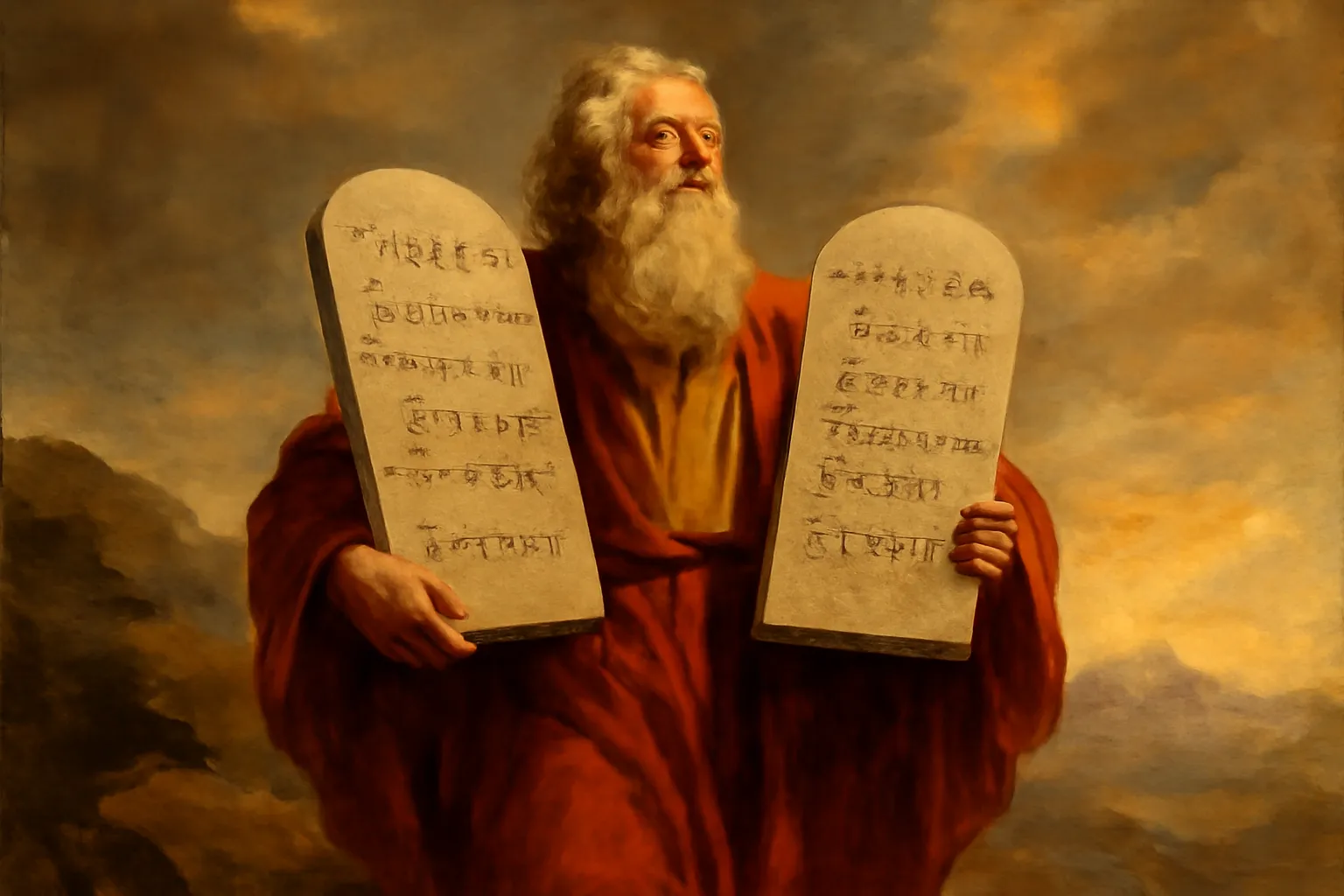
Introduction: The King James Version and the Ten Commandments
The King James Version (KJV) of the Bible is one of the most enduring English translations in the Christian tradition. Among its most recognizable passages are the Ten Commandments, sometimes called the Decalogue or, in older scholarly language, the Ten Words. In the KJV, these commandments appear as a set of divine laws given by God to the people of Israel, and they are cited in the foundational narrative of the Exodus and then repeated with variations in Deuteronomy. This article offers a comprehensive guide to the Ten Commandments in the King James Version, presenting the actual wording in KJV, exploring how the commandments are grouped and numbered, and offering historical, theological, and practical context for modern readers.
Our goal is to provide a clear, accessible overview that helps readers appreciate not only the text itself but also its place in religious life, law, literature, and ethics. You will find sections that identify each commandment in its KJV form, brief explanations that illuminate its intent, and notes on how different traditions count and understand the commandments. Whether you are a student studying sacred literature, a person seeking to reflect on moral foundations, or a curious reader exploring early modern English biblical language, this guide aims to be both precise and helpful.
What the Ten Commandments Are in the KJV Context
In the King James Version, the commandments are introduced with the words, “And God spake these words, saying.” (Exodus 20:1). The immediate listing that follows contains the rules that govern worship, conduct, and social relationships. A feature of the KJV is its formal rhythm and memorable phrasing, which has helped the commandments to become a paradigm of ethical instruction in the English-speaking world.
The KJV presents the commandments as a cohesive covenantal program: first, a primary duty to God; then, a series of prohibitions and regulations that concern man’s relationship with others, property, and the use of speech. In many Protestant traditions, this set of laws is counted as ten distinct obligations, though the exact enumeration can differ among Christian churches. In the King James text, the commandments are not merely rules; they are a framework for a life lived under a holy calling and in recognition of divine sovereignty.
Throughout this guide, we will employ the familiar Protestant numbering that appears in most KJV Bibles. It is important to note that some Catholic and Lutheran traditions separate or group certain prohibitions differently (for instance, breaking “thou shalt not covet” into two distinct commands). Our focus here, however, is on the traditional KJV layout and the wording that appears in Exodus 20 and Deuteronomy 5 in the King James Bible.
The Source Text: Where to Find the Commandments in the KJV
The Book of Exodus contains the initial revelation of the commandments: “And God spake these words, saying” followed by a list that begins with a command against other gods and ends with the prohibition against coveting. The key passages are Exodus 20:1-17 and a parallel, slightly expanded retelling in Deuteronomy 5:6-21. In the KJV, these verses present the commandments with the characteristic cadence and diction of early modern English.
For scholars and readers, it is useful to compare Exodus and Deuteronomy: the wording is very close, but there are nuanced differences in emphasis and order in Deuteronomy’s restatement, which reflects a different context—an theocratic community about to enter the Promised Land versus the narrative of deliverance from Egypt. The KJV preserves both versions, enabling readers to notice continuity and variation while remaining anchored in the classic form of the text.
The Ten Commandments in the King James Version: A Section-by-Section Look
Below you will find the ten commandments in KJV form, presented in a way that highlights the exact wording of the King James Bible. Each commandment is given a bold emphasis to underline its central directive, followed by a concise interpretation that clarifies the intent and application in a contemporary setting.
First Commandment
Thou shalt have no other gods before me.
Key theme: Exclusive worship and allegiance to the one God.
Explanation: This commandment establishes monotheism as the foundational stance of the covenant people. It addresses idolatry in worship and loyalty, reminding the faithful that their primary reverence belongs to the Creator who brought them out of bondage.
Thou shalt not make unto thee any graven image, or any likeness of any thing that is in heaven above, or that is in the earth beneath, or that is in the water under the earth.
Key theme: Prohibition of artificial icons in worship and the danger of reducing the divine to a physical representation.
Explanation: The command limits how God may be represented in religious practice, directing worship away from material images and toward the incorporeal God who is spirit. It invites the community to imagine a relationship with the holy that is not mediated through carved idols or fabricated likenesses.
Third Commandment
Thou shalt not take the name of the LORD thy God in vain.
Key theme: Honoring the sacred name of God in speech and conduct.
Explanation: This commandment emphasizes reverence for God’s name as a sign of respect for the divine relationship. It cautions against casual or blasphemous use of God’s name in daily life, law, and oath-taking.
Fourth Commandment
Remember the sabbath day, to keep it holy.
Key theme: A weekly rhythm of rest and worship.
Explanation: The Sabbath commandment establishes a recurring time for rest, reflection, and communal worship. In the KJV, the Sabbath is presented as a sign of the covenant and an opportunity to declare God’s sovereignty over creation and history. The details of Sabbath practice have varied across cultures and time, but the central idea remains rest from ordinary labor and renewed devotion to God.
Fifth Commandment
Honour thy father and thy mother: that thy days may be long upon the land which the LORD thy God giveth thee.
Key theme: Respect for parental authority and lineage, with a promise attached.
Explanation: This commandment extends beyond mere courtesy to include social stability and intergenerational responsibility. In the KJV’s language, it links obedience to parental authority with the welfare and longevity of individuals within the community.
Sixth Commandment
Thou shalt not kill.
Key theme: Sanctity of life and prohibition against unlawful harm.
Explanation: A concise directive, this commandment protects human life as a sacred gift and sets boundaries for conflict and violence. In historical contexts, discussions about just war, self-defense, and the value of life have emerged as part of the broader ethical conversation around this commandment.
Seventh Commandment
Thou shalt not commit adultery.
Key theme: Faithfulness in marital relationships.
Explanation: The prohibition against adultery addresses the integrity of the family and the covenantal bond between spouses. In the KJV, this commandment has resonated across cultures as a standard for personal ethics, family life, and social trust.
Eigth Commandment
Thou shalt not steal.
Key theme: Respect for property and honest living.
Explanation: This commandment underlines the social contract that enables communities to function with trust. It elevates personal integrity and discourages theft, fraud, and coercion, linking economic justice with ethical conduct.
Ninth Commandment
Thou shalt not bear false witness against thy neighbour.
Key theme: Truth-telling and the safeguarding of reputation and justice.
Explanation: The emphasis here is on honesty in legal, social, and interpersonal contexts. The commandment warns against lying or misrepresenting others, which can erode trust and damage communities in profound ways.
Tenth Commandment
Thou shalt not covet thy neighbour’s house, thou shalt not covet thy neighbour’s wife, nor his manservant, nor his maidservant, nor his ox, nor his ass, nor any thing that is thy neighbour’s.
Key theme: Internal desire and contentment with what God provides.
Explanation: The final commandment addresses covetous thoughts and longing that can lead to external sins such as theft, deception, or broken relationships. It invites a radical inward posture—gratitude and trust in God’s provision—as a guard against wrongdoing. In the KJV, the breadth of the list (house, wife, servants, animals, and property) signals the comprehensive nature of worldly desire and its potential to disrupt community harmony.
Variations in Naming and Numbering: How Different Traditions Refer to the Commandments
While the King James Version typically presents the commandments in a familiar Protestant arrangement, the broader Christian tradition recognizes variations in how these laws are named and counted. A few important points:
Decalogue: The Greek term dekalogos literally means “ten words,” and in scholarly writing you may see it used to refer to the Ten Commandments as a set.
Common English labels: In Protestant and Anglican usage, the list is often presented as ten distinct commands, with the fourth commandment (Sabbath) tied to rest and worship. The wording in Exodus tends to group related prohibitions together in a way that supports a moral-ethical framework for community life.
Catholic and Orthodox numbering: Some traditions split or combine the final two prohibitions about coveting—one dealing with a person (neighbor’s wife) and the other with possessions—into separate commandments, effectively changing the tally from ten to eleven. The KJV itself appears within a Protestant context that typically uses the unified coveting clause as a single commandment.
Deuteronomic restatement: The Deuteronomy text (the “Second Law” discourse) restates the commandments with occasional shifts in emphasis, reflecting a different setting and audience while preserving the essential ethical commands.
These variations highlight an important truth: the Ten Commandments are not only a text to be read but a living tradition that has been interpreted, applied, and reinterpreted across centuries and Christian denominations. The King James Version anchors the wording in English biblical heritage, while the surrounding scholarly and liturgical discourse shows how communities have engaged with these laws in different contexts and times.
Historical and Theological Notes on the KJV Text
The King James Bible was produced in the early 17th century under royal commission. Its language—rich in cadence, alliteration, and formal rhetoric—has shaped how English-speaking readers encounter Scripture. The Ten Commandments, in particular, benefit from this cadence, becoming a common reference point in sermons, art, music, and ethical discussion. In this context, the KJV’s presentation of the Decalogue sits at the intersection of theology, law, and cultural memory.
Theologically, the commandments are often treated as a guide to righteous living under God’s covenant. They establish a standard for worship (no other gods, no graven images, honor for God’s name) and for social life (honor for parents, respect for life and marriage, prohibitions on theft, false testimony, and coveting). This structure has made the Decalogue central to discussions about natural law, moral reasoning, and civil ethics in Western thought.
A Quick Guide to Reading and Applying the KJV Ten Commandments Today
Applying these ancient directives to contemporary life involves careful discernment and respectful interpretation. Here are some guiding ideas that align with the spirit of the KJV text while remaining relevant to modern issues:
Worship first: The first commandment calls for allegiance to the divine. In practice, this might translate into examining what holds priority in daily life—work, wealth, status, or other commitments—and considering whether any “gods” have displaced trust in the Creator.
Respect the sacred in speech: The third commandment emphasizes the weight of language concerning the divine name. In modern terms, this can translate into respectful discourse about religion, ethics, and sacred topics, as well as integrity in oaths and commitments.
Remember communal rhythm: The fourth commandment’s sabbath tradition offers a model for rest, reflection, and worship that can be adapted in various cultural contexts—whether through a weekly day of rest, a dedicated time for family, or a personal practice of stillness.
Honor family and community: The fifth commandment connects personal conduct with community welfare. Honoring parents is a principle that extends to elder care, intergenerational care, and respecting authority within lawful structures.
Preserve life and integrity: The sixth commandment’s prohibition against killing underlines the sacred value of life, informing discussions about justice, self-defense, and the protection of the vulnerable in policy and everyday decisions.
Faithfulness in relationships: The seventh commandment uses marriage as the paradigm for fidelity. In broader terms, it also touches on trust, commitment, and honesty in intimate relationships and in social contracts.
Respect property and work honestly: The eighth commandment about theft resonates with modern debates about fair labor practices, consumer ethics, and the distribution of resources within a community.
Seek truth and fair testimony: The ninth commandment’s emphasis on truth-telling has direct implications for journalism, law, and personal integrity in an information-rich society.
Contentment and ethical desire: The tenth commandment warns against coveting and the disordered longing for what others have. Practically, this invites readers to cultivate gratitude, humility, and a sense of contentment with one’s own circumstances and gifts.
Common Questions About the Ten Commandments in the KJV
Here are concise responses to a few prevalent questions that readers often ask when engaging with the KJV text:
Why does the order of the commandments matter?
Order provides a framework: devotion to God precedes duties toward neighbors; this sequencing reinforces a life oriented toward divine guidance first, then ethical living in the community.
Are all commandments equally binding today?
Traditionally, most Christian communities affirm that the commandments reflect universal moral principles. However, how they are interpreted or applied—especially regarding ceremonial or ceremonial-law aspects like Sabbath observance—can differ among denominations.
What is the difference between the KJV wording and modern translations?
Early modern English renders some phrases in a form that can seem archaic today, but the core meanings remain consistent. Modern translations may clarify idioms, adjust grammar, or harmonize words across manuscripts, while preserving the essential prohibitions and duties.
Conclusion: The Ten Commandments in the King James Tradition
The Ten Commandments in the King James Version offer more than a list of rules. They present a vision of a life oriented toward the one true God, characterized by integrity, reverence, and concern for others. Whether you study the text as a piece of literature, a historical legal code, or a set of spiritual imperatives, the KJV’s cadence and memorable phrasing invite readers into ongoing reflection and discussion. The commandments remain a living touchstone for faith communities, a source of ethical reflection, and a part of the larger story of how a people understood their relationship with God and with one another.
We have explored the exact KJV renderings of each commandment, examined the differences in numbering across traditions, and provided practical guidance for applying these ancient principles in modern life. By engaging with the words in Exodus 20 and Deuteronomy 5, and by considering the broader theological and cultural context, readers can gain a richer appreciation of how the King James Version preserves the power and beauty of the Ten Commandments while inviting new generations to interpret and live by them in ways that are faithful to the text and relevant to the present day.