Introduction: Understanding the Phrase That Has Shaped Healing Faith
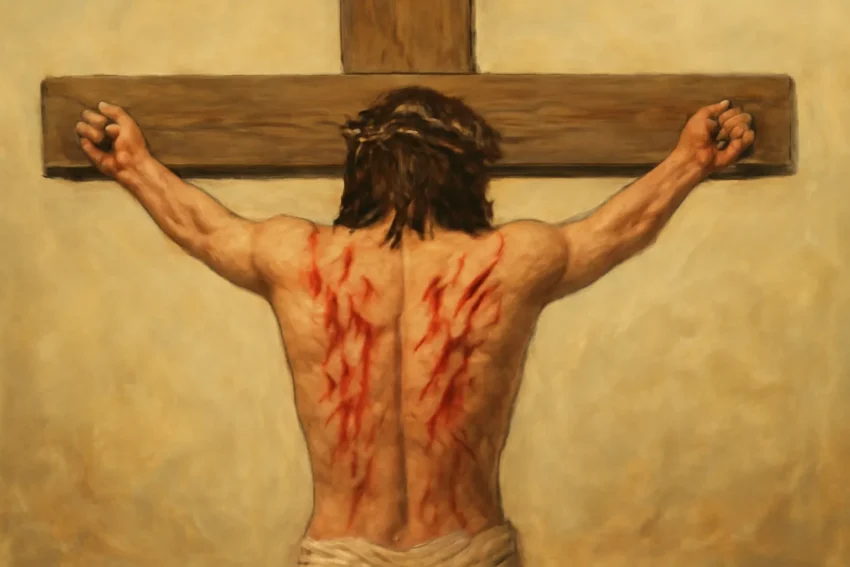
The phrase “by his stripes we are healed” is one of the most enduring and debated
statements in the Christian Bible when it comes to healing. Rooted in the prophetic
chapters of Isaiah and echoed in the New Testament, this formulation sits at the crossroads
of physical healing, spiritual restoration, and the broader work of salvation. In
this article, we will explore the verse in its original context, consider its variations across Bible
translations, examine its theological implications, and offer practical guidance for readers who
want to engage with healing scripture in a thoughtful and hopeful way.
The Core Texts: Isaiah 53 and 1 Peter 2
The phrase you may know by heart appears most prominently in two key scriptures, each
contributing a different facet to the overall picture of healing in Scripture.
Isaiah 53:5 (often rendered in traditional English as “But he was wounded for our
transgressions, he was bruised for our iniquities: the chastisement of our peace was upon him; and
with his stripes we are healed.”) Context: This verse is part of the Servant Song in Isaiah 52–53, a prophetic portrayal of the
servant who suffers on behalf of others. The Hebrew word for “stripes” or “wounds” conveys the idea of
physical injury endured in substitution for others. In many modern English translations, the exact
phrase may read slightly differently, but the core claim—that suffering and wounds bring healing or
restoration—remains intact.
1 Peter 2:24 (NIV: “He himself bore our sins in his body on the cross, so that we might die to
sins and live for righteousness; by his wounds you have been healed.”) Context: This verse is cited in the New Testament as a fulfillment through Christ’s crucifixion,
tying the concept of healing to redemption from sin as well as physical affliction. In several
translations, the phrase emphasizes that healing flows from the crucifixion and the believer’s
participation in Christ within the broader framework of salvation.
“by his stripes we are healed” (KJV and some traditional renderings) emphasizes a definitive,
completed effect of healing that comes through Christ’s sufferings.
“with his wounds we are healed” (various modern translations) foregrounds the imagery of
wounds as the agent of healing, often with a more present-tense feel.
“by his wounds you have been healed” (a direct second-person form found in some versions) places
healing as a finished work accomplished in the past on behalf of the listener/reader.
The differences among translations are not mere stylistic choices; they reflect nuanced theological
emphases: whether healing is primarily a present blessing, a future hope, a moral restoration, or
a holistic salvation that includes the body, soul, and spirit. In the sections below, we’ll examine
how scholars, pastors, and lay readers navigate these nuances.
Healing in Scripture is not a single ZIP file of blessings. It is a multi-layered theme that appears
in different forms and contexts across both the Old and New Testaments. When we encounter the
phrase “by his stripes we are healed”, we should read it within a larger tapestry of
healing motifs:
Physical healing and miracles: Accounts of Jesus healing the sick, restoring limbs, curing fevers,
and enabling sight, often as signs of the Kingdom’s arrival.
Spiritual healing and restoration: Forgiveness, renewal of conscience, reconciliation with God, and
the transformation of heart and will.
Emotional and social healing: Restoration of relationships, freedom from shame, and
the rebuilding of community.
Salvation and atonement: Healing as part of the larger saving work that brings reconciliation
with God.
To trace how healing operates in Scripture, consider these guiding questions:
Is the healing primarily about physical health, or does it point to a broader renewal?
How does faith interact with healing in the biblical texts?
What is the relationship between healing and the cross, suffering, and the resurrection?
In addressing these questions, many biblical interpreters emphasize that healing is ultimately
connected to God’s redemptive plan. The cross and resurrection are not merely events that
secure eternal life; they are the substratum from which physical, emotional, and spiritual healing
derive their power and significance.
Because the exact wording of Isaiah 53:5 and 1 Peter 2:24 shifts slightly
among Bible versions, it helps to look at several well-known translations side by side. Here are
representative renditions that highlight the semantic breadth of the concept:
King James Version (KJV): “But he was wounded for our transgressions, he was bruised for our iniquities: the
chastisement of our peace was upon him; and with his stripes we are healed.”
New International Version (NIV): “He was pierced for our transgressions, he was crushed for our iniquities;
the punishment that brought us peace was on him, and by his wounds we are healed.”
English Standard Version (ESV): “But he was pierced for our transgressions; he crushed for our iniquities;
upon him was the chastisement that brought us peace, and with his wounds we are healed.”
New American Standard Bible (NASB): “But he was pierced through for our transgressions, He was crushed for