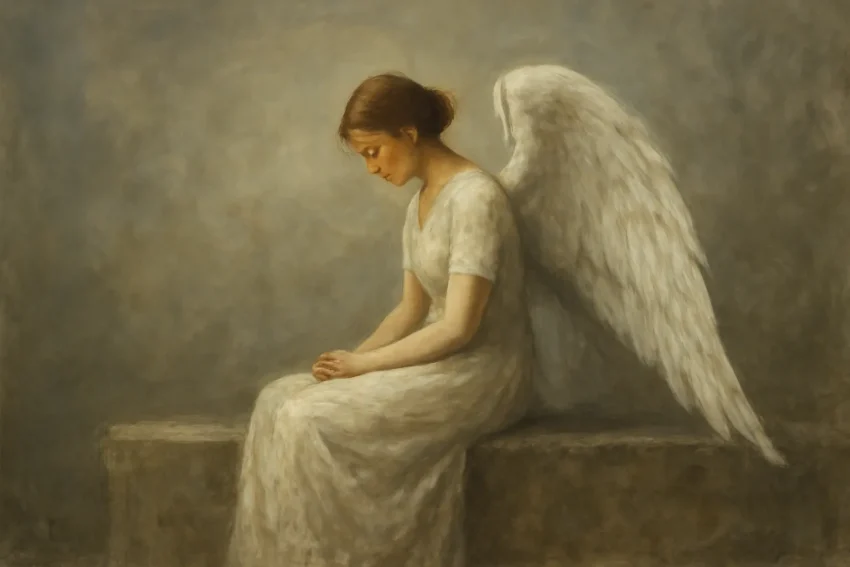
Alone Angel: Embracing Solitude and Finding Peace invites readers to explore how a solitary celestial figure can illuminate inner calm, resilience, and compassionate living. This article delves into the symbolism of the lone angel, the psychology of solitude, and practical practices that transform isolation into a source of strength. By examining the idea of an isolated, solitary celestial being from multiple angles—myth, art, literature, and personal growth—we uncover how embracing solitude can become a generous act toward ourselves and others.
Introduction: The Alone Angel and the Promise of Solitude
Across cultures, the image of a lone guardian, a solitary winged figure, or a single angel standing apart from the crowd has long carried powerful emotion. In this context, the lone angel is not a symbol of deprivation; rather, it is a beacon of self-reliance, clarity, and inner peace. The idea of an aloneness that is chosen rather than imposed invites a rethinking of what it means to be alone. When we speak of solitary celestial beings, we are really talking about a mindset: a cultivated relationship with time spent in quiet reflection, a space in which the mind can disentangle noise and distraction, and a heart can listen to its own quieter truth.
Symbolism of the Lone Angel
The solitary angel as a compass for inner strength
In many traditions, an isolated angel represents the capacity to stand firm amid uncertainty. The image of a lonely guardian who remains vigilant through stillness can become a metaphor for inner strength that does not need constant external validation. The alone-winged figure embodies a steadfastness that comes from self-trust, a form of courage that is not loud but quietly enduring. When you encounter such an emblem, you may be reminded that resilience often grows in the quiet places where no one is watching.
Solitude as a source of clarity
Solitary beings—human or celestial—often appear in stories as those who first know themselves before seeking to guide others. The solitary angel teaches that clarity is not the privilege of the many, but a skill cultivated in moments of stillness. In the absence of crowd noise, an isolated angel can hear whispers of insight that would be drowned out by busyness. This is not a call to withdraw from the world; it is an invitation to refine perception so that any subsequent action is more compassionate and effective.
Artistic and literary echoes of the lonely guardian
Across paintings, poetry, and prose, the image of a lonely angel or a single angel resonates with audiences because it reframes solitude as a space for artistic and spiritual birth. In literature, such figures often accompany scenes of transformation: a moment when a character stops rushing, chooses listening over talking, and discovers a new sense of purpose. In visual art, the lone angel can be a focal point that directs the viewer’s eye to the quiet textures of light, shadow, and atmosphere—reminding us that peace is often found in atmospheric restraint rather than in spectacular display.
Historical and Cultural Perspectives
Religious and mythological roots
Many religious and mythological traditions feature solitary beings who act as guardians, guides, or mediators while remaining apart from everyday crowds. The solitary angel appears in moments of divine contemplation, suggesting that sacred knowledge is sometimes found in silence. In some narratives, the alone angel holds a watchful presence over thresholds between realms—between earth and heaven, between waking life and dream, between fear and trust. These depictions can help modern readers reframe solitude as a spiritual practice rather than a deficit.
Writers have long used the allegory of a lone angel to illustrate moral or existential choices. In poetry, a solitary celestial figure may symbolize the quiet conscience or the patient guide within. In contemporary novels, the image often accompanies arcs of self-discovery: the protagonist learns that solitude can be constructive, offering a stage on which to rehearse new patterns of behavior, healthier boundaries, and more compassionate listening.
Modern culture and media
In modern media, the concept of a single angel or alone-winged figure frequently appears in stories about self-care, mental health, and personal growth. The portrayal of the lonely guardian can encourage audiences to value rest, mindful solitude, and the practice of pausing before acting. Such representations normalize the idea that peaceful alone time is not a drawback but a resource—one that sustains creativity, empathy, and more deliberate leadership.
Practical Guidance: Embracing Solitude with the Alone Angel in Mind
Foundations: reframing solitude as a positive practice
To begin engaging with the concept of the alone angel, you can reframe solitude from a lack into a rich resource. This shift requires redefining what counts as meaningful connection: sometimes the deepest connections are with one’s own inner life rather than with many external voices. Begin with small, intentional acts of quiet, and gradually increase the duration as you become more comfortable with the pace of your own thoughts and feelings.
Daily practices and routines
Below are practical, beginner-friendly steps to cultivate the demeanor of a solitary angel in daily life. They can be used as a gentle framework for building a lasting relationship with solitude.
Set a designated quiet time each day. A short window—5, 10, or 15 minutes—can be enough to recalibrate attention and soothe nervous energy.
Create a personal sanctuary at home or in a nearby natural space. A peaceful corner, a favorite chair, or a small garden can serve as your anchor for mindful stillness.
Practice mindful breathing. Inhale slowly through the nose, hold briefly, exhale softly through the mouth. Let each breath be a reminder that peace exists in the present moment.
Journal with intention. Write a few lines about what the alone angel is teaching you today—what you notice, what you fear, what you hope for.
Observe, don’t judge. When thoughts arise, acknowledge them with a neutral curiosity. The solitary guardian within you does not chase thoughts away; it allows them to pass.
Mindful practices that deepen the experience of solitude
In addition to daily routines, consider two deeper practices that align with the imagery of a lone angel.
Solitude meditation: Sit in a comfortable position, eyes closed, and observe the sensations of your body. When thoughts arise, label them briefly (for example, “planning,” “worry,” “memory”) and return to the breath. This practice strengthens the muscle of nonjudgmental awareness.
Solitary walking: Take a walk without headphones or distractions. Notice textures, sounds, and rhythms of the environment. This form of attention can cultivate a quiet, expansive sense of space, much like the scene around a protecting, watchful angel.
Creating Peace: Environmental and Psychological Space for the Inside Guardian
Designing spaces that invite the solitary angel to emerge
Peace grows in spaces that honor stillness. The isolated angel within needs fewer distractions and more room to breathe. Consider these practical environment tweaks:
Declutter the primary living area to reduce cognitive load and create a sense of calm.
Soft lighting and a comfortable seating arrangement can support a long, reflective pause.
Quiet zones in your home or office—places where conversations and notifications are minimized—help your inner guardian feel secure enough to linger.
Natural elements such as plants, water features, or a small window with a view of the outdoors can enhance mood and foster a sense of spaciousness.
Psychological strategies to sustain a healthy relationship with solitude
Solitude can become a source of renewal when approached with intention. The alone angel within thrives when you practice compassionate self-talk, set boundaries, and differentiate between healthy isolation and withdrawal that cuts you off from growth. The following strategies can sustain a balanced approach to being alone:
Boundary setting: Learn to say no to requests that drain your energy and replace them with time that truly belongs to you.
Self-compassion: Treat yourself as you would treat a dear friend who is learning to be comfortable with quiet time.
Balanced social rhythms: Interact meaningfully with others, but also protect your solitude when you need it for restoration.
Reflection cycles: Schedule regular intervals to review what your solitary practice has revealed and how it can inform action with others.
The Alone Angel in Art, Creativity, and Personal Growth
Creativity as a form of peaceful companionship
Artistic expression often grows from the soil of solitude. A solitary angel can serve as a muse for creators who seek to translate quiet presence into expressive work. When you engage with the image of the lone guardian, you may find that your writing, painting, music, or craft becomes more intentional, more precise, and more deeply connected to your own experience of peace.
Creative exercises inspired by the aloneness of the angel
Try these exercises to channel the energy of the alone winged figure into creative output:
Quiet writing sprint: Set a timer for 10 minutes and write without censoring yourself. Let the voice of the lonely angel guide you toward honesty and vulnerability.
Symbolic imagery: Create a small piece of art that centers on a single figure in a vast, peaceful setting—think of a lone guardian standing at the edge of a horizon.
Soundscapes of solitude: Compose a short instrumental piece or playlist that evokes stillness, using soft textures, sparse instrumentation, and gentle dynamics.
Personal growth through solitude and service
Solitude is not only about inward focus; it also opens space for outward compassion. The single angel can be understood as a guardian who, after gathering inner clarity, reaches outward with renewed empathy. People who cultivate a healthy relationship with solitude often report heightened empathy, better listening, and more deliberate acts of kindness. Solitude thus becomes a foundation for service, not a retreat from responsibility.
Rituals that honor the solitary path
Rituals provide structure that makes solitude a sustaining practice rather than a fleeting moment. The path of the alone angel benefits from modest, meaningful rituals that honor time itself. Consider these possibilities:
Evening gratitude ritual: Reflect on three small moments of stillness or beauty you noticed during the day, acknowledging the peace they provided.
Morning intention setting: Begin the day with a single intention that aligns with inner peace, such as «choose listening over reaction» or «offer patience to myself and others.»
Weekly solitude retreat: A half-day or full-day retreat, even at home, where you minimize digital interruptions and deepen your sense of calm.
Ethical dimensions of the aloneness
A healthy relationship with solitude also invites responsibility toward others. The solitary angel within you should not become indifferent or self-centered. Instead, use the serenity of solitude to support ethical action, such as mindful communication, compassionate decision-making, and acts of service that arise from authentic clarity rather than guilt or obligation.
When to choose solitude and when to choose company
Solitude is a gift that requires discernment. There are moments when the lone guardian within needs quiet time to recharge, and there are moments when your presence can illuminate others’ lives. The aim is to cultivate a balanced life in which the solitary guardian is a source of steadiness and generosity, not isolation.
Communal practices that respect solitude
In social contexts, you can honor your need for quiet while remaining present for others. Some approaches include:
Active listening: Practice listening more than speaking in conversations, especially when you are feeling drained or overwhelmed.
Respectful pauses: Allow for thoughtful pauses in group discussions rather than rushing to fill silences.
Shared silence: Create spaces where people can share a moment of quiet together, reinforcing that stillness can be a communal experience rather than an isolationist stance.
A living metaphor for balance and peace
As a living metaphor, the alone angel helps us articulate a nuanced relationship with solitude. It is not about rejecting others or embracing loneliness as an end in itself; it is about cultivating an internal landscape where peace can grow, where discernment can emerge, and where acts of kindness can be born from a clear, quiet center. The solitary celestial being thus embodies a paradox: the more at ease one becomes with being alone, the more capable one is of showing up fully for others when the moment calls.
Tips for sustaining long-term practice
To keep solitude as a constructive practice, consider these ongoing strategies:
Seasonal reviews: Every few months, review how your relationship with solitude has evolved and adjust practices accordingly.
Learning from silence: Treat silence as a teacher. Note what feelings, ideas, or memories arise, and what they teach you about your values and needs.
Community anchors: Maintain a few trusted relationships that respect your need for quiet, while still offering warmth, support, and shared purpose.
In the final analysis, the story of the alone angel invites us to honor solitude not as isolation but as a key practice for inner peace, clarity, and compassion. When the solitary guardian within you is allowed to breathe—when you build spaces, rituals, and habits that nourish quiet—solitude becomes a generous gift to the self and to the world. The lone angel is not merely a symbol of distance; it is a guide for depth. It points toward a life where rest is respected, attention is intentional, and action is embodied with purpose. If you cultivate this relationship with solitude, you may discover not only personal calm but also a renewed capacity to contribute to others with empathy, patience, and wisdom. In this sense, the solitary guardian is a mentor, a mirror, and a friend—one that reminds you that peace is not a place you arrive at, but a practice you inhabit every day.
Note: While the imagery of the alone angel is symbolic, the real work is practical and personal. Use the concept as a source of inspiration to foster healthier relationships with yourself, with quiet, and with the world around you.