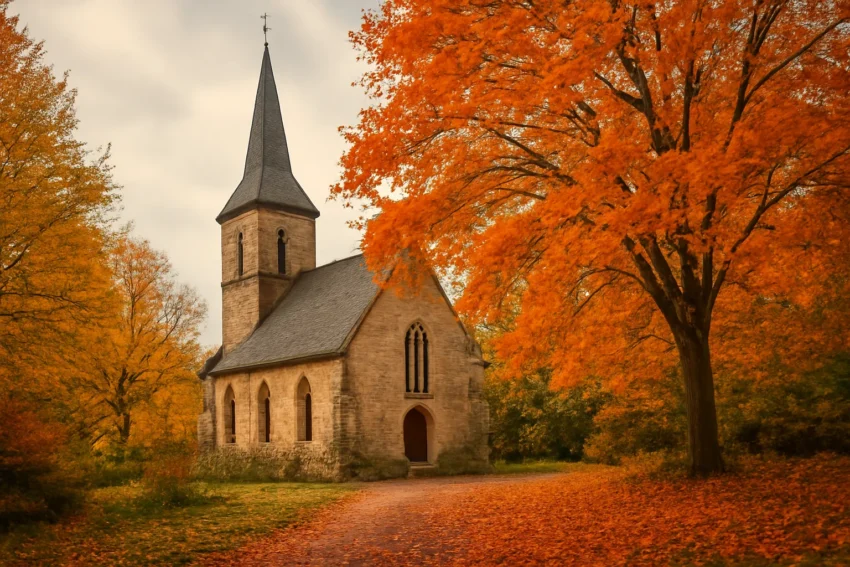
Autumn Church: Inspiring Worship and Architecture Photography
The season of autumn casts a particular kind of magic over religious spaces. When leaves turn gold, amber, and ruby, the old stones of church architecture glow with a warm, contemplative light. This is a moment when the practice of worship can feel more intimate, more grounded, and more luminous. For worshippers, the season invites reflection on harvest, community, and mystery. For photographers and observers of sacred space, fall ecclesiastical architecture offers a rich field of textures, color, and geometry—an opportunity to witness how faith, light, and design intersect in time and place. In this article, we explore how autumn reshapes perception, how different architectural styles respond to the season, and how to approach architecture photography and worship documentation with sensitivity, skill, and creative curiosity.
Setting the Scene: Autumn Light, Color, and Atmosphere
The golden hour—the period just after sunrise and just before sunset—takes on a particular resonance inside and around a church in autumn. The low sun slants through stained glass, casting colored patches on pews, arches, and floor mosaics, while the exterior façade glows with long shadows that emphasize sculptural detail. Even on overcast days, the sky tends to be cooler and crisper, which can make warm interior lighting feel especially inviting.
How autumnal weather shapes perception
Autumn weather introduces a spectrum of conditions that affect both worship and photography. Damp air can soften distant horizons and subtly increase contrast in the closest architectural details. Clear days provide strong directional light that highlights gothic tracery and Romanesque solidity alike. Misty mornings can wrap a church in a delicate veil, inviting introspective photography that emphasizes textures such as stonework and masonry. The presence of people—families arriving for services or a choir rehearsing in the transept—adds life to the setting and helps tell the seasonal story of a faith community.
Color palettes to expect
In autumn churches often present a palette of rich browns, ochres, and deep reds. The wooden interiors—pews, pulpits, balustrades—gain warmth as sunlight filters through stained glass, while exterior stones may register honeyed or weathered tints that contrast with the vibrant foliage surrounding the building. For photographers, the interplay between architectural material and seasonal color offers opportunities for color grading that preserves the mood without becoming over-saturated.
Practical photography note: light management
When working in autumn light, balance is key. Interior lighting is rarely equal to exterior brightness, so be prepared to bracket exposures or use a slightly higher ISO to retain detail in the shadows. If you plan to include window light, consider exposure compensation to avoid blown highlights on the glass while preserving information in the darker nave. For exteriors, a polarizing filter can help manage glare on damp stone and boost color saturation in the foliage and sky.
Architectural Traditions in the Autumn Context
Fall can reveal the enduring personality of a church through its architectural style. The way a building accepts autumn light depends on its design—whether it is a Gothic cathedral with vertical emphasis and delicate window tracery, a Romanesque church with massive round arches, or a Baroque chapel whose surfaces glow with sculptural drama under seasonal sun.
Gothic elegance and autumnal ascent
In Gothic architecture, pointed arches, ribbed vaults, and flying buttresses direct the eye upward. The interplay of autumn shadows across a vaulted ceiling can emphasize the sense of ascent—an apt visual metaphor for liturgical aspiration. The colored light behind a large rose window can create a tapestry of color on a dark nave, while the exterior buttresses, sometimes trimmed with late-season ivy, provide dramatic silhouettes against a pale autumn sky.
Romanesque solidity in a softer season
Romanesque churches emphasize mass and proportion: thick walls, small windows, and rounded arches produce a sense of grounded, contemplative space. In autumn, the play of low-angle light on these solid surfaces can reveal subtle chiseling and weathering. The overall impression is one of steadiness and shelter—a spiritual shelter as the world grows chill outside.
Baroque drama and autumn warmth
Where available, Baroque churches present a different kind of autumn experience: warm-toned stucco, gilded altarpieces, and dynamic, curvilinear forms that catch the season’s softer light. The interplay of candlelight, brass, and painted ceilings can become visually stunning in this season, especially during a concert or vespers when the space is alive with sound and color.
Worship, Community, and the Seasonal Cycle
Autumn is a time of transition in many Christian traditions. Harvest festivals, feast days, and the return of school-aged families to regular worship all contribute to the season’s rhythm. The architecture of the sanctuary, its nave, its chancel, and its ambulatories frame a living liturgy that adapts to changing weather, daylight, and participation.
Rituals that gain depth in fall
Communion or Eucharistic celebrations often take place under warmer lighting, enhancing the sense of communal warmth.
Harvest-related services may involve symbolic offerings, such as bread or fruit, that connect the congregation to land and labor.
Choirs rehearsing in cooler air can develop a nuanced tonal character, with voices lingering in the acoustic spaces of the choir loft.
Outdoor processions or porch blessing rituals can use the autumn setting as a natural backdrop, inviting the community to pause and reflect.
Visitor experience and accessibility
For visitors, the autumn church experience often includes quieter moments of personal prayer, opportunities to walk the grounds, and a sense of historical continuity. The architecture itself invites stillness: long aisles lead toward the altar; a nave that echoes footfalls; and side chapels that offer intimate spaces for contemplation. When a space feels calm and accessible, worship feels more inclusive, and photography can capture that accessibility without intruding on sacred moments.
Photography in the Autumn Church: Tools, Techniques, and Ethics
Architecture photography inside and around a church requires both technical skill and sensitivity. The goal is to illuminate the building’s structure and decorative details while respecting the sanctity of worship. In autumn, the additional variable of changing light and colorful surroundings adds complexity but also opportunity.
Equipment essentials for autumn church photography
Wide-angle or standard zoom lens (e.g., 16–35mm or 24–70mm) for interiors and tight spaces.
Fast prime lens (e.g., 50mm f/1.8 or 35mm f/1.4) for low light and shallow depth of field at ceremonies.
Tripod for long exposures in dim chapels or when bracketing HDR workflows.
Remote shutter release or camera timer to minimize camera shake during quiet worship times.
Polarizing filter for exterior shots to control glare on stone and to enhance the sky’s color, if permitted by the building’s guidelines.
Neutral density or graduated ND filters if you plan to balance a bright exterior with a darker interior in a single frame capture.
Interior photography: capturing space and atmosphere
When photographing the interior, consider leading lines such as pew rows, tracery lines, and vaulted arches to guide the viewer’s eye toward the altar or a feature like a baptismal font. Look for texture on stone, timber, and plaster, especially where autumn light creates warm contrasts. Keep an eye on color temperature balance—stone tends toward cool gray, while wood and candlelight skew warm. A balanced white balance helps prevent the image from feeling too clinical or too amber.
Exterior photography: context, scale, and seasonality
For exteriors, shoot at times when the sun is low, or after rain when the surroundings are vivid but not harsh. Emphasize the mass and silhouette of the church against the sky, with autumn foliage introducing a seasonal frame. Try both wide shots to anchor the structure within its landscape and tight compositions that highlight architectural details like portals, carvings, and corbels.
Composition and storytelling
A successful autumn church photograph often tells a story beyond the building itself. Consider: Human scale to convey grandeur or humility; archival angles that reveal the relationship between space and worship; and seasonal context that anchors the image in time—such as fallen leaves on the church steps or a wreath on the door inflected by fall colors.
Composition techniques to try
Framing through doorways or windows to create a sense of looking into a sacred interior.
Using arches as frames within frames, especially where autumn light passes through colored glass.
Symmetry shots of nave lunettes or transepts to emphasize architectural balance.
Detail shots of carved capitals, tracery, and organ pipes that show craftsmanship and devotion.
Post-Processing, Color, and the Mood of Fall
Post-processing is a powerful ally in translating autumn church photographs into evocative narratives. The aim is to preserve the atmosphere of the space without distorting its sacred character.
Color management
Start with a neutral-to-warm base, then maintain fidelity to the actual hues of stone, wood, and glass. Avoid over-saturation of foliage or artificial-looking warmth on stone. If you shoot RAW, you have maximum latitude to adjust white balance and tone mapping after the shoot.
Dynamic range and exposure
Interiors with bright windows can create high dynamic range scenes. HDR or bracketing can help keep details in both the highlights of the windows and the shadows around altars and pews. When using HDR, ensure the resulting image remains natural and respectful to the space.
Texture and detail enhancement
Subtle clarity and texture can reveal carved stone, wood grain, and glasswork without turning the images into clinical reproductions. Local contrast adjustments can help preserve the sense of depth, especially in vaults and cloisters where shadows play across surfaces.
Ethics, Etiquette, and Respect in Fall Church Photography
Photographing places of worship, particularly during services or rituals, requires sensitivity and respect. The autumn season often corresponds with special services, processions, and festivals, which heighten the need for discretion.
Ground rules and permissions
Obtain explicit permission from church authorities for photography, especially for interior work or during services.
Respect posted guidelines about flash, tripods, and areas that are off-limits to visitors.
Avoid disrupting congregants; use quiet shutter modes and watch for moments when the space is free for documentation.
People, privacy, and consent
When including people in images, be mindful of consent. If accessible, ask for a signature or use portraits that do not reveal faces in sensitive contexts. In worship settings, it is often best to avoid close-ups of participants without consent and to focus on the architecture and environment that tells the broader story of the season.
Respectful storytelling
The goal is to document the spiritual atmosphere and the craftsmanship of the building, not to sensationalize. Let light, space, and composition convey reverence. The best autumn church photographs honor both the people who worship there and the structure that houses their traditions.
Seasonal Tours, Destinations, and How to Plan a Visit
If you are planning an autumn-focused project, consider a mix of destinations that showcase how different communities adapt worship in the fall and how architecture responds to changing light.
Guided tours for the autumn photographer
Cathedrals with tall facades and large stained-glass windows, where fall light can create dramatic color play.
Monastic churches with cloisters and open courtyards, which provide quiet fall backdrops for contemplative photography.
Rural parish churches with simple, vernacular architecture that reveal the seasonal relationship between people and place.
Urban churches that balance medieval or revival styles with modern lighting and services, offering a cross-section of tradition and contemporary life.
Planning tips for autumn shoots
Check service calendars and obtain permission well in advance to avoid conflicts with liturgical activities.
Forecasts of rain and wind should shape your schedule, as autumn weather influences both light quality and exterior conditions.
Plan a clock-wise sequence of shots: exteriors at golden hour, interiors in soft daylight, and dusk or night photography for candlelit or glow-lit spaces.
Carry weather-appropriate gear, including protective covers for cameras and lenses, especially during damp autumn mornings.
Seasonal storytelling through features
Autumn church photography can mount a narrative around themes such as migration of light, the gathering of families, the symbolism of harvest, and the endurance of stone. An effective set of images might juxtapose architectural grandeur with human warmth, showing the building as a living organism that holds memory and fosters community.
Preservation, Conservation, and the Responsibility of the Photographer
Churches are ongoing works of art and history. The autumn season can accelerate weathering on exterior surfaces if protections are inadequate, and internal finishes can degrade through repeated exposure to damp air and candle smoke. Photographers can contribute to preservation by documenting details that might be at risk and by choosing images that encourage care rather than exploitation.
Documentation versus critique
It is valuable to document structural conditions, such as weathering on stone, cracks in plaster, or the effects of moisture on woodwork. However, approach such documentation with care to avoid sensationalism. The goal is to illuminate the building’s character and to respect its sacred function.
Collaboration with stewards
Working with church stewards and preservation committees can lead to a more nuanced and ethical project. They can provide access to restricted spaces, offer historical context, and help schedule shoots in ways that honor worship rhythms.
Case Studies: What Autumn Adds to Sacred Architecture
While every church is unique, several patterns emerge when autumn light interacts with stone, timber, and glass. The following brief case-studies illustrate how seasonal light can reveal the vitality of church architecture and the resilience of communities.
Case study: a medieval parish church in a leafy valley
The combination of a low sun in late afternoon and a carved portal framed by overhanging branches creates a cinematic entrance. The leaves provide a natural frame that softens the stone’s weathered surface and highlights the symmetry of the portal’s arches.
Case study: a grand cathedral and its autumn choir performance
An autumn choir rehearsal inside a cathedral can demonstrate the acoustic warmth of the space. Candles or occasional stage lighting, when used judiciously, can bring out the gilding in altarpieces and the shimmer of brass on the organ, while the nave remains a quiet, reverent arena.
Case study: a rural abbey cloister in late fall
Cloister walkways framed by maple and oak can create intimate, cinematic imagery. The bell tower may silhouette against a slate-gray sky, and the muted colors of the cloister gardens can provide a restrained counterpoint to the vibrant foliage outside.
Checklist for an Autumn Church Photography Project
Permissions and ethics: secure approvals, respect sacred spaces, avoid disruption.
Timetable: align with services, rehearsals, and daylight windows; plan for golden hour exteriors and gentle interiors.
Safety: be mindful of slippery surfaces, legible signage, and respect for congregants moving through crowded areas.
Storytelling: aim for a balanced narrative that respects tradition while capturing autumn’s mood.
Conclusion: The Convergence of Faith, Light, and Stone
The autumn church stands at the crossroads of reverence and representation. Its architecture provides a durable language through which communities express identity, memory, and aspiration. The autumn season — with its particular light, color, and atmosphere — invites a deeper encounter with these sacred spaces. For worshippers, it is a time of gratitude and renewal; for photographers, it is a chance to translate intangible feeling into tangible form. Whether you are documenting a procession, studying a nave’s proportions, or simply wandering the grounds to observe how trees frame a facade, remember that you are witnessing how a building serves as a dwelling for faith during a season of change. In this sense, the autumn church is not only a monument of stone and glass but a living, breathing forum where art, devotion, and nature meet.
As you move from one architectural detail to another—perhaps a stone carving catching the last sunlight, or stained glass illuminating a quiet chapel—the season itself becomes part of your story. The goal is to preserve the dignity of the space while sharing the beauty of the moment. With thoughtful approach, respectful collaboration, and careful craft, an autumn church project can become a compelling, informative, and aesthetically resonant record of how worship and architecture endure through time and season.