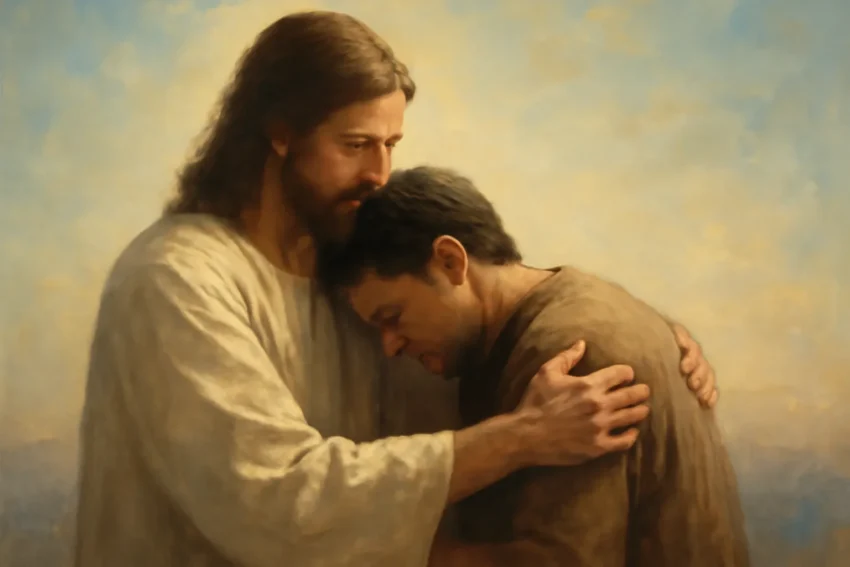
Christ Forgiveness Quotes: Uplifting Bible Verses on Mercy
In the Christian faith, forgiveness is not merely a feeling but a transformative act rooted in the character of Christ. The Bible speaks of mercy that is vast, personal, and life-changing. This article gathers a broad collection of Christ forgiveness quotes, including direct sayings of Jesus, promises of God, and well-loved verses that believers turn to for comfort, guidance, and motivation to extend forgiveness to others. Whether you’re seeking reassurance for yourself, want to share a powerful verse with someone else, or you’re building a devotional guide, these quotations and paraphrased ideas offer both the truth of Scripture and the strength to live it out day by day.
Understanding Forgiveness Through Christ
Forgiveness in the Christian sense is deeply linked to the mercy of God the Father, the redemptive work of Jesus Christ, and the empowering presence of the Holy Spirit. It is not a one-time event but a continual invitation to align our hearts with the gracious posture of Jesus. In this section, we explore the core ideas that animate Christ-centered forgiveness and how those ideas translate into quotes you can carry into prayer and practice.
Mercy is compassionate withholding of deserved judgment; it is love-in-action, often visible in small, everyday choices that reflect God’s heart toward sinners and saints alike.
Grace is forgiveness that does not depend on earning; it is a gift. As believers, we learn to extend grace because we have first received it from Christ.
Confession and repentance are the pathways by which forgiveness is realized in our lives—both for us and for those we forgive.
Reconciliation is the process that restores relationships torn by sin, while understanding that reconciliation may require time, boundaries, and wisdom.
Forgiving Others is a practical embodiment of faith: “forgive, and you will be forgiven” (Matthew 6:14–15) is not only a command but a doorway to spiritual freedom for the one who forgives and the one who is forgiven.
For many readers, the most compelling thing about Christ’s forgiveness is its unconditional breadth. It reaches the penitent beggar and the most reluctant skeptic. It humbles the proud and comforts the brokenhearted. It is predictable in its faithfulness and surprising in its reach. The following sections collect verses that illuminate these truths from different angles, including direct quotes from Jesus, apostolic exhortations, and poetic expressions from the Psalms and prophetic writings that frame forgiveness within the larger narrative of God’s mercy toward humanity.
Scriptural Quotes on Forgiveness from Christ and the Bible
The quotations below are a blend of direct sayings of Jesus, apostolic teaching, and celebrated psalms that describe the enormity of God’s mercy and the call to forgive others. Each quotation is presented with a focus on the key idea that mercy and forgiveness originate with God and then flow through believers to the world around them.
Direct Forgiveness Through Jesus’ Words
“Father, forgive them, for they do not know what they are doing.” — Luke 23:34 (NIV). This cry from the cross reveals the depth of Christ’s forgiveness in the midst of pain and injustice, embodying mercy that transcends circumstances.
“Neither do I condemn you; go now and leave your life of sin.” — John 8:11 (NIV). Jesus’ words toward the woman caught in adultery demonstrate a transformative mercy that calls for repentance and new life.
“Take heart, son; your sins are forgiven.” — Matthew 9:2 (NIV). When Jesus heals, He often pairs physical restoration with spiritual reconciliation, showing that forgiveness is foundational to true healing.
“Forgive, and you will be forgiven.” — Luke 6:37 (NIV). A powerful principle: the measure we extend becomes the measure we receive, echoing the reciprocity of mercy in God’s kingdom.
“For where two or three gather in my name, there am I with them.” — Matthew 18:20 (NIV). Though not a forgiveness verse on the surface, this promise follows Christ’s teaching on accountability, mercy, and reconciliation within community—the environment in which forgiveness grows.
Biblical Promises and Theological Foundations for Forgiveness
“If we confess our sins, he is faithful and just and will forgive us our sins and purify us from all unrighteousness.” — 1 John 1:9 (NIV). This is a foundational assurance for personal forgiveness and spiritual renewal.
“Be kind and compassionate to one another, forgiving each other, just as in Christ God forgave you.” — Ephesians 4:32 (NIV). Forgiveness in the Christian life mirrors the mercy God has shown us in Christ.
“For I will forgive their wickedness and will remember their sins no more.” — Hebrews 8:12 (NIV). God’s forgiveness is not only offered but also remembered no more, marking a clean spiritual slate for believers.
“For all have sinned and fall short of the glory of God, and all are justified freely by his grace through the redemption that came by Christ Jesus.” — Romans 3:23–24 (NIV). The entire Christian message about forgiveness centers on grace extended through Jesus’ work.
“As far as the east is from the west, so far has he removed our transgressions from us.” — Psalm 103:12 (NIV). Poetic imagery that communicates the immeasurable scope of God’s forgiveness.
“Blessed is the one whose transgression is forgiven, whose sin is covered.” — Psalm 32:1 (NIV). A joyful acknowledgment of restored relationship with God through mercy.
“I will forgive their wickedness, and I will remember their sins no more.” — Hebrews 8:12 (NIV). Repeated here to underscore the certainty of divine forgiveness for those who come to Him.
“If your brother or sister sins against you, rebuke them; and if they repent, forgive them.” — Luke 17:3–4 (NIV). Forgiveness is not a one-sided act; it invites repentance and reconciliation within community life.
“My command is this: Love each other as I have loved you. Greater love has no one than this: to lay down one’s life for one’s friends.” — John 15:12–13 (NIV). The mercy of Christ is seen most clearly in self-giving love that invites forgiveness as a response.
“Therefore, if you are offering your gift at the altar and there remember that your brother or sister has something against you, leave your gift there in front of the altar. First go and be reconciled to them; then come and offer your gift.” — Matthew 5:23–24 (NIV). Reconciliation and forgiveness are primary commitments in the life of worship and service.
Parables and Teachings About Mercy
In Jesus’ teaching, forgiveness is often shown through stories that reveal the heart of the Father’s mercy. Parables invite listeners to see themselves from God’s perspective, to repent, and to extend forgiveness to others as a reflection of what God has done for them. The following sections summarize two canonical stories and the exact teachings that have become touchstones for lifelong practice of forgiveness.
The Prodigal Son narrative centers on a younger son’s rebellion, a father’s lavish mercy, and the elder brother’s struggle with forgiveness. While the parable is not a direct verbatim quote, its core message is unmistakable: God’s mercy surpasses human disappointment, and forgiveness is a gift that redefines belonging in the family of God.
Key takeaway: The Father’s response to repentance—embracing the returning sinner with joy—models the unconditional mercy that should characterize Christ-followers as they relate to repentant people in their own lives.
Practical application: When you or someone you know returns from sin, allow space for restoration and celebrate the new path rather than dwelling on past failures.
The parable of the lost sheep highlights God’s initiative in pursuing the one who is spiritually distant. It offers a compelling picture of forgiveness as a proactive rescue rather than a passive response. In the life of a believer, this means actively seeking reconciliation, offering mercy to the struggling, and welcoming back those who have wandered away.
Key takeaway: God’s mercy is not passive; it is missionary in nature, always reaching out to restore what is broken.
Practical application: Be quick to forgive and to extend grace to those who wander, because mercy is how the church mirrors the heart of Christ in the world.
Forgiveness and Daily Living: Verses for Daily Devotion
Forgiveness is not only a theological concept; it is a daily practice that shapes our thoughts, words, and actions. The following quotes and paraphrased ideas offer daily devotionals you can memorize, reflect on, and apply in conversations, disagreements, and moments of personal struggle.
Short, Memorable Affirmations
“Forgive, and you will be forgiven.” — Matthew 6:14 (paraphrase of the central principle of Christ’s teaching).
“Mercy triumphs over judgment.” — James 2:13 is a close thematic fit; the sentiment echoes the biblical call to mercy in daily life.
“Christ’s mercy is my model; forgiving others is my practice.” (inspired by Ephesians 4:32 and Luke 6:36–37).
“If we confess, He forgives; if we forgive, we reflect Him.” (based on 1 John 1:9 and Matthew 6:14–15).
Longer Reflections for Devotional Reading
“In the cross I find the deepest mercy, a forgiveness that does not deny the truth but transforms the heart of the sinner. When I forgive others, I participate in the mercy I have received from Christ, becoming a conduit of grace to a watching world.” (thematic synthesis from Luke 23:34 and Ephesians 4:32).
“God remembers my sins no more, and He invites me to forget the wrongs I have carried toward others. The balm of mercy heals old wounds and invites new beginnings in every relationship.” (informed by Hebrews 8:12 and Colossians 3:13).
“Mercy is costly love; it costs us pride, it costs us time, and it costs us the urge to judge. Yet mercy is how the kingdom grows—one forgiving heart at a time.” (based on Jesus’ teaching about reconciliation and forgiveness).
Paraphrased Quotes: Modern Variations With Rich Biblical Echoes
Not every reader will carry exact verse citations into daily life, but many will resonate with paraphrased or reworded expressions that preserve the heart of Scripture. Here are modern variations that preserve the essential message of Christ’s forgiveness and mercy:
Concise Affirmations
“Christ forgives me, so I forgive others—no conditions, just grace.”
“Mercy is the Christian posture: receive mercy, extend mercy.”
“Forgiveness is freedom; it frees the giver as surely as the forgiven.”
“When I cling to judgment I tether myself to pain; when I choose mercy I release it all to God, who forgives and restores.”
“Jesus did not come to condemn; He came to rescue. In that spirit, I choose to release the past and embrace the future that mercy makes possible.”
“Forgiveness is a daily discipline—a yes to grace, a no to bitterness, and a yes to relational healing.”
Practical Steps to Embrace Christ’s Forgiveness in Your Life
Forgiveness is a gift you can cultivate, not a one-time event. The following steps can help you live out the mercy of Christ in practical ways, whether you are asking for forgiveness, extending forgiveness to others, or helping others navigate the path of reconciliation.
Acknowledge your need for forgiveness. Admit sin to God and, where appropriate, to the person you have wronged. Biblical forgiveness begins with confession (1 John 1:9).
Repent with sincerity. Turn away from patterns of sin and embrace a new way of living that mirrors Christ’s love and mercy.
Receive God’s forgiveness with gratitude. Allow the Gospel to sink into your heart so that mercy shapes how you relate to others.
Forgive Others deliberately. Jesus taught that forgiving others unlocks divine forgiveness for us (Matthew 6:14–15).
Practice Reconciliation where possible. Be willing to repair damaged relationships, know when boundaries are necessary, and seek wise counsel when needed.
Pray for a merciful heart. Ask the Holy Spirit to soften your heart toward sinners, including those who have wronged you deeply.
Reflect and memorize. Keep a short list of key verses (e.g., Luke 23:34; Luke 6:37; 1 John 1:9) and meditate on them during times of conflict or hurt.
Common Misunderstandings About Forgiveness
While forgiveness is central to Christian faith, it is often misunderstood. Here are a few clarifications that help keep forgiveness aligned with biblical truth:
Forgiveness is not the same as approval. You can forgive someone without endorsing harmful behavior or ignoring consequences.
Forgiveness does not always immediately restore trust. Rebuilding trust is a process that may take time and discernment, and it may require boundaries for safety and healing.
Forgiveness is a journey, not a one-and-done event. The daily practice of choosing mercy mirrors Christ’s ongoing mercy toward humanity.
Forgiveness is empowered by grace, not by willpower alone. We rely on the Spirit to enable us to forgive what seems unforgivable in our strength.
Conclusion: The Transforming Power of Christ’s Forgiveness
To encounter Christ forgiveness quotes is to encounter a narrative of mercy that moves from law to grace, from judgment to reconciliation, from fear to faith. The Bible presents forgiveness as a multifaceted gift: it reconciles us to God, enables us to love our neighbors, and renews our own hearts so that we can live with hope and courage in a world that often falls short of mercy. Whether you are clinging to a verse of comfort in a difficult season, or you want to give a friend a motivational reminder of God’s mercy, the above quotes—directly from Jesus, grounded in apostolic teaching, and drawn from the Psalms—offer language that can sustain faith and foster forgiveness in daily life.
Remember these guiding truths as you meditate on forgiveness: God’s mercy is larger than our failures, Christ’s death opened a pathway for reconciliation, and the Spirit enables us to imitate Christ by extending forgiveness to others—even when it is costly. In this way, forgiveness becomes not only a personal relief but a powerful witness to the world of the transforming love of God.