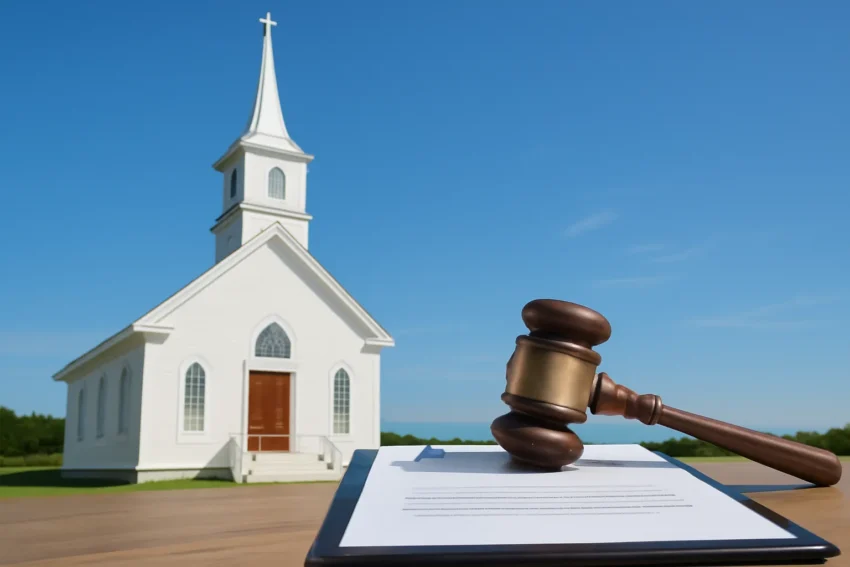
Church liability insurance cost is a practical concern for every congregation, regardless of size. Understanding what drives premiums, what coverage is essential, and how to manage the expense can help a church protect its people and assets without straining its budget. This article explores the multifaceted question, “What do congregations pay for liability protection?” by examining the components of coverage, the factors that influence price, budgeting strategies, and real‑world considerations that churches encounter when shopping for protection.
Understanding the Cost Landscape of Church Liability Insurance
When congregations ask, how much does liability insurance cost for a church, the answer is never a single number. Premiums are highly variable and depend on a mix of quantitative factors (like building value and annual attendance) and qualitative factors (such as risk management practices and claims history). For many small congregations, the annual premium for basic general liability coverage can be a few hundred to a few thousand dollars. For larger churches with extensive properties, multiple campuses, and active youth or outreach programs, the insurance expense can run into tens of thousands of dollars each year, especially if specialized coverages are included.
The cost of liability coverage for congregations is typically influenced by several major categories: the base coverage you purchase, endorsements or riders you add (for example, clergy protection or abuse risk coverage), the deductible you select, and the insurer’s pricing for the church’s specific risk profile. In practice, most churches find value in a comprehensive package that balances breadth of protection with affordability.
What the Policy Covers: A Snapshot of Liability Costs
Understanding the scope of liability coverage for churches helps explain why costs vary. A standard church liability policy generally includes several core elements, along with optional additions that customize protection to a congregation’s unique activities.
General liability for injuries and property damage to non‑members on church premises or during church‑sponsored events.
Clergy professional liability (often called pastors’ professional liability or ministry malpractice) covering allegations of error, omission, or negligence in church leadership and counseling roles.
Nonprofit corporation coverage that protects the church as an entity from claims arising from governance and organizational activities.
Property and casualty protection for buildings, equipment, and contents, including protection against fire, theft, and weather‑related damage (frequently bundled with liability).
Automobile coverage if the church operates vehicles for ministry, youth trips, or charitable work.
Employee benefits liability to address errors related to employee benefit administration.
Sexual misconduct or abuse coverage to address potential claims arising from abuse by clergy or church personnel (often a critical part of modern church risk management).
Premises liability exclusions and endorsements to reflect specific premises risks, such as daycare centers, after‑school programs, or community events.
The exact combination of coverages is what makes each policy unique. Some congregations opt for occurrence‑based coverage, while others may start with a claims‑made framework for certain lines of coverage. The distinction between occurrence and claims‑made policies can influence both the price and the timing of coverage changes as a ministry grows or changes in its programming.
Key Factors That Influence Premiums
Several intertwined factors shape the cost of church liability insurance. Understanding these helps congregations anticipate price changes and identify opportunities to manage risk and reduce expense.
Church size and scope
The size of the congregation, its annual budget, the number of worship services, and the level of community outreach all influence pricing. Larger churches typically present higher exposure simply due to more people on site, more events, and greater property values. Conversely, smaller congregations may pay lower premiums but still face high costs if they run complex programs (childcare, summer camps, or mission trips).
One of the biggest drivers of cost is the value of real property and the replacement cost of buildings and contents. A church with a high‑value sanctuary, education wing, parsonage, and valuable equipment will incur higher premiums for property coverage and related liability endorsements than a modest facility. In addition, the age and construction type of buildings can impact fire risk and the likelihood of coverage gaps.
Location and local risk factors
Geographic location matters. Areas with higher crime rates, severe weather patterns, or a history of natural disasters often see higher premiums for both property and liability protection. Local juries’ attitudes and the surrounding legal climate can influence clergy liability and general liability claims costs as well.
Program mix and activities
The breadth and intensity of a church’s programs—nursery care, youth ministry, camps, daycare offerings, feeding programs, and international missions—affect risk exposure. More activities and higher risk interactions with children or vulnerable adults typically necessitate broader coverage and, accordingly, higher premiums.
Staffing and employment practices
The presence of paid staff, volunteer programs, and background screening practices can modify risk profiles. Employment practices liability and volunteer accidental injuries coverage may be included or added, influencing cost. Some pastors and church staff have unique protections or endorsements that affect pricing.
Claims history and risk management
A church with prior claims or a history of lawsuits will typically face higher premiums due to perceived ongoing risk. Conversely, churches that demonstrate strong risk management practices—clear policies, regular safety training, incident reporting, and prompt claim handling—may secure more favorable pricing over time.
Coverage limits and deductibles
Higher coverage limits and lower deductibles increase the annual premium. Churches often trade a higher deductible for a lower premium, or vice versa, depending on their cash flow and preferred risk tolerance.
Endorsements and specialized coverage
Adding endorsements such as abuse risk coverage, sexual misconduct protection, youth activity coverage, or nonprofit cyber liability can significantly affect cost. While these are essential for modern churches, they can also raise the overall premium.
Typical Cost Ranges: What Congregations Pay in Practice
It helps to anchor expectations with typical ranges, recognizing that every church is unique. The following ranges are meant to provide a general sense of scale and should not substitute for quotes from licensed agents who understand local risk and policy specifics.
Small, rural, single‑campus congregations with modest facilities and a low program footprint often see general liability premiums in the range of $500 to $2,500 per year, with total annual budgets including property coverage extending to a few thousand to low tens of thousands when bundled.
Medium‑sized churches with multi‑service worship schedules, daycare or youth programs, and several staff members may face premium ranges from $2,500 to $10,000 per year for a robust general liability package plus property protection and basic clergy coverage.
Large churches and multi‑campus ministries with extensive properties, large volunteer bases, and active ministries can see insurance costs from $10,000 to $50,000 or more annually, especially when inclusive of playa risk management endorsements, abuse coverage, cyber liability, and high limits.
Specialized or high‑risk programs (for example, large camps, mission trips abroad, childcare centers, or youth leadership programs) may push total annual insurance expenses higher still, reflecting additional coverage layers and risk control requirements.
These ranges illustrate the broad spectrum of what congregations typically incur. It is common for a church to have a portfolio of policies that, when combined, equals a total annual premium in the mid‑range of its size category. The key takeaway is that the base liability cost is only one component; bundled protection, endorsements, and property considerations all influence the final figure.
How to Budget for Liability Insurance in a Church Budget
Budgeting for liability insurance costs requires a combination of forecasting, risk understanding, and strategic planning. Here are practical steps to incorporate insurance into a church’s financial plan.
Obtain multiple quotes from reputable faith‑based insurers and brokers who understand church needs. Compare coverage details, limits, deductibles, and endorsements, not just the bottom line premium.
Bundle policies when possible. Many providers offer discounts for purchasing multiple lines of coverage (general liability, property, cyber, auto, and employee benefits) in a single package.
Assess coverage needs by risk area. Identify which programs carry higher exposure (children’s ministries, daycare, mission trips) and ensure those areas are adequately insured.
Set a predictable annual budget by estimating a conservative premium plus a cushion for unexpected rate changes or new endorsements. Some churches lock in a rate for a term (e.g., 12 months) to minimize volatility.
Create a risk management plan to reduce potential claims. Implement safety training, incident reporting procedures, background checks, and clear policies for volunteers and staff.
Review coverage periodically at least every 1–3 years or after major changes (new buildings, programs, staff additions, or significant changes in activities).
Consider a deductible strategy. A higher deductible can reduce annual premiums, but ensure the church has liquidity to cover the deductible if a claim arises.
A well‑structured budgeting approach not only helps keep insurance costs manageable but also reinforces a culture of risk awareness and stewardship within the congregation.
Choosing a Provider: What to Look For in Liability Insurance for Churches
Not all insurers are equally suited to faith communities. When evaluating providers, consider factors that influence both cost and value.
Industry specialization: Providers that specialize in religious organizations tend to understand church operations, governance, and risk profiles better than generic carriers.
Claims handling and financial strength: A strong track record of fair, prompt claims handling and solid financial ratings matters when the worst happens.
Endorsements tailored to congregations: Look for coverage options developed for ministries, including abuse risk management, youth activity coverage, and clergy protection endorsements.
Policy language clarity: Ensure definitions, exclusions, and limits are transparent. Ambiguity in policy language can lead to disputes after a claim.
Risk management support: Some insurers offer risk management resources, training, incident reporting tools, and governance guidance as part of the package or as add‑ons.
Cost transparency: Request a breakdown of what is included in the premium, what is excluded, and what additional costs could arise (e.g., audits, supplemental inspections, or mandatory safety programs).
The process of obtaining quotes should include a careful review of coverage limits, deductibles, and the specific risks faced by your church. Engage in a dialogue with the insurer about your ministry’s unique programs and facilities so that the policy aligns with real exposures rather than generic templates.
Risk Management as a Cost‑Reducer: How Practices Can Lower the Church Insurance Bill
Effective risk management can influence the premium» cost by demonstrating to insurers that the church is actively reducing exposure. Consider these strategies:
Child protection and youth program policies: Clear safeguarding policies, background checks, two‑adult rules, and ongoing training can reduce the likelihood of claims involving minors.
Supervision and incident reporting: On‑site supervision standards and a formal incident reporting process improve responsiveness and evidence in the event of an incident.
Facility safety improvements: Upgrading security, fire suppression, sprinkler systems, and hazard mitigation can lower property risk and liability exposure.
Vendor and contractor management: Requiring proper insurance from external groups and having written agreements reduces third‑party risk.
Clergy and staff training: Ongoing training on ethical conduct, boundary policy, and safe counseling practices lowers professional risk for leadership.
Cybersecurity measures: As more church activities move online, cyber liability becomes relevant. Strong password protocols, data backups, and incident response plans can reduce cyber risk.
Insurers often reward proactive risk management with favorable terms, including lower premiums, higher deductibles, or extended coverage. The effort to build a culture of safety can pay off in both protection and price.
Cost vs. Coverage: Balancing Protections and Budgets
The question is not merely “How much does church liability insurance cost?” but rather “What is the right balance of coverage for this church’s risk profile at a sustainable price?” Each congregation should consider:
Minimum required coverage by state law or by denominational guidelines, if applicable.
Mandatory endorsements for church activities (childcare, youth programs, mission trips).
Optimal coverage limits that reflect the size of the congregation, the value of property, and the potential exposure from activities.
Affordability vs. risk tolerance: Churches with tight budgets may accept higher deductibles to reduce premiums while maintaining essential protections.
It’s important to recognize that saving money on premiums should not come at the expense of critical protection. Work with an advisor to identify which coverages are indispensable and which may be deferred or scaled back safely.
Case Scenarios: How Different Congregations Approach Liability Costs
Real‑world illustrations can help contextualize the numbers. The following scenarios are simplified for educational purposes and depend on the insurer, geography, and policy terms.
Scenario A: Small rural church with a single campus, active preschool, and a few volunteer teams. Policy package includes general liability, property, and clergy protection, with a modest deductible. Estimated annual cost: $1,000–$3,000.
Scenario B: Medium multi‑service church with two campuses, youth center, and a thriving outreach program. Policy includes general liability, property, employment practices liability, and youth activity endorsements. Estimated annual cost: $4,000–$12,000.
Scenario C: Large urban church with several campuses, daycare center, multiple mission trips, and cyber risk considerations. Policy includes comprehensive liability, property, cyber liability, abuse risk coverage, and high coverage limits. Estimated annual cost: $20,000–$75,000 or more, depending on limits and endorsements.
These scenarios demonstrate how attending to program breadth, property value, and risk endorsements can drive the insurability cost up or down. Regardless of size, every church benefits from thoughtful risk management and an informed purchasing process.
Frequently Asked Questions About Church Liability Insurance Costs
Q: What is a typical range for annual church liability premiums?
A: Broadly speaking, premiums can range from a few hundred to several tens of thousands of dollars per year, depending on size, location, and coverage. Small churches may be in the $500–$3,000 range, while larger churches with extensive programs can exceed $20,000 and approach five figures for comprehensive protection.
Q: Do all churches need abuse coverage?
A: Most denominations now require or strongly encourage abuse risk coverage as part of a comprehensive risk management program. It’s a critical element in protecting both the church and its members, and it often affects cost significantly.
Q: Can I save money by increasing the deductible?
A: Yes. A higher deductible typically lowers the annual premium, but you must ensure the church has cash reserves to cover the deductible if a claim occurs.
Q: Are there discounts for bundling policies?
A: Absolutely. Bundling general liability, property, cyber, and other coverage lines with a single insurer can yield meaningful discounts and simplify claims handling.
Q: How often should a church review its coverage?
A: It’s wise to review coverage at least annually or after major changes (new campuses, programs, staffing, or property additions) to ensure the policy aligns with current risk exposure.
Conclusion: Investing in Protection and Peace of Mind
For congregations, the question of church liability insurance cost is inseparable from the question of responsibility and stewardship. Liability protection is not merely a line item on a budget; it is a framework that enables ministry to continue with confidence, knowing that members, volunteers, staff, and assets are safeguarded. By understanding what coverage costs, what drives those costs, and how to manage them through prudent risk practices, a church can secure robust protection at a fair price.
In practice, the path to affordable, effective liability coverage involves a deliberate process: gather quotes from providers who understand faith communities, compare the full scope of coverage and endorsements, apply risk management improvements, and maintain ongoing conversations with your insurer about evolving ministry needs. With thoughtful planning, congregations can achieve a balance where adequate protection and budget discipline support mission and ministry for years to come.
If you would like, I can tailor this article further by including a sample checklist for a church insurance review, a glossary of key terms relevant to church policies, or a step‑by‑step guide to obtaining and evaluating quotes from faith‑based insurers.