Opening a new church—or planning a deliberate church opening—is more than assembling a building and scheduling services. It is the formation of a living community with a clear mission, a sustainable governance structure, and a vibrant pattern of worship, service, and outreach. This guide offers an essential framework for planning and launching a church, with practical steps, timelines, and decision points. It emphasizes that every successful congregational launch combines spiritual clarity with organizational discipline, so that the church grows in health, impact, and lasting resilience. Below you will find a comprehensive road map for the journey from idea to inaugural gathering and beyond into ongoing stewardship and mission work.
Vision and Purpose: laying the theological and strategic foundations
The first phase of any church opening must be anchored in a robust vision. This is not merely a statement of belief; it is a practical blueprint that guides decisions about worship style, community engagement, leadership development, and financial strategies. Your mission statement and core values should be concise, memorable, and biblically or theologically coherent, while also being relevant to the local context.
Defining mission, values, and identity
Mission clarity: Why does this church exist, and whom does it serve?
Core values: What principles will guide everyday decisions (worship, hospitality, integrity, generosity, justice, discipleship, community)?
Distinctive identity: How does this congregation differ from nearby churches, and what is the invitation for newcomers?
Understanding the local context
Demographic mapping: age ranges, languages, socioeconomic factors, and community needs
Existing religious landscape: partnerships, opportunities for service, and potential collaborations
Community impact plan: visible ways the church will serve and be present in daily life
Outcome-oriented planning
Define measurable goals for the first 12–24 months (attendance, baptisms, small groups, volunteer engagement)
Develop a program mix that balances worship, teaching, fellowship, and service
Prepare a narrative for outreach: what story does the church tell to people who walk in for the first time?
Governance, legal status, and structural readiness
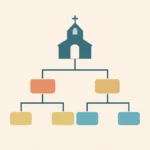
A successful opening of a church requires appropriate leadership structures, legal compliance, and robust accountability. The governance model you adopt should enable spiritual authority and practical administration to work in harmony.
Church polity and leadership structure
Choose a governance model that suits your tradition (e.g., elder-led, pastor-led with a board, or a congregational model with member voting).
Define roles clearly: senior pastor, associate pastors, ministry directors, elders or overseers, and lay leadership teams.
Establish decision protocols for vision casting, budgeting, policy changes, and safety procedures.
Legal and fiscal foundations
For many regions, register as a nonprofit religious organization to obtain tax-exempt status and legal recognition.
Obtain necessary permits for public gatherings, zoning approvals, and facility usage rights.
Implement formal policies on conflict of interest, financial controls, and accountability.
Set up a transparent bookkeeping system and periodic financial reporting to stakeholders.
Bylaws, policies, and risk controls
Draft bylaws or articles of incorporation that reflect your governance model and safeguarding policies.
Develop policies for volunteer management, child safety (e.g., background screening), and safeguarding vulnerable populations.
Prepare for risk management including insurance coverage (property, general liability, clergy malpractice, workers’ compensation where applicable).
Financial planning and fundraising for a healthy launch
Financial health is the backbone of any church opening. A realistic budget, diversified revenue streams, and disciplined stewardship practices set the foundation for long-term ministry impact. Early financial planning reduces stress and increases confidence among leaders, volunteers, and supporters.
Plan for contingencies with an emergency reserve (ideally 3–6 months of operating expenses).
Revenue streams and fundraising strategy
Member-based giving (tithes and offerings) with clear communication about how funds are used.
Special campaigns for projects (facility upgrades, outreach programs, missions).
Grants, partnerships, and donor relationships with transparent reporting.
Alternative models to engage diverse donors (monthly partnership programs, digital giving, legacy gifts).
Financial stewardship and transparency
Regular financial reports to the congregation and key stakeholders.
Independent audits or reviews for credibility (where feasible) and annual financial summaries.
Auditable processes for reimbursements, supplier selection, and expense approvals.
Staffing, volunteers, and leadership development
A church is only as healthy as its people. A thoughtful staffing plan, strong volunteer culture, and ongoing leadership development are essential for the long-term vitality of the opening congregation.
Staffing plan and church staffing model
Define core staff roles for the launch phase (executive pastor, worship/music director, connection pastor, facilities/operations, kids and student ministries, administration).
Determine commitments (full-time, part-time, volunteer) and create a staffing timeline aligned with program needs.
Plan for growth: building capacity through developing lay leaders and volunteer pipelines.
Volunteer management and culture
Recruitment, onboarding, and training pathways for volunteers across ministries.
Clear role descriptions, shift schedules, and recognition systems to sustain motivation.
Establish a volunteer care plan, including pastoral care, gratitude, and learning opportunities.
Leadership development and succession planning
Invest in mentorship, training, and leadership cohorts to equip emerging leaders.
Communicate a succession plan or continuity strategy to maintain stability over time.
Encourage a culture of accountability and feedback through regular reviews and peer coaching.
Worship, preaching, and programming design
Worship and programming are the primary interfaces through which people encounter the church’s life. The opening year should include a sustainable worship plan that reflects the church’s identity while inviting newcomers into meaningful participation.
Worship style and structure
Decide on a worship format that aligns with your theology and audience (liturgical, contemporary, blended, or a distinctive approach).
Plan a regular cadence of gatherings (weekly services, midweek gatherings, special services for holidays).
Develop a rotation of music teams, preachers, and facilitators to prevent burnout and ensure variety.
Teaching and discipleship track
Prepare sermon series that build biblical or theological foundations and connect to everyday life.
Design a discipleship pathway or small group curriculum that supports spiritual growth.
Offer classes or seminars on essential topics (basics of faith, prayer, stewardship, service).
Program mix for the first 12–24 months
Sequential programming: worship services, small groups, children and youth programs, serving opportunities, and outreach activities.
Seasonal events and community-oriented programs to establish a rhythm and visibility.
Inclusive programming that welcomes families, singles, seniors, and diverse backgrounds.
Facilities, campus planning, and accessibility
Where you gather matters. The facility and campus design should reflect the church’s mission, support its programs, and be accessible to all. For many congregations, the opening involves choosing a venue, designing the space, and ensuring daily operations run smoothly.
Location selection and facility strategy
Consider visibility, accessibility, proximity to the target community, and cost.
Decide between leasing, purchasing, or using a multi-purpose facility, with flexibility for growth.
Plan for multi-use spaces that can adapt to worship, fellowship, classrooms, and community services.
Accessibility, safety, and comfort
Ensure ADA compliance and inclusive design (accessible entrances, restrooms, signage, seating).
Address acoustics, lighting, climate control, and safety protocols to create a welcoming environment.
Establish clean, well-maintained spaces with clear wayfinding and child-friendly zones.
Facility operations and maintenance
Develop a facilities calendar and maintenance plan for ongoing upkeep.
Hire or designate facilities staff or volunteers responsible for safety checks, repairs, and risk management.
Plan for technology needs in the space (audio-visual, streaming capability, stage design).
Marketing, outreach, and community engagement
Entering a neighborhood with a clear invitation requires thoughtful communication. A cohesive marketing and outreach strategy helps people understand who the church is, what they offer, and how they can participate.
Branding and messaging
Develop a compelling brand identity: name, logo, color palette, typography, and a positioning statement that resonates with locals.
Craft welcoming messages that reduce barriers for first-time guests and communicate a sense of belonging.
Publish a consistent calendar and program descriptions across channels to reduce confusion.
Digital presence and engagement
Build a functional website with service times, location, contact details, and online giving.
Leverage social media, email newsletters, and streaming platforms to reach both locals and remote followers.
Offer online resources (sermon archives, study guides, event registrations) to extend engagement beyond Sundays.
Community partnerships and service opportunities
Identify local charities, schools, and service organizations for collaboration.
Develop recurring service projects (food drives, mentorship programs, neighborhood cleanups) to demonstrate tangible impact.
Encourage congregational participation in community events to build visibility and trust.
Safety, security, and risk management
Safety is a non-negotiable priority in any church opening. Establishing clear policies, training, and contingency plans protects attendees and staff, and it reinforces trust with the community.
Emergency planning and response
Create an emergency response plan for medical, fire, weather, and security incidents.
Establish roles, communication protocols, and drills for staff and volunteers.
Maintain an up-to-date contact list and obtain access to emergency services when needed.
Child safety and safeguarding
Implement background checks, training on safeguarding, and a clear policy for reporting concerns.
Use transparent check-in/check-out processes and secure areas for children.
Document risk management procedures and ensure compliance with local laws and regulations.
Technology, media production, and live streaming
In the modern church environment, technology supports connection, access, and learning. A thoughtful approach to media and production can extend the reach of the opening congregation and improve the experience for in-person attendees.
AV and production planning
Assess audio, video, and stage design needs based on worship style and space.
Develop a scalable production plan with room to grow—the setup should be replicable and sustainable.
Provide training for volunteers and staff in basic operation, troubleshooting, and remote streaming.
Livestreaming and online ministry
Offer reliable live streaming for both accessibility and outreach to those who cannot attend in person.
Engage online audiences with interactive elements (live chat, Q&A, digital study groups) while maintaining online safety.
Archive services for on-demand viewing and resource sharing.
Launch strategy, milestones, and timeline
A well-timed and well-communicated launch strategy helps the community understand what to expect and when to expect it. A staged approach—pre-launch, soft launch, and grand opening—reduces risk and builds momentum.
Pre-launch phase
Finalize theological direction, leadership roster, and one-year program calendar.
Secure facility, equipment, and initial financial commitments.
Begin outreach activities to build relationships with potential guests and volunteers.
Soft launch and piloting
Begin regular gatherings with a limited audience, gather feedback, and refine operations and programming.
Test volunteer pipelines, safety procedures, and check-in systems in a controlled environment.
Publish clear expectations for attendees and volunteers during the pilot phase.
Grand opening and sustained momentum
Announce the official launch date, provide a welcoming program, and celebrate with the community.
Roll out the full program calendar and leadership teams, with ongoing communications about vision and impact.
Establish a rhythm for weekly gatherings, small groups, and service opportunities to maintain energy beyond the launch.
Evaluation, accountability, and sustainability
Continuous evaluation ensures your church opening remains aligned with its mission while adapting to realities on the ground. Establish feedback loops, hold leaders accountable, and revise plans as needed.
Key metrics and feedback channels
Attendance trends, guest infiltration rate, and retention of first-time visitors.
Volunteer engagement numbers, average giving per attendee, and program participation rates.
Qualitative feedback from surveys, listening sessions, and community partnerships.
Annual planning and refinement
Conduct annual strategic planning retreats to revisit vision, adjust goals, and reallocate resources.
Update policies and best practices in light of experience and external changes (legal, cultural, technological).
Celebrate milestones, acknowledge failures, and recommit to the mission with renewed energy.
Case studies, scenarios, and practical examples
Real-world scenarios can illustrate how the theory and planning translate into action. Consider a few illustrative examples of how successful congregational launches approached key decisions.
Case study A: a multi-cultural urban church
Identified a diverse neighborhood with vibrant cultural groups.
Developed a worship style that blended contemporary music with traditional elements to honor varied backgrounds.
Built partnerships with social service organizations and provided bilingual resources to reach broader audiences.
Case study B: a rural church revitalization
Launched with a focus on families and youth, using outdoor outreach and service projects to build trust.
Implemented modular facilities that could expand as the congregation grew.
Developed a strong volunteer pipeline through local schools and community groups.
Case study C: a church plant with a digital-first approach
Emphasized online community and digital discipleship to complement in-person gatherings.
Leveraged livestream, online groups, and digital content to accelerate growth in a dispersed region.
Invested in data-driven outreach, tracking engagement and conversions from online to offline participation.
Common pitfalls and practical remedies
Every new church faces challenges. Being aware of common pitfalls helps you respond quickly and maintain momentum during the opening of a church.
Pitfalls to avoid
Overpromising and underdelivering: set realistic expectations for launch outcomes.
Mission drift: revisit the core mission and prevent scope creep in programs.
Volunteer burnout: monitor workload, provide rest, and rotate leadership roles.
Financial overreach: maintain a prudent budget and avoid committing beyond sustainable income.
Insufficient guest hospitality: train ushers and leaders to welcome newcomers warmly and effectively.
Practical remedies
Institute a “15–30–60” day honeymoon for new attendees—follow up with personalized connections within two months.
Maintain a living document of decisions, policies, and contact information accessible to staff and key volunteers.
Prioritize listening sessions after major initiatives to capture insights and adjust plans.
Appendix: practical checklists and templates
Use these checklists to organize tasks, track progress, and ensure nothing essential is overlooked during the church opening process. Adapt items to your context and jurisdiction.
Pre-launch checklist
Vision, mission, and values defined in a formal document
Legal incorporation, tax status, and insurance in place
Budget finalized and secured; reserve funds established
Leadership team identified with defined roles
Facility secured and accessibility plan drafted
Worship and program calendar drafted
Volunteer recruitment and onboarding plan ready
Safety, safeguarding, and emergency plans drafted
Marketing plan and brand assets prepared
Technology and streaming capabilities tested
Sample worship service plan
Welcome and introduction to the new church opening
Call to worship and opening prayer
Worship set (contemporary or blended)
Scripture reading and message
Prayer and response time
Community announcements and invitation to involvement
Volunteer roster template
Name, contact information
Role and shift schedule
Training completed (date)
Notes and feedback
Service planning workbook
Theme for the series
Speaker lineup and suggested scriptures
Music and production cues
Logistics: seating, parking, accessibility, and child care
In summary, a thoughtful and intentional church opening blends spiritual purpose with practical systems. The roadmap outlined here emphasizes clarity of mission, robust governance, prudent finances, empowered people, meaningful worship, welcoming hospitality, responsible safety, and sustainable growth. Whether you are launching a brand-new congregation, planting a church in a new community, or revitalizing an existing building with a renewed vision, the considerations above offer a comprehensive framework to guide decision-making, align stakeholders, and sustain impact over time.