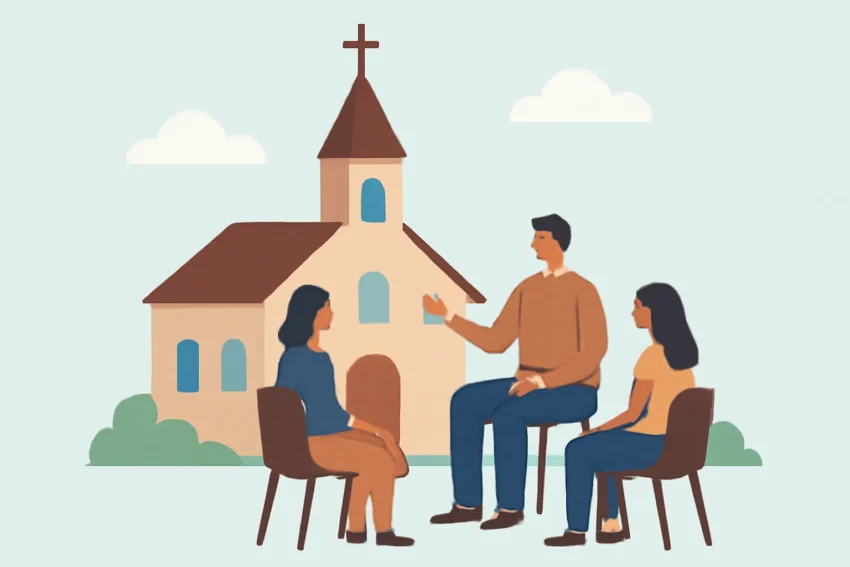
A church meet—whether called a church gathering, a faith-based meetup, or a congregational get-together—serves as a deliberate space where people can connect beyond Sunday worship. It is an invitation to deepen relationships, grow in faith, and partner in service. In the broader vernacular, you might hear terms like church meetups, church gatherings, or congregational meetups, but the underlying aim remains the same: to create an accessible, welcoming, and well-organized environment where community life can flourish.
Organizing a multi-faceted faith community event—whether it’s a casual fellowship night, a structured teaching series, a service project, or a family-oriented gathering—requires thoughtful planning and clear communication. In the pages that follow, you’ll find a practical framework for planning and hosting a successful church meet, one that respects sacred trust while embracing the practicalities of logistics, hospitality, and outreach. This guide uses the phrase church meet in its broad sense to cover all kinds of faith-inspired assemblies, including youth-oriented assemblies, intergenerational meetups, and neighborhood outreach events.
Laying the Foundations: Vision, Audience, and Values
Before you schedule a single session, establish a clear and shared vision for the church gathering. The vision acts as a compass for decisions about content, format, and who should be invited. A well-defined purpose also helps you communicate with volunteers, donors, and participants in a way that builds trust and momentum.
Key questions to answer include:
What is the primary objective of this church meet? (fellowship, discipleship, outreach, service, worship, or a combination)
Who is the target audience (families, youth, seniors, new believers, or the wider neighborhood)?
What tone and style fit the occasion (informal and relational, formal and worshipful, or a balanced blend)?
What outcomes would we consider a success (numbers, depth of relationships, acts of service, or spiritual growth)?
In this guide, we emphasize the value of inclusive language and a setting that honors dignity, safety, and accessibility. A well-communicated mission statement helps people understand why the event exists and how it fits with the broader mission of your church or faith community.
Planning Foundations: Goals, Audience, and Budget
Defining goals for a faith gathering
Concrete goals guide every later decision. Consider goals such as:
Provide welcoming hospitality to newcomers and guests
Offer discipleship opportunities through teaching, small groups, or discussion
Foster fellowship and mutual care among members
Engage in outreach to neighbors and the wider community
Model practical service through a community project
Understanding your audience
The audience for a church meet can be diverse. Segment your planning into audiences such as:
Families with children
Young adults and students
Seniors seeking meaningful community
Newcomers exploring faith
Volunteers who will help run the event
For each segment, consider specific needs, such as childcare, accessibility, language, and transportation. A thoughtful approach to audience helps ensure that a church meet is accessible to all and highly valued by participants.
Budgeting and resource planning
Every congregational meetup requires resources, even if modest. A practical budgeting approach includes:
Estimating costs for space, equipment, materials, and meals
Identifying funding sources (church budget, donations, or in-kind support)
Allocating funds for volunteer training and background checks if necessary
Planning for contingencies (weather, tech issues, last-minute changes)
Even with a tight budget, you can achieve a high-quality church meet by prioritizing essentials, leveraging existing church facilities, and enlisting volunteers who bring energy and creativity to the project.
Logistics: Venue, Schedule, Accessibility, and Safety
Choosing the right venue
The venue should support the goals of the faith gathering and be accessible to all participants. Options include:
Church facilities (sanctuary, fellowship hall, classrooms)
Outdoor spaces (parks, courtyards) with appropriate permits and weather contingency plans
Hybrid spaces that allow in-person and online participation
For inclusive accessibility, assess seating, lighting, acoustics, signage, and restrooms. Consider sensory-friendly times or spaces for individuals with different needs.
Scheduling and cadence
The scheduling decision should align with the availability of the key participants and the overall rhythm of your church calendar. Consider:
Frequency (monthly, quarterly, or a one-off event)
Timing (evenings, weekends, or midday sessions to maximize attendance)
Duration (60–120 minutes typically works well for most gatherings)
Lead-time for promotion (minimum 3–6 weeks is common for larger events)
When planning, build in buffer time between segments (welcome, worship, teaching, fellowship, and service projects) so the event feels relaxed rather than rushed.
Technology, equipment, and setup
Even a simple church meet benefits from reliable technology. Consider:
Audio equipment (microphones, speakers, amplifiers) and sound checks before attendees arrive
Visuals (projector, screen, lyrics, slides) and a backup plan for tech failures
Live streaming or recording for remote participants or future viewing
Room layout and signage to guide flow and reduce confusion
Have a tech steward and a printed or digital program so attendees can follow along even if the internet or devices hiccup.
Program Design: Structure, Content, and Fellowship
Creating a thoughtful flow
A well-designed program balances spiritual nourishment with practical engagement. A typical structure might include:
Warm welcome and icebreaker or greeting
Brief worship or reflection time
Short teaching or testimony relevant to the theme
Interactive activity or small-group discussion
Community service planning or outreach invitation (if applicable)
Closing prayer or blessing and a clear next step
Worship, teaching, and content choices
The content should align with the values of the community and the mission of the church. Consider a range of formats, such as:
Group prayer and meditation sessions
Short sermons or teaching segments tailored for the setting
Testimonies from members, guests, or service recipients
Music-led worship, hymns, or modern worship songs with accessible lyrics
Storytelling or narrative presentations that connect faith to daily life
Small groups, discussion, and fellowship
Small-group experiences are often the lifeblood of a successful church meet. They create spaces for accountability, care, and deeper learning. Practical ideas include:
Topic-focused discussion groups following a brief teaching
Interest-based clubs (e.g., parenting, career, discipleship, or service projects)
Structured conversations with prompts to ensure everyone is heard
Post-event socials such as a potluck or dessert bar to encourage informal connection
Service and outreach components
A compelling church gathering often includes a tangible call to action or a service-oriented component. Options include:
Neighborhood outreach planning or a simple service project you can do together
Donations drive (food, clothing, school supplies) with clear pickup or drop-off logistics
Partnership with local ministries to introduce ongoing engagement
Emphasize volunteer leadership and shared ownership so attendees feel like co-custodians of the event rather than passive guests.
Hospitality and Guest Experience
Pre-event communication and guest care
The first impression matters. Proactive communication helps guests feel valued and informed. Consider:
Clear invitation messaging with date, time, location, and what to expect
Simple RSVP options and reminders as the event approaches
Notes about accessibility, childcare, dietary considerations, and parking
Greeters, signage, and navigation
A warm, well-organized arrival experience conveys hospitality from the moment guests step onto the premises. Practical steps include:
Friendly greeters at entrances who can answer questions
Clear signage and a printed program or digital guide
A designated welcome area with information about ongoing ministries
Food, beverage, and fellowship spaces
Food and drink can be a powerful facilitator of connection, but they require planning. Consider:
Budgeting for light refreshments or a potluck model that encourages participation
Clear food safety practices and allergen information if serving meals
Designated spaces that invite conversation, not just queueing, with comfortable seating
Outreach and Community Engagement
Inviting neighbors and inviting engagement
A successful church meet often extends beyond the walls of the church. Practical outreach ideas include:
Hosting a community night open to neighbors with activities for families
Providing resource tables for local organizations or services
Collaborating with schools, libraries, and civic groups on joint events
When you invite, make your invitations genuinely welcoming. Avoid pressure, and emphasize the value of community and care.
Partnerships and shared leadership
Church meets can be enriched through collaboration with other churches or local ministries. Consider:
Joint prayer events or service projects
Shared spaces or venues to increase accessibility
Cross-promotion and mutually beneficial marketing
Maintaining a respectful online presence
In the digital age, an online footprint is a key part of outreach. Ensure your online presence reflects hospitality and clarity:
Clear information about upcoming church meets, including a contact point for questions
Accessible event pages with RSVP links and directions
Moderation guidelines for social media discussions to keep conversations civil and constructive
Volunteer Management: Roles, Training, and Stewardship
Defining roles and responsibilities
A well-run church meet relies on a diverse team of volunteers who own specific parts of the event. Consider roles such as:
Event coordinator and lead organizer
Hospitality team (greeters, registration, welcome desk)
Logistics team (setup, sound, tech, signage)
Creative team (music, visuals, outreach ideas)
Small group facilitators and discussion moderators
Safety and accessibility stewards (including first aid support and crowd management)
Training, preparation, and ongoing support
Provide concise training so volunteers feel confident in their roles. Training can cover:
Event-specific goals and timelines
Communication protocols (how to handle questions, changes, and emergencies)
Hospitality best practices and inclusive service
Basic safety procedures and risk awareness
Create a simple volunteer handbook or checklist that teams can reference. A well-prepared team model fosters trust and reduces stress on the day of the event.
Measuring Success, Feedback, and Adaptation
Defining meaningful metrics
Not every event needs to track the same metrics, but some common indicators can help you learn and improve:
Attendance and guest retention rates
Volunteer engagement and satisfaction
Feedback on logistics (parking, sign-in, comfort, and accessibility)
Quality of conversations in small groups and follow-up interest in ongoing involvement
Impact on outreach metrics (new visitors, sign-ups for programs, or service actions completed)
Feedback loops and continual improvement
Solicit feedback from participants and volunteers through short surveys, comment cards, or post-event conversations. Use the input to adjust:
Content and pacing of the program
Logistics, including venue, accessibility, and technology
Embrace a spirit of continual improvement rather than perfection. A growth mindset helps your church meet evolve in ways that benefit the whole faith community.
Common Challenges and Practical Solutions
Every church meet encounters challenges. Here are some common scenarios and practical ideas to handle them with grace:
Low turnout — Expand outreach, adjust timing, emphasize personal invitations, and provide a compelling reason to arrive early (free resources, childcare, or a special guest).
Volunteer burnout — Rotate roles, recruit more volunteers, and provide clear, achievable tasks with visible appreciation.
Technical glitches — Run a rehearsal, have a backup plan (manual notes, printed lyrics), and designate a tech lead for quick problem-solving.
Accessibility gaps — Conduct an accessibility audit, offer live captions or translators if needed, and ensure seating and signage are legible for all.
Safety concerns — Establish a risk assessment, designate a safety team, and communicate safety protocols clearly to participants.
Checklists and Templates to Jumpstart Your Planning
Maintaining practical checklists helps ensure nothing falls through the cracks. Here are some ready-to-use templates you can adapt for your own church meet.
Six-week planning checklist
Week 6: Finalize purpose, confirm date/time, and lock the venue
Week 5: Recruit volunteers and assign roles; begin first round of communications
Week 4: Plan content flow, secure speakers or facilitators, prepare materials
Week 3: Promote the event widely; set up sign-ups for volunteers and attendees
0:25–0:40 — Short teaching or testimony related to the theme
0:40–0:60 — Small-group discussion or guided activity
0:60–0:75 — Community project briefing or outreach invitation
0:75–0:90 — Closing prayer, announcements, and hospitality moment
Communication templates
Invitation message: clear date, time, venue, and purpose; note any special considerations (kids, accessibility, attire)
Reminder message: include program highlights and last-minute logistics
Follow-up message: thank-you note, sharing outcomes, and next steps for involvement
Conclusion: A Call to Thoughtful Hospitality and Shared Mission
A well-organized church meet has the potential to become a meaningful anchor in your community’s life. It is more than a one-off event; it is a pathway to deeper relationships, sustained service, and ongoing spiritual growth. By starting with a clear vision, carefully planned logistics, compassionate hospitality, and robust volunteer leadership, you can create a series of gatherings that people look forward to and remember. Variations of this gathering—whether described as a church gathering, a faith-based meetup, or a congregational event—should be evaluated against the same standards of accessibility, care, and clarity.
Remember to celebrate progress, acknowledge volunteers, and invite continual feedback. In practicing these principles, your church meet becomes not only an opportunity to worship and learn, but also a practical expression of faith in action: a living example of a community that cares for its neighbors, serves with joy, and grows together in grace.
If you follow this guide, you will be better prepared to host church gatherings that respect the sacred trust of community while delivering tangible benefits to participants and neighbors alike. May your congregational meetups be rich in encounter, constructive in impact, and enduring in their ability to bring people closer to one another and to God.