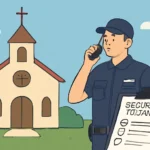
A well-constructed safety plan is essential for every faith community. A church security team, often referred to as a security ministry or security team, is not about policing congregants but about creating a safe environment where people can worship, learn, and grow in peace. This article provides a practical, step-by-step guide to building an effective safety plan that protects attendees, staff, volunteers, and facilities while respecting privacy, dignity, and the values of the church. By adopting a holistic approach that covers governance, people, processes, and places, congregations of all sizes can cultivate a resilient culture of safety.
Building a Vision for Safety: Why Every Congregation Needs a Plan
Churches operate as complex ecosystems—houses of worship, community centers, schools, and charity hubs all in one. A robust safety strategy acknowledges this complexity and translates it into practical actions. The goal is not to fear-morn but to prepare effectively. A clear vision helps align volunteers, staff, and leadership around shared priorities: prevention, preparedness, response, and recovery.
Prevention focuses on reducing risk before incidents occur through awareness, environmental design, and policy.
Preparedness means training, drills, and resource readiness so teams know what to do when a concern arises.
Response covers the actions taken during an event to protect life and property while maintaining order and compassion.
Recovery encompasses post-incident support, communication, and evaluation to strengthen future resilience.
A successful approach also recognizes that safety is a shared responsibility. It requires leadership commitment, volunteer engagement, and a culture of continuous improvement. In practice, this means defining a mission for the security team, establishing governance structures, and communicating expectations to every stakeholder in the church community.
Forming a Church Security Team
Defining a Mission and Scope
Start by articulating a mission statement for the security team that reflects the church’s values. The mission should identify the scope of responsibility—visitor safety, building security, emergency response, and safeguarding across programs. A well-defined scope prevents mission creep and clarifies accountability.
Volunteer Roles and Diversity
Build a diverse pool of volunteers to reflect the congregation. Consider roles such as entry-point monitors, patrols, communications specialists, evacuation coordinators, and first aid responders. Diversity in age, background, and skills enhances problem-solving and community trust.
Authority, Governance, and Boundaries
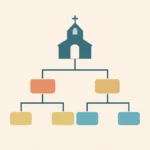
Establish a clear governance model with a chain of command. Define who has decision-making authority during an incident and how information flows to leadership and to the congregation. Maintain legal boundaries and confidentiality, ensuring volunteers operate within their competencies and receive supervision.
Volunteer Recruitment and Retention
Invest in onboarding, ongoing training, and recognition. A well-supported security team is more effective and less prone to burnout. Create role descriptions, schedules that respect volunteers’ other commitments, and opportunities for advancement within the security ministry.
A code of conduct sets expectations for behavior, communication, and interactions with worshippers, children, and staff. Emphasize respect, non-discrimination, and de-escalation techniques. Enforce the code consistently to maintain trust.
Screening, Safeguards, and Background Checks
Implement a robust screening process for volunteers, including background checks, reference verification, and interview assessments. Pair screening with ongoing training and supervision to maintain a safe environment for all ages.
Access Control and Visitor Management
Define who may access sensitive areas and when. Use visitor check-in systems, badge issuance, and controlled entry points to monitor movement without creating a hostile atmosphere. Balance security with hospitality.
Incident Reporting and Documentation
Create simple, standardized reporting forms for safety concerns, near-misses, and incidents. Ensure timely documentation, follow-up actions, and data retention aligned with privacy requirements.
Risk Assessment and Security Planning Processes
Asset and Venue Assessment
Conduct a comprehensive assessment of critical assets: people, facilities, technology, and information. Map access points, high-traffic zones, and potential bottlenecks in crowd flow. Use a combination of physical walkthroughs and scenario planning to identify vulnerabilities.
Threat Scenarios to Consider
Consider a range of scenarios relevant to your context, including medical emergencies, weather events, intrusions, active threats, and large crowd management. Focus on realistic, probable situations rather than theoretical extremes.
Prioritizing Risks
Rank risks by likelihood and impact, then allocate resources to the highest-priority items. Use a simple risk matrix to help decision-makers visualize where to invest in prevention, training, and equipment.
Training, Drills, and Exercises
Initial Training for the Security Team
Provide foundational training in risk awareness, de-escalation, first aid, and emergency communication. Include familiarization with church layouts, exit routes, and shelter-in-place procedures.
Ongoing Education and Skill Refreshers
Schedule regular refreshers on topics such as CPR/first aid, trauma-informed responses, legal considerations, and communication protocols. Use a mix of in-person and digital formats to accommodate volunteers.
Drills, Exercises, and After-Action Review
Run periodic drills that simulate different scenarios. After-action reviews should identify what went well, what needs improvement, and how to adjust policies and training. Emphasize learning rather than blaming.
Role-Specific Training
Tailor training to each role. For example, entry monitors learn guest greeting and incident reporting, while evacuation coordinators practice crowd management and communication under stress.
Design safe perimeters around the campus with clear sightlines, well-lit entrances, and logical flow for attendees. Consider visitor designation, controlled doors, and routines for opening and closing procedures.
Lighting, Visibility, and Deterrence
Good lighting reduces blind spots and enhances safety by increasing visibility. Use motion-activated lighting in edges and parking areas, and ensure interior spaces have adequate lighting for cameras and staff.
Surveillance, Alarms, and Monitoring
Implement a layered approach to monitoring with a combination of cameras, alarms, and on-site personnel. Ensure cameras are compliant with privacy policies and visible to deter inappropriate activity.
Safe Rooms, Evacuation Routes, and Assembly Points
Designate safe rooms for medical or security situations, clearly mark evacuation routes, and establish primary and secondary assembly points. Practice evacuations regularly to maintain familiarity.
Manage keys, access cards, medical supplies, and critical equipment with controlled distribution and logging. Ensure privacy for sensitive materials and minimize the risk of loss or misplacement.
Communication Protocols During Incidents
Code Words and Chain of Command
Use predefined code words or phrases to convey information quickly and discreetly. Establish a clear chain of command so volunteers and staff know whom to contact for escalation.
Public vs. Internal Communication
Differentiate between communications intended for the broader congregation and those for security personnel and leadership. Maintain calm and compassion in all messages, prioritizing safety and accuracy.
Communication Tools and Redundancy
Equip the team with reliable tools—two-way radios, dedicated mobile apps, and landlines as backups. Ensure everyone understands how to reach safety leadership, medical responders, and local authorities.
Information Management and Privacy
Share information on a need-to-know basis. Protect sensitive data, especially related to minors, victims, or medical conditions. Avoid publishing operational specifics that could compromise safety.
Coordination with Local Authorities and Community Resources
Liaison with Police, Fire, and Emergency Medical Services
Establish relationships with your local public safety agencies. Schedule regular briefings and invite them to conduct walkthroughs and joint drills to build trust and alignment.
Mutual Aid and Memoranda of Understanding
Develop mutual aid agreements that outline roles, responsibilities, and response times during large events or emergencies. Include contingencies for facility access and radio communication.
Medical Support and Mental Health Resources
Ensure access to first aid and, when needed, trauma-informed care providers. Build awareness of local crisis hotlines and mental health resources for staff, volunteers, and attendees.
Legal, Ethical, and Privacy Considerations
Consent, Records, and Data Privacy
Collect only what is necessary for safety and comply with applicable privacy laws. Secure digital and physical records, limit access, and establish retention schedules for incident reports and medical information.
Implement safeguarding policies in alignment with your denomination and local laws. Conduct background checks for personnel working with minors, provide ongoing training, and maintain a clear reporting path for concerns.
Non-Discrimination and Inclusion
Ensure safety measures are applied equitably. Avoid profiling or biased assumptions; provide interpreters or accessibility accommodations as needed to serve the entire congregation.
Liability, Insurance, and Compliance
Review insurance coverage and legal obligations related to risk management, use of volunteers, and incident response. Consult legal counsel or a risk manager to ensure compliance with local regulations.
Volunteer Management and Sustainability
Role Clarity and Succession Planning
Maintain clear role descriptions and succession plans to prevent gaps in coverage. Regularly review staffing needs and recruit replacements before vacancies occur.
Background Checks and Safeguards
Make background checks an ongoing process rather than a one-time hurdle. Implement ongoing monitoring and annual reaffirmation of roles for all volunteers.
Training Pathways and Certification
Create structured training paths with milestones, certifications, and recertification cycles. Recognize volunteer achievements to foster motivation and retention.
Prioritize the well-being of security volunteers by encouraging reasonable shifts, peer support, and access to resources for stress management. Respect boundaries to prevent burnout.
Budget, Resources, and Evaluation
Budgeting Basics
Develop a realistic budget that covers training, equipment, uniforms, communications, and incident response. Build in contingencies for unexpected events.
Resource Allocation and Equipment Lifecycles
Plan for regular replacement, maintenance, and upgrades of equipment such as radios, cameras, and first aid supplies. Establish inventory controls to track assets and prevent waste.
Program Evaluation and Continuous Improvement
Use metrics to assess the effectiveness of the safety program. Track incident rates, drill performance, response times, and volunteer satisfaction. Use findings to adjust policies and training curricula.
Examples and Case Studies: Lessons from the Field
Real-world experiences offer valuable insights for churches seeking to improve their safety culture. While every congregation is unique, certain themes recur across communities:
Early engagement with leadership signals a commitment to safety and helps secure necessary resources.
Clear communication protocols reduce confusion during emergencies and improve coordination with authorities.
Ongoing training and regular drills build muscle memory, making responses more automatic and less chaotic.
Transparent reporting mechanisms encourage volunteers and staff to raise concerns without fear of reprisal.
Environment design that balances hospitality with security—such as friendly greeters at entry points—protects the sense of welcome while deterring threats.
Every case study reinforces the idea that the most effective safety plans are community-driven, adaptable, and rooted in a shared purpose: protecting life and preserving the church’s mission.
Maintaining and Updating the Safety Plan
A safety plan is not a static document. It should evolve with changes in the congregation, facility modifications, and new threats or best practices. Establish a regular review cadence, at least annually, and after every drill or real incident.
Review governance and roles to ensure clarity and accountability.
Revisit risk assessments in light of new programs, renovations, or security technologies.
Update policies and procedures to reflect lessons learned and legal changes.
Refresh training materials and conduct new drills to test revisions.
Communicate changes to the entire church community and gather feedback for continuous improvement.
The process should be inclusive, inviting input from clergy, staff, volunteers, and congregants. A transparent approach strengthens trust and encourages broader participation in safeguarding efforts.
Conclusion: A Shared Commitment to Safety
Building an effective safety plan for a church involves more than installing locks or posting guards. It is about cultivating a safety-conscious culture that respects people, honors spiritual values, and fosters a sense of community where everyone can worship with confidence. A successful church security team—whether called a security ministry, safety team, or protection ministry—aligns governance, skills, and compassion in a coherent strategy. By focusing on planning, people, processes, and place, congregations of all sizes can enhance safety without compromising hospitality.
If you are starting today, begin with a practical first step: assemble a diverse planning committee that includes clergy, lay leaders, and volunteer security representatives. Map out a simple emergency action plan, define roles, and schedule a basic training session within the next 30 days. From there, expand gradually—refining policies, conducting drills, and investing in the resources that keep your church family safe while remaining a welcoming place for all who seek spiritual nourishment.