The term Christ Holiday refers to a festive and sacred time surrounding the birth of Jesus Christ. While many people know this season simply as “Christmas,” the concept of a Christ holiday encompasses a wide range of religious observances, cultural customs, and social rituals that have evolved over centuries. In this article, we will explore the meaning, history, traditions, and practical ways to celebrate the Christ holiday in a way that honors its spiritual roots while recognizing its broader, shared significance in many cultures. Whether you call it the Christmas holiday, the Nativity season, or the Christmas season, the core idea remains: a time of reflection, generosity, family, and joy that extends beyond any single faith tradition.
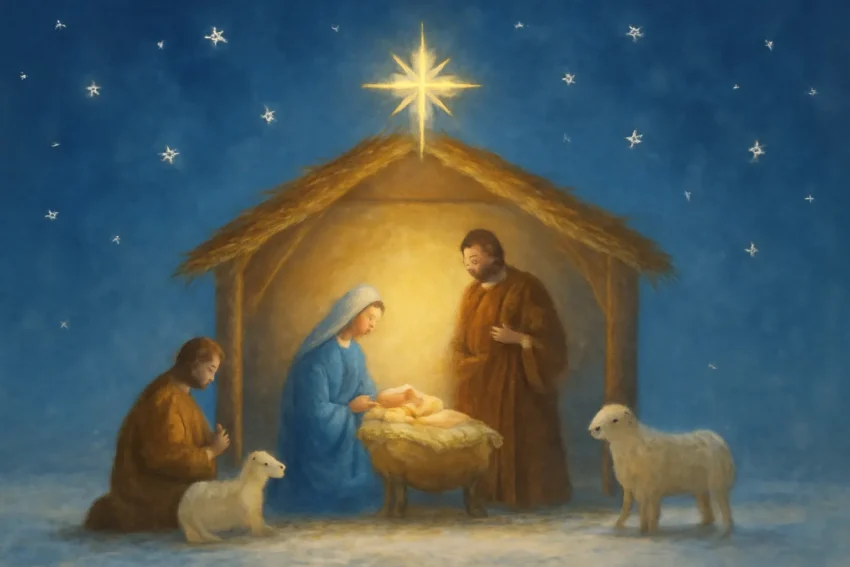
At its core, the Christ holiday centers on the birth of Jesus as a pivotal event in Christian theology—the moment many Christians believe God became incarnate among humanity. This is often summarized in the term Incarnation, the belief that the divine took on human flesh. The narrative of this event is traditionally told through the Nativity story, which portrays Mary and Joseph in Bethlehem, the newborn Jesus, shepherds, angels, and, later, Magi who visit with symbolic gifts. But the meaning of the holiday of Christ extends beyond a single story; it invites believers to reflect on themes such as peace, hope, forgiveness, and love.
Several core ideas characterize the meaning of this Christian holiday as well as its secular manifestations:
Incarnation and the idea of a God who enters human life in vulnerability and humility.
Hope and the belief that light can overcome darkness, especially during the winter season in many parts of the world.
Peace and reconciliation, often expressed through gatherings, forgiveness, and nonviolent service to others.
Generosity and sharing with those in need, which is expressed in charitable giving, meals, and acts of kindness.
Community and belonging—families, friends, and neighbors coming together to celebrate shared values and rituals.
In many cultural contexts, the Christ holiday also carries a secular, seasonal spirit. People of diverse faiths and backgrounds join in the festivities, exchange gifts, light decorations, sing carols, and enjoy festive foods. This broader, more inclusive sense of the season is often described as the Christmas season or Christmastide, which acknowledges both reverent worship and communal joy. By recognizing these dual dimensions—religious reverence and secular celebration—we can approach the holiday of Christ with respect for tradition and openness to shared human values.
History of the Christ Holiday
Early Christian roots and the naming of the holiday
The earliest Christian communities did not celebrate a single fixed date for the birth of Jesus. The practice of commemorating the birth of Christ gradually emerged within the broader worship life of the Church. The term Christ Holiday in its current sense is linked closely to the development of the church calendar and to the celebration known colloquially as Christmas, which itself derives from the phrase “Christ’s Mass.” In many languages, the tradition is anchored in a church service that honors the Incarnation—the dawning of divine presence in human history.
Historical records indicate that by the 4th century, Western Christians began to formalize a December celebration of Jesus’ birth, though the exact date was debated. The association of the holiday with December 25 gradually became widespread in the Western Church. Over time, this date became a focal point for liturgical seasons, including Advent (a season of preparation lasting roughly four weeks before Christmas) and Epiphany (the revelation of Christ to the Gentiles and the broader manifestation of the divine to the world).
The selection of December 25 as the date to celebrate the birth of Christ was influenced by a synthesis of religious symbolism and existing winter rituals. Many ancient cultures marked the solstice as a time of turning from darkness toward light. As a result, the Christ holiday has absorbed elements from earlier pagan celebrations such as the winter solstice, Saturnalia, and other midwinter feasts. The Christian authors and church authorities who shaped the holiday often used familiar seasonal imagery—light in the darkness, feasting after a fast, and communal celebration—to help new converts see the message of Christmas as a fulfillment of long-standing human longing for divine peace.
Medieval, early modern, and modern developments
Throughout the Middle Ages, the Christ holiday acquired a rich tapestry of customs and legends. Nativity plays, pageants, and drama about the birth of Jesus became a major form of Christian edification and entertainment. The figure of Saint Nicholas, later transformed into Santa Claus in some cultures, emerged as a beloved gift-giver associated with the season. In medieval Europe, the celebration of Christmas was as much about communal worship and pageantry as it was about family life and feasting.
With the advent of the printing press, improved literacy, and rising literacy rates in the early modern period, Christmas carols and nativity narratives spread more widely. The Victorian era saw a renaissance in Christmas traditions—home-centered celebrations, evergreen decorations, and a renewed emphasis on family values. The 19th and 20th centuries also witnessed the commercialization and globalization of the Christ holiday, transforming some of its practices into universal symbols of generosity, hospitality, and shared humanity. In many places today, the secular and sacred strands of the Christmas season sit side by side, each reinforcing the other in a broad public life.
Global diffusion and cultural variation
As the Christ holiday spread to different continents, it took on local forms. In some nations, Christian denominations have maintained strict liturgical observances, while in others, secular festivities have become dominant. Across Asia, Africa, Europe, the Americas, and Oceania, you can find a remarkable diversity of practices: luminarias on street corners, midnight Mass, family dinners with regional specialties, and communal service projects. This global diffusion demonstrates how a single religious observance can be reimagined through culture, climate, economy, and history, producing a living mosaic of customs that still centers on the themes of Incarnation, hope, and generosity.
Traditions of the Christ Holiday
Religious rites and liturgical observances
For many believers, the core of the Christ holiday is found in liturgical acts that mark the sacred narrative. These rites emphasize the awe of the Nativity and the significance of God’s presence in human life. Prominent traditions include:
Advent celebrations, which prepare the faithful for Christmas through scripture, prayer, and penitence. Some communities observe Advent calendars or wreaths with candles representing each week of anticipation.
Christmas Eve and Christmas Day services, including Midnight Mass in many Catholic and some Anglican and Lutheran churches, and morning services in Protestant congregations.
Nativity plays and carol services, which retell the story of Mary, Joseph, and the infant Jesus and invite congregants to reflect on the themes of peace and goodwill.
Epiphany celebrations in some traditions, highlighting the revelation of Christ to the Gentiles and the gifts of the Magi. In certain cultures, Epiphany serves as the culmination of the Christmas season.
Home rituals and family customs
Many households develop their own Christ holiday traditions that help connect generations and preserve memory. These practices often center on storytelling, shared meals, and symbolic objects. Common home rituals include:
Decorating the home with a tree, nativity scene or creche, garlands, lights, and evergreen wreaths that symbolize enduring life.
Advent calendars or calendars with small treats or spiritual reflections—one window per day leading up to Christmas to mark the countdown.
Reading the Nativity narrative or related scriptures as a family on specific evenings during the season.
Gift exchanges driven by themes of gratitude, humility, and thoughtfulness. Some families emphasize gifts that support charitable giving or sustainable living.
The Christ holiday has inspired a vast repertoire of sacred and secular songs, hymns, carols, and instrumental music. From ancient chants to contemporary compositions, musical traditions make the season emotionally resonant and publicly celebratory. In addition to music, many communities embrace art, drama, and literature that depict the Nativity and its themes. Public concerts, school plays, and church concerts are common manifestations of this creative dimension of the holiday season.
Culinary traditions
Food is a central part of the Christmas season, acting as a vehicle for hospitality, memory, and cross-cultural exchange. Traditional dishes vary widely, yet several motifs recur: feasting, sharing, and the generosity of hospitality.
Special dinners featuring roast meats, seafood, or plant-based mains depending on local customs and dietary practices.
Sweet treats like fruitcakes, mince pies, buche de Noel (yule log), panettone, stollen, or other regional specialties.
Comfort foods that families reserve for this time of year, such as soups, stews, dumplings, or casseroles, often paired with seasonal vegetables and fruits.
Traditional beverages, including hot cocoa, mulled wine, fruit punch, and regional specialties that evoke communal warmth.
Gift-giving and acts of charity
Gift-giving is a well-known facet of the Christ holiday in many cultures, symbolizing generosity and the sacrificial gifts of the Magi in the Nativity story. However, a meaningful interpretation emphasizes intention over extravagance. People often center their practice of giving on:
Charity and service to those in need, including food pantries, shelter programs, and community support for marginalized groups.
Gifts that reflect personal values or practical needs, rather than mere consumption.
Gifts that encourage shared experiences—books, games, or activities that families can enjoy together.
Regional and global variations
Across continents, you will find myriad variations of the Christ holiday. Some examples include:
Europe emphasizes formal liturgy, Christmas markets, and regional dishes (for example, roast goose, dumplings, or special fish feasts).
Latin America often blends Catholic processions, street pageants, and lively music with family markets and regional cuisine that feature corn, beans, peppers, and festive breads.
Africa and the Caribbean frequently combine Christian worship with strong community gatherings, music with drums and brass, and celebratory meals that reflect local flavors and agricultural cycles.
Asia includes diverse practices—some Christian communities maintain their liturgical devotion in languages and customs native to their cultures, while others participate in broad secular celebrations that emphasize universal values such as hope and peace.
These variations illustrate how the Christ holiday adapts to different cultural landscapes while preserving its essential message: the story of Christ’s birth and its implications for human lives, communities, and the world at large.
How to Celebrate the Christ Holiday
Whether you are rooted in a religious tradition or drawn to the season for its cultural and communal aspects, there are many thoughtful and inclusive ways to celebrate the Christmas holiday. The aim is to honor meaning, foster connection, and extend care to others. Here are practical ideas categorized by focus areas:
Spiritual preparation and reflection
Set aside regular moments for quiet reflection, prayer, or meditation on themes like peace, grace, and hope.
Read or listen to the Nativity narrative and related scriptures or spiritual writings to deepen understanding of the Incarnation.
Participate in a weekly Advent service or a local church activity that emphasizes contemplative practice and gratitude.
Family-centered practices
Create or update a nativity scene that invites children and guests to reflect on the narrative and its meanings.
Involve each family member in preparing a meal or sharing a favorite story or memory from past Christmases, fostering a sense of continuity and belonging.
Use an Advent calendar with daily reflections or small acts of kindness to build anticipation and intentionality.
Volunteer at a local charity, shelter, or community kitchen. The Christ holiday can be a powerful time to act on the value of generosity and solidarity.
Invite neighbors, coworkers, or classmates to a holiday meal or potluck to strengthen social bonds and welcome outsiders into a shared celebration.
Donate or contribute to clothing drives, food banks, or humanitarian initiatives tied to the season’s spirit of caring for the vulnerable.
Choose gifts and decorations with durable materials, fair labor practices, and low environmental impact.
Practice mindful consumption by choosing experiences over excess and by prioritizing charitable giving as a way to honor the season’s values.
Inclusive approaches to the season
Not everyone observes the Christ holiday in the same way, and some people may be from different faith backgrounds or none at all. An inclusive approach honors diverse beliefs and emphasizes shared human values such as kindness, mercy, and community. This can include respectful recognition of other winter holidays or simply focusing on universal themes like family, gratitude, and helping others.
Planning and practical tips
Set realistic expectations for gifts, travel, and gatherings to prevent stress and burnout during the season.
Schedule time for rest and self-care amidst the busyness, recognizing that recovery is essential for meaningful celebration.
Use simple, practical rituals that can be repeated across years, building a sense of rhythm and memory for future generations.
In choosing how to celebrate the Christ holiday, consider what matters most to you—spiritual depth, family closeness, community service, or cultural tradition—and seek a balance that reflects your values. The most lasting celebrations are often those that cultivate compassion, honesty, and shared humanity, rather than mere spectacle.
Concluding Thoughts on the Christ Holiday
Across centuries and continents, the Christ Holiday has remained a powerful anchor for millions of people who seek meaning in a season marked by light, generosity, and renewal. Whether approached as a strictly religious celebration or as a broad cultural festival, the core messages of hope, peace, love, and generosity sustain the holiday’s relevance today. By acknowledging both the sacred narratives and the communal rituals, we can participate in a form of celebration that honors tradition while inviting inclusive, compassionate action in our communities.
As you plan your own observance of the Christ holiday, remember that the most enduring aspects are often simple: a shared meal with loved ones, a moment of quiet reflection, a commitment to care for others, and a sense of gratitude for life’s ordinary miracles. In this way, the holiday becomes less about consumption and more about connection—the very heart of what makes this season meaningful for people around the world.