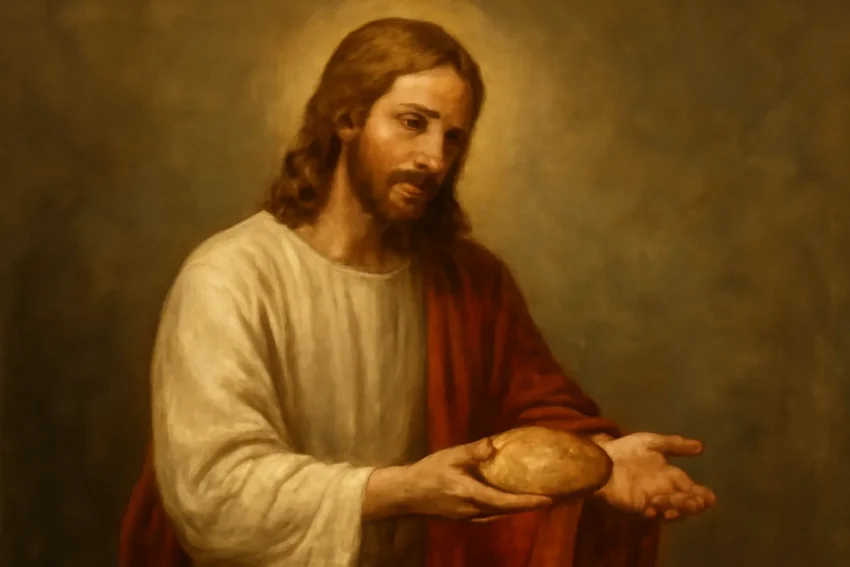
The phrase “Christ giving” points to how Jesus Christ reaches out in love and generosity toward humanity. It signals more than a single event; it describes a pattern of action through which God communicates grace, forgiveness, life, and hope. In Christian thought, the gift that comes from Christ is multifaceted: it includes the self-giving of the Son, the forgiveness of sins, reconciliation with God, the presence of the Holy Spirit, and the transformation of lives. This article explores Christ giving as a theological idea, a scriptural reality, and a lived practice. We will trace how the gift is described in Scripture, how different Christian traditions understand it, and how believers today respond to the gift with faith, worship, and service.
The Gift at the Heart of Christian Faith: What Jesus Gives
When people speak of Christ giving, they are often pointing to the deepest claims of the Gospel: that God, in the person of Jesus, offers a way back from sin and brokenness to right relationship with the Creator. This offering is not merely advice or a moral example; it is a personal, transformative gift. Central to this understanding is the idea that grace stands behind every aspect of the gift—an unmerited favor that invites a response of gratitude and trust.
Jesus’ self-giving: the heart of the gift
A core way to describe Jesus giving is to say that the Son gives of himself for others. The Gospels portray the self-offering of Christ as the decisive act through which the divine gift enters human history. The cross is not an unfortunate accident but the culminating expression of Christ’s giving, whereby God’s love meets human need in a concrete, historical moment.
Different facets of the Gift: forgiveness, life, and presence
The gift of Christ encompasses several interrelated blessings. First, there is forgiveness—the removal of guilt and the restoration of a right standing before God. Second, there is new life—a transformative power that begins now and reaches into eternity. Third, there is the presence of the Holy Spirit, the ongoing gift that sustains believers, guides them, and equips them for service. Taken together, these aspects show that Christ giving is not a one-time event but a continuous invitation to abide in God’s grace.
Christ giving as a good gift for the world
In a broader sense, the giving of Christ extends beyond individual salvation. It includes the creation of a new community—the Church—that witnesses to the grace of God and participates in justice, mercy, and reconciliation in the world. The gifts of Christ empower believers to love their neighbors, to bear one another’s burdens, and to participate in God’s mission to repair the brokenness of creation.
Scriptural Foundations: Where the Gift Is Described
The Bible presents Christ giving as both a historical event and a theological truth that shapes how God relates to humanity. Several passages are central to understanding the gift of Christ:
John 3:16—God’s love for the world leads to the giving of the Son, so that whoever believes may have eternal life.
Romans 5:8–11—Christ’s sacrificial act demonstrates God’s love while we were sinners, bringing reconciliation and justification by faith.
Ephesians 2:8–9—salvation is a gift of God’s grace through faith, not a result of human works, so no one may boast.
Titus 3:4–7—the kindness and love of God the Savior appeared; Jesus gives new life through the Holy Spirit, making believers heirs of the promise.
2 Corinthians 9:15—a gift beyond measure—the gift of grace that overflows in thanksgiving to God.
The language of Christ giving is woven throughout the New Testament: the Father gives the Son, the Son gives himself, and the Spirit is given to believers as the ongoing means of grace. In this sense, the scriptural witness presents the giving of Christ as a triune gift—Father, Son, and Spirit working together to bring salvation, sanctification, and hope.
Gifts with a purpose: transformation and worship
The biblical authors often link the gift of Christ with transformation in the life of the recipient. Receiving the gift leads to a changed orientation toward God and neighbor; worship becomes a natural response to the gift’s generosity, and ethical living becomes a grateful reflection of it.
The Cross and the Resurrection: The Ultimate Expression of Christ Giving
Among the various ways to speak of Christ giving, the cross stands as the ultimate emblem of self-gift. In many Christian traditions, the atonement is understood as the act by which Jesus bears the consequences of humanity’s sin, thereby restoring relationship between God and creation.
The Cross as the Gift of Forgiveness and Reconciliation
The cross is seen as the moment when God’s love overcomes estrangement. In the language of the gift, Christ’s obedience and sacrifice open a way for sinners to be forgiven and reconciled to God. This gift is not earned by human effort but received through faith, trust, and repentance.
Different ways of understanding the atonement
Across Christian traditions, there are diverse theological portraits of how Christ giving accomplishes salvation. Some emphasize substitutionary atonement, where Christ stands in for humanity and bears judgment. Others highlight Christus Victor language, seeing Christ’s work as defeating the powers of sin and death. Still others stress moral influence, where Christ’s example and love awaken a response of faith and transformation. While these are distinct lenses, they converge on the central claim that Jesus’ gift brings about freedom and new allegiance to God.
Resurrection: the gift that confirms the gift
The resurrection is often described as the divine validation of Christ giving. It demonstrates that the gift is not only offered but effective—victory over death, the possibility of new life, and the assurance that God’s purposes prevail. For believers, the resurrection confirms the ongoing presence of Christ’s gift in the life of the church through the Spirit and the spread of the gospel.
Receiving the Gift: How Believers Respond
If Christ giving is the source of salvation and transformation, the question becomes: How do people receive this gift? Christian teaching consistently emphasizes that reception is by faith, aided by grace, and evidenced in a life of discipleship.
Steps of reception: faith, repentance, and life in Christ
Hearing the message: becoming aware of the divine gift and its significance.
Believing: trust that Jesus is the Son who gives grace and forgiveness.
Repenting: turning away from self-reliance and former paths of life toward God.
Confession: acknowledging Jesus as Lord and embracing him as the center of one’s life.
Baptism or public initiation (varies by tradition): a public sign that the gift is received and a new identity is embraced.
Beyond these steps, the ongoing life of faith involves living in gratitude and aligning one’s conduct with the values embodied in Christ’s giving. The gift is not a one-time transaction but a continuous flow of grace that shapes decisions, relationships, and purposes.
Traditions and nuances in reception
Different Christian traditions articulate the reception of Christ’s gift in slightly different ways. Some emphasize the primacy of faith alone (sola fide), while others integrate sacraments as essential channels of grace. In Catholic and Orthodox understandings, the sacraments—such as the Eucharist, baptism, and confession—are tangible means by which believers participate in the ongoing giving of Christ. In Protestant contexts, preaching, prayer, and community are often highlighted as primary avenues of receiving grace. Despite these differences, all traditions affirm that the gift is graciously given and genuinely transformative.
Christ Giving in the Life of the Church: Community, Mission, and Service
The gift of Christ does not remain private; it forms the basis for a communal life—the church. The community that has received this gift becomes itself a conduit of grace, embodying the giving of Christ in relationships, worship, and service.
Service, stewardship, and the ethical impulse of the Gift
Service to others: charitable acts, care for the marginalized, and acts of mercy arise from gratitude for Christ’s giving.
Stewardship: resources and talents are shared to support the vulnerable and advance justice.
Proclamation: the church bears witness to the gift by sharing Good News and inviting others into relationship with God.
In this sense, the church itself is a living expression of the giving of Christ. The community both receives and provides a framework for others to encounter the same grace, creating a cycle of gift that extends outward into society.
The New Testament also speaks of the gifts of the Spirit, awakenings of charisms that enable believers to serve the body and reach the world with Christ’s message. These gifts are seen as instruments of the same gift—an expression of God’s generosity through human lives. When Christians use their gifts—whether teaching, mercy, leadership, or healing—they participate in the ongoing giving of Christ to individuals and communities.
Historical and Theological Perspectives: How Christians Have Talked About the Gift
Across the centuries, theologians have described Christ giving in ways that reflect their contexts and insights. A few strands help illuminate the breadth of understanding:
Catholic and Orthodox perspectives emphasize the sacramental life as the primary channel of the divine gift, while also affirming the objective reality of grace that flows through the Church, Scripture, and tradition.
Protestant streams often stress justification by faith and the sufficiency of Christ’s work, with Scripture and faith as the main means of receiving the gift. Many also celebrate the Holy Spirit’s work in guiding, convicting, and empowering believers.
Patristic writers—early church fathers—often spoke about Christ giving in terms of deification (theosis) and reconciliation, emphasizing the transformative aim of grace beyond mere forgiveness.
Contemporary theologians explore how the gift of Christ intersects with justice, creation care, and interfaith dialogue, insisting that the gospel’s generosity has social and ecological implications as well as individual ones.
While the doctrinal details differ, the shared core remains: Christ giving is an act of divine generosity that invites faith, reshapes identity, and calls people into a life of love and service. The historical breadth of Christian thought shows how a single biblical truth can be lived out in many faithful ways across cultures and eras.
Common Questions and Clarifications about Christ Giving
To help readers navigate this topic, here are brief clarifications of several common questions related to the gift of Christ:
Is the gift earned or given freely? In mainstream Christian teaching, the gift is freely given by God’s grace and received through faith, not earned by human effort. This distinction helps preserve the sense of grace while inviting a sincere response from the believer.
What exactly does forgiveness entail? Forgiveness means the removal of guilt, restoration of relationship with God, and deliverance from the power of sin in the believer’s life. It is both a legal declaration and a transformative experience.
What is the role of faith in receiving the gift? Faith is the human response that opens the door to grace. It is trust in Christ’s sufficiency and reliance on his work, rather than confidence in one’s own merit.
How do sacraments relate to Christ giving? For traditions that practice sacraments, these rites are seen as tangible means by which the gift is received and nourished. Even without sacramental emphasis, the spiritual reality remains: Christ continues to give grace to his people through faith and community.
How does the gift affect daily life? The gift calls believers to ethical living, compassionate service, and a longing for justice. It shapes habits, relationships, work, and worship, turning faith into concrete action.
Conclusion: Living Responsibly in Light of Christ’s Giving
The idea of Christ giving invites a comprehensive and hopeful vision of who God is and what God does in the world. It centers on a gift that is gracious, costly, and transformative. It invites believers to respond with faith, gratitude, and active discipleship. It asks communities to embody generosity—sharing resources, forgiving offenses, and working toward reconciliation—so that others might encounter the same gift that has reoriented their own lives.
As you reflect on the giving of Christ, you may consider several practical avenues for living into this gift:
cultivate a personal habit of gratitude and prayer that acknowledges God as the source of every gift
engage in acts of service and charity that reflect Christ’s mercy to the vulnerable
participate in the church’s life, including worship, teaching, and communal discernment, as spaces where the gift is received and extended
nurture relationships that model forgiveness, reconciliation, and peace-building in your community
study the Scriptures and local traditions to understand how different expressions of the gift illuminate God’s work in your context
In the end, the Christian hope rests on a simple but profound claim: Christ giving is the decisive gift that makes knowledge of God possible, transforms human life, and invites the world into a sustaining relationship with the divine. By receiving this gift with humility and giving it with generosity, believers join a long history of faith that testifies that God’s grace is always greater than human need.