Maintaining a church facility goes beyond keeping the paint fresh or the floors polished. It is about creating safe, welcoming, and spiritually enriching spaces for worship, fellowship, education, and service. A thoughtful church maintenance program blends forward-thinking planning with disciplined execution to protect people, preserve assets, and steward resources responsibly. This guide provides a practical, comprehensive approach to facility upkeep, building operations, and caretaker responsibilities that together form the backbone of a resilient and thriving campus.
For congregations, the physical environment is an expression of care and hospitality. Effective facilities management influences safety, accessibility, and the overall experience of every visitor and member. When maintenance is neglected, small problems can escalate into costly emergencies, disrupt programs, and undermine confidence in leadership. Conversely, a proactive maintenance program can:
Protect lives by reducing hazards, ensuring fire safety systems function, and maintaining clear egress routes.
Extend asset life through routine inspections, timely repairs, and durable materials.
Improve energy efficiency and reduce operating costs.
Enhance accessibility for individuals with mobility challenges, ensuring compliance with accessibility standards.
Support ministry activities by providing dependable spaces for worship, education, and outreach.
Developing a Comprehensive Maintenance Plan
A robust program begins with a formal plan that clarifies expectations, priorities, and accountability. The plan should be written, reviewed annually, and adapted as needs change. Key components include asset inventory, scheduling, budgeting, and governance.
Key elements of a maintenance plan
Asset inventory of all facilities, equipment, and systems, including age, last service date, warranty status, and replacement cost.
Preventive maintenance schedule (PM) that prescribes routine tasks, intervals, and responsible parties.
Work order and tracking system to document requests, progress, and completions.
Budgeting and funding for routine upkeep, major repairs, and capital improvements.
Roles and responsibilities clearly defined for staff, volunteers, and contractors.
Compliance and risk management to meet local codes, safety standards, and insurance requirements.
Communication strategy to inform staff, volunteers, and congregation about planned maintenance and disruptions.
Asset inventory and classification
Begin with a thorough inventory that categorizes assets by criticality and replacement cost. Typical categories include:
Building envelope (roof, walls, windows, doors)
Structural systems (foundation, framing, seismic readiness if applicable)
Mechanical systems (HVAC, plumbing, water heaters, pumps)
Electrical systems (panel boards, wiring, lighting, generators)
Life safety (fire suppression, alarms, emergency lighting, exit signage)
Facility support (kitchens, sanitation, janitorial supplies, storage)
Outdoor facilities (parking, sidewalks, play areas, landscaping)
Document the condition and recommended maintenance actions for each item. This database becomes the backbone of preventive maintenance and replacement planning.
Scheduling and workflows
A practical maintenance schedule organizes tasks by frequency—daily, weekly, monthly, quarterly, biannual, and annual. Align tasks with staff availability and volunteer cycles to maximize participation. Consider these approaches:
Annual capital plan paired with a rolling, multi-year maintenance calendar.
Seasonal checks, such as inspecting heating systems before winter and cleaning gutters in spring.
Task-specific checklists that verify each step and record completion dates.
A digital system that automatically reminds responsible people when tasks are due.
Budgeting and funding the upkeep
Funding for maintenance should be treated as a priority. Distinct lines in the budget may include:
Routine maintenance (janitorial, landscaping, minor repairs)
Repairs and replacements (aging components nearing end of life)
Emergencies (contingency fund for unexpected failures)
Capital improvements (renovations, accessibility upgrades, energy retrofits)
Explore varied funding sources, including church reserves, designated funds, grants for accessibility or energy efficiency, and community partnerships. A transparent approach to budgeting builds trust with the congregation and donors.
Facilities and Infrastructure: Core Areas of Focus
Maintaining a church campus involves a broad range of physical elements. Each domain requires specialized knowledge and a proactive posture to prevent problems before they disrupt ministry.
Building envelope: Roofing, facades, and windows
Roofing maintenance includes inspecting for leaks, damaged flashing, clogged gutters, and membrane wear. Schedule seasonal inspections and address issues promptly to prevent interior damage.
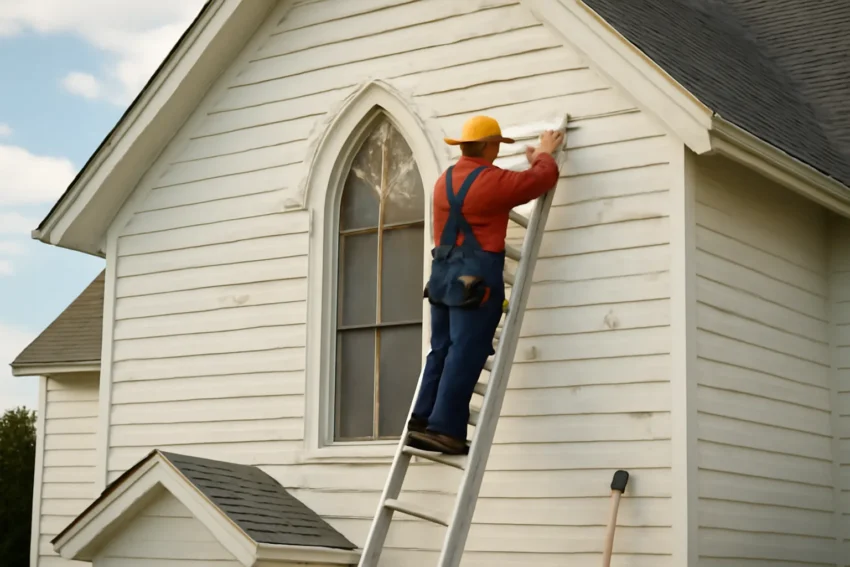
Facade upkeep involves cleaning, sealing joints, repainting as needed, and addressing masonry cracks that could lead to water intrusion or structural concerns.
Windows and doors maintenance covers weatherstripping, glazing, and hardware. Ensure seals are intact to improve energy efficiency and security.
Electrical and lighting safety
Electrical safety requires routine panel inspections, cord management, and labeled disconnects. Avoid overloading circuits and replace frayed cords.
Lighting maintenance includes replacing burnt-out bulbs, testing emergency lighting, and upgrading to energy-efficient LED fixtures where feasible.
Generator and backup power systems should be tested regularly, with fuel storage and ventilation checked to code.
Mechanical systems: HVAC, plumbing, and water quality
HVAC maintenance should emphasize air balance, filter replacement on schedule, and calibration of thermostats for comfort and energy efficiency.
Plumbing inspections look for leaks, pressure management, backflow prevention, and drainage efficiency to prevent mold and water damage.
Water quality for drinking fountains and kitchen facilities requires periodic testing, filtration evaluation, and hygienic maintenance practices.
Safety systems: Fire protection, alarms, and egress
Fire protection involves sprinkler system testing, fire extinguishers inspection, and clear, illuminated exit paths.
Security and life safety systems include alarms, monitoring, lock control, and coordination with local fire and police departments.
Egress and wayfinding signage should be visible, illuminated, and free of obstructions at all times.
Accessibility and compliance
ADA compliance ensures accessible restrooms, entrances, seating, and signage. Conduct periodic accessibility audits and address barriers.
Code compliance covers local building codes, electrical, plumbing, and life safety requirements. Maintain documentation for inspections and permits.
Custodial Services and Groundskeeping
A clean, well-kept campus communicates hospitality and care. Custodial services and grounds management should be organized, efficient, and aligned with safety and environmental standards.
Cleaning schedules should cover classrooms, worship spaces, restrooms, kitchens, office areas, and high-traffic zones.
Green cleaning employs environmentally friendly products, reduced chemical usage, and proper dilution control to protect staff and congregants with sensitivities.
Slip, trip, and fall prevention includes promptly addressing wet floors, clear cord management, and strategic placement of mats.
Grounds, landscapes, and exterior care
Landscaping enhances curb appeal while minimizing hazard trees, overloaded branches, and invasive species.
Parking and sidewalks require regular inspection for cracks, potholes, lighting reliability, and snow/ice management in winter months.
Outdoor features such as playgrounds, canopies, and walkways must be maintained to safety standards and inspected after storms.
Inventory, storage, and waste management
Maintain organized storage rooms with labeled shelves, weatherproof containers, and proper chemical segregation for cleaning products.
Implement a waste management plan that includes recycling, composting where feasible, and secure disposal of hazardous materials.
Security, Risk Management, and Emergency Readiness
Safety is foundational to a thriving church campus. A layered approach to security and risk management reduces the likelihood of incidents and improves response when emergencies occur.
Risk assessment and emergency planning
Conduct regular risk assessments to identify potential hazards, including weather events, intrusions, and equipment failures.
Develop an emergency response plan that covers evacuation routes, assembly points, and communication protocols during crises.
Create a designated team of volunteers and staff trained in first aid, CPR, and incident reporting.
Access control and security measures
Implement controlled access to sensitive areas with secure doors, reliable locks, and visitor sign-in procedures.
Use appropriate lighting, cameras, and alarm systems calibrated for both deterrence and safety rather than fear.
Coordinate with local law enforcement and fire departments to practice drills and ensure compatibility with community protocols.
Emergency communication
Establish multiple channels for emergency messaging (intercoms, PA systems, digital signage, mobile alerts).
Maintain up-to-date contact lists for staff, volunteers, and leaders, with roles defined for incident command and liaison duties.
Test notification systems regularly and document outcomes to inform future improvements.
Energy Efficiency, Sustainability, and Stewardship
Church facilities can model responsible stewardship by integrating energy-conscious design, sustainable practices, and community-oriented environmental programs.
Energy management
Energy audits can identify opportunities for insulation improvements, lighting retrofits, and HVAC optimization.
Adopt smart controls for heating, cooling, and lighting to balance comfort with savings.
Consider on-site generation (e.g., solar) or purchase agreements that align with your congregation’s values and budget.
Water conservation and indoor air quality
Implement water-efficient fixtures, leak detection, and rainwater capture where appropriate.
Monitor indoor air quality through regular humidity control, filtration maintenance, and source control for pollutants.
Waste reduction and materials management
Adopt responsible purchasing practices that favor durable, repairable items over disposable products.
Establish a policy for safe disposal of old electronics, batteries, and textiles in accordance with environmental guidelines.
Volunteer Programs, Staffing, and Vendor Partnerships
Many churches rely on volunteers, staff, and trusted vendors to carry out maintenance work. A well-structured governance model ensures work is performed reliably, safely, and in alignment with church priorities.
Develop a volunteer recruitment plan that matches skills to tasks (e.g., AV technicians, custodial volunteers, grounds crews).
Create a training program for safety, equipment use, and proper cleaning protocols.
Use a transparent volunteer schedule and recognition program to maintain morale and retention.
Staffing and roles
Define a clear chain of command for facilities management, including a facilities manager, supervisor, and point people for major systems.
Assign responsibilities for preventive maintenance, work orders, safety inspections, and program coordination.
Provide ongoing professional development or refresher training on safety, fire codes, and building operations.
Vendor management
Establish criteria for selecting contractors, including safety records, insurance, licenses, and references.
Create service-level agreements (SLAs) with defined response times, quality standards, and reporting requirements.
Maintain a vendor performance log to inform future procurement and to identify preferred partners for specific tasks.
Record-Keeping, Documentation, and Audits
Documentation is the backbone of accountability in church maintenance. A well-organized archive helps with budgeting, compliance, and continuity, especially when leadership changes or when volunteers rotate in and out of responsibilities.
Maintenance logs for all equipment and systems, including dates, tasks performed, and technician notes.
Inspection reports from fire safety, electrical, plumbing, and structural assessments.
Work orders with descriptions, due dates, person responsible, and completion status.
Asset registers with purchase dates, warranties, service histories, and estimated replacement costs.
Budget and forecast documents showing planned vs. actual expenditures and reserve balances.
Emergency plans and contact lists, with annual drill records.
Policies and procedures for cleaning, safety, incident reporting, and vendor management.
Schedule periodic internal audits to verify compliance with codes, safety standards, and church policies.
Engage external consultants or church council committees to provide objective assessments of facilities and program effectiveness.
Use audit results to update the maintenance plan, adjust budgets, and refine training programs.
Implementing a Practical Maintenance Schedule
A practical schedule translates strategy into action. It should be simple to use, adaptable, and capable of generating reminders and reports. Below are example task categories by frequency, with representative activities.
Review accessibility features and door hardware for compliance and ease of use.
Evaluate insulation and weather sealing around doors and windows.
Comprehensive system service on main mechanical and electrical equipment.
Full building envelope inspection and any required repairs.
Update asset inventory, warranties, and capital replacement plan.
Renew licenses, permits, and safety certifications as required by local authorities.
Closing Thoughts: Building a Culture of Care
Effective church maintenance is not merely a set of tasks; it is a reflection of stewardship, hospitality, and responsibility. When your campus is well-maintained, it communicates to guests and congregants that their safety and comfort matter. It also creates a reliable foundation for worship, study, and service, enabling your ministry to flourish without interruption.
To sustain a thriving facilities program, keep these guiding principles in view:
Proactivity over reactivity. Preventive maintenance reduces surprise failures and emergency costs.
Transparency in budgeting, decision-making, and reporting to build trust with leadership and the congregation.
Collaboration among staff, volunteers, and vendors to leverage diverse skills and perspectives.
Documentation as a living record that supports continuity and continuous improvement.
Safety and accessibility as non-negotiable standards across all facilities and programs.
By integrating these elements into a coherent facility maintenance program, a church can create safe, welcoming spaces that honor its mission and serve as a beacon of care in the community.