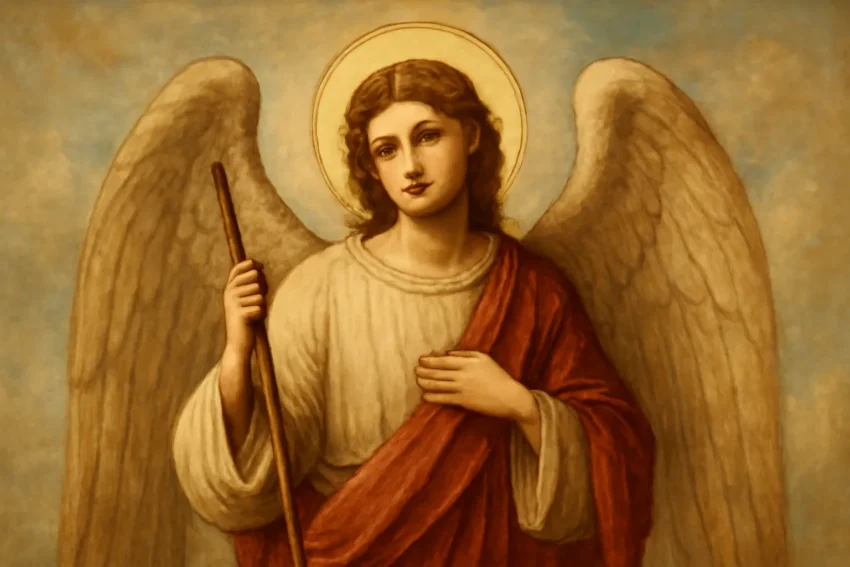
Archangel Stories: Enigmatic Tales of Celestial Messengers
Archangel stories have traveled through time and across cultures, weaving a thread of wonder that connects ancient myth, sacred scripture, and modern imagination. These tales center on figures described as celestial messengers, powerful beings who intervene in human affairs, offer guidance in moments of crisis, and carry the weight of divine intention into the mortal world. In this article, we explore how these enigmatic narratives evolved, the recurring archetypes they illuminate, and the ways they continue to shape our understanding of courage, wisdom, and mercy.
Origins and Variations of Archangel Lore
Ancient Roots: From Hebrew Scriptures to Early Christian Writings
The word archangel is widely used today to denote a high-ranking angel, a “chief angel” who stands near the throne of the divine. Its conceptual roots lie in a broader framework of angelic beings that appears in Hebrew Bible and Christian apocrypha. In Hebrew, the term malakh simply means “messenger,” but over time certain angels were elevated in stature and function, giving rise to the idea of archangels as specialized emissaries with particular domains — war, healing, prophecy, or wisdom. The imagery of a heavenly hierarchy, as later formalized by writers such as Pseudo-Dionysius the Areopagite, provides a map for how archangels fit into a universe of Seraphim, Cherubim, Thrones, and Dominions. In this sense, archangel lore is less about a single set of stories and more about a lineage of complex roles that adapt to the needs of different communities and eras.
Beyond the Judeo-Christian Sphere
While the strongest archival traces of archangel narratives appear in Judeo-Christian contexts, variations of angelic mediation appear in other traditions as well. In some strands of Islamic tradition, for example, the figure commonly identified as Gabriel (Jibril) is celebrated as the primary messenger who reveals revelation to the Prophet Muhammad. Although Islam does not use the term “archangel” in the same way, its stories share the core motif of a being who bears divine instruction to humans. Similarly, in various Mediterranean and Near Eastern folklores, tales of guardian angels, awe-striking protectors, and healers blend with local legends about saints, spirits, and miraculous encounters. Across these cultures, the central theme remains the same: a higher sphere reaching into human life through a consecrated envoy.
The Core Archangels and Their Tales
To grasp the texture of archangel storytelling, it helps to focus on a core group often treated as the most influential messengers: Michael, Gabriel, Raphael, and Uriel. Many traditions also add a wider circle of senior archangels — such as Jophiel, Chamuel, Raguel, Remiel, and Jeremiel — each associated with distinct virtues or duties. Below are brief portraits of these figures, drawn from canonical, apocryphal, and folkloric sources, and their signature stories.
Archangel Michael: The Shield Bearer and Cosmic Warrior
Michael is often cast as a defender at the gates of heaven, a lineage-keeper who battles malevolent forces and stands as a protector of the faithful. In the biblical Revelation, he leads heavenly armies against the dragon, a symbol that has resonated for centuries as a metaphor for cosmic justice and the struggle against chaos. In later literature and vision literature, Michael appears in moments of mortal peril, offering courage to those who fight for righteousness. In folk tales, he is also invoked to protect travelers, travelers’ songs, and storied guardianship over cities and rulers. The through-lines of courage, duty, and moral steadfastness anchor many Michael-centered narratives, making him a universal emblem of steadfast leadership in the face of overwhelming odds.
Archangel Gabriel: The Divine Messenger and Herald of Change
Gabriel occupies a distinct narrative niche as the annunciator, the one who bears a holy message into human time. In Christian tradition, Gabriel’s most famous appearances include the announcements to Mary and Zechariah, announcing the birth of Jesus and the coming of John the Baptist. In apocryphal and medieval texts, Gabriel often functions as a messenger who reveals hidden knowledge, interprets dreams, or guides prophets through moments of doubt. Across cultures, the motif of Gabriel’s appearances emphasizes transformation through revelation: voices that break a silence, doors that swing open to a new era, and the awakening of conscience to a higher purpose. Modern storytelling frequently channels this role as a bridge between the divine plan and human agency, underscoring the fragile but decisive moment when information becomes a call to action.
Archangel Raphael: The Healer on the Road
Raphael is best known in the Book of Tobit, where he accompanies Tobias on a dangerous journey, heals blindness, and guides the travelers toward safety. The name itself suggests healing and divine accompaniment, and Raphael’s appearances often center on journeys—literal travel, inner pilgrimage, and the healing of wounds both physical and spiritual. In many traditions, his presence is invoked in moments of illness, grief, or disorientation, offering a pathway back to wholeness. The travel narrative surrounding Raphael also emphasizes cooperation with human effort: the healing impact emerges not from a single miracle alone, but from a shared process of trust, perseverance, and divine timing.
Archangel Uriel: The Light of Wisdom and Insight
Uriel occupies a more variable position across traditions, sometimes treated as a bringer of divine light, sometimes as a custodian of prophetic wisdom or illumination in difficult decisions. In some apocryphal writings, Uriel is credited with interpreting dreams or shedding light on hidden matters that trouble the heart and mind. Though not as consistently identified as Michael, Gabriel, or Raphael in canonical scriptures, Uriel’s presence in wisdom-oriented narratives invites readers to consider how insight and discernment operate under pressure. Archangel stories featuring Uriel repeatedly emphasize patience, study, and a calm examination of truth in the face of confusion.
Other Archangels in Lore
Beyond the four archetypes above, many traditions fill out the celestial cabinet with figures such as:
Jophiel — often associated with beauty, wisdom, and enlightenment that clarifies harmful distortions.
Chamuel — the seeker’s angel, linked to love, compassion, and the guidance of relationships.
Raguel — the archangel of harmony and justice, mediating disputes and restoring balance.
Remiel — a guide in visions and in the interpretation of dreams and profound experiences.
Jeremiel — sometimes described as the one who helps souls reflect on their life review and future paths.
These supplementary figures appear in a wide range of folk narratives and devotional traditions, where the emphasis shifts with culture, era, and local sanctities. The result is a rich tapestry in which an archangel can embody multiple facets—protector, teacher, healer, and counselor—depending on the needs of the story and the audience listening to it.
Recurring Motifs in Archangel Tales
Across centuries and continents, archangel stories tend to share several recognizable motifs. These patterns contribute to the resonance and adaptability of the tales, allowing them to speak to people in different circumstances and at different life stages.
Divine intervention: A sudden, decisive act by a heavenly messenger changes the course of events, rescuing someone from danger or guiding a critical decision.
Dream visions: Archetypal messengers appearing in dreams to deliver warnings, comfort, or a plan for action; dreams act as a bridge between the mortal and the divine.
Calling and vocation: The messenger’s appearance often signals a shift in a person’s life path—from ordinary to purpose-driven work, from fear to courage, or from ignorance to insight.
Test and trial: Encounters with archangels frequently take place amid trials—battles, journeys, periods of temptation—that test character, faith, and resolve.
Healing and restoration: Healing is a recurring theme, whether physical, emotional, or spiritual, with an archangel acting as conduit for grace, medicine, or renewal.
Justice and mercy: The moral arc of these stories often moves from peril to restitution, balancing accountability with compassion.
Archangel Stories Across Cultures
Judaism and Early Christian Traditions
In Jewish scriptures and commentaries, archangels appear as powerful emissaries who fulfill specific divine commands. Their appearances in apocalyptic literature and later rabbinic writings helped shape the medieval imagination about heavenly bureaucracy and the organization of the divine cabinet. Christian storytelling expanded these roles, giving Michael and Gabriel more narrative heft in sermons, liturgy, and art. Over time, the stories were adapted to address communities’ anxieties—wars, plagues, migrations—while preserving the core idea that celestial messengers intervene on behalf of divine justice and mercy.
Islamic Perspective
In Islamic thought, Jibril (Gabriel) is honored as the conveyer of revelation, delivering the Qur’an to the Prophet Muhammad. While the vocabulary of “archangel” per se is not central to Islamic theology, the function—an exalted being entrusted with guiding humanity toward truth—resembles archangelic roles in other traditions. Michael is also mentioned in the Qur’an and hadith literature, often interpreted as a guardian of resources and a figure coordinating aspects of the natural order. These cross-cultural echoes demonstrate how the archetype of the messenger—an intermediary between heaven and earth—appeals to diverse communities seeking moral orientation and a sense of cosmic order.
Regional Folklore: Medieval Europe and the Near East
Beyond canonical texts, a wealth of regional legends and hagiographic narratives contributed to the living memory of archangels. In medieval Europe, statuary, stained glass, and illuminated manuscripts offered visual fanfare to archangel legends, shaping popular piety and everyday language (for example, invoking an archangel’s aid in perilous journeys or matters of state). In the Near East, syncretic tales blended local saints with archangelic figures, reinforcing a shared vocabulary of protection, guidance, and healing. In all these variants, the essential message remains consistent: the divine speaks through trusted messengers to illuminate a path through darkness or confusion.
Modern Interpretations and Narrative Styles
In contemporary literature, film, and digital media, archangel stories are continually reimagined to address current concerns—security, migration, spiritual authenticity, and the tension between authority and compassion. Writers and artists experiment with voice, perspective, and genre to reveal new facets of familiar figures or to test how these beings would respond to modern dilemmas.
Literary retellings — novels and poetry that recast archangels within urban, dystopian, or magical realist settings, asking what it means for a heavenly envoy to navigate a complex, imperfect world.
Graphic novels and visual media — visual storytelling that emphasizes the dramatic iconography of wings, swords, light, and signs, enabling readers to experience awe through imagery as well as text.
Television and cinema — adaptations that pair traditionally solemn figures with accessible, emotionally resonant character arcs, exploring questions of duty, doubt, and mercy under pressure.
Video games and interactive narratives — interactivity allows players to participate in angelic diplomacy, moral decision-making, and quests for justice, offering a hands-on sense of how divine guidance might unfold in life’s choices.
Across these formats, the core appeal of archangel storytelling persists: the tension between human vulnerability and celestial purpose, the sense that there are moral coordinates beyond ordinary experience, and the invitation to act with courage, wisdom, and compassion when faced with uncertainty.
Why Archangel Tales Endure: Lessons and Legacies
There are several enduring reasons these stories continue to resonate. First, they provide a framework for moral imagination: the archangels embody ideals—courage (Michael), revelation (Gabriel), healing (Raphael), insight (Uriel)—that readers can aspire to in daily life. Second, they offer a model of intervention without domination: celestial messengers intervene with care, not control, guiding humans toward agency and responsibility. Third, archangel narratives often address universal human experiences—fear in the face of danger, the ache of loss, the longing for justice—through the language of the transcendent, which can feel both consoling and catalyzing. Finally, these tales function as cultural mirrors, refracting each generation’s concerns back into familiar form: who deserves protection, how power should be exercised, what healing requires, and what counts as true wisdom.
In practical terms, archangel stories invite readers to cultivate certain virtues. In crisis, model the steadfastness associated with Michael; in moments of confusion, seek the clarity that Uriel represents; in healing, turn to the compassion and empathy that Raphael embodies; in revelation, remain open to unexpected messages carried by Gabriel. The moral ecology of these tales—courage tempered by mercy, knowledge accompanied by discernment—remains relevant for individuals and communities facing complex ethical landscapes.
How Archangel Stories Shape Cultural Imagination
Archangel narratives do more than entertain; they shape the way people imagine the relationship between the divine and the human. When storytellers situate a crisis within a cosmos where a celestial envoy can appear, readers glimpse a universe in which intention, mercy, and justice have concrete, navigable channels. This imaginative framework can help communities articulate values, respond to collective trauma, and imagine possible futures in which human action is augmented, but not supplanted, by divine guidance.
Ethical orientation: Archangel stories foreground questions of how to act when authority—whether mortal or divine—speaks. They push readers to evaluate motive, integrity, and responsibility in leadership and service.
Hope and resilience: The presence of an archangel can symbolize hope in seemingly intractable circumstances, reminding communities that there are higher powers working toward restoration and peace.
Liturgical and devotional life: In many faith traditions, archangel names appear in prayers, invocations, and feast days, strengthening communal identity and spiritual practice.
Cross-cultural empathy: The shared motif of a trusted messenger connecting heaven and earth encourages cross-cultural dialogue about how different communities understand authority, mercy, and enlightenment.
Glossary of Archangel Terms
To aid readers who are curious about the vocabulary of this field, here is a concise glossary of terms frequently encountered in archangel stories. Bold terms indicate key concepts discussed above.
: A high-ranking angel, often depicted as a chief messenger and guardian with specialized duties.
Malakh: The Hebrew word for “messenger,” the root concept behind angels in Jewish scripture.
Celestial hierarchy: A traditional ordering of heavenly beings, including archangels, seraphim, and cherubim.
Annunciation: A narrative moment in which an archangel delivers an important message to a human, often initiating a pivotal turn in the story.
Healing and guidance motifs: Narrative patterns in which an archangel assists with physical healing, emotional healing, or moral discernment.
Conclusion: The Enduring Enigma of Celestial Messengers
Archangel stories endure because they speak to primal questions about power, purpose, and protection from a source beyond ordinary human reach. The figures of Michael, Gabriel, Raphael, and Uriel—along with their many companions—offer templates for courage, discernment, healing, and hope. They remind us that fidelity to virtue can survive even in the most turbulent times, and that wisdom can arrive in forms both sudden and subtle. Whether one encounters these tales as scripture, folklore, literature, or cinema, the language of celestial messengers continues to illuminate the path from fear to clarity, from chaos to order, and from despair to renewed meaning.
Further Reading and Resources
If you wish to explore archangel narratives in greater depth, consider the following avenues. They provide historical context, literary analysis, and a broad survey of regional variations that enrich understanding of these enigmatic beings.
Classic biblical and apocryphal texts featuring archangels (e.g., the books of Daniel and Tobit, where applicable).
Commentaries on the celestial hierarchy and the medieval development of angelology.
Comparative studies of archangelic figures across Judaic, Christian, and Islamic traditions.
Modern novels and graphic novels that reinterpret archangel myths in contemporary settings.
Documentaries and lecture series on sacred history, myth, and the evolution of angels in popular culture.
As you encounter archangel stories in sermons, novels, or films, you may notice how they embed timeless questions in fresh forms. The narrative power of these beings — as protectors, messengers, healers, and guides — invites us to consider what it means to listen for truth, to act with courage, and to respond to suffering with mercy. The enigma endures not because the answers are simple, but because the questions are universal: How does the divine reach us? What does it mean to be a guardian in a fragile world? And how can a single message, delivered from beyond, illuminate our paths in the here and now? These are the threads that keep archangel tales alive in the imagination of readers and viewers across generations.