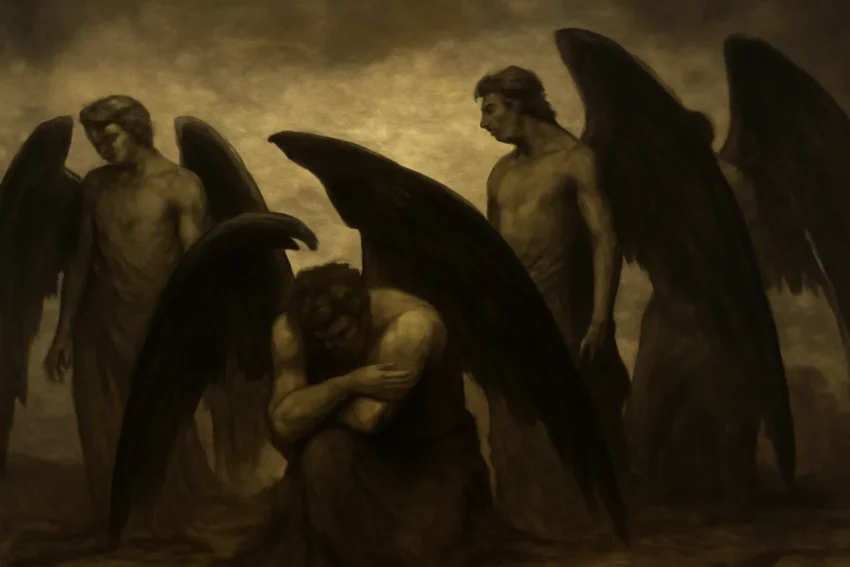
The topic of angels who fell with Lucifer occupies a rich crossroads of scripture, apocrypha, and centuries of myth and art. This article surveys origins, names, and legends across traditions, tracing how the rebel angels who followed Lucifer became a staple of religious literature, theological reflection, and popular imagination. While the canonical Bible mentions a fall of angelic beings in a few terse lines, many later traditions expand the story, offering a tapestry of names, roles, and destinies. Here you will find an overview organized around origins, the many names and identities attributed to fallen beings, and the legends that have grown up around them—from ancient texts to Renaissance epics and modern storytelling.n
To understand the idea of angels who fell with Lucifer, it helps to distinguish between different strands of tradition. In the canonical New Testament and the Hebrew Bible, the reference to a fall is brief and enigmatic. The prophet Isaiah speaks of the fall of a powerful celestial being described as the Day Star or Morning Star, traditionally rendered in later Christian tradition as Lucifer (though the text’s original context is debated and its identification with Satan is a later interpretation). The New Testament, especially in the book of Revelation, describes a heavenly war in which the dragon and his angels are cast out, an event associated with Satan’s rebellion but not laid out as a single biographical narrative.n
In contrast, Jewish and Christian apocryphal works, as well as later medieval and modern writings, fill in the gaps with expansive stories. One of the oldest and most influential of these is the Book of Enoch, also known as 1 Enoch, a collection of ancient Jewish apocalyptic writings. In the Enochic tradition, a group of powerful angels from the heavens—the Watchers—descend to earth, defy divine order, and join in a rebellion. The leader of this faction is often named Semyaza (also spelled Semjaza). These writers expand the rebellion beyond a single figure to a grand conspiracy among celestial beings, with consequences for humanity and the cosmos.n
Meanwhile, later Christian thought weds the Lucifer narrative to the broader concept of the rebel host that opposed God. The term fallen angels becomes a category for angels who chose free will over obedience, and Lucifer’s choice is treated as the primary example. Some traditions also identify similar rebellions in other celestial hierarchies, weaving a mythos that explains evil as a consequence of pride and disobedience among beings created to praise and serve God. This fusion of canonical hints with extra-biblical expansions created a durable framework for both religious reflection and literary imagination.n
The Lucifer Narrative in Scripture and Tradition
Several core motifs recur across sources. First is pride and revolt: a high-ranking being or beings who seek to ascend to the level of the divine, disturb the order of creation, and seek independence from God. Second is rebellion and punishment: the fall results in expulsion from heaven, a demographic shift in the heavenly host, or binding and judgment to come. Third is miscegenation of spheres: what starts as a cosmic drama spills over into the human sphere, affecting humanity with temptation, violence, and knowledge. These motifs offer a framework for understanding why the idea of “angels who fell with Lucifer” has endured as a powerful symbol in theology, ethics, and storytelling.n
Names and Identities: Who Are the Fallen?
Across traditions, “the fallen” are not a single, monolithic group. The phrase angels who fell with Lucifer can refer to Lucifer’s own rebellion, to the broader rebellion of the Watchers in Enochic literature, or to a mixture of figures named in various texts as rebels. Below is a guided inventory of figures commonly associated with this theme, along with notes on sources and the nature of their roles. Where possible, sources are identified to help distinguish canonical material from apocryphal or literary traditions.n
Lucifer (the Morning Star) – In medieval and post-biblical tradition, the primary rebel described as having fallen from grace. The name Lucifer comes from a Latin rendering of Isaiah 14:12 (the line about the fallen “Day Star” who sought to ascend to the heavens). In this context, Lucifer is often identified as Satan, the adversary of God and humanity, a symbol of pride, rebellion, and opposition to divine order. The association of the Morning Star with Satan is not explicit in the original Hebrew text but became standard in Christian exegesis and later culture. In the imagery of literature and art, Lucifer is the archetype of a rebellious angel and the first among equals who fell.n
Satán (Satan) – A polymorphous figure across the Bible and later traditions. In many Christian readings, Satan is the same being as Lucifer—an ultimate adversary who embodies defiance against God. In some strands of tradition, Satan represents a succession of tempters and deceivers rather than a single, immutable identity, but the continuity of rebellion remains central. In theological discussions, Satan serves as a living symbol of temptation, deception, and the consequences of disobedience.n
Beelzebub (also Beelzebul) – A name that appears in later Jewish and Christian demonology as a high-ranking demon. Often identified with the prince of the demons or a chief adversary of humanity, Beelzebub is frequently linked to the cosmic hierarchy of fallen beings who fell in the wake of Lucifer’s rebellion. In some traditions, Beelzebub is presented as one of the leaders of the demonic host, though not necessarily a direct co-faller with Lucifer. The name has a long history in rabbinic and medieval texts and later literature as a symbol of corruption and moral decay.n
Belial – A term that appears in the Hebrew Bible (especially in Deuteronomy and other late writings) and later Christian demonology as a potent demon associated with worthlessness and lawlessness. In medieval and Renaissance thought, Belial is sometimes personified as a chief demon and a figure among the fallen—a symbol of pride, greed, or avarice that accompanies the larger drama of the fallen host. Belial, as a character, embodies the moral dimension of rebellion and the consequences of scorning divine order.n
Mammon – A personification of wealth and avarice who appears in Christian demonology as a fallen power. While not necessarily a direct participant in Lucifer’s original rebellion in canonical texts, Mammon is integrated into later depictions of the demonic order and often described as one of the rulers of the fallen host. In this sense, Mammon is part of the broader mythos of heavenly rebellion and its earthly consequences—temptation through wealth and power.n
Azazel – A central figure in the Book of Enoch and related traditions. Azazel appears as a leading fallen watcher in some branches of the Enochic material, known for instructing humanity in weaponry, cosmetics, and other “forbidden” arts. In Enoch 8–9, Azazel’s teaching incurs divine punishment, and the figure is often treated as the scapegoat or a head of a particular rebel faction. Azazel’s presence demonstrates how the rebellion is personified in multiple leaders beyond the singular Lucifer-Satan axis.n
Semyaza (Semjaza) – The leader of the Watchers in 1 Enoch, a distinct but related stream of rebellion. Semyaza commands the 200 fallen angels who descend to earth, consorting with human women and teaching forbidden knowledge. Semyaza’s story expands the notion of rebellion beyond Lucifer to a council-led revolt in which many angels participate. The Semyaza narrative is a cornerstone for understanding how the fallen host can be perceived as a collective of celestial beings rather than a single culprit.n
Azkael, Ramiel, Kokabiel, Chazaqiel, Tamiel, Armaros, Danel, and other named Watchers – The Enochic corpus and related traditions enumerate a chorus of leaders among the Watchers, each associated with a particular domain (e.g., stars, weather, cosmic knowledge). Different manuscripts list different names, and many of these figures appear in later magical papyri and demonological dictionaries. Listing them here highlights the diversity of names across sources and underscores how a single rebellion can yield a multitude of personalities in the lore of fallen angels.n
Note the distinction between canonical scripture and later lore. The Bible itself does not present a single, unified roster of fallen angels beyond the figure of Satan and the possibility of other demons. The names above are drawn from non-canonical texts (most famously 1 Enoch) and later Christian demonology, where the fall is expanded, cataloged, and mythologized through centuries of interpretation. When you encounter these figures in literature or theology, it is often with a clear awareness of their textual provenance and the purpose of the author in shaping who these beings are and what they represent.n
Legends and Texts: The Tales That Grow from the Fall
The legends of fallen angels have taken many forms, across centuries and cultures. Here are several strands that have proved especially influential in shaping how people think about angels who fell with Lucifer, and the broader category of the rebel host.n
Enochic and Early Jewish Traditions
In the Book of Enoch, the narrative centers on the Watchers—angels who descend to earth and take human wives, producing the Nephilim. The leader, Semyaza, and his companions are described as having revealed forbidden knowledge to humanity, teaching metallurgy, cosmetics, enchantments, and other secret arts. The consequences are dire: corruption spreads among humankind, prompting divine judgment. The story ends with the Watchers being imprisoned and punished, while their offspring face the consequences of the children born to the union with humans. The Azazel figure, who is connected with teaching weapons and warfare, receives a particularly harsh punishment. This tradition expands the idea of rebellion beyond a single “Lucifer” figure and shows how the fell host can be a council of angels with a shared project.n
The Isaiah and Revelation Motifs in Christian Scripture
In Christian exegesis, the figure of Lucifer is often linked with the heavenly fall described in Revelation 12, where war in heaven leads to the expulsion of the dragon and his angels. The dragon is identified with Satan, a figure who embodies rebellion and the anti-God stance. This narrative threads through the Christian imagination as a cosmic drama: a high-ranking celestial being, once close to God, chooses rebellion and is cast out. The literary and doctrinal interpretation of this fall has produced a vast array of symbolic interpretations: pride as the root of evil, the shift from obedience to autonomy as the essence of rebellion, and the transformation of heavenly beings into a demonic order hostile to salvation and order.n
Milton’s Paradise Lost and the Renaissance Reimagining
One of the most influential reimaginings of the fallen angels is John Milton’s Paradise Lost, a poem that recasts the rebellion as the epic drama of heavenly beings and their consequences for humanity. In Milton’s work, Satan emerges as a complex, charismatic, and tragic figure—the leader of a host of angels who refuse to bow to God’s supreme sovereignty. The poem’s fallen angels—Beelzebub, Mammon, Belial, and others—are depicted as intelligent, rhetorical, and morally ambiguous. They maintain pride and defiance even after their expulsion from heaven, and their interactions with humanity become a lens for exploring freedom, conscience, and the limits of rebellion. Milton’s portrayal helped to shape modern perceptions of fallen angels as individuals with personalities and philosophical motives, not merely as abstract embodiments of evil.n
Medieval and Early Modern Demonology
In medieval Europe, demonologists and theologians expanded the pantheon of fallen beings, organizing them into hierarchies, courts, and acts of governance in the spiritual realm. Works such as The Lesser Key of Solomon (a grimoire) and other occult compendia treat fallen angels as cosmic intelligences who can be summoned, bound, or commanded within ritual frameworks. These texts borrow heavily from earlier sources but adapt the material for practical, often ceremonial, ends. The result is a fusion of myth, ritual practice, and literary tradition that keeps the idea of the fallen host alive in popular culture, even as modern scholarship distinguishes between mythic narrative and historical fact.n
Notable Figures and Their Lore in Art and Popular Culture
Beyond scripture and the Enochic tradition, the idea of angels who fell with Lucifer has permeated art, literature, film, and popular imagination. Here are a few notable threads that show how these beings have been used to explore timeless themes such as pride, rebellion, power, and the nature of evil:
Literary archetypes of the rebellious angel who challenges authority, questions divine order, and faces consequences that ripple through creation.
The dramatic device of a cosmic rebellion mirrored in human history—for example, in political or moral allegories where authority is questioned and reform is weighed against order.
Artistic representations of heavenly and infernal realms, where the fallen practitioners of knowledge inhabit liminal spaces—between grace and judgment, between pride and ruin.
Modern fantasy and horror genres that draw on the imagery of the fall to craft complex factions of angels, demons, and other celestial beings with moral ambiguity.
Interpretations: Theological and Cultural Significance
Why does the idea of a fall of angels persist across cultures? There are several enduring interpretive threads that explain the appeal and endurance of angels who fell with Lucifer in the imagination:n
Problem of evil: The fall provides a narrative explanation for the existence of evil in a world created as good. If some beings chose rebellion, their actions become a test case for questions about free will, responsibility, and the consequences of disobedience.
Authority and pride: The rebellion serves as a powerful cautionary tale about pride, ambition, and the dangers of overreaching. It becomes a mirror for human concerns about power, leadership, and moral limits.
Cosmic drama: The fall creates a stage for cosmic history—heaven and earth, law and rebellion, order and chaos—allowing writers and theologians to explore the meaning of justice, mercy, and redemption in grand, epoch-spanning narratives.
Symbolic richness: Fallen angels embody a spectrum of symbolic meanings—from intellectual curiosity to moral error—giving artists and thinkers a flexible vocabulary to discuss temptation, knowledge, and the line between good and evil.
Practical Notes for Readers: How to Approach These Traditions
If you are exploring the topic of angels who fell with Lucifer for study or appreciation, here are a few guidance pointers to help you navigate the material with care and clarity:n
Different sources, different aims: Distinguish canonical scripture from apocryphal works and later literature. The same story can be told for different purposes in different textual cultures.
Know the lineage: When you encounter names like Semyaza, Azazel, Kokabiel, or Tamiel, remember they often come from the Watcher tradition in 1 Enoch and related writings, which is separate from the Lucifer-Satan narrative of canonical scriptures.
Context matters: Terms like “fallen” and “rebellion” are loaded with interpretive history; they may carry different implications in Jewish, Christian, Islamic, and secular contexts.
Literary versus theological uses: In literature and popular culture, fallen angels are often used as symbolic devices rather than as theological claims about the spiritual realm. Treat sources accordingly and look for authorial intent.
Conclusion: The Enduring Tale of the Fallen Host
From the terse allusions in ancient scriptures to the expansive mythologies of the Enochic literature, and onward through the literary epics of Milton and the varied expressions of modern culture, the theme of angels who fell with Lucifer remains a powerful and malleable symbol. It functions as an ethical mirror, a cosmic allegory, and a source of dramatic tension in storytelling. The narratives about the Watchers and their leader Semyaza, about Azazel and the other named rebels, and about Lucifer’s own fall, collectively illuminate questions about obedience and rebellion, the origin of evil, and the mysteries of celestial order.n
Whether you approach these beings as theological subjects, literary figures, or mythic archetypes, the story of the fallen host invites reflection on the boundaries of freedom, the consequences of ambition, and the enduring human longing to understand the forces that shape the world—seen and unseen. The legacy of these tales continues to shape our imagination, providing a framework in which ancient questions can be explored with contemporary imagination, in art, ethics, and spirituality alike.