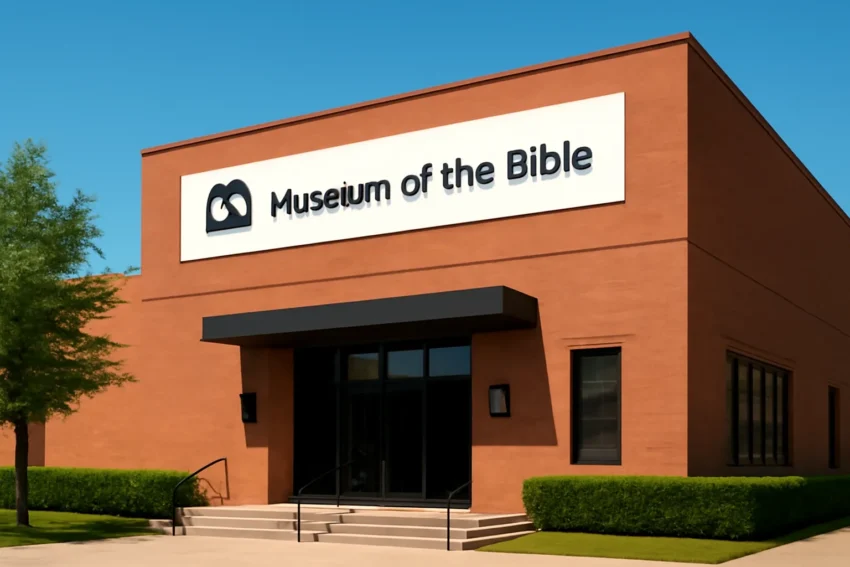
The Bible Museum Houston stands as a cultural and educational resource dedicated to the history, art, and literature of the biblical world. Often referred to as the Houston Bible Museum by locals and visitors, this institution invites travelers, scholars, students, and families to explore centuries of manuscript culture, sacred artifacts, and the narratives that have shaped Western civilization. If you are planning a visit or simply researching how such a museum presents biblical history, this article provides a comprehensive exhibits guide, explains the range of tickets options, and clarifies hours and scheduling considerations. Whether you call it Bible Museum Houston, the Houston Bible Museum, or simply the Bible museum in Houston, the goal remains the same: to illuminate how sacred texts were created, circulated, and interpreted across time.
Exhibits at the Bible Museum Houston cover a broad spectrum of themes, epochs, and geographic regions. The institution often curates a mix of permanent galleries and rotating or temporary displays to provide both depth and variety. Below is a structured overview of what most visitors can expect, along with notes on how the presentation is designed to educate and engage.
Permanent Galleries and Core Collections
In the permanent galleries, you will typically encounter a curated arc from ancient manuscripts to modern commemorations. Highlights commonly featured include:
Ancient manuscripts and paleographic displays illustrating how early biblical texts were copied, corrected, and transmitted over generations.
Hebrew Bible manuscripts and related artifacts, showing the linguistic and calligraphic richness of the Jewish textual tradition.
New Testament texts in Greek and translations, offering a look at the textual history of the Christian canon.
Illuminated biblical manuscripts from medieval and Renaissance periods, highlighting the artistry and devotion poured into religious books.
Translations and reception displays that trace how biblical texts moved across cultures and languages, impacting doctrine, poetry, and scholarship.
Archaeological artifacts such as pottery, inscriptions, and tools that illuminate daily life in ancient Near Eastern and Mediterranean settings referenced by biblical narratives.
Thematic Rooms and Narrative Journeys
Beyond the core manuscripts, many museums shape a thematic journey through sections that invite visitors to connect the biblical texts with their historical contexts. Expect to encounter:
Geography and exploration displays that map biblical events to landscapes, routes, and ancient trade networks.
Textual transmission exhibits explaining how copying practices, translations, and manuscript artistry affected reliability, interpretation, and access.
Religious traditions galleries that compare and contrast how scripture is revered in Judaism, Christianity, and related faith communities.
Iconography and art installations showing biblical scenes rendered in painting, sculpture, and decorative arts across epochs.
Interactive and Educational Experiences
Many visitors, including families and classrooms, appreciate the interactive displays and learning stations designed to demystify scholarly topics. Typical features include:
Hands-on activities that demonstrate text transcription, script identification, and basic paleography.
Touchscreens and QR-code guided tours that provide historical context and primary-source insights.
Miniature replicas and scale models that illustrate biblical geography and architectural spaces mentioned in sacred texts.
Audio-visual programs offering guided narratives, expert commentary, and testimonies from scholars and clergy.
In addition to the permanent collection, the Bible Museum Houston may host temporary exhibits that focus on specific authors, periods, or themes. These rotations can be particularly valuable for researchers and students who want to study related sources in a new light. When a special exhibit is on view, you can expect:
Curator-led tours and talks with scholars, authors, or conservators.
Supplemental programs such as workshops, educator guides, and student activities tailored to different grade levels.
Extension content including bibliography recommendations and access to related digital archives.
Educational Frameworks and Accessibility
As an educational institution, the Houston Bible Museum emphasizes learning outcomes and accessible interpretation. Visitors may find:
Curriculum-aligned materials for teachers and homeschool groups.
Clear display labels and multi-language captions to accommodate diverse audiences.
Considerations for wheelchair accessibility and family-friendly facilities that accommodate guests with different mobility needs.
Tickets
Understanding the ticket options for the Bible Museum Houston helps visitors plan a balanced experience. While specific pricing can change over time, the typical structure includes several tiers and opportunities for discounts. The following guide summarizes what prospective guests generally encounter when they prepare to purchase admission.
General Admission and Access Passes
The most common entry option for individuals and families is general admission. This level typically provides access to all permanent galleries and standard exhibits during operating hours. Some institutions also offer:
Unlimited day passes for visitors who want repeated or extended exploration within a single visit.
Timed-entry slots to help manage crowd flow and protect delicate artifacts, often with a suggested arrival window.
Guided or self-guided formats to suit different learning preferences; both options are commonly available as part of a basic admission package.
Discounts and Special Rates
To make the experience more accessible, the Bible Museum Houston typically offers several discounts and reduced-price options. These may include:
Student discounts for college and high school attendees with valid IDs.
Senior discounts for older adults, often applying to visitors aged 65 and up.
Children and family rates designed to encourage family learning and exploration.
Group pricing for schools, churches, or community organizations, with notice required for scheduling and invoicing.
Special Event and Exhibition Tickets
In addition to regular admission, some events require special tickets. These may include:
Ticketed lectures or panel discussions with experts in biblical studies, archaeology, or manuscript conservation.
Access to private viewings, launch receptions, or limited-run displays that offer enhanced engagement with interpreters and curators.
Workshops for teachers, students, or adults exploring biblical history with hands-on activities and guided projects.
Ticketing Practicalities
When buying tickets, consider the following practicalities to ensure a smooth visit:
Check the museum’s official website or trusted ticket partners for current prices, hours, and any reservation requirements.
Look for combo offers with other nearby cultural institutions if you’re blending a day of learning with additional activities.
Review any cancellation or rescheduling policies in case your plans change.
Bring any required identification or student/teacher credentials to qualify for relevant discounts.
Hours of operation are a central planning detail for any museum visit. The Bible Museum Houston generally posts regular hours that accommodate school groups, weekend visitors, and weekday researchers. Because schedules can fluctuate due to holidays, special events, renovations, or staffing, it is important to verify the latest information before you go. Below is a typical framework you may encounter, along with planning notes to maximize your experience.
Regular Hours and Weekend Availability
On most weeks, the Houston Bible Museum tends to maintain a predictable cadence that serves diverse audiences. Visitors commonly experience:
Weekday hours that align with school scheduling and professional outreach, often with daytime viewing slots.
Weekend hours designed to accommodate families and travelers, frequently including afternoons—an arrangement that helps families fit a museum visit into their weekend plans.
Several time-block options for guided tours or self-guided exploration, depending on staff availability and crowd conditions.
Seasonal Variations and Holidays
Museum hours may shift during holiday periods, school breaks, or special programming. In such cases, you might see:
Extended hours for special events or community outreach initiatives.
Reduced hours on certain holidays for staff rest or maintenance work.
Temporary closures for exhibit updates or conservation projects, with advance announcements.
Operational Considerations and Planning Tips
To ensure a smooth visit, consider these practical planning tips related to the Hours and scheduling:
Always consult the official hours page prior to departure to confirm opening and closing times.
Plan your arrival to match a preferred entry time if timed-entry slots are in effect.
Allocate ample time for exhibit viewing, especially if you intend to read placards, study manuscripts, and participate in interactive stations.
Factor in potential parking or transit considerations if you are visiting during peak hours or in busy seasons.
Planning Your Visit: A Practical Guide
Whether you are a local resident of Houston, a student, or a traveler, the Bible Museum Houston offers a cohesive plan for meaningful engagement with its exhibits. The following practical sections help you tailor your trip around the exhibits, tickets, and hours described above.
Before You Go
Preparation improves the educational impact of the visit. Consider these steps:
Review the current exhibits online to decide which areas you want to prioritize—manuscripts, artifacts, or temporary displays.
Check for family-friendly programs if you are visiting with children, including any age-appropriate activities or worksheets.
Look for guided tour options and evaluate whether a private or group tour would enhance your understanding of the collection.
Plan transportation and parking logistics, especially if you are combining the visit with other attractions in Houston.
During Your Visit
When you step into the Bible Museum Houston, consider these practical habits for a productive visit:
Take time to read the display labels and to listen to any available audio guides or guided commentary.
Respect the artifacts by following the museum’s rules for touch-free viewing and photography, if permitted.
Engage with interactive stations to reinforce the learning you gain from static displays.
Ask staff or docents for contextual information about particular artifacts or manuscripts that catch your interest.
Post-Visit Opportunities
Many visitors leave the Bible Museum Houston with new questions and a desire for deeper study. Consider these post-visit opportunities:
Access to educational resources and reading lists for further exploration of biblical history and manuscript culture.
Participation in club or classroom programs that extend the museum experience beyond a single visit.
Engagement with local libraries or universities that host related scholarly seminars and examination of primary sources.
Subscription to museum newsletters for updates on upcoming exhibits and events.
For visitors who want a richer day in Houston, the Bible Museum Houston can be part of a broader itinerary that includes other cultural institutions, historic sites, and places of worship. The surrounding area offers:
Other museums and libraries with related collections in archaeology, art, and religious studies.
Historic districts with architectural landmarks tied to biblical and religious history and their influence on urban development.
Religious centers and academic programs that welcome public lectures and tours.
Accessibility and Inclusion
The Bible Museum Houston emphasizes that a meaningful visit should be accessible to a broad audience. The facility often prioritizes:
Wheelchair accessibility and barrier-free routes through galleries and exhibit spaces.
Availability of assistive listening devices or captions for audio-visual materials.
Clear signage, multilingual resources, and staff ready to assist visitors with special needs.
Conclusion: Making the Most of Bible Museum Houston
Whether you refer to it as the Bible Museum Houston, the Houston Bible Museum, or simply the biblical history museum in Houston, the core purpose remains consistent: to illuminate the historical, textual, and cultural journeys of sacred scriptures. By approaching the experience with a structured exhibits guide, understanding the range of tickets available, and being aware of hours, you can craft a visit that is both educational and personally meaningful. For students, teachers, researchers, and curious travelers alike, this museum offers opportunities to engage with primary sources, interpretive narratives, and curated artifacts that reveal how the biblical world has shaped civilizations and continues to inform contemporary thought.
As you plan your trip, remember to verify the latest hours and ticketing policies on the museum’s official channel. The world of biblical manuscripts and the stories they carry are best experienced with patience, reflection, and a willingness to explore a spectrum of perspectives. A thoughtful visit to the Bible Museum Houston can deepen understanding of the Bible’s role in history, religion, literature, and culture, while also inspiring new questions about translation, transmission, and interpretation.
In short, this institution—whether you call it Bible Museum Houston, the Houston Bible Museum, or simply the Bible museum—serves as a reliable gateway to learning. It invites you to walk through galleries that connect ancient scribes to modern readers, to encounter artifacts that embody centuries of devotion and scholarship, and to leave with a more nuanced appreciation for how sacred texts have shaped, and continue to shape, human civilization.