Christian Life After Death: Biblical Truths and Eternal Hope
The question of what happens after death has been central to Christian faith for two millennia. For believers, life after death is not a speculative fantasy but a doctrine grounded in the pages of Scripture, shaped by the life of Jesus, and sustained by the confident hope of resurrection. This article explores biblical truths about death, the intermediate state, the resurrection of the body, judgment, and the final renewal of all things. It also considers how these doctrines look in everyday life—how they comfort hearts in grief, how they shape values, and how they guide mission in a world that longs for lasting meaning.
Across Christian traditions, there are variations in how certain details are understood. Yet the core claim remains consistent: in Christ, death is not the end of the story; eternal life begins now and finds its fullness in the life to come. By examining Scripture, tracing the arc of biblical eschatology, and reflecting on practical implications, we can gain a robust and hopeful sense of what lies beyond the grave and how that truth should inform our conduct while we live.
Foundations in Scripture: Death, Life, and the Promise of God
From the opening pages of the Bible to the closing visions of Revelation, the Bible presents death as a consequence of human mortality and spiritual brokenness, yet it also proclaims a divine offer of reconciliation, renewal, and eternal life. A few foundational themes recur with clarity:
Death as separation: Physical death is the separation of the soul from the body, but it is not the final separation from God involved in ultimate judgment. The Bible often describes death as something that God conquers through Christ.
Life through faith: The gift of eternal life comes through faith in Jesus Christ—the incarnate Word who died for sins, rose again, and promises eternal presence with his people.
Resurrection hope: Christian life after death is inseparably linked to the assurance that God will raise the dead, transforming mortal bodies into imperishable ones fit for a renewed creation.
Judgment and justice: Scripture teaches that every person will stand before God, and the righteous will receive reward while the unrighteous face judgment. For the believer, this judgment relates to service and faithfulness rather than condemnation for sin, because Christ has borne sin’s penalty.
Key biblical anchors for this hope include Jesus’ own promise of life after death, the apostolic teaching about the resurrection, and the vision of the new creation where God dwells with humanity. For example, Jesus comforted his followers with the assurance that he is the way to the Father, that we may know him now, and that we will be with him forever. The apostle Paul emphasizes the centrality of the resurrection: if Christ has not been raised, our preaching is in vain, but in fact Christ has been raised, and so believers look forward to a transformed, glorious body in a new age.
Death and the soul: immediate presence or sleep?
Several passages point to an immediate experience after death for the believer: a presence with Christ, a sense of peace, or a change in the state of longing. Other passages describe death with imagery of sleep and waiting for the trumpet call of God. The difference often reflects different theological emphases rather than contradiction. What remains consistent is the trajectory: death is not the end, but a transition toward the ultimate fulfillment of God’s purposes in Christ.
The Intermediate State: Between Death and Resurrection
The period between death and the final resurrection is described in diverse ways across Christian traditions. Some common perspectives highlight an interim state where the soul enjoys the immediate presence of God, while others emphasize a temporary sleep or purification. It is helpful to recognize both the scriptural hints and the broader theological aims behind these views.
Immediate presence with God for believers: Many Christians affirm that upon death, the believer’s soul goes into the presence of the Lord. This view is supported by passages that speak of being away from the body and present with the Lord, and by Jesus’ assurances to dying criminals that they would be with him that day in Paradise.
Evidence from parables and narrative: The story of the rich man and Lazarus in Luke 16 is often cited in discussions of an interim state. While some read it as a literal depiction, others see it as a teaching tool that communicates the reality of conscious experience after death until the final resurrection.
Different emphases in tradition: The Catholic tradition historically teaches a purgatorial purification for some souls before entering heaven, while many Protestant traditions reject purgatory and emphasize immediate justification in the life of the age to come. A third approach, sometimes called soul sleep, suggests a broader biblical mystery about the precise nature of conscious experience between death and resurrection but affirms the certainty of resurrection at Christ’s return.
Whichever framework a church or believer prefers, the central conviction remains: the Christian life after death is oriented toward God’s presence, justice, and the renewal of all things. The intermediate state is not the final chapter; it is a bridge toward the glorious fulfillment when Christ returns and God makes all things new.
The Resurrection of the Body and the Final Judgment
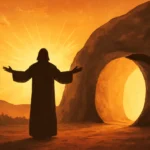
A distinctive and transformative element of Christian eschatology is the bodily resurrection. The apostle Paul argues that death is swallowed up in victory because the perishable will put on the imperishable, and the mortal will put on immortality. This transformation is not a mere spiritual continuity but a reconfiguration of the entire person—body, soul, and spirit—into a state that corresponds to the new creation’s realities. The belief in a future bodily resurrection grounds Christian hope in tangible, physical restoration rather than abstract immortality of the soul alone.
Important aspects of the resurrection and final judgment include:
Resurrection of the dead: Believers who have died will be raised with glorified bodies at Christ’s return. The living believers will be transformed, and together they will meet the Lord in the air.
Judgment for all: Humanity will stand before God to receive judgment. For those in Christ, the judgment focuses on rewards and faithful service rather than condemnation, because Jesus has borne the penalty for sin. For those who reject Christ, the verdict is separation from God and the consequences of sin in a fallen creation.
Transformation of life: The final outcome is the complete triumph of God’s justice, mercy, and mercy in the creation of a new world where righteousness dwells.
Paul’s discussion in 1 Corinthians 15 provides a powerful image of transformation: the mortal body is sown in weakness, but raised in power; the perishable is raised imperishable. This reversal not only addresses physical mortality but also the longing for justice, meaning, and presence with God that characterizes human beings as created in God’s image. The final judgment is not a distant catastrophe but a definitive act that confirms God’s saving work in Christ and opens the way to the new creation.
Heaven, Hell, and the New Creation
Two related horizons define Christian afterlife: the immediate experience of eternal life with God and the ultimate renewal of the entire cosmos. The biblical depiction of heaven is not simply a place where souls float away into clouds; it is the dwelling place of God with his people, a communion of love, joy, and purpose that sustains the redeemed forever. In the book of Revelation, heaven and earth are not dichotomous opposites but two realities that are reconciled in the new creation. God dwells with humanity in a restored and perfected environment where there is no more death or mourning or crying or pain.
Concerning the place of judgment, the Bible speaks of hell as a consequence of resisting God’s grace and living apart from God’s justice. The church has long debated the exact nature of hell, whether it is eternal, reparative, or conditional. The core confession across most denominations is that God is just and that ultimate justice requires a rightful reckoning for every life and choice. The final state is not a mere annihilation but a lasting relationship with God in a new creation where sin is eradicated and peace reigns.
The new creation represents the culmination of God’s redemptive plan: a transformed cosmos where God dwells with humanity in an unbroken, intimate relationship. This is more than a restoration of what was lost; it is a higher, fuller, and enduring manifestation of life as God intends it. For believers, the promise of the eternal home—a place of rest, purpose, worship, and renewed life—gives shape to how they view present suffering, mission, and daily living.
Belief about life after death has tangible, practical implications for how Christians live in the present world. It informs attitudes toward suffering, grief, wealth, relationships, and the search for meaning. Here are several ways this hope reshapes daily life:
Comfort in grief: Grief is real, and it is appropriate to mourn. Yet the Christian hope offers a steady assurance that death is not the final word and that God will uphold the promises made through Jesus Christ. In practical terms, this translates into compassionate support for those who suffer, and a patient, hope-filled presence in times of loss.
Perspective on time and priorities: If life on the other side awaits with God, then transient concerns—wealth without generosity, power, status—are re-evaluated. The Christian life after death invites a radical re-prioritization: love of God and neighbor as the core of purpose, with material resources as instruments of grace in a world longing for renewal.
Mission and evangelism: A confident hope fuels bold witness. Knowing that life after death is secured through Christ, Christians are invited to proclaim the gospel with humility and urgency, inviting others to share in the same assurance and to participate in God’s good work in creation.
Ethics in the present age: Eschatological hope informs ethics. Believers are called to live justly, to care for the vulnerable, and to work for transformation in society, not as a means of earning salvation but as a faithful expression of gratitude for God’s grace and the anticipation of God’s coming kingdom.
Endurance in suffering: The Christian life after death offers a vertical dimension to suffering: a goal, a future, and a promise of victory through Christ. This does not erase pain, but it reframes it within a larger story of God’s redemptive work in the world.
In practical pastoral terms, churches often foster rituals and liturgical moments that orient believers toward the hope of life after death. funeral rites, remembrance, and catechesis about resurrection anchor communities in consistent reminders of God’s faithfulness. Sermons and Bible studies that address questions about death, heaven, and the final renewal help believers articulate their hope with clarity and compassion for those who are grieving or curious about the Christian path beyond the grave.
Pastoral reflections on the afterlife
Pastoral care around death and dying is a vital space where doctrine meets compassion. Some guiding themes include:
Affirming the dignity of every person before God, regardless of age or circumstance.
Providing clear, hopeful teaching about the afterlife while acknowledging mystery in how the intermediate state functions in the unseen realm.
Offering practical support for families: practical arrangements, rituals of mourning, and opportunities for collective prayer and lament.
Encouraging living faith: how to spend time, money, and talents in light of eternity.
Inviting questions and conversation: allowing honest dialogue about faith, doubt, and the mysteries of God’s timing.
Common Questions and Variations Across Traditions
Christians across denominations sometimes wrestle with nuanced questions about what happens after death. Here are a few common queries, along with brief, balanced perspectives that reflect a broad spectrum of tradition:
Do unbelievers have an afterlife? The scriptural witness emphasizes accountability and final judgment, while some traditions stress that life after death involves a conscious state of separation from God for those who reject Christ. Others emphasize God’s mercy and the possibility of repentance or transformational encounter with Christ beyond this life. The central Christian claim remains that the decisive turn toward Christ in this life shapes one’s eternal destiny.
What about infants and people who die before hearing the gospel? Many Christians trust God’s justice and mercy in ways they cannot fully understand, affirming that God loves all, limits judgment to those who have had the opportunity to respond, and entrusts infants and those unable to respond to God’s care. The precise mechanics are a mystery, but the certainty that God is good and just provides confidence in God’s ultimate plan.
Is the afterlife corporeal or purely spiritual? The biblical trajectory emphasizes a future resurrection of the body—an embodied, glorious life in a renewed creation. This does not necessarily mean every detail will be the same as life on earth, but it does affirm continuity of personhood in a transformed, perfected form.
How should faith communities talk about heaven today? Healthy preaching and teaching emphasize a realistic hope grounded in Scripture, while avoiding overly abstract or escapist pictures. The invitation is to long for the full presence of God, live as citizens of the coming kingdom, and labor for justice and mercy in the present age.
Within the broad framework of Christian faith, there are nuanced differences that shape belief about life after death. Some traditions emphasize the immediacy of entering God’s presence after death for believers, while others stress an ordered sequence of events culminating in the final judgment and a new creation. Some hold to the possibility of purification after death (purgatorial-like purification), while others emphasize salvation by grace through faith alone, with no ongoing purification required after death. Regardless of these distinctions, most Christians share the conviction that life after death is a real, ongoing relationship with God and a future hope that sustains faith in the present world.
These differences can be understood as variations in emphasis rather than fundamental disagreements about the core gospel. The central message remains the same: Christ has conquered death, believers are united with him by faith, and a future resurrection will bring about a restored creation where God’s justice, mercy, and love are fully manifested.
Practical Faith: How to Live in Light of This Hope
Belief about life after death should translate into concrete practices that nourish faith, hope, and love. Here are several practical disciplines that Christians often cultivate in light of the promised resurrection and eternal life:
Regular worship and contemplation: Prayer, Scripture reading, and communal worship keep the heart oriented toward God’s promises and the reality of life beyond the grave.
Communal lament and consolation: Faith communities learn to lament, to mourn with those who mourn, and to offer the comfort of the gospel in times of loss. This reinforces the truth that death does not have the final word.
Generosity and stewardship: Recognizing that time and resources are finite leads to generous living—investing in people, churches, and initiatives that reflect the kingdom of God and point toward eternal realities.
Hope-centered evangelism: Sharing the gospel becomes an act of love and hope—not coercion but invitation to participate in the life that Christ offers beyond this life.
Care for creation and justice: A robust eschatology motivates Christians to work toward a more just and flourishing world, as God’s kingdom comes in fullness at the end of the age.
Concluding Reflection: Eternal Hope Anchored in Christ
From the first pages of Scripture to the final visions of Revelation, the Christian story of life after death is a story of hope anchored in Jesus Christ. It is a narrative that acknowledges sorrow, confronts mortality, and points beyond to a future where God makes all things new. The Christian life after death is neither a flight from reality nor a denial of suffering; it is a mature faith that greets death with courage because it trusts in the one who has overcome death itself. It is a hope that lights present life with purpose, directs hearts toward love, and anchors believers in the certainty of a future new creation where God will dwell with his people forever.
In the end, the question is not only about what happens after death but about who holds the future. The gospel invites us to trust in Christ’s victory, to live in light of the resurrection, and to anticipate the day when heaven and earth are joined in a renewed creation where God’s presence is forever with his people. May this eternal hope sustain our faith, guide our choices, and deepen our love as we await the completion of God’s good work in all things.