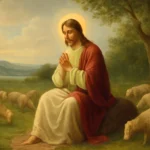
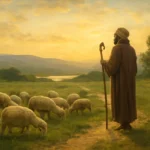
The 23rd psalm nrsv, commonly known as Psalm 23 in the New Revised Standard Version, is one of the most recognizable passages in the Bible. Its opening line, The Lord is my shepherd, I shall not want, is quoted and echoed across sermons, prayers, music, and art. In the New Revised Standard Version (NRSV), this psalm remains faithful to the ancient imagery of shepherding while presenting language that contemporary readers find clear and accessible. The NRsv’s rendering preserves the pastoral metaphors that have shaped Jewish and Christian spiritual practice for centuries, while also offering a translation style that emphasizes accuracy, inclusivity where possible, and readability in modern English.
This article explores the meaning and interpretation of the 23rd psalm nrsv in depth. We will survey its historical background, literary structure, theological themes, and practical applications for worship, study, and daily life. Throughout, you will encounter variations of the name—Psalm 23 NRsv, the 23rd psalm in the New Revised Standard Version, or the 23rd psalm nrsv—as we trace how translators shape the text while preserving its enduring message.
Textual background and translation notes
Psalm 23 is part of the Hebrew Bible’s collection of Psalms, traditionally attributed to David, though modern scholarship recognizes that multiple authors contributed to the psalter across long periods. The NRsv is a product of the late 20th century, built on solid textual criticism while striving to maintain reverence for the sacred text and clarity for contemporary readers.
Origins and historical context
Cultural context: The imagery of shepherd and sheep belongs to the ancient Near East and reflects life in agrarian societies. A shepherd’s role encompassed guidance, protection, provisioning, and intimate knowledge of the flock.
Literary genre: Psalm 23 is a short, lyrical composition that blends theology, personal trust, and vivid scenes from nature and daily life. Its structure supports both personal devotion and communal recitation.
Liturgical usage: Over centuries, this psalm has functioned in worship services, funerals, and moments of personal grief or gratitude. Its universal themes—provision, protection, presence—make it adaptable across settings.
Key translation choices in the NRsv
Verse 1: The Lord is my shepherd, I shall not want. The NRsv keeps the classic sense of divine care while employing contemporary wording that remains dignified and precise.
Verse 2–3: He makes me lie down in green pastures; he leads me beside still waters. The NRsv uses precise terms like green pastures and still waters to convey rest and restoration.
Verse 4: Even though I walk through the darkest valley, I fear no evil; for you are with me; your rod and your staff — they comfort me. The NRsv preserves the parallel imagery of danger and protection along with the shepherd’s tools as symbols of guidance and consolation.
Verse 5: You prepare a table before me in the presence of my enemies; you anoint my head with oil; my cup overflows. The NRsv translates hospitality and abundance in a way that highlights blessing amid opposition.
Verse 6: Surely goodness and mercy shall follow me all the days of my life, and I shall dwell in the house of the Lord forever. The NRsv emphasizes ongoing divine benevolence and enduring communion with God.
Language choices: Some translations emphasize the relational language of God (“the Lord”) and the pastoral imagery, while others offer more formal or poetic renderings. The NRsv balances readability with a measure of traditional diction.
Gender and pronouns: In some places, translations handle gender-neutral language differently. The NRsv tends to preserve the sense of the text with conventional pronouns for God, which can shape readers’ perceptions of divine presence and action.
Pastoral imagery: The images of shepherding, green pastures, and still waters are persistent across translations, but the exact nuance can vary. The NRsv often favors economy and clarity without sacrificing imagery.
Literary structure and imagery
Psalm 23 is compact, yet it unfolds a deliberate progression of images that move from a personal confession of trust to a bold proclamation of divine presence in the face of danger, culminating in a confident expectation of divine blessing that extends beyond the present life.
Structural outline
Verse 1 establishes the central claim: the Lord as shepherd ensures sufficiency and security.
Verses 2–3 depict nourishment, rest, and restoration, highlighting the shepherd’s care in daily life.
Verse 4 introduces the “valley of deep darkness” where fear might arise, yet divine presence dispels fear.
Verse 5 shifts to banquet imagery—reception, hospitality, and abundance in the midst of hostility.
Verse 6 moves toward certainty about ongoing goodness and a future dwelling in God’s house.
Key images and what they signify
Shepherd: A shepherd cares for every sheep, knows their names, and leads them to safety and nourishment. This image conveys intimate knowledge, protection, guidance, and trustworthiness.
Green pastures and still waters: These scenes symbolize rest, nourishment, and emotional/psychological restoration. They suggest a peaceful, life-sustaining engagement with God.
Paths of righteousness: The phrase for his name’s sake signals fidelity to God’s character, not merely to achieve personal reputation but to reflect God’s own righteousness in one’s conduct.
The dark valley: A potent metaphor for danger, loss, or the unknown. The psalm reassures that divine companionship replaces fear with courage.
Rod and staff: Tools of guidance and protection from danger. In the NRsv, they symbolize credible, comforting discipline and direction.
Table in the presence of enemies: A surprising reversal of danger into blessing, representing divine hospitality in adversarial circumstances.
Oil and cup: Anointing with oil signifies consecration, healing, and honor; a cup overflowing signals abundance and generosity.
House of the Lord: The concluding image points to intimate, perpetual fellowship with God beyond life’s borders.
Theological themes in the 23rd psalm nrsv
Theology of provision and presence
Provision: The opening line asserts a sufficiency that dispels want, reframing scarcity as solvable through a trustworthy relationship with God.
Presence: The Lord’s presence through the darkest valley is not only a safeguard but a companionship that redefines fear into courage.
Guidance, righteousness, and name
Guidance: The psalm emphasizes directional guidance—he leads me—which signals purposeful movement toward life-affirming paths.
Righteous paths: The phrase “for his name’s sake” links moral conduct to God’s character and reputation, suggesting a calling to live in a way that reflects divine attributes.
Hospitality, blessing, and abundance
Hospitality: The imagery of a table prepared in the presence of enemies reframes danger as an occasion for divine provision and communal blessing.
Overabundance: The cup “overflows” communicates not merely adequacy but generosity and lavish grace that overflows into life’s borders.
Hope, covenant faithfulness, and eschatological aspiration
Goodness and mercy: The promise that these blessings will follow the believer “all the days of my life” expresses a covenantal assurance of divine benevolence.
Dwelling with God: The final line extols a lasting relationship with God—an ongoing, intimate presence that transcends time and space.
Interpretive perspectives: how readers have understood Psalm 23 NRsv
Pastoral and personal care interpretation
For many readers, the 23rd psalm nrsv offers a model for confronting anxiety and grief with trust in God’s fatherly care. The shepherd metaphor fosters an image of spiritual guidance that is both intimate and practical—God providing food, rest, protection, and healing in daily life and in crisis.
Liturgical and devotional use
In worship settings, Psalm 23 NRsv functions as a comforting refrain for times of mourning or fear, and as a proclamation of faith during celebrations. Its refrain-like cadence makes it amenable to chanting, responsive readings, or meditative music.
Prophetic and messianic readings
Some interpreters view the shepherd motif through a messianic lens, anticipating a future fulfillment in the coming Davidic shepherd-king. While the immediate context is collective and psalmic, later Christian readings frequently connect Jesus with the good shepherd imagery in John 10 and related texts, seeing the shepherd’s nurture and sacrifice as preludes to redemptive acts.
Poverty and abundance: social readings
Socio-economic readings highlight the generous hospitality embedded in the table imagery, which stands as a challenge to scarcity-minded living. The NRsv language invites readers to trust that divine care can supply beyond visible needs, especially in communities facing hardship or persecution.
Applications for readers today: practical takeaways from the 23rd psalm nrsv
During times of fear or loss
Recall that God’s presence accompanies you in dark moments, transforming fear into courage.
still waters and green pastures as a tool for spiritual rest and renewal when life feels overwhelmed.
In everyday decisions and ethics
“for his name’s sake” remind you that your actions reflect God’s character—seek paths that honor integrity and compassion.
In worship and prayer life
Use the psalm as a model for prayer: acknowledge God as shepherd, request sustenance and safety, confess fears, and express gratitude for God’s blessings.
In grief rituals or memorials, Psalm 23 NRsv offers language that names both loss and hope, turning sorrow into a shared experience of divine companionship.
Literary and artistic reflection
Common questions about the 23rd psalm nrsv
What does the phrase “The Lord is my shepherd” convey in the NRsv?
It asserts a personal relationship with God, in which God leads, nourishes, and protects the speaker. The shepherd metaphor emphasizes care, guidance, and a sense of belonging within a trusting relationship.
How should we read “even though I walk through the darkest valley”?
This line acknowledges danger and uncertainty, while insisting that divine presence dispels fear. It invites readers to endure hardship with confidence, knowing that God’s companionship remains real even in perilous moments.
What is the significance of “you prepare a table before me in the presence of my enemies”?
The line reframes adversity as an opportunity for divine blessing. It emphasizes that God’s generosity and protection persist even in hostile contexts, highlighting a countercultural vision of abundance amid threat.
Why does the verse about dwelling in the house of the Lord matter?
It points to an enduring relationship with God that transcends life’s limitations. The house of the Lord symbolizes ongoing closeness to God, communal worship, and ultimate hope.
Psalm 23 NRsv in worship, art, and culture
In liturgy and prayer books
Psalm 23 NRsv appears in many liturgical cycles, especially during times of sorrow, comfort, or thanksgiving. Its concise structure makes it suitable for corporate responsive readings, silent meditation, or recited congregational prayers.
The psalm’s cadence and imagery have inspired countless musical settings, hymns, and modern songs. Poets and writers often translate its figures into contemporary scenes—still waters become a symbol of inner peace in a noisy world, while the shepherd becomes a metaphor for guidance amid life’s complexities.
In visual art and film
Visual artists frequently depict the shepherd’s care, green pastures, and the protective presence of the Lord through landscapes, pastoral scenes, and symbolic motifs. In cinema and media, Psalm 23 NRsv is used to evoke resilience, hope, and a sense of transcendent companionship in challenging moments.
Variations on the title and phrasing: semantic breadth for readers
Throughout this article, you may have seen different ways of naming the psalm. Here are common variants that you might encounter:
23rd psalm nrsv (simple numeric form with the NRsv label)
Psalm 23 NRsv (standard naming convention for Psalm chapters with the NRsv acronym)
The 23rd psalm in the New Revised Standard Version (expanded phrasing for clarity)
NRsv Psalm 23 (abbreviated form used in study guides)
The Lord is my shepherd (Psalm 23, NRsv) (quoted form for emphasis of the opening line)
Using these variations helps writers and readers discuss the text without ambiguity and allows for cross-referencing in study materials, sermons, and academic writing. Each variant points to the same core source text while accommodating different stylistic or scholarly preferences.
Conclusion: enduring meaning of the 23rd psalm nrsv
The 23rd psalm nrsv presents a compact theology of life under divine guidance. Its imagery—shepherd, green pastures, still waters, dark valleys, a banquet table, oil, an overflowing cup, and a constant presence—offers a vocabulary for trust that resonates across generations. Read within its historical setting, the psalm remains a powerful declaration of God’s care and a hopeful vision of life lived in right relationship with the Creator.
For students, pastors, lay readers, and artists alike, the Psalm 23 NRsv serves as a practical and devotional companion. It invites you to consider how God’s presence shapes daily experience, how provision is understood in times of want, how fear is redirected by divine companionship, and how blessing can appear even in the shadowed places of life. In its brevity lies a breadth of meaning that continues to speak to the heart of readers today.