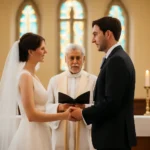
A wedding is a once-in-a-lifetime event, and for many couples, the setting is as meaningful as the vows themselves. Church wedding pictures capture not only the faces of loved ones but also the atmosphere of reverence, tradition, and communal joy that unfolds within sacred walls. Whether the ceremony takes place in a grand cathedral, a modest chapel, or a historic parish church, the imagery tells a story that blends spirituality, architecture, and personal history. A well-curated gallery of photos from chapels and cathedrals can transport future generations back to the exact moment when two lives shifted onto a shared path.
In this article, you will find an in-depth look at how to plan, shoot, curate, and present church wedding pictures so that they remain timeless, respectful, and emotionally resonant. We cover practical tips for photographers and couples alike, including shot lists, posing ideas, lighting strategies, and post-processing approaches. By exploring variations such as cathedral wedding photos, nave moments, and altar-side candids, you will gain a broad semantic repertoire for telling the wedding story in a church setting.
Understanding the Aesthetic: What Makes Church Weddings Unique
The aesthetics of church weddings are shaped by architecture, ritual, and light. Church spaces often feature soaring ceilings, stained glass, intricate woodwork, and stone textures that convey a sense of history and sanctity. This environment invites photography that respects the ceremony while revealing intimate, candid moments. When you approach church wedding photography with sensitivity to space and ceremony, you can create images that feel both documentary and artistic.
Architectural Elements that Define the Look
The visual language of a church wedding is built from architectural cues. Look for:
Altars and sanctuaries as focal points for portraits with a sense of purpose.
Galleries, arches, and colonnades that frame couples and guests naturally.
Stained glass and colored light that create mood and texture on skin and fabrics.
Wooden pews, stone floors, and organ pipes as tactile textures that add depth to composition.
Emotional Moments Within Sacred Space
Beyond the architectural cues, church weddings offer moments of solemnity and joy—vows exchanged, prayers spoken, and family members sharing tears or smiles. Interior church photography thrives when photographers anticipate these transitions: the moment the violin rises in the background, the couple’s handshake after the kiss, or a grandmother’s glance that says, “This is sacred.” By balancing posed and candid shots, you preserve the emotional arc of the ceremony.
For couples who want a modern reading of tradition, consider a minimalist approach to composition that emphasizes negative space and the couple within the grand setting. This style highlights the contrast between the intimate moment and the vast sacred space, producing images that feel timeless and respectful.
Types of Church Wedding Pictures
There are many ways to frame the wedding story within a church. Here are common categories and what to look for in each. Remember to adapt your approach to the couple’s faith, denomination, and personal preferences.
Interior Shots: The Heart of the Ceremony
Interior photography concentrates on the couple, the celebrant, and the community inside the nave. Look for lines that guide the eye toward the couple at the altar or toward the sacred elements, such as candles or an icon. Interior church wedding photos should balance environmental portraits with close-ups of hands, rings, and expressions of awe.
Exterior church photography frames the ceremony in the broader setting. This includes the building’s façade, gates, gardens, and the surrounding street. Exterior chapel wedding pictures often capture the couple arriving and departing, as well as group portraits against architectural features like arches or doors.
Ceremony Moments: The Turning Points
The ceremony itself offers decisive photographic opportunities: the exchange of vows, the exchange of rings, the kiss, the signing of the register, and the blessing. For cathedral wedding pictures, the scale of the space can magnify these moments, so framing often involves wide establishing shots and tight portraits in close succession.
Reverent Details: Symbols and Rituals
Don’t overlook ritual objects and details that carry meaning: altar cloths, candles, rosaries, vestments, and vestments worn by clergy. These elements add texture to the gallery and help tell the full story of the day.
Reception and Afterglow: Beyond the Aisle
Depending on the couple’s plans, church reception photos or nearby venues can round out the gallery. Some couples choose to shoot the group portraits in the church courtyard or a nearby chapel garden to preserve continuity of setting and lighting tone.
Shot Lists and Inspiration: A Practical Guide
A well-crafted shot list helps ensure you don’t miss essential moments while allowing room for spontaneous beauty. Below is a comprehensive framework you can adapt for church wedding pictures.
Core Ceremony Shots
Pre-ceremony moments: groom with groomsmen, bride preparing with bridesmaids
Entrance of the bride and procession dynamics
Vows, exchanging of rings, and the kiss
Signing of registers and the departure of the couple
Congregational reactions and prayer moments
Portraits Within the Sacred Space
Individual portraits with the altar or a stained-glass backdrop
Couple portraits using architectural features (arches, columns, windows)
Family and bridal party groupings in the nave or transepts
Silhouettes and backlit scenes near windows or doors
Detail Shots
Rings, bouquet, and attire textures
Clergy vestments, cross, candle arrangements
Programs, hymnals, and decorative elements within the church
Environmental Portraits and Environmental Storytelling
Portraits of the couple with the church exterior in the background
Interactions with family and friends in the churchyard or cloister
Candid reactions during toasts or blessings after the ceremony
Variations for Different Settings
Cathedral wedding pictures may require wider framing to convey scale
Chapel wedding photos often benefit from close, intimate framing and softer light
Sanctuary wedding photos can focus on the altar and congregation’s participation
Create a master list and a second, shorter “must-have” list for the day. Share the lists with the couple and the officiant to align on expectations. Always leave space for spontaneous moments; the best candids often come from unplanned exchanges and genuine emotion.
Posing, Direction, and Natural Moments
Great photographs of church weddings depend on a balance between direction and spontaneity. Couples feel most comfortable when they know what to expect, but the magic usually appears in unposed, heartfelt interactions. Use a gentle, non-intrusive approach to keep the ceremony flowing and to respect the sanctity of the space.
Guiding the Couple Without Over-Directing
Explain each shot briefly before you take it to reduce awkwardness.
Offer two or three framing options quickly so you don’t disrupt the moment.
Use neutral prompts («look at each other,» «hold hands,» «share a smile») rather than fixed poses.
For cathedral wedding pictures, consider a two-camera approach: one photographer focused on wide establishing shots that anchor the space, and another that captures intimate, close-up expressions during key moments. In chapel wedding photography, a tighter approach can highlight emotional intensity without crowding the space.
Lighting, Color, and Mood in Sacred Space
Lighting is one of the most influential elements in church photography. Natural light filtering through stained glass can create rich color tones, while artificial lighting can help you control exposure in dim interiors. The goal is to preserve the integrity of the scene without overpowering it with flash or artificial color.
Dealing with Mixed Light Sources
Use a camera with good high-ISO performance to avoid excessive noise in dim spaces.
If needed, employ a subtle on-camera bounce or a discreet off-camera light to supplement shadows on faces.
White balance should be adjusted to reflect the dominant color cast from stained glass or candles.
Color Palette and Tonal Consistency
The tones in a church setting often lean warm due to candlelight and wood tones. Aim for a color palette that respects the space while preserving skin tones. You can emphasize warm, golden hues for a classic look or cool, desaturated tones for a modern, documentary-style feel—depending on the couple’s personality and the venue’s atmosphere.
Posture, Post-Processing, and Preservation of Detail
In post-processing, prioritize retaining architectural details and texture—stone, wood, fabric—without making the scene look artificial. Consider a light grade that enhances the atmosphere of the church without sacrificing accuracy. For cathedral wedding images, you may push contrast slightly to emphasize the grandeur of the space, while for chapel wedding photos, a softer, more intimate grade can reflect a closer emotional focus.
Ethics, Consent, and Cultural Considerations
Respect for the space, the participants, and the religious setting is essential in church photography. Here are core ethical practices to guide your work:
Consent and privacy considerations: Obtain permission for sharing images, especially of children and intimate moments. Respect requests from families or clergy to avoid photographing during sensitive moments.
Discretion technique: Use longer lenses and minimal intrusion during the vows and prayers.
Acknowledgement of religious customs: Learn basic etiquette—when to stand, kneel, or approach the altar, and how to position yourself to avoid interfering with the ceremony.
For couples from different faith backgrounds or denominations, plan a conversation with the officiant to understand any restrictions, such as where flash is allowed, where photographers may move, and which moments are most fitting to capture. This collaboration helps ensure the church wedding pictures honor the ritual and the congregation’s reverence.
Equipment, Workflow, and Safety
The right gear, organized workflow, and safety-minded practices contribute to a smooth day of shooting in a church. Here are practical guidelines:
Camera bodies with reliable low-light performance and good autofocus in dim interiors.
Fast lenses (e.g., f/1.4–f/2.8) to capture atmosphere and portraits with shallow depth of field when appropriate.
A flexible lighting plan that’s discreet and non-disruptive to the ceremony.
Develop a simple workflow:
Pre-ceremony prep and venue setup
Key ceremony moments with minimal disruption
Post-ceremony family portraits and group shots
Location-based portraits and candid reception moments
Always have backups: extra batteries, memory cards, and backup lenses. For cathedral spaces, a long telephoto can help you capture intimate moments from a distance, while a wide-angle lens is essential for expansive interior shots. A discreet zoom can help you adapt quickly between aisles, altars, and chapels.
Post-Processing and Gallery Curation
Post-processing is where the narrative of church wedding pictures becomes cohesive. The goal is to present a gallery that feels like a single, well-curated story while honoring color, texture, and emotion.
Consider a consistent approach to color grading: warm, cinematic tones for a classic feel or more documentary-grade contrast for realism. Preserve skin tones and avoid heavy saturation that can distort the sacred atmosphere. Remember that the environment itself is part of the story, so keep a balance between environmental detail and subject focus.
Curating the Gallery
Start with a strong opening image that establishes the setting and mood.
Sequence the images to reflect the ceremony’s progression: preparation, processional, vows, celebration, and departure.
Include a mix of wide establishing shots, mid-range portraits, and tight detail shots.
Order family and friend photographs logically to maintain a comfortable viewing rhythm.
Delivery Formats
Offer multiple formats: a high-resolution gallery for printing, a smaller social-media-friendly set, and a traditional printed album. For church wedding pictures, consider a digital gallery with print customization options that honor privacy settings and permissions.
Creating an Inspiring Gallery: A Narrative Approach
An inspiring gallery is more than a collection of pretty pictures; it is a narrative arc that takes viewers through the day. Here are strategies to craft a gallery that captivates and informs:
Storyboarding the sequence from pre-wedding moments to the couple’s exit from the church.
Using variations of church wedding pictures to convey different textures: architectural grandeur, intimate emotion, and communal celebration.
Incorporating gallery lighting and print quality considerations to ensure images look their best in both digital and physical formats.
A successful gallery will balance formal portraits with candid, unscripted moments. For many couples, the most treasured images are the ones that reveal genuine emotion—laughter shared with a sister, a tear shed by a parent, or a quiet moment of reflection before the vows.
Tips for Couples: Maximizing Your Church Wedding Pictures
If you are the couple, or you’re advising clients, these tips help ensure your day yields the best possible photos while honoring your faith and venue.
Discuss expectations with the photographer and clergy. A shared vision helps avoid surprises.
Schedule a church rehearsal or plan a short run-through for portrait locations and lighting cues.
Prepare a shot list that includes must-have moments and family combinations, while allowing room for spontaneity.
Choose a timing strategy that accounts for lighting: late afternoon or early evening light can create magical effects near windows and arches.
Respect the space: communicate with guests about when photography is appropriate and how to behave during sacred moments.
By embracing a thoughtful approach to both planning and execution, you can ensure your cathedral wedding pictures or chapel wedding photos reflect your values and your unique love story.
Conclusion: The Enduring Value of Church Wedding Imagery
The collection of church wedding pictures is a living memory of devotion, family, and shared joy. Whether your venue is a grand cathedral, a timeless chapel, or a beloved parish church, the images created in that space carry a unique resonance. They document not only the moment of union but the environment that shaped the ceremony—the architecture, the rituals, and the relationships that support the couple on their new path.
By combining a careful shot list, thoughtful posing, sensitive lighting, and respectful post-processing, photographers can deliver a gallery that feels intimate yet expansive, personal yet universally relatable. The resulting wedding photography collection becomes a treasured archive for generations to come, a bridge between sacred tradition and modern storytelling. And for couples, the right set of church wedding pictures offers a tangible reminder of a day when two families became one and a community bore witness to a sacred promise.
If you are planning your own church wedding or you are advising clients, use the guidance above to create an image library that honors the space, preserves the emotion, and remains beautiful for decades. The goal is not only to document a ceremony but to capture its spirit—the quiet reverence, the shared laughter, and the bright spark of two people stepping forward together.