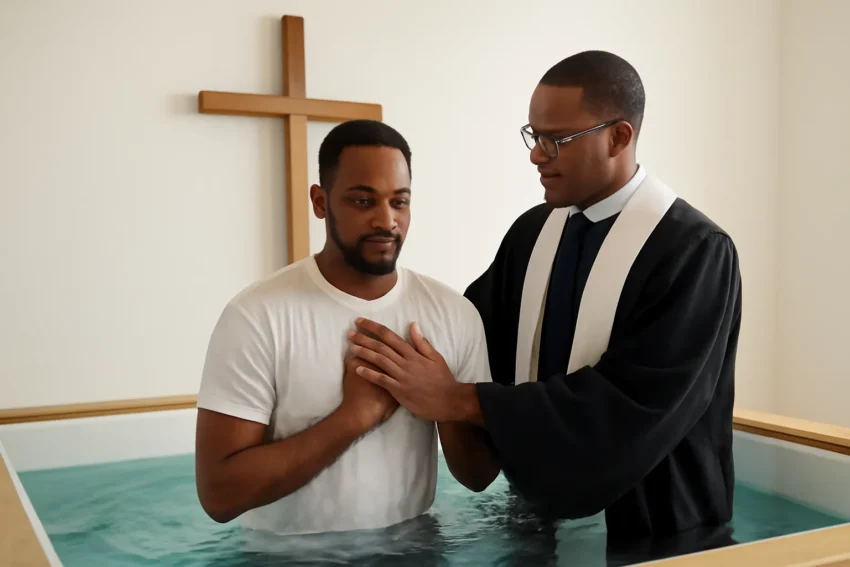
A baptism service is more than a ritual; it is a public expression of faith, a sacramental moment of welcome, and a milestone that families remember for a lifetime. Whether conducted as an infant rite, a believer’s baptism for an adult, or a symbolic ceremony for members of a faith community, a well-planned baptism ceremony can blend reverence, joy, and clarity. In this guide, you will find a thoughtful approach to planning a meaningful and memorable baptism service that honors theological intent, respects tradition, and invites the whole congregation to participate in the moment.
This article uses a broad view of baptism to cover baptismal services across traditions, including infant baptism, child or believer’s baptism, immersion, pouring, and sprinkling. You will find practical checklists, planning timelines, and sample outlines designed to help you craft a ceremony that communicates faith with clarity, warmth, and beauty.
Understanding Different Forms of Baptism
Before you start planning, it helps to recognize that the term baptism encompasses a spectrum of practices and meanings. The core idea—marking entry into the faith community through water—is common, but the how, why, and symbolism can vary.
Infant Baptism vs Believer’s Baptism
Infant baptism focuses on the family’s commitment to raise the child in the faith and on the church’s responsibility to nurture the child within the faith community. In many traditions, sponsors or godparents stand alongside the parents to declare their support and to assist in guiding the child’s spiritual growth. The rite often includes a blessing over the child, water, and promises from the gathered congregation.
Believer’s baptism (also called adult baptism or credible baptism) emphasizes a personal profession of faith. The person being baptized consciously confesses belief, demonstrates commitment, and is baptized as a public declaration of faith. This form is typically reserved for those who have made a personal decision to follow Christ and understand the meaning of the rite.
Water Practices: Immersion, Pouring, and Sprinkling
The way water is applied in the rite—whether by immersion, pouring, or sprinkling—is shaped by tradition, theology, and practical considerations. Immersion conveys burial and resurrection imagery, while pouring or sprinkling emphasizes cleansing and blessing. Some churches use a baptismal font, others a portable font, and some perform the ceremony near a body of water. The key is to choose a method that aligns with your community’s convictions and with the space where the service occurs.
Christening vs Baptism: Terminology
In many regions, christening and baptism are used interchangeably in common speech, but the theological emphasis can differ. Some traditions reserve “Christening” for infant rites and naming, while others use “Baptism” to highlight the water rite itself and its spiritual significance. When planning, clarify with your church leadership which term you will use and why, to avoid confusion among families and guests.
Planning Timeline and Milestones
A well-timed plan helps you balance spiritual preparation with logistical readiness. Below is a practical timeline that many congregations find effective. Adjust the pace to fit your local customs, venue constraints, and the unique needs of families involved.
8–12 Weeks Before
Define the purpose and clear objectives for the baptism service (e.g., infant welcome, believer’s confession, renewal of baptismal vows).
Identify who will participate on the platform: officiant, readers, musicians, ushers, and the baptismal party (parents, sponsors, and the person being baptized if applicable).
Consult church leadership about the chosen form of baptism, water method, and any doctrinal considerations that should be communicated in advance.
Decide on the date, time, and location, and consider seasonal aspects (outdoor vs. indoor, reflect light, acoustics, and accessibility).
Select scripture passages, prayers, and a brief message or exhortation. In a believer’s baptism, you may want a short testimony from the candidate; in infant baptism, focus on parental vows and community responsibility.
Choose welcome and response elements that fit your tradition—e.g., a special reading, song, or responsive liturgy.
Contact sponsors or godparents and discuss their roles, responsibilities, and church expectations.
2–4 Weeks Before
Confirm logistics with the venue: seating, infant care, baptismal font or tank setup, towels, attire, and accessibility needs.
Outline the service order in detail and share it with participants, including cues for readers, musicians, and the officiant.
Arrange music selections, ensuring there is a backup plan in case of last-minute changes.
Final Week
Provide a final run-through with all participants, including a rehearsal if helpful, to confirm timing and roles.
Distribute any final instructions to families (what to bring, what to wear, photography policies, and post-service reception plans).
Prepare a simple, dignified post-service moment for photos, blessings, or a short reception if planned.
Elements of a Meaningful Baptism Ceremony
A meaningful baptism ceremony blends sacred liturgy with personal meaning. The following elements can be integrated in various combinations depending on tradition, context, and pastoral preference.
Welcome and Gathering
A pastoral welcome that acknowledges the significance of the day and invites the congregation into a posture of reverence and joy.
Brief mention of the biblical basis for baptism and its place in the life of the church.
Optional opening song or chorus that invites collective praise and reflection.
Call to Worship and Confession
A short call to worship sets the spiritual tone and centers the assembly on God’s presence.
Either a corporate confession of faith or a scripted affirmation that aligns the community with the sacred meaning of the rite.
Scripture Readings and Prayer
Selected Bible passages reveal themes of cleansing, new life, and covenant faithfulness.
One or more prayers of blessing, gratitude, and intercession for the candidate, family, sponsors, and the wider community.
The Rite of Water
The baptism itself — whether an immersion, pouring, or sprinkling — is the central outward sign. This moment can be brief or extended, depending on custom.
Pastoral words accompanying the rite explain its symbolism: dying to the old self, rising to new life, and aligning with Christ’s embrace of grace.
Consider a short testimonial moment, especially in believer’s baptism, where the candidate speaks to their decision or faith journey.
Vows, Promises, and Commendation
For infant baptism, parents’ vows and sponsors’ promises are accompanied by a blessing from the officiant and a communal pledge to support the child’s spiritual upbringing.
For believer’s baptism, the candidate may recite or articulate a personal faith statement, followed by affirmations from the congregation.
Include a brief exhortation to the assembly about accompanying the new member on their faith journey—prayer, mentorship, and practical support.
Music and Worship
Select songs that echo the themes of cleansing, new life, and community welcome. Consider a hymn or contemporary worship track with a clear message about baptism and faith.
Music can help pace the ceremony, provide reflective pauses, and celebrate the communal dimension of the rite.
Conclusion and Blessing
A formal blessing or commission from the officiant reinforces the church’s role in nurture and accountability.
The ceremony typically concludes with a benediction, a sending song, and an invitation to fellowship or reception if included in the plan.
Special Considerations for Itineraries and Settings
Baptism services happen in a variety of contexts. Here are some mindful considerations to ensure accessibility, inclusivity, and smooth execution.
Provide a family-friendly pace, with moments for quiet reflection and opportunities for infants to be held or cared for as needed.
Offer signage and ushers to assist families with seating, accessibility, and transition between segments of the service.
Multicultural and Multilingual Contexts
Honor diverse cultural expressions and languages within the service. Consider bilingual readings, translations, or culturally meaningful songs.
Be attentive to the symbolism of water in different cultures and provide context for symbolic gestures.
Accessibility and Safety
Ensure the baptismal location is accessible for people with mobility challenges, including safe approaches to the water source and stable footing.
Prepare for weather contingencies if the ceremony occurs outdoors, including shade, hydration, and non-slip surfaces.
Clergy and Congregational Roles
Clarify roles for the officiant, celebrant, assistants, and lay readers well in advance to prevent confusion on the day.
Provide a brief orientation for sponsors or godparents about their responsibilities and the church’s expectations for ongoing involvement.
Logistics and Practical Considerations
The practical side of planning a baptism service often determines whether the ceremony feels seamless or contrived. Paying attention to details can help you keep the focus on the spiritual significance while ensuring comfort for all participants.
Venue and Time
Coordinate with the venue to reserve space, lighting, and acoustics appropriate for a worship service that includes a sacred rite.
Schedule enough time for setup, the ceremony itself, and any post-service customs such as a reception or photo session.
Water, Attire, and Equipment
Prepare the baptismal vessel, towels, and changes of clothes for the candidate if immersion is used.
Provide robes or modest attire and consider options for infants or small children who may need extra warmth after the rite.
Ensure there is a plan for photography or videography that respects the solemnity of the moment.
Music and Visuals
Confirm instrumentalists or vocalists, and arrange a short, reflective set of music that aligns with the tone of the ceremony.
Plan visual elements (slides, banners, or candles) that support the narrative of the rite without distracting from the central act.
Communication and Follow-Up
Provide families with a clear outline of the order of service, expectations for participation, and any needed rehearsal dates.
Offer a simple post-service note or email that explains next steps for spiritual nurturing, such as baptism class schedules, catechesis, or small groups.
Common Pitfalls and How to Avoid Them
Even well-intentioned plans can stumble if certain tensions are not anticipated. Here are practical reminders to help you maintain focus on the ceremonial and educational goals of the baptism service.
Overloading the service with program notes: Keep explanations concise and anchored in pastoral care. Too much preface can crowd the moment.
Not clarifying roles: Assign specific duties (reader, usher, photographer) and rehearse briefly to ensure smooth execution.
Neglecting the sponsor/vital relationships: Provide a clear briefing for sponsors or godparents about their sacred responsibilities and ongoing support.
Rushing the rite: Allow time for the water rite to be solemn and unhurried; a hurried moment diminishes its weight.
Ignoring accessibility: Plan the space so that everyone, including those with mobility challenges, can participate fully.
Sample Outline for a Baptism Ceremony
Below is a flexible outline you can adapt to different traditions. It emphasizes clarity, reverence, and communal warmth.
Prelude music and gathering—people arrive and prepare spiritually for the moment.
Welcome and opening prayer—brief invocation inviting God’s presence.
Call to worship or affirmation of faith—set the tone for communal participation.
Scripture reading—chosen to frame the themes of cleansing, new life, and covenant faithfulness.
Message or exhortation (brief)—often focusing on what baptism means for the individual and the community.
The rite of baptism—the water moment (immersion/pouring/sprinkling) with accompanying words.
Vows and promises—parents and sponsors’ commitments (infant baptism) or the candidate’s own profession of faith (believer’s baptism).
Prayers of blessing—officiant and congregation offer prayers for the child, family, and church body.
Communion of the family and community (optional)—shared signs of welcome and support.
Congregational welcome and blessing—invite the church to embrace and support the new member.
Closing song and dismissal—send the community to live out the baptism in daily life.
Reception or celebration (optional)—time for fellowship, photos, and practical next steps.
Frequently Asked Questions about the Baptism Service
Here are common questions planners and families ask as they prepare for a baptism. The answers are framed to respect diverse practices while offering practical guidance.
The primary purpose is to publicly declare one’s faith or a family’s faith commitment, to celebrate new spiritual life, and to integrate the baptized person into the life and mission of the church. It is both a personal milestone and a communal event that invites the congregation to participate in support and accountability.
Participants typically include the officiant, the candidate (adult or child), parents and sponsors for infant baptism, readers or singers, and a contingent of the congregation. Some communities designate a baptism team or a coordinator to ensure everything runs smoothly on the day.
Can baptism be combined with other ceremonies?
Yes. Some services combine baptism with a baby dedication, a wedding, or a renewal of baptismal vows for older members. Coordination with the church calendar and careful liturgical planning help keep the focus on the baptism itself.
What about photography and videography?
Arrange clear guidelines in advance. Some traditions appreciate ritual photos; others prefer to keep the moment quiet and reverent. Decide whether family members may take photos during the water rite and designate a preferred time for formal pictures after the service.
Is it appropriate to have a reception after the service?
Many communities celebrate with a reception or informal gathering after the service. This strengthens fellowship and allows the newly baptized member to be welcomed by the church family. If a reception is planned, ensure it fits the venue and budget, and make accommodations for family schedules and infants’ needs.
Conclusion: Crafting a Baptism Service That Feels True
Planning a baptism service that is meaningful and memorable requires thoughtful attention to theology, tradition, and practical logistics. The goal is to create a moment that honors the sacred act of water and the grace it signifies, while also inviting the congregation to journey alongside the baptized person or family. By clarifying the purpose, selecting appropriate words and gestures, coordinating roles, and honoring the space and setting, you can design a ceremony that remains faithful to its roots while resonating with today’s families.
Whether you are planning an infant baptism, a believer’s baptism, or a blended rite that honors diverse spiritual backgrounds within the community, the essential practices remain: a clear sense of purpose, tender preparation, and a communal spirit that surrounds the candidate with care, accountability, and celebration. May your baptism service be a radiant witness to faith, a doorway into ongoing spiritual formation, and a memorable moment of worship that blesses all who attend.