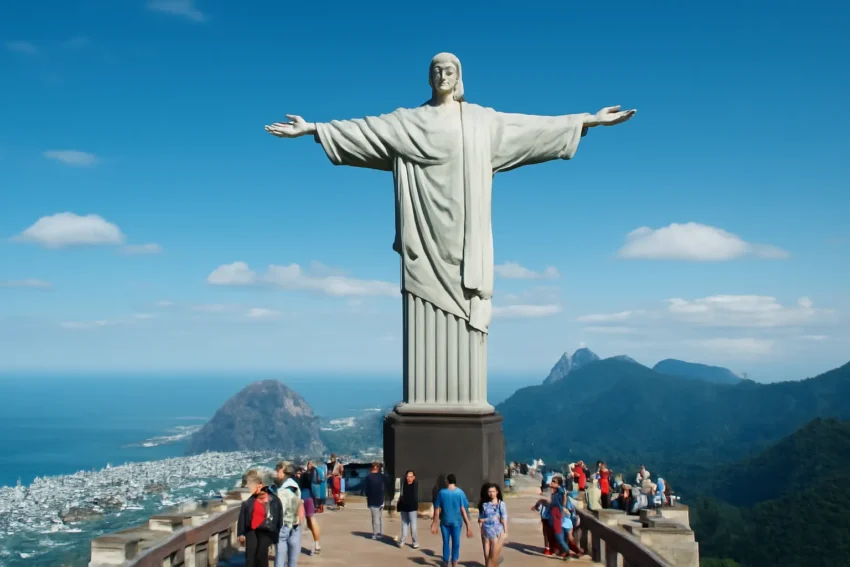
Christ the Redeemer Tour: The Ultimate Rio de Janeiro Guide
Few experiences capture the spirit of Rio de Janeiro quite like standing before the colossal statue of Christ the Redeemer on Corcovado Mountain. This emblematic landmark isn’t just a photo opportunity; it’s a gateway to a city’s history, culture, and natural beauty. A well-planned Christ the Redeemer tour can elevate a trip from sightseeing to a memorable adventure, offering panoramic views, insightful context, and a sense of connection to one of the world’s most recognizable icons.
In this guide, you’ll find everything you need to know to craft a compelling itinerary around the Redeemer statue visit, from practical planning and transport options to different tour formats, photography tips, and nearby attractions that pair well with the journey up to the statue. Whether you call the experience a Christ the Redeemer excursion, a tour of Christ the Redeemer, or simply the Redeemer statue tour, the goal remains the same: to make the most of Rio’s most famous viewpoint while learning about its significance in Brazilian culture and religious history.
A brief history of Christ the Redeemer
The Christ the Redeemer statue stands atop Corcovado Mountain, overlooking the city of Rio de Janeiro. Its construction began in the early 1920s and was completed in 1931, a period when Brazilian art and engineering were embracing modernism while honoring older religious traditions. The statue’s design was led by Brazilian engineer Heitor da Silva Costa, with the face sculpted by the French-Polish artist Paul Landowski, and the hands cast from reinforced concrete and soapstone. The choice of location—an extinct, rainforest-covered peak within Tijuca National Park—gives visitors a sense of being above the bustle of the city, with the Atlantic breeze and the forest canopy providing a dramatic backdrop to the monument.
Over the decades, Christ the Redeemer has become more than a religious symbol; it is a universal emblem of welcome and peace for visitors from around the world. It is frequently cited among the New Seven Wonders of the World and remains a cornerstone of Brazilian identity. When you embark on a Redeemer tour, you’re not just riding a cable car or a train—you’re stepping into a living cultural experience that spans faith, art, and landscape.
Planning your visit: when to go and what to expect
Best times to visit
Rio’s climate supports outdoor exploration most of the year, but the experience at Corcovado can vary with the weather. In general, consider these guidelines:
Dry season (roughly May to October) tends to be cooler and sunnier, with clearer visibility that makes the cityscape glow against the sky.
Rainy season (roughly November to March) brings higher humidity and localized showers; mist can add a mystical atmosphere to the viewpoints, though it may limit visibility at times.
Early morning slots often offer the best light for photography and a calmer crowd; midday visits can be busier but still worthwhile if you want full visibility across Guanabara Bay.
How long does a Redeemer visit take?
A typical visit to Christ the Redeemer takes about 60 to 90 minutes once you are at the summit, with additional time depending on the mode of ascent and any extra stops (such as the nearby Tijuca National Park trails or a meal in the city after the ascent). If you combine the Christ the Redeemer tour with another landmark like Sugarloaf Mountain, you’ll likely spend half a day on the broader excursion. Always account for potential queues and security checks, especially during peak travel seasons.
How to reach the Redeemer statue: transport options
Getting to Corcovado is part of the experience. The ascent up the mountain is not a simple drive; visitors can choose among several options that suit different budgets, schedules, and comfort levels. Each path reveals a different facet of Rio’s landscape and adds to the story of the Christ the Redeemer tour.
Classic train ride: the Corcovado Rack Railway
Depart from the Cosme Velho station, a charming neighborhood near the city’s green hills.
Ride the scenic rack railway through the Tijuca National Park, tracing a route that climbs gently through Afro-Brazilian forest and misted viewpoints.
Arrive at the Cristo Redentor station at the base of the statue and transfer to the final elevator or escalator system to reach the summit platform.
Many travelers savor the train ride as a deliberate prelude to the panorama at the top. The vintage carriages and the winding ascent create a sense of ritual—an opportunity to pause, breathe, and anticipate the views ahead. If you’re joining a Christ the Redeemer excursion, you may find the train part of the package, along with a guided narrative about the area’s ecology, history, and culture.
Van or coach transfers
For those who prefer a road-based ascent or have accessibility needs, shuttle vans or private coaches run from several city centers and major hotels. These options typically include a guided commentary and sometimes a stop at a nearby overlook to photograph the city’s coastline and bays. If you have time constraints or are traveling with family, a private or small-group Redeemer statue tour can be a comfortable and convenient choice.
Direct access and accessibility considerations
Rio’s terrain means the ascent involves stairs and switchbacks near the summit. The Redeemer site provides elevators and accessible routes where possible, but plan ahead if you require mobility assistance. When booking your Christ the Redeemer tour, confirm accessibility details with the operator to ensure a smooth experience that aligns with your needs.
Tour options and itineraries: choosing your Christ the Redeemer tour style
There isn’t a single “best” way to see the statue; there are several compelling pathways, each with its own emphasis—views, history, convenience, or a combination of elements. Below are common formats and what you can expect from each. These options are frequently offered as Christ the Redeemer tours or excursions and can be tailored to personal preferences.
Classic Christ the Redeemer tour
Includes round-trip transport from central Rio or your hotel.
Comprises the Corcovado Rack Railway experience or an equivalent ascent by road.
Access to the viewing platform with guided narration about the statue’s history and significance.
Time for photography and some brief intervals at scenic overlooks in the forested approach.
Combo tours: Christ the Redeemer with Sugarloaf Mountain
Combine the iconic Redeemer statue visit with a separate ascent to Sugarloaf Mountain for a two-peak experience of Rio’s coastline and cityscape.
Often includes a private or small-group format, with time to explore both sites at a comfortable pace.
Great for travelers who want a compact yet impactful itinerary in one day.
Sunrise and sunset experiences
Early-morning departures aim to catch the first light over Guanabara Bay and a calmer atmosphere at the base and summit.
Golden-hour photography is a highlight, as the city wakes and the sky glows with pastel colors.
Evening variants may offer fewer crowds but are dependent on daylight hours and safety considerations; check availability in advance.
Private and small-group experiences
Hands-on, personalized itineraries led by experienced guides.
Flexibility to tailor stop durations, pace, and additional stops at nearby viewpoints or neighborhoods.
Ideal for families, couples, or travelers who want a more intimate learning and photography experience.
Accessible and family-friendly options
Operators can tailor itineraries to accommodate strollers, mobility needs, and pacing appropriate for children and older travelers.
Expect detailed commentary that explains what you are seeing at a comfortable pace.
What to expect on the Christ the Redeemer experience
As you approach the statue, the acquisition of a Christ the Redeemer tour becomes a layered encounter with terrain, engineering, and culture. Here are elements that commonly feature in most itineraries:
Approach through Tijuca National Park: The climb passes through a lush tropical forest, offering glimpses of local flora and occasional wildlife. The air often feels cooler at the summit, even on warm days.
Architectural and engineering marvels: The statue’s framework, hands, and serene expression provide a study in early 20th-century engineering combined with artistic sculpture.
Panoramic city views: The summit platform affords sweeping views of Rio’s beaches, bays, and neighborhoods—Copacabana and Ipanema in the distance, plus the dramatic outline of the bay and mountains beyond.
Iconic photo opportunities: The statuesque figure against the sky makes for memorable portraits; be mindful of crowds when composing your shot.
Cultural context: Guides often share stories about the statue’s symbolism, its role in Brazilian Catholicism, and its place in modern Brazilian identity.
What you’ll see at the summit
At the top, you’ll typically encounter a designed viewing area with railings and interpretive panels. Some tours include brief stops at stellar vantage points where you can observe the city’s coastline, the Marapendi Lagoon to the west, or the expansive Guanabara Bay to the north. Expect a mix of natural scenery and urban panorama—a contrast that makes the Redeemer statue tour so rewarding.
Photography tips and best viewpoints
Photography is a central draw for visitors. Here are practical tips to help you capture the moment without missing the surrounding scenery:
Arrive early or late to avoid the peak crowds around the main platform and to take advantage of softer light.
Lens choices: A wide-angle lens (16-35mm or similar) helps capture the full statue and expansive cityscape in a single frame; a moderate zoom (70-200mm) is great for isolating details of the statue or distant cityscapes.
Balance foreground and background by incorporating the surrounding forest, the base area, or the city silhouettes to add depth to your shot.
Respect religious space and mindful photography during ceremonies or quiet moments—some visitors prefer a respectful, unobtrusive approach.
Weather and reflections be mindful of humidity and breeze; rain can create dramatic mist and colors but can also obscure views for a period.
Safety, etiquette, and accessibility considerations
As with any iconic destination, a thoughtful approach to safety and etiquette will help ensure a smooth and respectful experience:
Security is typically low-key, but you should still guard personal belongings and be mindful of pickpockets in crowded areas or during peak times.
Respect for the site—the statue is a national symbol and a place of contemplation for many. Keep noise to a respectful level and avoid stray inscriptions on railings or stones.
Weather readiness—the top of the hill can be windy and cooler than the city, so bring a light jacket even on sunny days.
Accessibility—confirm with your tour operator about elevator access and routes if you have mobility needs. Some areas have stairs or limited handrails, so plan accordingly.
Nearby attractions and integrated itineraries
A well-rounded Christ the Redeemer tour often includes time to explore the broader area around Rio’s southern neighborhoods. Consider these complementary stops to enrich your day:
Sugarloaf Mountain (Pão de Açúcar) for a second sunrise or sunset viewpoint and a cable car ride over the city’s waterway.
Copacabana and Ipanema beaches for a stroll, a bite at a beachfront cafe, or a dip in the Atlantic if the weather cooperates.
Santa Teresa and Lapa to experience Rio’s bohemian side, with tram rides, vibrant street art, and a different architectural language than the beach districts.
Maracanã Stadium for sports history and a taste of Brazilian football culture if you’re a sports enthusiast.
Combining experiences: making the most of a Christ the Redeemer excursion
Many travelers want to combine the Redeemer visit with other highlights in a single day or weekend. This approach saves time, creates a narrative arc, and often provides better value for the money spent on transportation and entry fees. When designing a multi-site itinerary, consider the geography of Rio—south zone attractions tend to cluster near the Redeemer’s base, while other neighborhoods can be reached by rapid transit or taxi in reasonable time frames.
Suggestions for efficient combinations include:
Redeemer tour + Sugarloaf Mountain for a classic “two peaks” day.
Redeemer visit followed by a stroll through the historic center and a sunset at a rooftop bar with skyline views.
Morning Christ the Redeemer, afternoon visiting colorful neighborhoods like Santa Teresa, with a dinner featuring regional Brazilian cuisine.
Practical information: tickets, planning, and booking tips
To ensure a smooth experience, it’s wise to plan ahead and reserve a seat for your preferred Christ the Redeemer tour style. Here are practical notes to help you prepare:
Tickets and booking—peak-season demand can fill quickly, particularly for sunrise and private tours. Reserve your place through official providers or trusted partners to avoid scams.
Prices vary depending on the format (standard, private, or combo), inclusions (train vs. van, guide, entry fees), and seasonal demand. Always verify what is included before purchasing.
Hours—check current operating hours, as they can shift due to maintenance, weather, or special events. Some days may see partial closures, especially during renovations or major holidays.
What to bring—comfortable walking shoes, a light jacket, sunscreen, a bottle of water, and a camera. A small bag is generally acceptable, but some tours restrict large backpacks for safety near the railings and the ascent route.
Health considerations—the altitude at the summit is not extreme, but some visitors may feel lightheaded if they climb rapidly or arrive after heavy meals. Take it easy, hydrate, and rest as needed.
Cancellation policies—familiarize yourself with the operator’s policy, especially in case of rainy or foggy days. Flexible options are preferable during uncertain weather seasons.
Cultural significance and the symbolism of the Redeemer statue
Beyond its architectural magnificence, the Christ the Redeemer statue embodies a sense of openness and hospitality that resonates with both locals and visitors. It is a powerful symbol of welcome, a visual reminder of Brazilian hospitality, and a beacon of faith that transcends individual beliefs. The monument is a touchstone for conversations about Brazilian history, diversity, and the country’s long relationship with religion and public space. When you are on a Redeemer statue tour, you’re engaging with a narrative that has shaped urban development, tourism, and cultural identity in Rio de Janeiro for almost a century.
What to know about timings, closures, and seasonal considerations
While the Bible and tourism intersect in many places, the practical realities of visiting a world-famous landmark require attention:
Maintenance and renovations can temporarily affect accessibility or shorten visiting windows. Always verify current conditions before you depart.
Safety protocols are updated periodically, including crowd control measures during busy periods and during events in the city. Follow staff instructions during your Christ the Redeemer tour.
Weather patterns influence visibility. If clouds and fog envelop the peak, you might still enjoy the forested approach, but the summit view may be limited. In such cases, your guide can suggest alternative viewpoints in Rio to enrich your day.
Photography timing can be affected by cloud cover; consider flexible timing to maximize sunshine and clarity for your shots.
Practical travel tips for a smooth Redeemer experience
To help you get the most out of your Christ the Redeemer tour, here are some practical recommendations gathered from seasoned travelers and local guides:
Book in advance to secure preferred times, especially for private or small-group formats.
Plan a logical route that minimizes backtracking. If you’re visiting during a tight schedule, prioritize your time at the summit and allow extra minutes for security lines.
Dress for the climate — Rio’s weather can swing, so layers work well. Bring a light windbreaker for the summit.
Respect local customs and the solemn nature of religious sites. Silence during moments of reflection helps preserve the experience for everyone.
Consider a local guide who can add context about the statue’s design, the forest ecosystem of Tijuca, and the city’s history, enriching your understanding beyond the souvenir photo.
Final thoughts: crafting your perfect Christ the Redeemer tour
Whether you frame your journey as a classic Christ the Redeemer tour, an immersive Redeemer statue visit, or a broader Rio de Janeiro itinerary that blends natural beauty with urban energy, the experience offers a unique blend of scenery, history, and cultural resonance. The statue’s commanding presence above the city invites visitors to pause, reflect, and appreciate the interplay between nature, faith, and human artistry. A thoughtfully designed Christ the Redeemer excursion can transform a routine sightseeing day into a meaningful memory that you’ll carry back home with you.