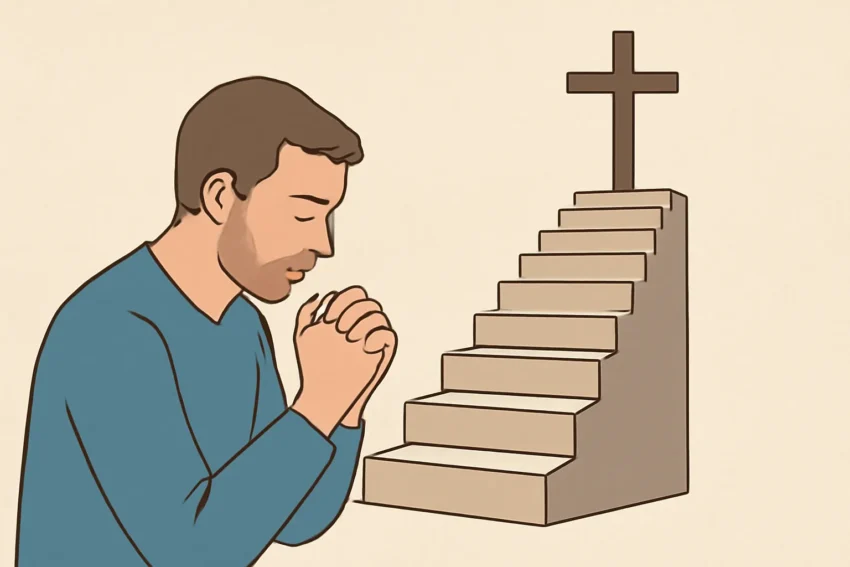
Christian 12 Step Program: A Bible-Based Path to Recovery
The Christian 12 step program is a faith-informed approach to recovery that blends the classic twelve-step framework with Biblical principles and values. It is designed for individuals seeking healing from addiction, compulsive behaviors, or other life-dominating issues within a Christian spiritual context. While not every Christian who encounters addiction will pursue this path, many find that a Bible-based path to recovery offers meaningful guidance, accountability, and enduring hope. In its best form, a Christian 12 step program honors Scripture while embracing the reality that recovery is a journey accomplished through ongoing humility, community, prayer, and service.
This article explains what the Christian 12 step program is, how it differs from secular models, the core spiritual principles it emphasizes, and practical ways to participate in or even start a Jesus-centered recovery fellowship. It also highlights well-known variants such as Celebrate Recovery and other faith-based adaptations, which have helped thousands of people across denominations find a path to lasting change.
What distinguishes a Bible-based twelve-step path from secular models
At the heart of a faith-based twelve-step approach is the conviction that true transformation occurs not merely through personal willpower but through a surrendered relationship with God as revealed in the Bible. While secular twelve-step fellowships emphasize principles such as honesty, humility, and service, the Christian 12 step program explicitly invites participants to integrate prayer, Scripture, and spiritual formation into each step. Key distinguishing features include:
The primacy of God in recovery: acknowledging a higher power and seeking divine guidance according to biblical revelation.
Scriptural grounding: grounding discussions, inventories, and commitments in biblical passage and prayer.
Church and worship as partners: recovery is supported by a local church community, small groups, and sacramental life where appropriate.
Christian virtues in practice: grace, forgiveness, repentance, mercy, and service shape daily living and relationships.
Holistic wellbeing: the model tends to address not only behavior, but heart, mind, body, and social well-being within a Christian framework.
Multiple terms are used to describe this approach, reflecting its breadth and variations: faith-based recovery program, Christian-informed twelve-step model, biblical twelve-step pathway, or simply a Christian recovery fellowship. Regardless of the label, participants typically experience a shared structure of meetings, sponsorship, personal inventories, and step work—now infused with Scriptural truth and prayerful discernment.
The core spiritual architecture: guiding principles of the Bible-based path
While the exact wording of the twelve steps can vary by program, the Christian adaptation generally preserves the same sequence and aims: honest appraisal of one’s condition, turning to God for help, making amends, and practicing ongoing growth. In a Christian context, these steps are interpreted through the lens of Scripture and Christian discipleship. Below are the salient principles that guide a Bible-based recovery journey.
Honesty before God and others: admitting struggles openly in a safe, confidential setting; acknowledging powerlessness apart from divine aid.
Faith and surrender: choosing to trust God as revealed in Jesus Christ, seeking His strength rather than relying solely on self-will.
Repentance and forgiveness: confessing wrongs, seeking reconciliation, and accepting God’s forgiveness and the forgiveness of others.
Scriptural nourishment: daily engagement with the Bible to discern God’s will and to cultivate a life marked by truth, wisdom, and love.
Accountability and community: building healthy relationships within a church or recovery group that provide encouragement, correction, and accountability.
Humility and service: embracing humble service to others as a tangible expression of God’s grace at work in the believer’s life.
Spiritual disciplines: prayer, meditation on Scripture, worship, and contemplative practices that nurture continual growth.
Transformation across life domains: addressing relationships, employment, health, and spiritual life in a cohesive framework.
In practical terms, the Christian 12 step model often translates to a rhythm of weekly meetings, daily prayer and Scripture reading, and intentional steps toward personal change, accountability, and ministry to others. The interplay between personal repentance, communal encouragement, and biblical wisdom is what many participants find distinctive and compelling about a Bible-based recovery pathway.
A faithful reinterpretation of the twelve steps: overview of the Christian adaptation
The following outline summarizes the twelve steps as they are commonly adapted for a Christian context. The language emphasizes dependence on God while preserving the recognize-and-respond framework of the original steps. This is not a legal or doctrinal mandate but a practical map for those seeking a Bible-centered recovery.
Admit powerlessness over the problem and acknowledge the need for divine assistance; recognize that life has become unmanageable without grace.
Believe that a higher power as understood through Scripture can restore sanity and help begin a new life.
Decide to turn one’s will and life over to the care of God, as revealed in Jesus Christ, and seek His direction.
Make a fearless moral inventory of one’s weaknesses, sins, and hurts, inviting the Holy Spirit to reveal truth in the heart.
Admit to God, to oneself, and to another human being the exact nature of one’s wrongs, seeking reconciliation where possible.
Be ready to have God remove all these defects of character and invite His transformative work in daily life.
Humbly ask God to remove shortcomings, cultivating Christ-like virtues and growing in grace.
Make a list of all persons harmed and become willing to heal those relationships, seeking restoration where possible.
Make direct amends to such people wherever feasible, except when to do so would injure them or others.
Continue to monitor personal conduct and thoughts, practicing ongoing repentance and spiritual growth.
Seek to improve conscious contact with God through prayer, Scripture, and worship, and carry the message of healing to others in need.
Endeavor to live a life of service, gratitude, and worship, through acts of charity, mentorship, and spreading hope to others facing similar struggles.
Across Christian communities, it is common to supplement this outline with worship, Bible studies, and sermon-based reflections, as well as specific practices such as liturgical prayers, journaling, and regular Sabbath rest. Programs like Celebrate Recovery explicitly embed these elements into their materials and meetings, illustrating how a faith-based twelve-step path can be lived out in a church setting.
The role of Scripture, prayer, and spiritual formation
In a Bible-based recovery journey, Scripture is not merely decorative but formative. Participants are encouraged to:
Scripture study: identify passages that address temptation, identity in Christ, forgiveness, and transformation; reflect on how these verses apply to daily choices.
Prayer and meditation: engage in regular conversations with God, seeking guidance, strength, and forgiveness; practice quiet listening for God’s voice.
Confession and accountability: confess sins or struggles to a trusted confidant or sponsor, aligning with scriptural calls to confess faults to one another (James 5:16).
Worship and gratitude: cultivate a spirit of praise and thankfulness as a response to God’s grace, reinforcing a resilient identity in Christ.
Spiritual disciplines: incorporate practices such as fasting, Sabbath rest, or gentleness in daily life to sustain growth over time.
These elements are often taught within the context of small groups or church-based recovery ministries. For many participants, the combination of Scripture, prayer, and accountable fellowship provides a robust framework for lasting change—one that integrates spiritual renewal with practical steps toward healthier living.
The structure of a Bible-based recovery fellowship
Meetings and fellowship
Regular gatherings are a hallmark of the Christian 12 step program. In most settings, meetings are characterized by:
Confidentiality: a safe space where stories can be shared without fear of judgment or disclosure outside the group.
Structured format: opening prayers or readings, a focused topic, personal sharing, and a closing prayer or reflection.
Inclusivity: welcoming people from diverse backgrounds, with an emphasis on grace and support rather than stigma.
Spiritual sensitivity: acceptance that participants are at different stages of faith; conversations invite questions, doubts, and exploration in a respectful manner.
Sponsorship, accountability, and service
A key feature of the model is sponsorship: an experienced participant mentors a newer member through the step work, offering guidance, encouragement, and accountability. The sponsor helps with inventory processes, provides feedback on personal growth, and models Christian living under grace. Service is emphasized as a component of recovery—the act of giving back by helping others, participating in outreach, or contributing to the life of the local church.
Within the Christian adaptation, the practice of inventory often centers on areas such as:
Consequences of addiction or harmful behavior in relationships and work.
Patterns of thought and behavior that distance a person from God’s will.
Opportunities to seek reconciliation and offer apologies where warranted.
Turning these inventories into concrete amends embodies the posture of Christ-like humility and restoration. The aim is not mere cleansing of past actions but the healing of relationships and the rebuilding of trust within a Christian community.
Historical context and notable variants
The Christian 12 step movement emerges from a broader history of Christian involvement in recovery culture. Early 20th-century recovery movements drew on the Oxford Group’s emphasis on personal transformation through confession, restitution, and spiritual practice. In the United States and abroad, churches and parachurch organizations adapted the Twelve Steps to fit a Christian worldview. One of the most influential and publicly visible variants is Celebrate Recovery, founded in 1991 at Rick Warren’s Saddleback Church in California. Celebrate Recovery integrates the twelve steps with biblical-based curricula, worship, and small-group ministry, making it accessible to people who might be hesitant to attend secular programs. Other Christian-adjacent recovery ministries include men’s and women’s groups, church-sponsored addiction ministries, and faith-based aftercare communities. Across these communities, the core goal remains the same: genuine transformation through grace and the opportunity to live out one’s faith in a new, healthier way.
It is worth noting that faith-based twelve-step programs are diverse in practice. Some emphasize high church traditions and liturgical rhythms, while others adopt a more informal, peer-led format. The unifying thread is the conviction that recovery is inseparable from a living relationship with God as encountered through Scripture, prayer, and communal witness. Regardless of the particular flavor, the Bible-based path to recovery invites participants to bring their faith to the work of healing, rather than relegating faith to the periphery of treatment.
Benefits, challenges, and considerations for those exploring this path
Like any recovery approach, a Christian 12 step program offers distinctive benefits along with some considerations to keep in mind. This section highlights what participants often experience, along with practical cautions for those evaluating this path.
Benefits often reported in Bible-based recovery circles
Meaningful sense of purpose: aligning recovery with God’s purposes provides motivation beyond personal relief.
Solid community: belonging to a shared faith-based group can reduce isolation and build accountability.
Holistic healing: attention to spiritual, emotional, and relational health supports durable change.
Grace-filled forgiveness: Scripture-centered forgiveness helps release guilt and rebuilds trust.
Structured framework: the twelve-step process offers a clear path for growth and accountability.
Challenges and cautions
Religious language or practices: some participants may feel uncomfortable with certain Christian terms or rituals; programs often allow for a range of expressions of faith.
Varied theological emphasis: not all Christian groups interpret every theological nuance identically; participants should seek communities aligned with their beliefs.
Not a substitute for clinical care: for those with severe addiction, co-occurring mental health conditions, or medical needs, professional treatment remains essential and complementary to faith-based recovery.
Potential for group- or culture-specific issues: like any community, dynamics can vary; participants should prioritize safe, respectful environments and know when to seek alternative groups.
In short, the Bible-based path to recovery offers a powerful blend of spiritual practice, accountability, and practical steps. When integrated with appropriate medical and mental health care, it can be a robust approach for many individuals seeking lasting change.
Getting involved: locating or starting a Christian 12 step program
Finding a group
If you’re exploring a Christian twelve-step program, start with these avenues:
Check with local churches or pastoral leaders to learn about in-person or online recovery groups affiliated with the church.
Look for Celebrate Recovery programs in your region, which are often hosted at churches and provide a recognizable framework for Christian recovery.
Explore online faith-based recovery communities that offer virtual meetings, Bible study resources, and sponsorship connections.
Ask trusted friends or mentors in your faith community for recommendations and introductions to accountability partners.
Starting a group when none exists nearby
If you’re in a community without a Christian 12 step program, you can consider launching a new sober support group rooted in Scripture and Christian fellowship. Basic steps include:
Partner with a welcoming local church or faith-based organization to provide meeting space and administrative support.
Identify at least one sponsor or facilitator who understands the twelve-step framework and is comfortable guiding Christian discussions.
Develop a simple meeting format that includes a brief Christian-oriented reflection, a time for personal sharing, and a guided step discussion.
Establish a policy of confidentiality and mutual respect, and invite people from diverse Christian backgrounds to participate (while respecting doctrinal differences).
Provide printed or digital materials that connect the twelve steps to Scripture, prayer resources, and practical tools for daily living.
What to expect in a typical Christian recovery meeting
A well-run Christian twelve-step meeting generally balances spiritual focus with practical recovery work. While formats vary, most gatherings share these core elements:
Opening with prayer or Scripture, acknowledging a higher power and inviting God’s presence.
Short teaching or reflection on a biblical principle relevant to the step work or current topic.
Open sharing where attendees speak about their experiences, struggles, and progress in a respectful and confidential setting.
Sponsorship opportunities for ongoing one-on-one support and guidance through the steps.
Closing commitments such as a prayer, meditation, or a brief reminder to carry the message of recovery to others.
For many, the combination of honest confession, biblical wisdom, and compassionate accountability creates a transforming atmosphere that supports sustained recovery and spiritual growth.
The Christian path to freedom and renewed identity
At its core, a Christian 12 step program invites participants to discover a new identity in Christ, rather than simply mastering another set of rules. Recovery in this framework is not just about stopping harmful behavior; it is about becoming the person God designed one to be, walking in grace, truth, and love. This entails recognizing one’s intrinsic value as a beloved child of God, learning to forgive, and developing a lifestyle marked by integrity, service, and worship. The Bible-based approach places recovery within a broader narrative of restoration, hope, and mission—where personal healing leads to stronger relationships, healthier communities, and a more compassionate witness to the Gospel.
Frequently asked questions about Christian recovery programs
Is a Christian 12 step program the same as Celebrate Recovery?
Celebrate Recovery is a widely known Christian-based twelve-step program that integrates the standard twelve steps with biblical study, worship, and small-group ministry. However, many other churches and Christian organizations run their own versions of a faith-based twelve-step approach, which may differ in structure, language, or emphasis. The essential idea remains the same: recovery through grace, accountability, and spiritual disciplines within a Christian framework.
Can non-Christians participate in these groups?
Many Christian recovery groups welcome participants who identify as not currently believers but who are exploring faith, seeking a supportive community, or open to spiritual elements. Some groups, however, may prefer to center discussions around Christian beliefs and practices. If you’re unsure, contact the group leader or sponsor to understand the approach and determine whether it aligns with your needs and beliefs.
How does this path complement medical or psychological treatment?
For individuals with complex addiction or mental health concerns, professional care (therapy, medical treatment, medication-assisted treatment where appropriate) is essential. A Bible-based recovery path can complement clinical care by providing spiritual resources, community support, and moral framework for healing. It is important to communicate with your healthcare providers about any faith-based programs you pursue so that all aspects of care work together cohesively.
Conclusion: embracing a Bible-based path to recovery with humility, grace, and community
Across cultural and denominational lines, the Christian twelve-step approach seeks to harmonize the ancient wisdom of Scripture with a practical plan for healing. By centering recovery in a living faith—anchored in Scripture, prayer, confession, and service—participants can experience a comprehensive transformation that touches heart, mind, body, and relationships. Whether you encounter this path through a well-established program like Celebrate Recovery, a local church group, or a newly formed fellowship, the underlying invitation remains clear: to admit the need for grace, to turn toward God, to repair what has been broken, and to live in a way that bears witness to the power of restoration in Christ.
If you are curious about a Bible-based recovery path, consider reaching out to a nearby church or faith-based recovery ministry, asking about meeting times, sponsorship, and how Scripture informs the process. Regardless of where you begin, remember that healing takes time, courage, and the support of a compassionate community. With patient effort and faithful reliance on God, the Christian twelve-step journey can become a meaningful conduit for freedom, purpose, and renewed identity in Christ.