Christian Minister: A Practical Guide to Calling, Roles, and Ministry
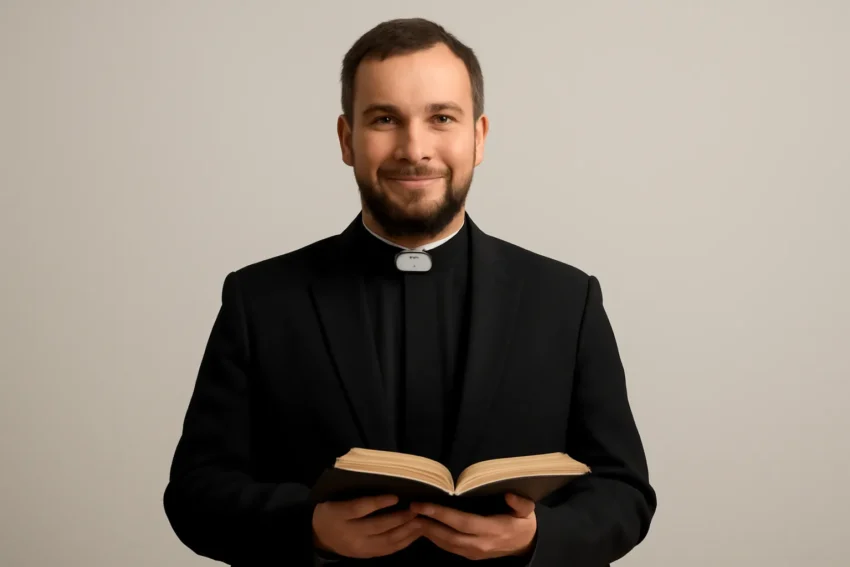
In the Christian tradition, the figure commonly known as a minister is one who has been set apart to serve God and the people of God. This role encompasses not only preaching and sacraments but a broad spectrum of leadership, care, and creative service within the church and beyond. Whether described as pastor, clergy member, ordained minister, or evangelical leader, the person who carries this vocation is a steward of God’s resources, a shepherd to the flock, and a public exemplar of the gospel in action. This article offers a practical, comprehensive guide to understanding the calling, roles, and daily realities of Christian ministry, using a broad vocabulary that respects the variety of traditions within the faith.
Understanding the Calling: What It Means to Be a Minister in the Christian Context
The term calling is central to this vocation. It implies more than a personal preference or ambition; it signals a sense of divine invitation, validated by communal discernment and tested by faithful service. A minister is invited into a life of service that aligns with the biblical mandate to love God and neighbor, to teach sound doctrine, to shepherd the church, and to witness to the world. The vocation of a church leader is not a solitary undertaking but a communal journey—facilitated, affirmed, and corrected within the church body and under the accountability of fellow leaders and, in many traditions, a higher ecclesial structure.
Individuals who pursue this path often describe their sense of call in a variety of ways: a clear inner conviction, a growing sense of responsibility toward a specific community, or an opportunity that arises to serve at a particular local church, mission, or ministry organization. Although the specifics may differ across denominations, the common thread is a dedication to the spiritual formation of others and the practical formation of a faith community that lives out the gospel in everyday life.
In this guide, we will use several phrases interchangeably to reflect the breadth of the ministry in Christian contexts: Christian minister, church leader, pastor, minister of the gospel, and clergy. Each label highlights a facet of the calling, but all converge on a shared core: to proclaim truth, to embody grace, and to serve with humility.
Historical and Theological Context: How the Role Has Evolved
The office of ministry has deep roots in early Christianity, where the apostles entrusted elders, deacons, and presbyters with teaching, governing, and serving communities of believers. Over centuries, this basic framework expanded into a variety of expressions depending on tradition—Roman Catholic, Orthodox, Protestant, Pentecostal, and more. The core responsibilities—proclaiming the gospel, administering the sacraments or ordinances, and shepherding a local church or mission—remain constant, even as the forms adapt to culture, language, and technology.
Theological reflection helps the contemporary minister navigate responsibilities with integrity. Theologians emphasize that leadership in the church is not a position of authoritarian power but a vocation of service and accountability. The care of souls, the integrity of doctrine, and the fitness of character are indicators of a church leader who honors the magnitude of the task. In many faith communities, the role of elder, deacon, and bishop (or their equivalents) provides a framework for shared governance and mutual accountability.
Roles and Responsibilities: The Many Hats Worn by a Christian Minister
The work of a minister is multifaceted. It requires a blend of spiritual formation, intellectual rigor, practical organization, and compassionate care. Below is a structured overview of core domains—each with practical expectations and illustrative examples.
Developing a clear, faithful, and applicable message that speaks to the church and to the broader community.
Engaging in expository preaching—careful study of the biblical text in its original context, followed by principled application.
Nurturing discipleship through Bible study, theological instruction, and the cultivation of spiritual disciplines.
Pastoral Care and Counseling
Providing encouragement, counsel, and practical help to individuals and families during life events—marriage, parenting, illness, loss, and transition.
Maintaining healthy boundaries and confidentiality, while recognizing the limits of formal counseling and referring to professionals when needed.
Offering crisis support during emergencies, accidents, or trauma, often coordinating with church-wide care teams.
Leadership, Administration, and Governance
Setting vision and strategy for the local church or ministry, aligning resources with mission.
Overseeing staff, volunteers, and lay leaders; building teams; and establishing governance processes that promote accountability and transparency.
Managing budgets, stewardship campaigns, facilities, and operations while upholding ethical standards.
Sacraments, Worship, and Liturgical Leadership
Overseeing the proper administration of water baptism, the Lord’s Supper, or other ordinances – in a way that honors the tradition and communicates grace.
Leading corporate worship and planning services that integrate preaching, prayer, music, and teaching in a meaningful rhythm.
Offering liturgical guidance where applicable, including the selection of hymns, prayers, and scripture readings.
Mission, Evangelism, and Community Engagement
Guiding the church in outreach to neighbors, unreached people groups, and marginalized communities.
Formulating and enacting strategies for evangelism that respect cultural contexts while staying true to the gospel.
Building partnerships with other churches, non-profits, and civic organizations to meet real needs in the community.
Mentoring, Discipleship, and Faith Formation
Investing in leaders and potential leaders through mentorship, coaching, and structured opportunities for growth.
Developing small groups, study circles, or mentorship programs that foster spiritual maturity and practical faith.
Encouraging lifelong learning and ongoing formation in theology, ethics, and pastoral practice.
Ethical Leadership, Accountability, and Integrity
Modeling honesty, humility, and service; providing trustworthy leadership in word and action.
Participating in accountability structures within the church or denomination to address concerns or disagreements.
Handling conflicts, discipline, and church discipline processes with fairness and care for all parties involved.
Skills, Competencies, and Character: What Makes a Healthy Minister
The effectiveness of a Christian minister is not solely a measure of knowledge or charisma; it hinges on character, competence, and a Spirit-led posture. The following competencies outline a robust professional and spiritual profile.
Theological literacy and biblical scholarship sufficient to interpret Scripture accurately, relate it to life, and defend doctrinal integrity.
Communication skills—proclamation, teaching, listening, and written communication that is clear, persuasive, and compassionate.
Pastoral empathy and ability to walk with people through suffering, joy, and ordinary daily life.
Ethical integrity and a commitment to personal holiness, accountability, and professional standards.
Cultural competence—the capacity to navigate diversity, engage with different communities, and avoid stereotypes.
Leadership and teamwork—vision casting, decision making, delegation, and conflict resolution within a team.
Pastoral care systems—developing and sustaining counseling resources, care teams, and crisis response plans.
Adaptability—responding gracefully to change, technology, and new ministry contexts without compromising core truths.
Spiritual disciplines—consistent practice of prayer, worship, Scripture reading, fasting, and Sabbath rest to sustain ministry energy.
Education, Training, and Pathways into Ministry
The journey to becoming a respected minister can follow several pathways, depending on denominational requirements, personal gifts, and vocational goals. Below are common routes, with notes on what they typically involve.
Seminary education or graduate theological study: Often required for ordination in many traditions; provides rigorous training in biblical languages, church history, theology, and pastoral practice.
Bible college or Christian university: Offers foundational training in ministry, often combined with practical internships and cross-cultural opportunities.
Apprenticeships and mentorship: Hands-on learning within a local church, paired with supervised oversight from experienced pastors or elders.
Ordination or licensing: A formal recognition of a person’s readiness to serve; the process varies by denomination and may involve examinations, endorsements, or a council vote.
Other pathways: For some, missionary organizations, church plants, or non-profit leadership tracks provide alternate routes to ministry leadership, sometimes without formal seminary.
Regardless of the path, practical experience is crucial. Many aspiring ministers pursue internships, residencies, or sabbaticals to gain exposure to preaching, leadership, counseling, and administration. Equally important is the ongoing formation of character and a clear commitment to the community they serve.
Pastoral Care and Counseling: The Heartbeat of Local Ministry
A defining feature of the pastoral vocation is care for people. This dimension of ministry is not a side task but a central mission: to embody the love of Christ in tangible ways. Effective pastors and ministers balance compassionate presence with prudent boundaries.
Developing a care framework that includes visitations, prayer support, and care for the sick and elderly.
Understanding limits—knowing when to refer to professional counselors, social workers, or physicians, especially in complex mental health or legal situations.
Creating safety and trust in confidential conversations, while recognizing lawful or ethical limits on confidentiality in cases of imminent harm.
Sermon Preparation and Biblical Exposition: From Text to Life
A core practice for any ministry leader is the art and science of sermon preparation. This involves careful exegesis, theological reflection, and practical application. A compelling message is not merely clever rhetoric; it is a carefully crafted communication that invites listening, reflection, and response.
Exegesis: Studying the biblical text in its original context, considering genre, historical setting, and intended meaning.
Hermeneutics: Interpreting Scripture for modern life without compromising its message.
Homiletics: Crafting the sermon outline, illustrations, and transitions that make the truth resonant and memorable.
Application: Drawing out concrete implications for individuals, families, and broader society.
In addition to Sunday preaching, many ministers teach in Bible study settings, issue devotional guides, and develop multimedia messages to reach diverse audiences. The minister must be adaptable, applying timeless truths in contemporary contexts while remaining faithful to the gospel message.
Worship Leadership and Liturgical Life
Worship leadership is another critical facet of the ministry. Some church leaders are primarily responsible for musical worship, prayer ministry, and the rhythm of weekday or weekend services. Others collaborate with specialists—music directors, sound technicians, and liturgy teams—to craft meaningful rituals that affirm the community’s identity and mission.
Designing a worship experience that honors God and fosters genuine encounter, encounter, and transformation.
Coordinating with volunteers who contribute to worship, usher teams, hospitality, and media.
Ensuring that services are accessible to diverse participants, including families, youth, and guests unfamiliar with church life.
Administrative Leadership and Stewardship
The practical operation of a local church or ministry facility requires administrative acumen. Everyday leadership involves stewardship of finances, facilities, and human resources, as well as policy development and risk management. A capable clergy leader should be comfortable balancing mission with sustainability.
Budget development, fundraising, and transparent financial reporting.
Volunteer management, staff supervision, and team development.
Policy creation on safeguarding, compliant with local laws and denominational guidelines.
Ethics, Accountability, and Self-Care for the Minister
Leadership in the church comes with unique ethical responsibilities and pressures. The calling requires ongoing accountability, transparent decision-making, and vigilant self-care. Burnout is a real risk in ministry, so individuals in this role must practice Sabbath rest, healthy boundaries, and ongoing spiritual renewal.
Public integrity and a commitment to truth-telling, even when it is difficult.
Clear processes for feedback, peer review, and disciplinary matters when needed.
Regular practices of rest, margin, and personal prayer to sustain long-term ministry.
Challenges and Realities in Modern Ministry
The landscape for church leadership has shifted in recent decades due to cultural change, technological advancement, and evolving attitudes toward institutions. A resilient minister of the gospel navigates these shifts with wisdom, humility, and a willingness to adapt without compromising core beliefs.
Engaging a digital culture: social media, live streaming, and online communities require thoughtful communication strategies.
Navigating pluralistic contexts: ministry leaders often work with individuals from many backgrounds, requiring respectful dialogue and principled boundaries.
Generational dynamics: effective ministry bridges generations—children, youth, young adults, and seniors—with relevance and sensitivity.
Practical Steps for Discernment and Preparation
If you sense a calling toward ministry, here are practical, action-oriented steps you can take to discern and prepare for the journey ahead.
Pray and reflect—spend time in honest conversation with God, and ask trusted mentors for feedback about your gifts and temperament.
Seek mentorship—find experienced pastors, clergy, or lay leaders who can provide guidance, accountability, and practical insight.
Volunteer and serve—begin in local volunteer roles to gain firsthand experience in teaching, shepherding, or administration.
Study and learn—engage formal education or structured coursework in theology, biblical languages, church history, and pastoral care.
Test the fit—participate in internships or residency programs that expose you to the day-to-day realities of ministry.
Build a support network—cultivate relationships with peers in ministry for accountability, prayer, and mutual encouragement.
The Christian minister is a diverse figure across traditions. Some common variations and related roles include:
Pastor or parish priest—often the primary shepherd of a local church community.
Elder—a senior lay or ordained leader responsible for governance and spiritual oversight.
Deacon or deaconess—a servant-leader focused on service, outreach, and practical care for the church body.
Bishop or presbyter—forms of church governance and leadership within certain traditions.
Missionary or mission leader—extends ministry beyond the local church to international or cross-cultural settings.
Church planter—a minister who starts new congregations or ministry initiatives in new communities.
Chaplain—provides spiritual care in hospitals, military settings, prisons, schools, or other institutions.
Each path emphasizes a commitment to service, doctrinal fidelity, and a heart for people. While titles may differ, the underlying calling remains the same: to proclaim the gospel, tend the flock, and live out the gospel in everyday life.
Building a Sustainable Ministry: Community, Context, and Continuity
A lasting and healthy ministry requires attention to context, community, and continuity. Context involves understanding the specific culture, history, and needs of the community you serve. Building a shared sense of purpose helps prevent burnout and fosters unity. Continuity means maintaining doctrinal integrity and a long-term vision for discipleship, evangelism, and social witness.
Engage in regular listening and feedback from congregants, volunteers, and neighbors to stay responsive to real needs.
Develop a clear, published mission statement and a strategic plan with measurable goals.
Encourage lay leadership and shared responsibility to cultivate ownership and resilience.
The Word as Foundation: How Scripture Shapes the Ministry
A minister in the Christian tradition is anchored in Scripture. The Bible provides a framework for authority, ministry, and ethical living. It is not merely a source of preaching content but a living guide for how to love, teach, admonish, and serve. Responsible pastors and church leaders approach Scripture with reverence, interpretive discipline, and openness to the Spirit’s ongoing work in the church.
Biblical literacy strengthens a minister’s ability to engage in public conversation about faith, culture, justice, and human flourishing. It also helps protect the community from error and division by clarifying sound doctrine and principled practice.
Engaging the Larger World: Public Theology and Social Implications
The role of a minister extends beyond the church walls, calling believers to live out the gospel in the public square. This involves thoughtful engagement with issues such as poverty, education, human rights, racial reconciliation, and environmental stewardship. The most effective church leaders model a faith that is both deeply devotional and vigorously engaged in the world.
Communicating a credible Christian worldview that respects science, culture, and human experience.
Building coalitions with other faith groups and community partners to address shared concerns.
Teaching a robust ethic of mercy, justice, and compassion while maintaining doctrinal fidelity.
Conclusion: Embracing a Lifelong Mission
The calling to become a Christian minister is a generous invitation to participate in God’s work for the good of the church and the broader world. It is a path that requires not only intellect and skill but a heart formed by grace, a life of prayer, and a steadfast commitment to serve others. Whether you identify most closely as a pastor, a clergy member, an elder, or a missionary, the essential name of the vocation remains the same: to shepherd, to teach, to care, and to witness to the transformative power of the gospel.
If you are discerning this path, take heart: the journey is as much about becoming the person God calls you to be as it is about performing tasks. The effective ministerial vocation is lived out in relationship—with God, with the church, with your family, and with your community. The aim is not to accumulate titles but to bear witness to Christ’s love in tangible ways, to build up the body of Christ, and to bring hope to a world in need.
May this guide serve as a practical companion for those stepping into Christian ministry, those supporting a spouse or friend who feels drawn to this path, and those who simply want to understand the scope and beauty of a life given to service. The calling is grand, the tasks are many, and the rewards—eternal and present—are vast for those who persevere with courage, humility, and grace.