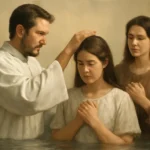
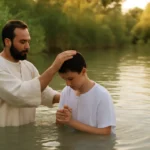
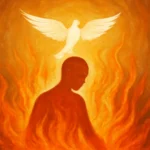
This article explores born again baptism in depth: its meaning, significance, and how people experience spiritual rebirth. While the phrase is most closely associated with evangelical and Baptist traditions, its ideas and practices have shaped many Christian communities in different ways. Here you will find a clear overview of what born again baptism is, how it relates to faith, what it represents in the life of a believer, and practical guidance for those seeking this transformative experience.
The phrase born again baptism sits at the intersection of two important Christian ideas: the inner experience of being “born again” and the outward act of water baptism. In many traditions, these are linked but conceptually distinct:
Born again or new birth refers to a spiritual transformation in which a person experiences a renewed relationship with God, often described as being made alive by the Holy Spirit.
Baptism is an outward symbol or public declaration associated with that inner transformation. In some streams of Christianity, baptism is viewed as a means of grace; in others, as a powerful symbol of faith and allegiance to Christ.
The combination of the two—believing the gospel, experiencing inner renewal, and then undergoing a water baptism—comprises what many churches call born again baptism.
Biblical Basis
Several passages are central to this topic. The most often cited is Jesus’ conversation with Nicodemus in John 3, where Jesus speaks of being born of water and the Spirit and of entering the kingdom of God through this new birth. Other key texts emphasize regeneration by the Holy Spirit, the transformation described as becoming a new creation, and the believer’s confession of Jesus as Lord through baptism. While different traditions interpret these passages with varying emphasis, they collectively frame rebirth through the Spirit and the public witness of faith in baptism as core elements of the Christian life.
Significance of Born Again Baptism
The significance of born again baptism spans personal formation, communal identity, and theological meaning. It is helpful to distinguish several layers of significance:
Personal transformation: Many believers describe the moment of rebirth as a profound change in priorities, desires, and relationship to God. This transformation is often described as an inward turning toward Christ and an ongoing process of sanctification.
Public profession: Baptism serves as a public declaration of faith, signaling to the community that the individual has embraced the gospel and intends to live under the lordship of Jesus.
Spiritual symbolism: Water baptism is commonly understood as symbolizing cleansing from sin, burial with Christ in his death, and rising to new life in him, echoing the language of Romans 6 and Colossians 2–3.
Community integration: The rite often marks entry into the local church, inviting accountability, support, and spiritual nurture from a community of believers.
Theological implications: For some traditions, baptism is intimately connected to salvation, regeneration, or the gift of the Holy Spirit; for others, it is primarily a symbolic response to grace received through faith.
Because Christian traditions differ on the relationship between faith, grace, and baptism, born again baptism can carry different theological weights. A common spectrum looks like this:
Believer’s baptism (conscious faith and repentance prior to baptism) as a voluntary act that testifies to new life in Christ.
Baptism as a work of grace in which the act itself communicates divine presence or regeneration, depending on the tradition.
Infant baptism in some churches as a gateway to a life of faith, with ongoing adult decision-making about discipleship later in life.
Understanding this spectrum helps readers appreciate why the practice of rebirth baptism appears differently across churches and cultures, yet retains a shared sense of spiritual renewal and commitment to Christ.
How to Experience Spiritual Rebirth: Practical Pathways
Experiencing spiritual rebirth and participating in born again baptism typically involves a personal journey of decision, faith, and obedience. Although paths vary, several common steps recur across traditions that emphasize this experience:
Encounter with the gospel: A person hears and understands the message of Jesus’ life, death, and resurrection, recognizing their need for God’s grace.
Repentance and faith: A turning away from self-centered living toward trust in Christ, accompanied by sincere confession of faith and commitment to follow him.
Confession and response: Public or private confession of faith in Jesus as Lord, often followed by a decision to be baptized as a step of obedience.
Participation in baptism: The act of immersion or pouring as a visible sign of inner renewal. The mode (immersion, pouring, or sprinkling) and the timing (immediate or after a period of discipleship) vary by tradition.
Reception of the Holy Spirit: In many traditions, baptism is closely connected to the reception of the Holy Spirit, though the exact sequencing can differ. Some communities teach that the Spirit accompanies or follows conversion, rather than being identical to the moment of baptism.
Life in the Spirit and discipleship: After baptism, believers pursue ongoing growth in grace, Scripture, prayer, worship, service, and community.
Preparation for the Experience
Preparation for born again baptism typically involves careful reflection, teaching, and community guidance. Practical steps can include:
Engaging with a clear presentation of the gospel and its implications for daily living.
Participating in a catechetical or discipleship program to understand core beliefs and the responsibilities of a baptized life.
Discussing the meaning of baptism with a pastor or spiritual mentor to discern readiness and align expectations.
Examining one’s personal life for repentance, faith, and a desire to follow Jesus, including ethical choices, relationships, and stewardship.
Variations in Practice and Terminology
The language around this topic includes a variety of terms that reflect different theological emphases and church traditions. To help you read and compare more clearly, here are common terms and their general associations:
Born again baptism — Emphasizes the integration of inner rebirth and the rite of baptism.
Rebirth baptism — A variation emphasizing the renewal aspect of the experience.
New birth baptism — Highlights the transformational aspect of becoming a new creation in Christ.
Believer’s baptism — Focuses on baptism following a personal profession of faith; often practiced by Baptists and many evangelical groups.
Water baptism — A broad term that includes any baptism carried out with water, regardless of theological emphasis.
Regeneration and baptism — Theological discussions about how the Holy Spirit and baptism relate to being born again.
Admission to the church through baptism — Emphasizes baptism as entry into a faith community.
Across church history, the relationship between baptism and the experience of being born again has been debated and refined. Here are some broad strokes about how different traditions approach the topic:
Early church and patristic period: Baptism was often seen as a significant rite of initiation that included cleansing from sin and reception into the church. The exact understanding of regeneration varied, but the sacraments were central to new life in Christ.
Reformation and post-Reformation era: Reformers emphasized justification by faith, yet many traditions continued to restate the importance of baptism as a response to faith and a public witness to conversion.
Baptist and evangelical streams: Strong emphasis on personal faith, conscious decision, and believer’s baptism by immersion as a clear sign of new life in Christ. Regeneration is inseparable from faith, and baptism follows conversion.
Catholic and Orthodox perspectives: View baptism as a sacrament that conveys grace through the church’s ministry, often including infant baptism in some contexts, but always integrated with ongoing growth in faith and obedience.
Pentecostal and charismatic expressions: Emphasize the reception of the Holy Spirit, signs, and empowerment that accompany or follow baptism, sometimes with an emphasis on “baptism in the Spirit” as a separate but related experience.
Despite differences, a common thread in many traditions is the conviction that spiritual rebirth is graciously initiated by God and that baptism is a meaningful response to that divine initiative.
Practical Considerations and Community Involvement
Engaging with born again baptism is not only a private spiritual moment but also a community event. Here are practical considerations for individuals, families, and churches:
Choosing a tradition and denomination: If you are evaluating baptism as a sign of rebirth, consider how your faith community teaches about salvation, grace, and the role of baptism.
Instruction and mentoring: Most churches provide a period of teaching that helps candidates understand the gospel, the meaning of baptism, and what it means to follow Jesus.
Participation in a baptism service: Baptism services vary in tone and style—some are intimate and private, others are large public celebrations. Prepare emotionally and practically for the setting and message.
Continued discipleship: After baptism, communities often offer programs for spiritual growth, such as Bible studies, prayer groups, service opportunities, and accountability partnerships.
Respect for conscience and timing: Some communities encourage immediate baptism after profession of faith, while others allow a period of preparation. It is important to respect both personal conscience and church guidance.
What is the difference between being born again and being baptized?
The born again experience refers to an inner spiritual renewal enabled by the Holy Spirit. Baptism is an outward, visible action that often follows that inner renewal and publicly signals a commitment to Christ. In many traditions, both are closely linked, while in others baptism is seen primarily as a symbol rather than a means of regeneration.
Is baptism essential for salvation?
Views differ by tradition. Some churches teach that baptism is essential as a means of grace or as a necessary step in the salvation process. Others hold that faith in Jesus Christ alone is sufficient for salvation, with baptism being an important but not absolutely required response. It is important to consult your own church’s teaching and to consider how it aligns with biblical understandings of grace, faith, and new life.
Infant baptism is practiced by some traditions as a way of incorporating a child into the covenant community, with the expectation that faith will be professed as the child grows. In traditions that emphasize a conscious decision, the phrase born again baptism is typically reserved for those who make a personal profession of faith upon understanding the gospel. The question of infant baptism versus believer’s baptism reflects broader doctrinal and ecclesial commitments.
What role does the Holy Spirit play in this process?
In many Christian theologies, the Holy Spirit is the agent of spiritual renewal that enables the new birth. Baptism is often understood as the public response to that inward work, though the precise sequence—whether the Spirit’s regeneration precedes baptism or accompanies it—is interpreted differently by various traditions.
What should I look for in a baptism service?
A meaningful baptism service typically includes clear preaching of the gospel, an opportunity for personal confession of faith, a public profession through baptism, and pastoral care for new believers. It should be a moment of grace, instructions for discipleship, and a reminder of the church’s support as the baptized person grows in faith.
Conclusion: Navigating the Path to Spiritual Rebirth
Whether you label the experience born again baptism, new birth baptism, or simply see baptism as a step of obedience, the underlying message remains consistent: God offers transforming life through grace, and believers respond in faith, repentance, and public commitment. The journey toward spiritual rebirth is not merely a one-time event but the beginning of a lifelong relationship with God, empowered by the Holy Spirit and nurtured within a faith community. As you consider this path, you may choose to explore a local church’s teaching, meet with a pastor or mentor, and participate in the learning and preparation that lead to baptism as a meaningful, life-changing declaration of new life in Christ.