How to Accept Jesus: A Simple Guide to Embracing Faith
For many people, the decision to accept Jesus is a turning point—a moment when life feels more hopeful, meaningful, and purposeful. This article is designed to be informative, practical, and respectful, offering a clear pathway for those curious about what it means to invite Jesus into their life. Whether you are starting from curiosity, searching for forgiveness, or seeking a fresh start, you’ll find ideas, language, and steps that can help you move forward with confidence. The language used here aims to reflect common Christian understandings while remaining accessible to readers from different backgrounds.
Why People Seek to Accept Jesus
People come to faith for many reasons, and there is no single path that fits everyone. Some arrive at this decision after wrestling with questions of meaning, identity, or purpose. Others long for forgiveness for past mistakes, desire a place of belonging and community, or hope for eternal life beyond this world. Still others encounter a sense of grace that feels larger than themselves and leads them to explore Jesus as the source of that grace. In many cases, people who choose to trust in Christ report a growing conviction that a personal relationship with Jesus can transform daily life, relationships, and priorities.
From a practical vantage point, the decision to embrace faith often unfolds in stages: hearing or reading about Jesus, considering the meaning of his life and teachings, and eventually choosing to respond in trust. This guide emphasizes the steps that are commonly shared in Christian communities, while acknowledging that each person’s journey is unique and personal.
What It Means to Embrace Faith
To embrace faith in Jesus typically involves several foundational ideas that are widely taught in Christian communities. These include an acknowledgment of humanity’s need for spiritual renewal, acceptance of Jesus as central to God’s plan of redemption, and a voluntary turning toward God with trust. In many Christian traditions, this turning is described as repentance—a change in direction away from self-centered living and toward a life oriented around God and neighbor. The core message is that salvation—the now-and-forever relationship with God through Jesus—is a gift of grace, received by faith rather than earned by good works.
Key terms that you may encounter include Jesus as the Son of God, the incarnation (God becoming human in Jesus), the atonement through Jesus’ life, death, and resurrection, and the ongoing work of the Holy Spirit in guiding and renewing believers. While these ideas come from biblical and theological sources, the practical outcome in many lives is a sense of peace, increased hope, and a desire to live with integrity, compassion, and service.
Step-by-Step Guide to Accept Jesus
Below is a practical, baby-step approach that many people find helpful as they move toward inviting Jesus into their life. You can read through these steps and adapt them to your own circumstances. The focus is on clarity, sincerity, and a honest conversation with God.
Step 1: Acknowledge Your Need
Most people who pursue faith begin with a candid acknowledgment that they are human, imperfect, and in need of forgiveness and direction. This step is not about measuring up to a standard of perfection; it is about recognizing a longing for meaning and hope that goes beyond yourself. As you reflect, you may notice questions such as: What is my purpose? Where can I find lasting peace? What is the source of true joy? Recognizing a need is a natural precursor to asking for help from a higher source you can trust.
In Christian understandings, Jesus is seen as uniquely entrusted with God’s message for humanity. People come to this step from different backgrounds—some have read the Gospels, others have heard about Jesus in conversations, music, or community life. This step invites you to explore who Jesus claimed to be, what his life demonstrated, and what his teaching calls you to do. You do not have to decide everything at once; you can begin with questions such as: Is there evidence that Jesus is who he claimed to be? How does his life speak to issues like love, justice, mercy, and truth? Many find it helpful to listen to stories of people whose lives were changed by trusting Jesus, and to read or listen to portions of the Bible that describe Jesus’ character and mission.
This step is about consent and relationship. It asks you to turn toward Jesus with trust and to invite his presence into the center of your daily routine. In Christian language, this often involves choosing to surrender control of your life to Jesus’ leadership and to commit to seeking him in daily decisions. It’s a personal decision that can be expressed privately in prayer or, in some traditions, publicly through baptism or a community confession. The heart behind this step is a sincere desire to align your life with Jesus’ teachings and to rely on him for strength, direction, and purpose.
Step 4: Pray or Talk to God
Prayer is a simple, honest conversation with God. There is no magical formula required to start a relationship with Jesus; what matters most is the sincerity of your heart. You can use your own words, or you can start with a short, humble prayer that expresses your intent to know Jesus and follow him. Here is sample language you may find helpful as a starting point, though you are encouraged to speak from your own heart:
“God, I know I have not lived perfectly, and I’m sorry for the ways I’ve ignored you or hurt others. I want to know you and follow you. Please help me to trust Jesus as my Savior and to grow in faith from this day forward.”
“Jesus, I invite you into my life. Please forgive my sins, restore me, and guide me by your Spirit. Teach me to love you and to love others as you do.”
“Holy Spirit, come live in me and open my heart to your transforming work. Help me take steps of faith each day.”
After you pray, you may feel a sense of relief, renewed hope, or a growing awareness of God’s presence. These feelings can vary from moment to moment, and they do not determine the truth of what you have decided. What matters is your ongoing relationship with Jesus and your willingness to remain open to his guiding presence in daily life.
A Simple Prayer to Invite Jesus (Optional)
If you are looking for a concise, easy-to-use prayer to begin with, consider this optional guide as a starting point. You can say it aloud or pray it in your heart, in your own words, or as a combination of both:
“Jesus, I want to know you. I admit that I have not lived perfectly, and I turn away from what I’ve done that has hurt you or others. Please forgive me and come into my life as my Lord and Savior. Help me to follow you and to trust you more each day. Thank you for your love and grace. Amen.”
Many people choose to pair their personal prayer with a quiet moment of listening—opening themselves to God’s guidance, Scripture, or trusted Christian mentors. Remember, the exact words are not as important as the intention and posture of the heart: a desire to know Jesus and to live in light of his truth.
Deciding to accept Jesus often ushers in a sense of renewal and a new rhythm for daily life. While experiences vary, many new believers report some common effects over time:
Peace and a growing sense of being known and loved by God, even amid life’s stresses.
A desire to study Scripture and to learn more about Jesus’ teachings.
A sense of belonging within a community of believers who can offer support, accountability, and encouragement.
New patterns of prayer, worship, and service, reflecting gratitude for God’s grace.
A shift in priorities toward caring for others, pursuing justice, and sharing one’s hope with family and friends in respectful, non-coercive ways.
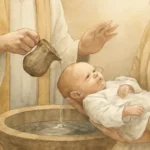
For many, baptism becomes a significant next step—a public declaration of faith, symbolizing death to the old life and new life in Christ. Baptism is a spiritual sign that communicates to the world what has already happened in the heart: a decision to follow Jesus. It is often performed within a faith community and can be a meaningful moment of commitment and welcome.
Variations of the Experience: Accepting Jesus, Receiving Christ, Coming to Faith
People describe their journeys using different phrases, all pointing toward a profound encounter with Jesus. These expressions help highlight the breadth of experience and the variety of paths that lead to a relationship with him. Here are a few common variations you may hear:
“Accepting Jesus” — Emphasizes the moment of decision and consent to invite him into life.
“Receiving Christ” — Highlights receiving a gift, recognizing Jesus as Lord and Savior who gives life.
“Coming to faith in Jesus” — Focuses on the growth of trust in Jesus as the source of truth and direction.
“Turning to God through Jesus” — Stresses repentance and turning away from old patterns toward a God-centered life.
“Inviting Jesus into the heart” — Uses intimate language about personal relationship and spiritual companionship.
Regardless of the phrase used, the core elements are typically the same: acknowledging Jesus’ significance, placing trust in him, and beginning to follow him in daily life. This multiplicity of expressions helps illustrate that faith is a living journey rather than a single moment of formulaic ritual. If you are exploring these ideas, you may find it helpful to listen to the stories of others who have walked a similar path and to examine how their experiences align with your own questions and aspirations.
Common Questions and Myths
As you explore the path toward faith, you may encounter questions that deserve thoughtful answers. Here are several questions people frequently ask, along with clear, respectful responses that reflect a broad Christian perspective while remaining accessible to readers of diverse backgrounds.
Is there a required ritual or formula? Most traditions emphasize sincerity of heart over a prescribed set of words. A genuine desire to know Jesus and to follow him matters more than a specific ritual. The simplest, most honest prayer can be enough to begin a relationship, especially when it is followed by ongoing learning and growth.
Do I need to stop everything I enjoy to become a Christian? Faith does not demand perfection from the outset. It invites you into a journey of renewal, where new values and loves begin to shape daily choices. You can pursue your life, work, and interests while inviting Jesus into the center of your decisions.
What about doubt? Doubt is a normal part of many faith journeys. Honest questions can lead to deeper understanding. Seek trustworthy sources, engage with a faith community, and give yourself time to reflect as you explore the claims about Jesus.
Is faith reasonable? Many people find the life and teachings of Jesus compelling on ethical, historical, and experiential grounds. You can examine evidence, read scripture, discuss with others, and test the claims in everyday life as you seek truth.
What if I fail or backslide? A faithful path includes failures and growth. God’s grace is not exhausted by mistakes. Returning to Jesus, asking for forgiveness, and continuing to move forward is part of the journey.
These questions are not signs of weakness; they are invitations to deeper understanding. If you encounter doubt, consider speaking with a trusted mentor, pastor, or Christian friend who can listen, share resources, and walk with you as you explore further.
Practical Steps for Daily Growth
Accepting Jesus is the beginning of a lifelong journey. Here are practical ways many believers cultivate their faith and experience ongoing transformation:
Daily reading of scripture or devotional materials to hear God’s voice and discover how Jesus’ teachings apply today.
Prayer as ongoing conversation with God, including thanksgiving, confession, requests for guidance, and listening for direction.
Regular fellowship with a community of believers—attending gatherings, small groups, or Bible studies for mutual encouragement and accountability.
Service and generosity—putting faith into practice by helping others, volunteering, and sharing resources with those in need.
Worship and reflection—creating space for gratitude, awe, and reverence in daily life and communal settings.
Discipleship and mentoring—learning from more mature believers who can guide through questions, spiritual disciplines, and life decisions.
Baptism as a public declaration of faith for many believers, signaling a new identity in Christ.
Ethical living—considering how faith shapes actions, relationships, honesty, and integrity in every sphere of life.
If you are exploring these disciplines for the first time, start small. A few minutes of reading, a brief prayer, or a short act of kindness can begin to shape a habit of spiritual attention. Over time, these practices deepen your relationship with Jesus and encourage a consistent rhythm of faith.
Resources and Community Support
Support can come from various places as you explore or deepen your faith. The following categories describe accessible resources that many people find helpful as they seek Jesus and pursue a life of discipleship:
Local churches or faith-based communities that welcome newcomers, offer Bible study opportunities, and provide mentorship or counseling.
Online resources with trustworthy content about Jesus, Christian living, and spiritual formation. Look for resources that emphasize clarity, kindness, and respect for diverse perspectives.
Printed devotionals and study guides that help structure daily time with God and reflection on Jesus’ life.
Mentors and spiritual directors who can listen, answer questions, and provide guidance on personal growth and decision-making.
Supportive communities that encourage humble learning, conversation about faith questions, and shared acts of service.
Remember that you do not have to navigate this journey alone. Reaching out to others, asking questions, and participating in a community of faith can be powerful steps toward lasting transformation. The process of embracing faith is as much about relationships as it is about beliefs, and building healthy, respectful connections is an important part of growing in Christ.
Conclusion: A Lifelong Journey
Choosing to accept Jesus marks the beginning of a lifelong journey characterized by growth, learning, and partnership with God. It is not a one-time moment alone, but the opening of a relationship that continues to unfold day after day. As you move forward, you may find yourself asking new questions, facing challenges, and discovering unexpected sources of joy in the presence of Jesus. The path of faith invites you to trust in Christ, to follow his example, and to participate in a community that embodies his love in practical, tangible ways. Whether you are at the very start of your exploration or you have taken steps toward a deeper commitment, you are welcome to continue reading, learning, and growing in the faith you are building today.