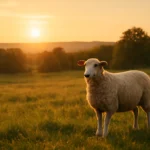
Bible Verse About Still Waters: Finding Peace and Renewal in Psalm 23
Throughout the Bible, water is a powerful symbol. It carries themes of life, cleansing, judgment, and refreshment. Among the most resonant images is the reference to still waters in Psalm 23. This phrase, paired with lush green pastures and the image of a shepherd, invites readers into a picture of intimate care, quiet trust, and deep renewal. In the King James Version, the verse reads,
He maketh me to lie down in green pastures: he leadeth me beside the still waters.
This compact sentence has echoed through centuries as a reminder that peace is not merely the absence of noise, but a state of restoration that comes from divine guidance. In this article, we will explore what still waters symbolize, how the imagery functions within Psalm 23, and how modern readers can encounter the same peace and renewal in daily life.
What are the ‘still waters’ in Psalm 23?
The phrase still waters evokes a surface undisturbed by current or flood, a place where a flock may drink safely and rest without fear. In the ancient Near Eastern setting of the Psalm, shepherds sought out quiet, enduring water sources for their sheep—water that was accessible, clean, and gentle enough to drink from without fear of sudden movement or danger. The image is not primarily about water’s temperature or its beauty; it is about rest, security, and dependency on the shepherd’s provision. When the shepherd leads the flock to still waters, he is guiding them toward replenishment of strength and a pause from the hazards of the journey.
In a broader sense, still waters in Psalm 23 points to a state of inner calm that comes when life’s turbulence is tempered by God’s personal leadership. The stillness is both physical and spiritual: the sheep rest their bodies beside the water, and their souls experience a quieting of fear and fatigue. This twofold rest—external and internal—forms the heart of the Psalm’s promise: even amid dangers and demands, there is a path to renewal.
The pastoral context: the shepherd, the flock, and the wellspring of provision
Psalm 23 presents the shepherd as the intimate caretaker of the flock. The imagery of water is not a distant scene; it is a concrete moment of relief and care. When the psalmist writes that the Lord “leadeth me beside the still waters,” it is an assertion of direction, provision, and protection. The shepherd’s role is to know the land, to identify safe water sources, and to gather the sheep in times of danger. The still waters symbolize the place where the shepherd’s ongoing work becomes tangible: the soul is restored, the will is steadied, and the journey resumes with new energy.
The Psalm continues with the line that the shepherd also “restoreth my soul.” This phrase is deeply connected to the water imagery. A sheep’s life is sustained by fresh drinking and regular rest; the act of leading to still waters is inseparable from the act of restoration—not only of the body but of the spirit. The combination of green pastures and still waters invites readers to consider how gracious sustenance—food for the body and refreshment for the heart—flows from God’s care.
While the KJV uses the precise phrase still waters, other translations offer subtle shades of meaning that broaden the semantic field around this image. For readers who study Scripture across translations, the concept often appears as quiet waters, peaceful streams, or calm waters. Each variant emphasizes a slightly different nuance—quietness, safety, or serenity—but all converge on the same core sense: a place where life can be replenished without threat.
Psalm 23:2 in several translations
KJV: «He maketh me to lie down in green pastures: he leadeth me beside the still waters.»
NIV: «He makes me lie down in green pastures, he leads me beside quiet waters.»
ESV: «He makes me lie down in green pastures. He leads me beside still waters.»
NLT: «He lets me rest in green meadows; he leads me beside peaceful streams.»
The differences are not contradictory. They reflect translators’ choices about how best to convey the imagery to contemporary readers. For devotional use, readers might notice how still waters suggests a location of restful replenishment, whereas quiet waters highlights the absence of turmoil. In either case, the essential message remains: the shepherd-friend is a steady source of nourishment and calm in the journey.
Beyond Psalm 23, Scripture sometimes uses water imagery to convey spiritual renewal in other voices. For example, the prophetic language of living waters in other parts of the Bible paints water as a sign of future renewal and divine abundance. Even when the language shifts—from still to living, from resting to flowing—it is often a single thread: God’s presence brings enduring refreshment to the life of faith.
The image of still waters is not merely pastoral poetry. It is a spiritual invitation. In a world of hurried schedules, anxious news cycles, and constant demands, the Psalm offers a counterpoint: you can be led toward a place of peace, even amid the pressures of life. The Psalm does not promise that trouble will vanish; rather, it promises that a trustworthy guide can bring you to a place where fear loosens its grip and courage returns.
Several themes arise when we reflect on the still waters motif:
Trust in the shepherd’s knowledge of the land, the weather, and the flock’s needs.
Replenishment of bodily energy and spiritual vitality that enables continued journeying.
Restoration of the soul as a holistic renewal—emotional, mental, and relational health can be touched by divine care.
Direction that keeps the life aligned with the good, gentle paths of moral and spiritual insight.
Contemplating this imagery can lead to practical application. For instance, when you feel overwhelmed, consider what a shepherd would do: slow down, find the path of safety, and receive rest for the heart. The still-water moment can be a cue to pause long enough to reassess priorities, forgive wounds, and re-center your identity on a trustworthy guide.
In the broader biblical narrative, the image of water often conveys life, cleansing, and renewal. The stillness of the water contrasts with the chaos of storms and the risk of exposure in desert crossings. Theologically, still waters point to a discipleship posture that prioritizes quiet dependence on God’s provision. This is not a passive resignation; it is active trust that the journey’s next steps will be navigated with wisdom and care.
A related scriptural exhortation is to be still and know God. Psalm 46:10 says, “Be still, and know that I am God.” This call to stillness pairs naturally with Psalm 23’s water imagery. When we practice stillness, we open space for God’s guidance to arrive, much like the shepherd’s presence brings the flock into a place of peace beside the waters.
Reading about still waters can become a lived practice. Here are practical avenues to invite the sense of peace and renewal into everyday routines.
Breath and pause: Set aside a few minutes of quiet. Breathe deeply, counting to four with each inhale and exhale. Let the body register relief as thoughts settle.
Scripture meditation: Read Psalm 23:2 and the surrounding verses slowly. Let the words sink in; reflect on what the shepherd’s care means for your current circumstances.
Nature walks: Spend time outdoors near a stream or a still pond. Notice how the water appears—calm, reflective, and sustaining. Let that image anchor your prayers.
Journaling: Write questions you would ask a shepherd about your fears and hopes. Record moments when you felt guided to rest or to move forward with renewed energy.
Gratitude practice: List three sources of provision in your life today—physical, emotional, and relational. Acknowledge how quiet spaces have contributed to restoration.
For worship settings or personal devotion, you might also craft a short reflection that centers on the line about still waters. A brief meditation could include the idea that God’s leadership is a form of nourishment and safety, a path that invites the soul to drink deeply without fear of scarcity.
While still waters are a precise image in Psalm 23, the biblical tradition offers other watery metaphors that echo the same spiritual sentiments—refreshment, purification, and renewal. The Bible speaks of streams, rivers, and wells that symbolize God’s provision and presence in tangible ways. Some readers find it helpful to rotate among these images when praying or meditating, because the broader family of water imagery reaffirms the same core truth: guidance and grace arrive in forms that meet us where we are.
Living waters as future renewal: Prophetic passages sometimes speak of living waters flowing from God’s house (for example, in visions of irrigation and healing for nations), suggesting a forward-moving grace that refreshes not only individuals but communities.
Wells of salvation in the Old Testament: The story of Jacob digging wells or the Samaritan woman at the well show how water becomes a touchpoint for encounter with God—a source of enduring life and identity.
Streams of mercy in poetry: Wisdom and prophetic literature occasionally couple water with mercy, inviting believers to drink deeply from God’s compassion and steadfast mercy.
The unifying thread across these variations is not the specific word but the effect: refreshment that restores, and guidance that sustains. In Christian devotional life, readers often carry these images into prayer, seeking not merely relief from pain but a renewed sense of mission and trust in the divine shepherd.
The Psalm invites believers to consider their own relationship with God as a trusting, intimate bond with a caring shepherd. This is a stance of humility and dependence, not a claim of self-reliance. When we imagine ourselves at the edge of still waters, we should hear two voices: the voice of the Good Shepherd, who knows our path and needs, and the voice within us that longs for rest, safety, and peace. The theology here is straightforward yet profound: God’s presence turns fear into trust, weariness into rest, and fragmentation into unity.
For congregations, sermons on still waters often pair the imagery with practical care for people who are struggling—whether with grief, burnout, or anxiety. By naming still waters as a spiritual means of renewal, pastors can help listeners see that restoration is not a luxury but a divine provision for courageous living. The message is not that we avoid the world’s hard realities; rather, we are equipped to face them with a steady heart because we have been led to a place of peace by a faithful guide.
These questions and answers provide quick guidance for readers who want to understand the imagery more deeply or apply it practically.
How do still waters relate to the rest of Psalm 23? They complete the triad of God’s care: provision (green pastures), refreshment (still waters), and restoration (the soul). Together, they describe a comprehensive experience of divine shepherding.
Why is stillness important in spiritual life? Stillness creates space for discernment, gratitude, and reception of grace. It allows the soul to respond to God’s invitation rather than to the noise of the world.
Can still waters be found in everyday life? Yes. Stillness can be found in quiet moments of prayer, in nature, in deliberate pauses during the day, and in the rhythm of Sabbath. The key is intentionality—slowing down enough to sense God’s presence and receive renewal.
What if life feels dry or stormy? Still waters are not a guarantee of immediate ease, but they point toward a trustworthy guide who can lead through the valley as well as beside it. Renewal may come gradually as trust deepens.
How can one share in this imagery with others? Through spiritual practices, testimony, and communal prayer. Sharing stories of times when you felt led toward rest and renewal can invite others into the same experience of peace.
The image of the still waters in Psalm 23 remains one of the most enduring emissaries of spiritual comfort. It is a reminder that life, with all its demands and dangers, can be met with steadfast care, gentle leadership, and restful renewal. The shepherd’s provision is not a distant ideal but a present reality for those who walk with God. When you picture yourself by the water’s edge—refreshed, reassured, and ready to continue the journey—you enact the Psalm’s ancient promise in a deeply personal way.
As you move forward in faith, you may find that still waters appear in new forms: in relationships, in acts of mercy, in the quiet certainty that the next step will be given. The life of faith invites you to drink deeply of God’s goodness and to allow the cadence of the shepherd’s voice to guide your steps toward compassion, courage, and lasting peace.