Meaning and Theological Foundations of Baptist Baptism
The topic of baptist baptism sits at the intersection of faith, church life, and the public confession of Jesus as Lord. In Baptist churches, this practice is understood not merely as a ritual, but as a deliberate, biblically grounded act that embodies doctrine, ethics, and communal identity. The central idea behind believer’s baptism—a phrase often used in Baptist contexts—is that the person being baptized has exercised a personal, conscious faith in Jesus Christ. That faith precedes baptism and supplies the motive for this outward sign. Consequently, immersion baptism (full immersion in water) has become the defining mode for most Baptist communities, seen as the clearest symbol of dying to sin and rising to new life in Christ.
In many Baptist confessions of faith, the baptismal act is an ordinance given by Christ to the church for the purpose of obedience, witness, and church membership. The term ordinance is used to distinguish baptism from what some traditions call a sacrament; Baptists typically regard baptism as a symbolic act that testifies to inward grace already received through faith in the gospel. Although this distinction varies in emphasis from one Baptist tradition to another, the common thread remains: baptism is a response to the gospel, not a prerequisite for salvation.
The meaning of Baptist baptism thus centers on three inseparable commitments. First, it represents a personal profession of faith in Christ, public for the gathered community to hear. Second, it acts as a sign that the believer has died to the old life and has been raised to new life in Christ, a symbol most often depicted by being submerged in water and then raised back up. Third, it marks entrance into the local church body as a member who participates in the life, mission, and discipline of the church. In this sense, baptist baptism functions as both a personal declaration and a communal rite that unites belief with belonging.
The ontological significance of immersion baptism also aligns with a historic emphasis on full commitment. Unlike some traditions that practice infant baptism or sprinkling, Baptist churches typically require a personal profession of faith before baptism. This approach underscores the conviction that salvation is by grace through faith, and baptism is the public response to that grace. Through baptist baptism, the community publicly recognizes the individual’s decision to follow Christ and to participate in the life of the church.
Modes, Practices, and Variations in Baptist Baptism
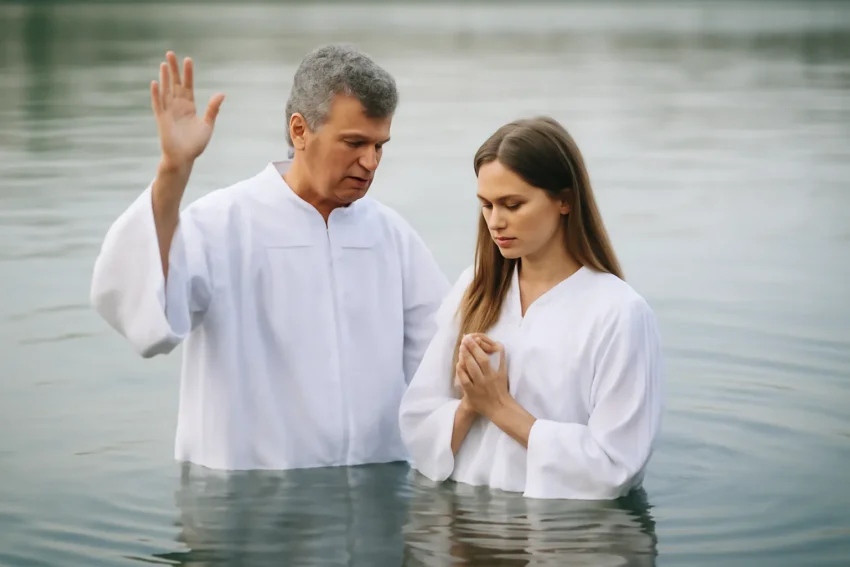
Across the broader Baptist family, there is broad agreement on certain core practices, while there can be variation in particulars. The most distinctive feature of Baptist baptism is immersion in water, symbolizing the believer’s identification with Christ’s death, burial, and resurrection. In many Baptist churches, the baptismal act occurs in a dedicated baptismal pool, a baptistry, or sometimes in a safe outdoor body of water. The scene is often intimate, with the pastor or a designated believer performing the dunk or immersion.
Believer’s baptism is the rule of thumb: the candidate must confess faith and be able to articulate personal trust in Jesus Christ.
The mode is typically baptism by immersion—fully submerging the body under water and then raising the person to new life.
Some Baptist groups emphasize adult baptism or baptism of “believers” rather than infant baptism, in line with the conviction that baptism should follow a personal decision for Christ.
In practice, a few Baptist congregations may use open baptism (the public can witness) or close baptism (only church members or specific guests participate or observe).
Despite these commonalities, there are notable variations in how different Baptist tradtions implement baptist baptism.
Confessional and doctrinal emphasis: Some Baptists articulate the meaning of baptism within a formal confession—for example, the Baptist Faith and Message statements or other historic confessions—while others emphasize the Bible’s teaching and pastoral interpretation. The emphasis might affect whether a church speaks of baptism as an ordinance, a sacrament, or a visible sign of grace.
Infant baptism: Most Baptist churches do not practice infant baptism, preferring to reserve baptism for those who can articulate their personal faith. However, some groups with Baptist roots may have nuanced practices around child dedication or baptism for older children who can testify to faith.
Community involvement: In some settings, baptism is a private, intimate event, while in others it is a church-wide celebration with testimonies, a public reading of Scripture, and a formal commissioning for ongoing ministry.
It is important to note that baptist baptism is not only a ritual; it is deeply connected to the church’s life. The rite is a cue for personal discipleship, a reaffirmation of the gospel, and an invitation to participate in the mission of the church. For many Baptists, the baptismal ceremony is the starting point of a new life in a local church community, a vivid reminder of conversion, and a public commitment to follow Jesus.
Believer’s Baptism vs Infant Baptism: A Comparative Perspective
The distinction between believer’s baptism and infant baptism has long been a core identifier of Baptist practice. While infant baptism is common in several other Christian traditions, Baptist literature and preaching repeatedly emphasize that baptism should follow personal faith. This theological position often shapes how Baptists view the nature of salvation, church membership, and spiritual formation.
Believer’s baptism assumes a conscious decision to trust Christ, followed by water immersion as a public confession of that decision.
Infant baptism is understood by its proponents as grace given through the sacrament to infants, often tied to infant faith or the hope of future profession. Baptists generally do not share this view; instead, they connect baptism to a personal testimony of faith that emerges when a person can maturely respond to the gospel.
In Baptist practice, baptism is often followed by formal church membership, recognizing a new believer as part of the body of Christ and accountable to the congregation’s life, discipline, and mission.
It is common for readers to encounter phrases such as baptism by immersion and credobaptism when exploring Baptist pedagogy. These terms reflect a coherent theological framework: baptism is not a requirement for salvation, but a necessary step of obedience for a believer who has gratefully received Christ’s salvation.
Preparation for Baptist Baptism: What to Expect
Preparing for baptist baptism typically involves both personal reflection and deliberate steps guided by the local church. While the exact process can vary, most Baptist congregations share a common path designed to ensure that the candidate understands the gospel, the meaning of baptism, and the responsibilities of church membership.
Opening conversation: A church member or pastor meets with the candidate to discuss faith, salvation, and the meaning of baptism in the local church.
Faith confession: The candidate explains in their own words how they came to believe in Jesus Christ and what the gospel means to them personally.
Discipleship and instruction: Some churches require or offer a short class or mentoring sessions on essential beliefs, biblical literacy, and the responsibilities of living as a disciple in community.
Public testimony: Many baptisms include a brief testimony, allowing the candidate to share their conversion story with the congregation.
Favorably inclined posture toward church membership: After baptism, the individual is typically received as a member of the local church, with responsibilities to contribute to the church’s life and mission.
Prospective candidates should anticipate a thoughtful process that respects both the seriousness of the commitment and the joy of a new life in Christ. They may be asked to complete a baptismal questionnaire or participate in a counseling session to ensure alignment with the church’s doctrine and practice.
The Baptismal Service: What Happens During a Typical Baptist Baptism
A baptist baptismal service is more than a ceremony; it is an occasion for the church to witness the gospel’s work in a believer’s heart. While local churches may differ in tone or style, there are common elements that often appear in a baptismal service.
Scriptural grounding: The service typically features a brief sermon or reading from Scripture about faith, repentance, and obedience.
Testimony: The candidate may share their personal story of how they came to trust Jesus Christ.
Profession of faith: The candidate’s faith is stated in a clear and simple declaration, reinforcing that baptism follows belief.
Immersion in water: The core moment—a baptism by immersion—demonstrates solidarity with Christ’s death and resurrection.
Prayer and blessing: The congregation prays for the baptized person and commits to supporting their growth in faith.
Post-baptism commissioning: The church publicly welcomes the new member and encourages ongoing discipleship, baptismal vows, and active participation in church life.
In many contexts, baptism by immersion is followed by a celebratory moment, a vow of dedication, and a reminder of the ongoing responsibilities of Christian life. The service is often noted for its emotional and spiritual significance, as the community witnesses a fellow believer’s public declaration of allegiance to Christ.
How to Get Baptized in a Baptist Church: A Practical Guide
If you are seriously considering baptist baptism, you will want practical guidance on the steps to take. While exact procedures vary by church, the broad path usually includes the following steps:
Investigate the gospel: Make sure you personally understand and affirm the core message of the gospel—God’s love, our sin, Christ’s atoning death, His resurrection, and the call to repentance and faith.
Believe in Jesus Christ: The Baptist understanding of baptism requires a personal response of faith in Jesus Christ as Lord and Savior.
Find a local Baptist church: Visit an appropriate church to learn about its beliefs, baptism requirements, and membership expectations. Look for a community that aligns with your convictions and supports growth in faith.
Attend a baptism class or meeting: Many churches offer a class or interview process to discuss the meaning of baptism, the church’s polity, and the responsibilities of membership.
Prepare a personal testimony: Be ready to share how you came to faith and what Jesus means to you. This may be shared in a short public testimony during the baptism service.
Prayer and discernment: Seek prayerful guidance from trusted mentors, pastors, or family members as you prepare for baptism and church membership.
Undergo baptism by immersion: Participate in the baptism service according to the church’s practice, typically after the confession of faith and in the presence of the local congregation.
Receive church membership: After baptism, you are usually formally welcomed as a member, with responsibilities to participate in worship, ministry, and the life of the church.
Engage in ongoing discipleship: baptism is the beginning, not the end. Expect ongoing instruction, accountability, and opportunities to serve and grow in faith.
If you have questions about a specific church’s process, contact the pastor or church administrator. The goal is to ensure you understand the meaning of baptist baptism, the responsibilities of membership, and the way your decision to follow Christ will be nurtured within the community.
Questions to Ask Before Getting Baptized
Is baptism by immersion the church’s standard mode for all believers who profess faith?
What confessions or statements of faith guide the church’s teaching on baptism?
How does baptism relate to church membership and discipline?
What is expected of me after baptism in terms of ministry roles or service?
How can I be prepared for my public testimony during the service?
As you explore baptist baptism, certain questions commonly arise. Below are concise answers to some of the most frequent inquiries.
Is baptism necessary for salvation?
Most Baptist theologians affirm that baptism is not what saves a person. Salvation comes by grace through faith in Jesus Christ. Baptism is an obedient response to that faith and a public testimony to a transformed life.
Can infants be baptized in Baptist churches?
Traditionally, Baptist churches do not practice infant baptism, preferring to baptize those who have professed personal faith. Some churches offer dedication for infants, but this is distinct from baptism.
Why immersion?
Immersion is seen as the most faithful symbol of the believer’s death to sin and resurrection to new life, aligning with biblical imagery (for example, Christ’s burial and resurrection).
What happens after baptism?
After baptism, new members often participate in the ongoing life of the church, including worship, Bible study, service, and evangelism. Baptism marks entry into a community of believers who encourage spiritual growth.
Historical and Theological Foundations of Baptist Baptism
The practice of baptist baptism has historical roots that trace back to the Protestant Reformation and the later English Separatists, with a distinctive emphasis on voluntary faith and church autonomy. The Baptist movement emerged as a reform response to patterns of church-state alliances and infant baptism in state churches. Early Baptists affirmed:
Voluntary church membership: The church is a voluntary association of believers who have professed faith, not a state-controlled institution.
Believer’s baptism by immersion: A conscious decision to follow Christ, followed by immersion as a clear sign of faith and union with Christ.
Scripture as the ultimate authority: The Bible guides beliefs, practices, and governance of the church, with accountability to scripture rather than to tradition alone.
Over centuries, Baptist theology has continued to develop through the formation of confessions and statements of faith that articulate the essentials of baptist baptism and church practice. These documents help maintain doctrinal coherence across diverse Baptist communities while allowing for legitimate variation in worship style, polity, and interpretation of non-essential matters.
In sum, baptist baptism is a meaningful, biblically grounded rite that embodies the core convictions of the Baptist tradition: faith in Christ, an obedient response to the gospel, and a commitment to the life of a local church. The practice of baptism by immersion after a personal profession of faith stands as a public declaration of a believer’s new life in Christ and a visible participation in the mission of God’s people.
For many Christians who are exploring Baptist life or who are new to a Baptist church, the baptismal ceremony offers a clear and hopeful picture: the gospel takes root in a person’s heart, that faith is confessed openly before witnesses, and the church invites the baptized believer into a shared journey of discipleship. This journey continues well beyond the water’s edge as individuals grow in knowledge of Scripture, character, and service to others.
Whether you are already part of a Baptist community or simply curious about baptism in the Baptist tradition, the central questions remain the same: Have you personally trusted in Jesus Christ? Are you prepared to confess that trust publicly through baptism? Are you ready to join a church family that seeks to honor Christ in worship, in teaching, and in mission? If the answer to these questions is yes, a local Baptist church most likely offers a pathway to participate in baptist baptism and to begin a faithful journey of discipleship.