Baptism in the Holy Spirit and Fire: Meaning and How to Receive It
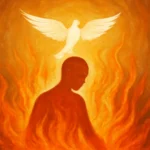
The phrase baptism in the Holy Spirit and fire points to a biblically rooted experience that many Christians describe as a distinct work of God in a believer’s life. While the exact language used in Scripture can vary, the understanding commonly shared in Christian teaching is that the Holy Spirit comes to dwell within a believer, empowering them for godly living, service, and witness. The imagery of fire adds layers of meaning—purification, zeal, transformative power, and purification of motive—so that the baptism is not merely a private sensation but a catalyst for bold, faithful living. In this article we will explore what this experience means, what the Bible says about it, how it has been understood across Christian traditions, and practical steps for seeking its fullness while staying rooted in Scripture.
Clarifying terms: baptism, Spirit, and fire
Many phrases circulate when people discuss this topic. Here are a few key terms and how they relate:
Baptism in the Holy Spirit – a biblical concept describing a special act of God whereby the Spirit fills a person for empowerment and mission beyond ordinary Christian life.
Baptism with the Holy Spirit and fire – a shorthand for the combination of divine baptism and the refining, purifying work often symbolized by fire in Scripture.
Spirit baptism – similar to Spirit immersion; emphasizes being overwhelmed or saturated by the Spirit’s presence and power.
Fire as a metaphor – purification (burning away impurities), zeal (burning passion for God), courage (a flame that gives boldness), and testing (revealing true devotion).
Across Christian traditions, people may use these terms with subtle differences in emphasis. Some see it as an initial, overt experience that accompanies conversion; others view it as a subsequent, distinct event in the life of a believer. What remains central in faithful teaching is that the Holy Spirit comes to the believer to renew, empower, and lead, and that the imagery of fire highlights the transformative and purifying work of God within a person’s heart.
What the Bible says about the baptism and the fire imagery
To grasp the meaning of this topic, it helps to survey the scriptural foundation.
John the Baptist’s prophecy: John spoke of one coming after him who would baptize with the Holy Spirit and fire, implying both blessing and refinement in the Spirit’s service (see Matthew 3:11; Luke 3:16).
Jesus’ promise and work: Jesus instructed his followers that the Spirit would come upon them to empower their ministry and witness. This is connected with the overflow of power that enabled early Christians to proclaim the gospel boldly (see Acts 1:8; Mark 1:8).
Acts 2 and the tongues of fire: On the day of Pentecost, the Spirit came with “divided tongues as of fire” resting on each believer, symbolizing both presence and empowerment for witness (Acts 2:3-4).
Fire as purification and testing: The biblical use of fire as a purifying force appears in multiple places, signaling that true devotion will reveal and refine the motives and works of a believer (see 1 Peter 1:7; Malachi 3:2-3).
Taken together, these passages present a comprehensive picture: the Holy Spirit’s coming brings both blessing and refinement, enabling believers to live in God’s power while being transformed to bear fruit for his kingdom.
The difference between water baptism and Spirit baptism
A common point of discussion is how water baptism relates to Spirit baptism. These are distinct yet complementary experiences in many Christian frameworks.
Water baptism is an outward act of obedience, symbolizing faith in Christ’s death and resurrection, often described as burial with Christ and rising to new life (Romans 6:3-4; Acts 2:38).
Spirit baptism concerns an inward work—being filled, baptized, or immersed by the Holy Spirit for empowerment, guidance, and life in the Spirit. It can accompany water baptism or occur subsequently, depending on the tradition and divine timing.
In many churches, Spirit baptism is associated with receiving spiritual gifts, boldness in witness, a deeper love for God, and an intensified life of prayer.
It is important to emphasize that salvation and the gift of the Spirit are not earned by human effort; they are gracious acts of God received by faith. Receiving the Holy Spirit is inseparable from trust in Christ, repentance, and surrender to God’s will. The Holy Spirit then works in partnership with a believer’s life, producing growth and fruit that reflect Christlike character.
Fire as purification, power, and passion
The symbol of fire in biblical language carries several interconnected meanings that illuminate the experience of Spirit baptism. These include:
Purification—fire burns away impurities, refining faith and character (Malachi 3:2-3; 1 Peter 1:7).
Power for witness—a divine empowerment enabling believers to speak boldly for Christ in the face of opposition (Acts 1:8; Acts 4:31).
Passion—a burning love for God and for people, driving holy zeal for mission and service (Romans 12:11; 1 Thessalonians 5:19).
Visibility of divine presence—fire is often a sign that God has come near, bringing clarity and direction (Exodus 3:2-3; Acts 2:3-4).
Understanding these facets helps believers discern the various ways the Spirit can work in their lives: inward purification, outward courage, and a renewed enthusiasm for serving God’s kingdom.
Who experiences Spirit baptism and why some disputes arise
Across Christian traditions, the question of who can experience Spirit baptism and what it feels like has generated diverse teaching. Several factors influence these differences:
Tradition and doctrinal emphasis—Pentecostal and Charismatic traditions often emphasize explicit, observable manifestations (such as speaking in tongues, prophecies, or healings) as evidence of Spirit baptism, while other traditions emphasize internal transformation and fruit as the primary indicators.
Doctrinal interpretation—some theologians see Spirit baptism as a single, definitive event at conversion, while others view it as a post-conversion experience that deepens discipleship.
Historical context—the church’s history, including periods of revival and reform, has shaped how different communities understand and pursue this encounter with the Holy Spirit.
Regardless of these differences, the core biblical claim remains: the Spirit is given to believers to indwell, empower, and sanctify them so that they live for God and testify to his grace. When approached with humility and reverence, the subject of the Spirit’s fullness invites believers into a deeper walk with Christ.
How to seek the Holy Spirit and the fire of God
For many Christians, the journey toward the fullness of the Spirit includes prayer, worship, and honest self-examination. The following steps offer a practical framework rooted in Scripture and church practice.
Repent and believe: Acknowledge sin, turn away from anything that hinders God’s lordship, and place faith in Christ’s atoning work. The Spirit is given to those who come to Christ in faith (Acts 2:38; John 1:12).
Ask with faith: Pray for the Holy Spirit to fill and empower you. Jesus taught that the Father gives the Spirit to those who ask (Luke 11:13).
Yield to the Spirit: Open yourself to the Spirit’s leading in daily decisions, habits, and relationships. Yielding faith invites greater cooperation with God’s purposes (Galatians 5:16-18).
Seek a corporate environment: Gathering with other believers in worship, prayer, and the Word can create an atmosphere where the Spirit moves more freely (Acts 2:42-47).
Be patient and obedient: The Spirit’s work often unfolds over time. Obedience in small things can lay the groundwork for a fuller experience (Luke 11:21-13).
Wait in expectation: Some traditions encourage waiting on the Lord, listening for his voice, and being open to various expressions of his presence—without forcing a particular manifestation.
It is important to note that the goal of seeking Spirit baptism is not merely a personal sensation but a transformed life that bears witness to Christ. A genuine encounter will align with Scripture, nurture the fruit of the Spirit, and empower service to others.
Gifts, fruits, and discerning authentic experiences
When the Holy Spirit fills a believer, several outcomes are often discussed in congregations. These include gifts of the Spirit for ministry and the fruits of the Spirit for character. Both are important, but they serve different purposes.
Gifts of the Spirit (1 Corinthians 12; Romans 12) may include wisdom, knowledge, faith, healing, miracles, prophecy, tongues, interpretation of tongues, administration, and more. The presence of gifts should always be tested against Scripture and love (1 Corinthians 13).
Fruits of the Spirit (Galatians 5:22-23)—love, joy, peace, patience, kindness, goodness, faithfulness, gentleness, and self-control—provide a reliable measure of the Spirit’s work in a believer’s life.
The presence of genuine Spirit-baptism-related experiences should be weighed by the fruits and by alignment with the gospel, the lordship of Christ, and the testimony of Scripture. Some people may experience powerful gifts, while others experience deep inner transformation without dramatic outward signs. Both experiences, when grounded in Christ, reflect the Spirit’s activity in the church.
Common misconceptions and how to approach them
Navigating beliefs about Spirit baptism can be tricky. Here are a few common misconceptions with clarifications:
Fire means condemnation: In biblical language, fiery imagery often signals refinement and genuine encountering with God, not punishment for believers who are already in Christ.
All Christians must speak in tongues to be truly filled: While tongues is a gift described in Acts 2 and 1 Corinthians 12, many biblical descriptions of Spirit fullness emphasize transformation, love, and fruit rather than a single sign. Different traditions emphasize different experiences without diminishing the same Spirit.
It is earned or deserved: The Spirit’s fullness is a gracious gift received by faith, not a reward for works or merit. Dependence on grace preserves humility and reliance on God.
Experiences must be dramatic: The Bible includes both dramatic and quiet experiences of the Spirit. God works in diverse ways, and authenticity is tested by fidelity to Christ and Scripture, not by spectacle.
Practical guidance for daily life after receiving the Spirit
If you have experienced Spirit baptism or are seeking it, practical disciplines help nurture the ongoing work of the Spirit in daily life. Here are some recommended practices:
Prayer and worship: Regular, faith-filled prayer and heartfelt worship create space for renewed contact with God’s Spirit.
Scripture engagement: Reading and meditating on God’s Word anchors experiences in truth and aligns them with the gospel’s message.
Community and accountability: Fellow believers encourage spiritual growth, correct missteps, and sustain mission through mutual support.
Service and mission: Using gifts in ministry—whether in church, community, or the world—demonstrates the Spirit’s living presence through acts of love and justice.
Fasting and lament: Spiritual disciplines like fasting can heighten sensitivity to the Spirit’s leading and cultivate dependence on God (Matthew 6:16-18; Joel 2:12-13).
The goal of these practices is not a ritual but a relationship: to know God more deeply, to become more like Christ, and to live in obedience to the Spirit’s direction.
Can a person be saved without the Spirit? Salvation and the Spirit’s work are inseparable; faith in Christ brings the Spirit to dwell within. Spirit fullness is a further grounding in power and depth for mission and sanctification.
Is Spirit baptism the same as conversion? Not always; some experience Spirit baptism at conversion, others later in life. Both experiences are part of the Spirit’s ongoing work in the believer.
What about people who don’t experience visible signs? God works in diverse ways. The presence of the Spirit is often evidenced more by Christlike character and consistent love than by dramatic signs alone.
How do I know it’s genuine? Look for alignment with Scripture, the fruit of the Spirit, humility, and love in action. Genuine encounters with the Holy Spirit lead to obedience to Christ, not to self-exaltation.
Historical perspectives and contemporary practice
Throughout church history, scholars and leaders have recognized a continuum of experiences associated with the Holy Spirit. In the early church, the outpouring at Pentecost was a formative moment for ecclesial life and mission. Across centuries, movements within Christianity—especially the Pentecostal and Charismatic movements—have emphasized personal, experiential dimension of Spirit baptism, often with emphasis on gifts and rapid, transformative change. Other traditions—such as certain branches of Protestant and Catholic teaching—stress inner renewal, sanctification, and broader fruit as the hallmark of Spirit work, sometimes with less emphasis on overt signs.
Two practical summaries: a concise guide for readers
For readers seeking a clear, action-oriented takeaway, consider the following two practical summaries.
Summary for seekers: Trust in Christ for salvation, repent from known sin, ask for the Holy Spirit’s fullness with faith, surrender to God’s leading, and engage in a community that fosters spiritual growth. Expect that God may move in diverse ways—some may experience noticeable gifts, others may experience deep inner transformation.
Summary for seasoned believers: Foster ongoing dependence on the Spirit through prayer, Scripture, and service; encourage humility and discernment in spiritual experiences; mentor newer believers in the journey toward fullness in the Spirit; and cultivate a lifestyle that consistently bears the fruit of love and righteousness.
Conclusion: embracing a biblically grounded approach
The topic of baptism in the Holy Spirit and fire invites believers into a deeper experience of God’s presence, power, and purification. Though traditions differ in emphasis, the underlying biblical message remains clear: the Holy Spirit comes to dwell within believers, empower their witness, and refine their character so that they bring glory to God. The imagery of fire highlights both the warmth of divine love and the heat of testing and transformation. As you pursue this aspect of the Christian life, anchor your expectations in Scripture, measure your experiences by the fruits of the Spirit, and seek a community that helps you grow in Christlikeness and mission.
Whether you describe the experience as Spirit baptism, the baptism of the Holy Spirit and fire, or simply as an intensified work of God in your life, the ultimate aim remains the same: to live led by the Spirit, to love God wholeheartedly, and to witness to the power of the gospel in a world longing for hope.