Introduction: Understanding Born Again Christian Baptism
In many evangelical and Pentecostal communities, the phrase born again baptism appears as a vital rite that marks a personal turning toward God. When people speak of a born again Christian baptism, they are referring to an act that follows a conscious decision to place faith in Jesus Christ, surrender to His lordship, and embrace a transformed, Spirit-filled life. This article explores the meaning, beliefs, and practice surrounding born again baptism, including how different traditions interpret the rite, how it is carried out, and why it remains a focal point for thousands of believers around the world.
The language of being “born again” itself comes from Jesus’ conversation with Nicodemus in the Gospel of John, where the need for a spiritual rebirth is explained as essential to entering the kingdom of God. In many churches, the phrase has become shorthand for an inward transformation that is publicly signaled through baptism. The practice, often referred to as believer’s baptism, is not just a ritual but a symbolic act that associates the recipient with the crucifixion, death, and resurrection of Christ, while also marking entry into the fellowship of Christ’s church.
The Meaning of the Born Again Experience
At the heart of the born again experience is the conviction that human beings cannot save themselves by merit, good works, or religious ritual alone. Instead, salvation is understood as a gracious gift received through faith in Jesus Christ, followed by a visible response in baptism. For many Christians, to be born again means undergoing a comprehensive transformation that touches heart, mind, will, and behavior—a renewal that only the Holy Spirit can bring about.
The rite of baptism, in this frame, is a symbolic act that communicates a number of theological truths:
Death to the old life—the believer renounces the past and declares dependence on Christ’s redemptive work.
Burial with Christ—baptism represents being submerged into water as a sign of the old life being laid to rest.
Resurrection unto new life—emerging from the water symbolizes the believer’s new life in Christ.
Public confession—the decision to follow Jesus is not private but witnessed by the community of faith.
The phrase new birth baptism is often used to emphasize that this is not merely a ceremonial tradition but a response to a received, internal change—one that educators and theologians sometimes describe as regeneration or spiritual rebirth.
Scriptural Foundations for Believer’s Baptism
Much of the reasoning behind born again baptism rests on the interpretation of Scripture. Proponents point to passages that emphasize faith, repentance, baptism, and discipleship as interconnected parts of the Christian life. Key elements include:
John 3:3-5—Jesus speaks of being born of water and the Spirit, highlighting the necessity of a spiritual birth for entering God’s kingdom.
Acts 2:38—Peter calls for repentance and baptism in the name of Jesus Christ for the forgiveness of sins, signaling initiatory steps into the Christian life.
Romans 6:3-4—Believers are united with Christ in death and resurrection, a theme that many see reflected in the symbolism of immersion baptism.
Colossians 2:12—The believer is raised with Christ through faith, an image that aligns with the entry into new life via baptism.
The interpretation of these verses varies among traditions. For some churches, baptism is a sacrament that conveys grace; for others, it is a covenant sign that confirms a genuine faith but does not itself regenerate. In either case, the baptismal act remains central to the identity of those who identify themselves as born again Christians.
Core Beliefs Linked to Born Again Baptism
While there are many denominational distinctions, several beliefs are frequently associated with the practice of believer’s baptism or born again baptism:
Faith precedes baptism—A personal decision to trust in Christ is the prerequisite for baptism.
Public declaration—The rite serves as a public testimony to one’s commitment to Christ and to live under His lordship.
Christ-centered identity—Baptism symbolizes the believer’s new identity in Jesus, not the person’s merit.
Church membership—In many traditions, baptism also initiates the person into church fellowship and signifies responsibility within the community of faith.
Practice: How It Is Carried Out in Various Traditions
Across Christian traditions, born again baptism is practiced in ways that reflect doctrinal beliefs, cultural contexts, and ecclesial structures. The core idea remains consistent: a visible sign of inward faith. Yet the method, setting, and timing can differ.
Preparation and Catechesis
In many churches, the process leading up to baptism involves catechesis or a period of instruction. Candidates may study core doctrines, examine personal testimony, and participate in a time of prayer and mentoring. For some groups, this preparation is brief; for others, it can extend over weeks or months to ensure a clear understanding of faith, repentance, and the commitment involved.
The Rite Itself
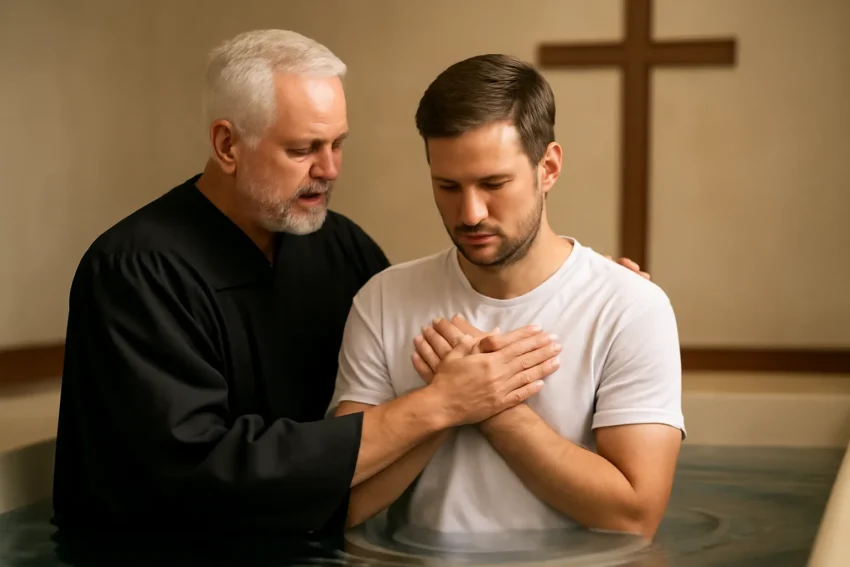
The actual rite of baptism is typically carried out by immersion in water, though some denominations practice pouring or sprinkling. Common elements include:
Confession of faith—The candidate publicly professes trust in Jesus Christ as Lord and Savior.
Professional baptismal act—The person is submerged in water (immersion) or had water poured/sprinkled as a symbol of cleansing and dedication.
Pronouncement by an officiant—A minister, pastor, or authorized elder pronounces the baptism, often with prayers invoking God’s grace and protection over the new believer.
Community welcome—The gathered community acknowledges the new member and commits to support the believer in the journey of faith.
Post-Baptism Life and Discipline
Baptism is not the end of the journey but a commissioning moment. After the rite, many churches emphasize ongoing discipleship, regular participation in worship, growth in spiritual disciplines, and involvement in ministry. The concept of being born again continues to unfold as the believer pursues a life shaped by the Holy Spirit, aligned with Scripture, and engaged in Christian mission.
Modes of Baptism: Immersion, Pouring, and Sprinkling
The mode of baptism has long been a point of discussion among Christians. While immersion is the most common method associated with believer’s baptism, other modes—pouring and sprinkling—are practiced by several traditions for historical, theological, or practical reasons.
Baptism by immersion—The candidate is fully submerged in water, symbolizing death to the old life and rising to new life. This mode is widely associated with believer’s baptism in evangelical circles.
Baptism by pouring—Water is poured over the head, often used when immersion is impractical, such as in certain climates or when a applicant has medical or logistical constraints.
Baptism by sprinkling—Water is sprinkled on the head; historically connected to infant baptism in some traditions but also used for adults in particular contexts.
For many denominations that emphasize the new birth, immersion is seen as the most faithful sign of dying and rising with Christ. Others are guided by their historical creeds or practical considerations. Regardless of the method, the theological significance remains the same for those who affirm the rite as a confession of faith and a public pledge to walk in obedience to Christ.
Infant Baptism vs Believer’s Baptism: A Major Point of Difference
A central debate in Christian practice concerns whether baptism should be administered to infants or only to individuals who can consciously confess faith. The term born again baptism is most closely associated with the latter; however, several traditions do practice infant baptism and interpret it within a framework of covenant community and grace.
Infant baptism—Often tied to a belief in the covenant community, assurance of grace, and the nurture of faith by parents and the Church. In these traditions, baptism is sometimes viewed as a sign and seal of God’s grace that prepares for a later profession of faith.
Believer’s baptism—Rooted in the conviction that baptism should follow a personal decision to trust Christ. This aligns with the language of being born again as a regenerated person who can consciously testify to salvation.
Both approaches maintain deep commitments to Scripture and to the church’s mission, and both aim to bring individuals into a life of faith and obedience. Readers should recognize that the practice in any given church is shaped by its theological heritage and ecclesial tradition, even as it honors the essential symbolism of the baptismal rite.
Historical Perspectives: How the Practice Evolved
The practice of baptism has a long and varied history. In the earliest centuries of the church, baptism was a rite of initiation into the faith community, often connected to catechesis and post-conversion instruction. Over the centuries, different streams emerged:
Early church—Baptism was closely tied to repentance and instruction; water immersion was common in many places because it symbolized the dying and rising with Christ.
Medieval period—Infant baptism gained prominence in many regions, with baptismal rites becoming more ceremonial and often tied to the church’s sacramental system.
Reformation era—Protestant reformers emphasized the authority of Scripture and frequently insisted on credible profession of faith before baptism, reaffirming the practice of believer’s baptism in many groups.
Modern era—A wide spectrum of practice exists today. Some denominations maintain infant baptism, others practice believer’s baptism, and many combine both approaches within different congregations.
The discussions of baptism’s nature—whether it conveys grace ex opere operato (by the act itself) or serves as a public outward sign of inward faith—continue to shape how contemporary churches teach and practice born again Christian baptism.
Contemporary Debates and Ecumenical Perspectives
In the modern church landscape, theologians and pastors often engage in constructive dialogue about baptism’s meaning and consequences. Some of the most common topics include:
Baptismal regeneration—The belief that baptism itself conveys or communicates grace for salvation or regeneration. While this view is part of some traditions, many evangelical circles argue that faith in Christ is the essential condition for salvation, with baptism serving as a necessary but symbolic public testimony.
Ecumenical understanding—Several denominations with different baptismal practices strive to recognize one another’s baptisms as valid, especially within broader movements that emphasize the unity of the body of Christ.
Pastoral considerations—Pastors consider how best to counsel families, ensure informed consent, and provide ongoing discipleship after baptism.
The robustness of the believer’s baptism tradition lies in its emphasis on personal decision, public witness, and ongoing discipleship. Even when there is disagreement about the nuances of grace, most Christians agree that baptism is a meaningful, biblically grounded practice that serves the church’s mission of making disciples.
The Baptismal Covenant: Symbolism and Covenant Responsibilities
A key feature of born again baptism is the sense that the act creates or formalizes a covenant relationship with God and with the local church. The covenant includes:
Commitment to follow Christ in daily life, worship, and mission.
Participation in the life of the church—including worship, teaching, service, and fellowship.
Becoming a member of the community of believers—through the community’s recognition, accountability, and support.
Practical Guidance for Individuals Considering Believer’s Baptism
If you are exploring the step of baptism as part of a born again journey, here are some practical considerations:
Pray and study the gospel to understand what faith in Christ means for your life.
Seek guidance from a pastor or trusted mature believers who can provide counsel and help you articulate your faith testimony.
Be prepared to share your personal testimony of how you came to trust Jesus, including transformed desires, convictions, and commitments.
Understand the local church’s expectations for baptism, including any catechesis, classes, or testimonies required.
Remember that baptism is both a personal decision and a communal event—embrace both aspects with gratitude and responsibility.
Conclusion: The Ongoing Significance of Born Again Baptism
Born again baptism remains a powerful symbol of the transformative work of God in a believer’s life. Whether viewed as a sign of regeneration, a public confession of faith, or a covenant entry into the church, the practice expresses a shared conviction across diverse Christian traditions: that life with Christ begins not by human effort alone, but by receiving Christ, surrendering to His lordship, and walking in obedience after a credible profession of faith.
As churches continue to teach and practice baptism of believers, they seek to respect biblical precedent while engaging with contemporary life. For some, baptism is immediately after conversion as a sincere public testimony of the new life; for others, baptism is pursued within a formal program of discipleship to ensure maturity and readiness. In all cases, the central aim remains the same: to honor God, build up the church, and invite others into the life-transforming reality of the gospel.
Glossary of Key Terms
To help readers grasp the terminology commonly used in the conversation about born again Christian baptism, here is a brief glossary:
Believer’s baptism—Baptism administered to a person who professes personal faith in Christ, typically by immersion.
Credobaptism—Another term for baptism of those who confess faith (from credo, «I believe»).
Infant baptism—Baptism administered to infants, often understood as entry into the covenant community.
Regeneration—The spiritual rebirth or renewal by the Holy Spirit.
Immersion—A mode of baptism in which the candidate is submerged in water.
Sprinkling/Pouring—Alternative modes of baptism with water being applied to the head.