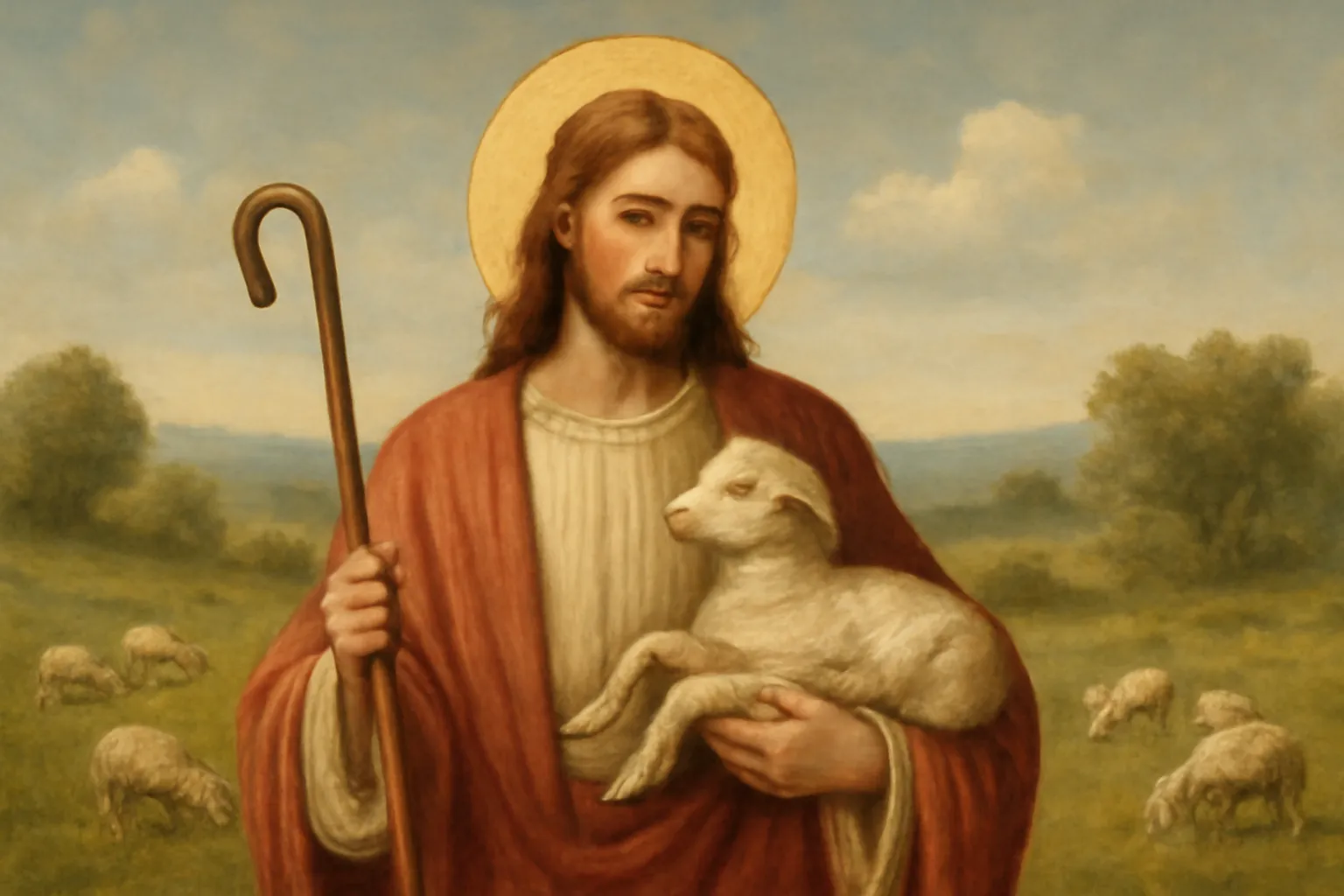
Overview and Significance of Psalm 23 in Catholic Tradition
Psalm 23 is one of the most beloved passages in the Catholic spiritual life. Known as the shepherd’s psalm, it invites the believer into a intimate dialogue with God as a gentle guide, protector, and generous host. In Catholic devotion, Psalm 23 is frequently read at moments of consolation and funeral rites, yet its message is not merely for times of sorrow. It offers a steady rhythm of trust: God’s guidance, provision in green pastures, peace beside still waters, the comfort of divine presence in the most challenging places, and the promise of dwelling in God’s house forever.
The Catholic tradition emphasizes that this psalm speaks not only to an individual heart but to the whole community of faith. It appears in the Psalter used in the liturgy, in personal prayer, and in the classic spiritual formation of many saints who learned to hear the Lord’s voice as a shepherd speaks to a beloved sheep. In exploring a Catholic version of Psalm 23, we encounter a rich tapestry of translation, liturgical usage, and devotional practices that illuminate how the same lines have spoken to believers across centuries.
Translations in Catholic Tradition: Variations and What They Mean
When Catholics speak of Psalm 23, they often refer to several interrelated versions that have shaped prayer and worship. Three major strands stand out:
Douay-Rheims (English) Translation — the classic Catholic English text that has guided English-speaking Catholics for generations. It preserves a traditional cadence and vocabulary that many find especially fitting for prayerful recitation.
Latin Vulgate — the ancient Latin text of the Church that underpins Catholic biblical study and the liturgy. Psalm 23 in Latin begins with the famous line “Dominus pascit me”, which anchors the text in the Latin Catholic tradition.
Modern Catholic Translations (e.g., NABRE) — contemporary English renderings used in many parishes today. These versions reflect updated scholarship while remaining faithful to the Catholic understanding of the psalm’s imagery and message.
While the wording may differ slightly across translations, the core meaning remains consistent: the Lord is a shepherd who tends, restores, and accompanies His people. In Catholic practice, this message is not merely theological; it is lived experience—the assurance that God guides us through every season of life.
Douay-Rheims English Version: Psalm 23 in Catholic English
The Douay-Rheims (DR) English translation of Psalm 23 presents a traditional and well-loved wording that many Catholics memorize and recite. Below is the full text of Psalm 23 in this venerable Catholic rendering:
The Lord is my shepherd; I shall not want.
He maketh me to lie down in green pastures: he leadeth me beside the still waters.
He restoreth my soul: he leadeth me in the paths of righteousness for his name’s sake.
Yea, though I should walk in the valley of the shadow of death, I will fear no evil: for thou art with me; thy rod and thy staff comfort me.
Thou preparest a table before me in the presence of mine enemies: thou hast anointed my head with oil; my cup runneth over.
Surely goodness and mercy shall follow me all the days of my life: and I will dwell in the house of the Lord for ever.
Within this text, several phrases are especially central for Catholic devotion:
“The Lord is my shepherd” — a declaration of intimate relationship with God.
“I shall not want” — a statement of trust that God provides what is truly needful.
“green pastures” and “still waters” — symbols of nourishment and peace that the Lord provides.
“valley of the shadow of death” — a sober acknowledgment of danger and fear, met with divine presence.
“thy rod and thy staff comfort me” — God’s guidance and protection offered with tenderness.
“Surely goodness and mercy shall follow me” and “I will dwell in the house of the Lord forever” — the arc of trust leading to eternal communion with the Lord.
Latin Vulgate Psalm 23: A Window into the Catholic Liturgy
The Latin Vulgate is the historic scriptural text of the Catholic Church. In the Vulgate, Psalm 23 opens with the famous line “Dominus pascit me”, binding the psalm to the traditional Catholic sense of the Lord as shepherd. The Latin line itself has served as a touchstone for liturgical prayer, Gregorian chant, and catechesis for centuries.
A faithful Catholic understanding of Psalm 23 in Latin emphasizes God’s care, guidance, and generosity toward all who belong to Him. The imagery of shepherding, green pastures, and generous provision translates across languages and cultures, inviting Catholics to see their lives as a journey led by a God who is both intimate and powerful.
If you are studying the Latin text, you might begin with the opening line: Dominus pascit me, which immediately communicates the sense that God takes the role of shepherd in a way that is both personal and authoritative. The rest of the psalm in Latin continues to unfold that image, presenting a path of righteousness, a shelter in danger, and a feast of blessing in the presence of adversaries.
Modern Catholic Translations and Practical Paraphrase
In contemporary Catholic prayer, many people use modern English translations such as the NABRE (New American Bible Revised Edition) in liturgy and personal prayer. While the exact wording may differ from the Douay-Rheims, the theological core remains the same: the Lord shepherds, sustains, disciplines when needed, and invites the believer into a life of trust.
For devotional purposes, it can be helpful to have a paraphrase or a line-by-line reflection of Psalm 23 that speaks in modern language while preserving the ancient imagery. Here is a concise paraphrase that captures the sense without replacing the sacred text:
The Lord is my guide and guardian; I lack nothing essential. He leads me to places of nourishment and calm waters. He refreshes my heart, directs me along the right paths for His name’s sake. Even when I walk through danger, I fear nothing, for He is with me; His support strengthens me. He prepares a banquet for me in the sight of my foes; He anoints me with praise and fills my life to the brim. Goodness and mercy will accompany me every day of my life, and I will live with the Lord forever.
In Catholic study and prayer groups, comparing the Douay-Rheims wording with a modern paraphrase can illuminate how the same divine actions are described with different shades of meaning. Compare for example the language of “lie down in green pastures” with the more contemporary “go to a place of nourishment”, and you will notice how imagery shapes your experience of trust and dependence on God.
Prayers Based on Psalm 23: Catholic Devotional Practices
Psalm 23 lends itself to a variety of Catholic prayer formats: personal invocations, liturgical recitations, and contemplative meditations. Below are several ready-to-use prayers and devotional practices drawn from the themes of Psalm 23.
Prayer for Trust in God as Shepherd
Lord Jesus, You are my shepherd; lead me through every valley and along every path. Help me to rest in Your green pastures of grace and to drink deeply at the still waters of Your peace. When I fear, may I feel Your hand guiding me with rod and staff—a sign of protection and care. Let Your goodness and mercy be the guiding light of my days, and may I dwell with You in Your Father’s house forever. Amen.
God, our protector, as night settles in, I lean on Your steadfast love. Grant me rest in Your care, calm my anxious thoughts, and refresh my soul with Your truth. May Your kindness surround me tonight, and may I awaken ready to follow You again along paths of righteousness for Your name’s sake. Through Christ our Lord. Amen.
Act of Confidence Based on Psalm 23
Acknowledge God as Shepherd who knows what you need.
Offer thanks for the times He has led you to green pastures and still waters.
Place your fears before Him in the valley of shadows and invite His presence to dispel them.
Ask Him to prepare a table of grace before you in every trial and to fill your life with His mercy and goodness.
Commit to dwelling in the house of the Lord, not only in life but for all eternity.
Intercessory Prayer Using Psalm 23 Imagery
God of mercy, we lift up those who are tired, afraid, or overwhelmed. Be their shepherd, guiding them to places of nourishment and rest. Shield them from harm, comfort them in distress, and surround them with the blessing of Your presence. Let your faithful love accompany them every day, and draw them ever closer to Your eternal house where Your light shines forever. Amen.
Theological Themes: What Psalm 23 Teaches in Catholic Spirituality
God as Shepherd — a personal, intimate image that invites trust and surrender.
Provision and Rest — green pastures and still waters symbolize nourishment and peace for the whole person—body and soul.
Guidance in Righteousness — God leads for His name’s sake, preserving the integrity of the Christian path.
Presence in Danger — the valley of the shadow of death is not a place of condemnation but of companionship.
A Holy Banquet — even amid opposition, God’s blessing is abundant, signified by the prepared table and the oil of anointing.
Mercy and God’s Dwelling — goodness, mercy, and eternal worship in the house of the Lord describe a life oriented toward God’s homecoming.
Psalm 23 in Liturgy and Devotion: How Catholics Encounter It Publicly
Psalm 23 is frequently proclaimed in Catholic liturgy. It is a common responsorial psalm in Masses, especially during funerals or times of consolation, and it appears in the Liturgy of the Hours as well. The imagery of shepherding is particularly resonant in the Catholic tradition because it echoes Jesus’ own description of His followers as sheep and Himself as the Good Shepherd (John 10). In monastic and parish settings, priests and religious use Psalm 23 as a steadfast anchor in the psalter, inviting the faithful to trust in God’s care during every season of life.
In catechesis, Scripture study groups, and spiritual direction, Psalm 23 is explored not only as a line-by-line meditation but as a framework for living a life of trust. The cadence of the psalm helps believers slow down, recognize God’s provision, and respond with gratitude and fidelity.
Reflection Questions for Personal Contemplation
When you think of God as shepherd, what situations in your life come to mind where you most need guidance?
What does it mean to trust God in the “valley of the shadow of death”? How have you experienced His presence in difficult moments?
Which lines of Psalm 23 speak most clearly to your current rhythm of life—your daily work, relationships, and spiritual practices?
How can you cultivate gratitude for the “goodness and mercy” that follow you day by day?
In what ways can you share the shepherd’s care with others—family, friends, or those in need?
Practical Tips for Personal Psalm 23 Devotion
Use a quiet time routine to read Psalm 23 slowly, repeating phrases that strike you, and then sit in silence for a few minutes.
Pair the psalm with a short examination of conscience or a time of gratitude journaling, noting how God’s provision has shown up in your day.
Incorporate the psalm into a night prayer to invite God’s protection and peace before sleep.
Share a short line of the psalm with someone who needs encouragement, fostering the sense of community under the Lord’s shepherding care.
Conclusion: The Living Word of Psalm 23 in Catholic Life
Psalm 23 remains enduringly relevant for Catholics because it speaks to the core longing of the human heart: to be known, cherished, guided, and kept safe by a loving God. Whether you approach it through the Douay-Rheims English translation, the Latin Vulgate, or a modern Catholic English rendering, the psalm invites you into a living encounter with the Lord who shepherds His flock. It calls you to trust in God’s care, to rest in His peace, and to follow the path of righteousness with confidence that you are never alone. The Catholic practice of meditating on this psalm—through prayer, liturgy, and reflection—transforms it from a text on a page into a living conversation with the God who loves you as a shepherd loves His flock.
If you would like to explore Psalm 23 further, consider pairing this article with a guided Lectio Divina session, a church’s scheduled psalmody, or a personal devotional routine that emphasizes trust, rest, and gratitude. In that rhythm, the 23rd Psalm continues to be not only a familiar line of verse but a vital expression of faith that sustains the Catholic believer on the journey toward the Father’s house.