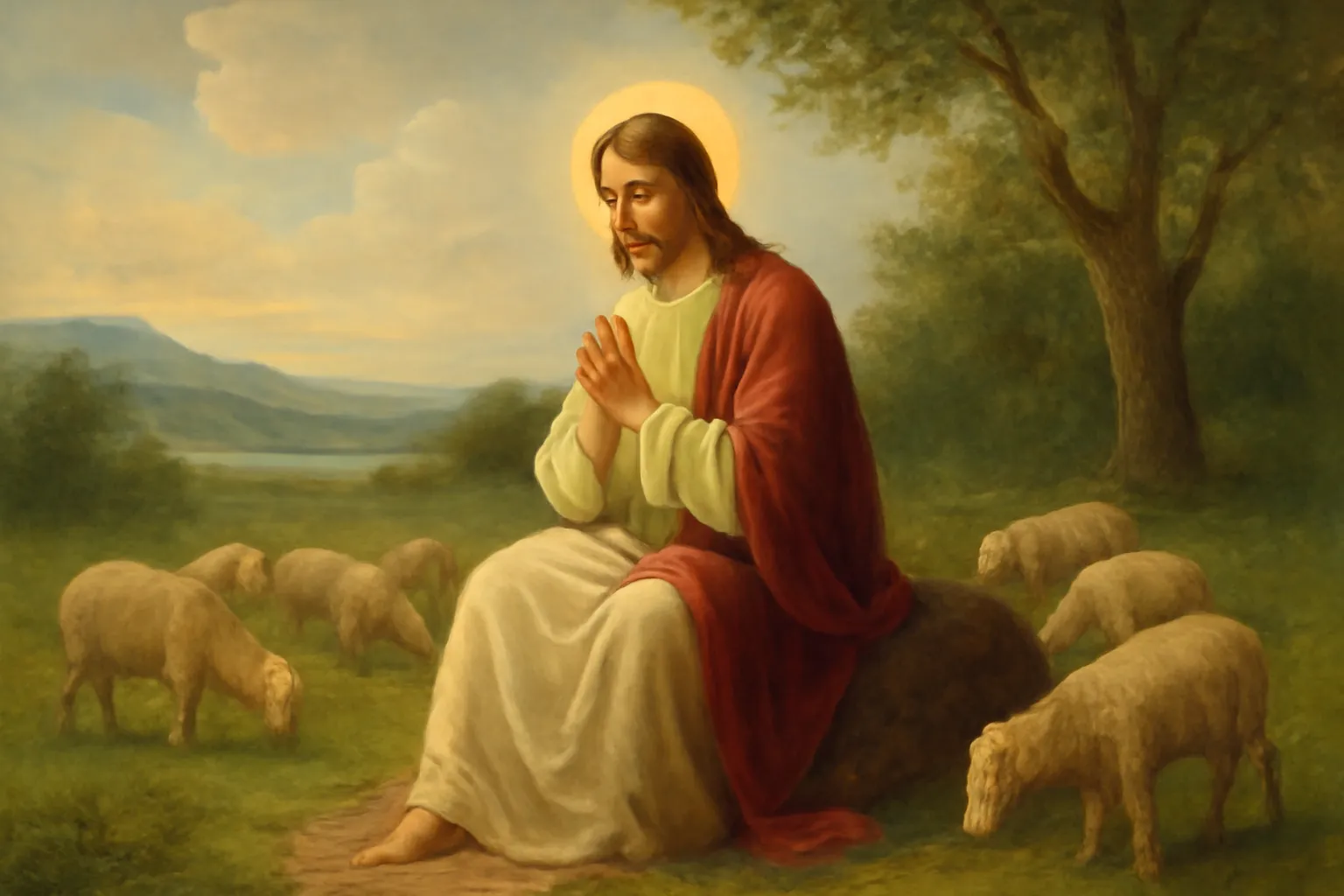
Introduction: The 23rd Psalm in Catholic Tradition
The 23rd Psalm Catholic Bible is one of the most cherished passages in Christian spirituality. In Catholic circles, this Psalm—often titled the Shepherd Psalm in English—offers a compact meditation on God’s care, protection, and providence. Known for its serene imagery of green pastures and still waters, the Psalm embodies the Catholic understanding of God as a loving shepherd who shepherds, restores, guides, and sustains his people through life’s most challenging hours.
Across the centuries, Catholics have turned to this Psalm in many contexts: during daily prayers, at important moments of life, and in the rites of the Church. The purpose of this article is to provide a comprehensive guide to the Psalm 23 in Catholic tradition, clarifying how it is read, interpreted, and applied within Roman Catholic faith and worship. We will explore textual history, liturgical uses, spiritual meanings, and practical ways to meditate on this psalm as a living, praying Catholic today.
Numbers and Text: How Catholic Tradition Names Psalm 23
Before delving into exegesis and devotion, it is helpful to understand how the 23rd Psalm Catholic Bible differs in numbering and text across traditions. In the Hebrew Bible, the psalms are organized a certain way, and in the Greek Septuagint and Latin Vulgate, the numbering shifts by one in several places. For Catholics, the canonical Psalter is shaped by the Latin Vulgate, which provides a numbering system that many Catholics follow in liturgical practice.
In Catholic usage, the first line is commonly rendered as «The Lord is my shepherd» (the opening in Latin is often cited as “Dominus pascit me”). This makes Psalm 23, in Catholic Bibles, the same text often referred to in English as Psalm 23. It is worth noting that in the Jewish and most Protestant traditions, the same psalm may be numbered as Psalm 22. The Catholic approach, however, consistently identifies this beloved passage as Psalm 23 in the Latin and in the English versions that follow the Latin-Vulgate order.
Authorship, Date, and Canonical Position
The Catholic tradition attributes Psalms to multiple authors, with King David often identified as the principal author of many psalms. In the case of the 23rd Psalm Catholic Bible, the traditional attribution to David remains a part of common teaching, even as modern Scripture study emphasizes that the Psalter grew over time through the work of multiple editors and compilers. The title of this psalm as the “Shepherd Psalm” captures a key image that the Catholic spiritual life has embraced: God as shepherd, guide, and protector.
Textual Variants in Catholic and Protestant Editions
Catholics commonly use translations based on the Latin Vulgate, such as the Douay-Rheims Bible or the newer New American Bible, Revised Edition (NABRE). These translations preserve a particular cadence and vocabulary that shape Catholic devotional reading. While modern ecumenical translations aim for accuracy and readability, Catholic readers frequently return to the traditional cadence of the Vulgate-based Psalm 23, especially in liturgical contexts and family prayer.
The Psalm in Catholic Liturgy and Devotion
The 23rd Psalm Catholic Bible has a prominent place in Catholic liturgy and devotional practice. Its imagery of a merciful shepherd resonates with the Church’s understanding of God’s care for every person, from the baptized infant to the elderly believer. The psalm is often prayed in the Liturgy of the Hours (the Divine Office) and is a popular choice for funerals, bedside prayer, and moments of personal consolation.
Liturgical Uses: Where Psalm 23 Appears in Catholic Worship
Divine Office (Liturgy of the Hours): The psalm is used in various hours of the daily office, depending on the liturgical calendar and local customs. Its themes of guidance, protection, and blessing fit naturally into morning and evening prayer patterns.
Mass and Liturgy: While not always part of the current Mass proper, Psalm 23 can be proclaimed as a responsorial psalm or included in special liturgical occasions, especially those focusing on God’s mercy and care.
Funeral Rites: Perhaps most famously, Psalm 23 is a canonical choice for Catholic funeral liturgies, where its message of God’s shepherding love provides consolation to grieving families and faith communities.
Sacramental and devotionals: In individual prayer or family prayer, Psalm 23 is invoked for healing, guidance, and restoration. It serves as a reliable anchor during times of fear or hardship.
Three Classic Devotional Angles in the Catholic Tradition
Comfort in Trouble: The psalm reassures believers that even in the darkest valley, God’s presence dispels fear.
Providence and Eucharistic Imagery: The imagery of feeding at a table in the presence of enemies evokes God’s gracious providence, which Catholics recognize as fulfilled in Christ’s paschal mystery and Eucharistic nourishment.
Hope for Eternal Dwelling: The final line about dwelling in the house of the Lord “forever” anchors Catholic hope in eternal life with God.
Theological Themes in the 23rd Psalm Catholic Bible
The Psalm 23 Catholic Bible offers a compact map of essential biblical motifs that recur across Catholic spirituality. Below are the central themes that Catholics often emphasize when they read or preach this psalm.
God as Shepherd: Care, Guidance, and Protection
The opening line frames God as a loving caretaker who leads the faithful. The image of a shepherd caring for a flock is deeply rooted in biblical history, and Catholic theologians see in this portrait a profound statement about God’s intimate knowledge of each person. The shepherd’s role is not distant but personal: the Lord pascit me (feeds, tends, and sustains). This leads to trust, security, and a sense of being known by name.
Rest and Renewal: Green Pastures and Still Waters
The Psalm’s language of pasture and waters symbolizes restoration and peace in God’s presence. In Catholic spirituality, these images invite the faithful to cultivate interior silence and receive God’s grace as a source of refreshment for body and soul.
Righteous Paths: Moral Guidance as Divine Mercy
The line about guiding the believer along “paths of righteousness for his name’s sake” underlines that divine guidance is not arbitrary but aligned with God’s truth and mercy. For Catholics, this theme has pastoral implications: the Church’s teaching, sacraments, and community life help form conscience, leading believers toward holiness and fidelity to God’s will.
Path through Fear: The Valley of the Shadow of Death
One of the psalm’s most powerful images is the journey through danger with God’s presence. Catholic readers hear not a denial of danger but a proclamation of courage grounded in God’s companionship, assurance, and protection. The imagery invites a trust that endures even under trial.
Divine Presence: Rod, Staff, and Comfort
The shepherd’s tools—the rod and staff—are symbols of discipline, guidance, and protection. In Catholic interpretation, these instruments signify God’s care to lead the flock away from harm while offering comfort during difficult moments.
Abundance Amid Adversity: The Table of Blessing
The psalm’s striking image of God preparing a table in the presence of enemies communicates a paradox: blessing and abundance can coexist with hostility. Catholic readers often connect this to God’s grace manifested in Eucharistic nourishment and the Church’s spiritual banquet that continues despite life’s hardships.
Overflowing Blessing: Anointing and Cup Overflows
The anointing with oil and the cup that overflows symbolize divine favor and generosity. In Catholic devotion, this relates to the Holy Spirit’s work in sanctification and the abundance of grace bestowed through the sacraments and participation in the Church’s life.
Faithful Pilgrimage: Dwelling with the Lord Forever
The final blessing—“I shall dwell in the house of the Lord forever”—points toward eternal life and the ultimate communion with God. Catholics read this as a forward gaze toward the heavenly homeland promised by Christ and fulfilled in the communion of saints.
The 23rd Psalm Catholic Bible is enriched by a variety of translations used in Catholic life. While the essence remains the same, the cadence, word choices, and nuance can differ. Here are some helpful notes on how different Catholic and ecumenical translations render the Psalm.
Latin Vulgate: The foundational Catholic text for the Psalms; its numbering and phrasing shape how the Psalm is taught and prayed in the Roman Rite. The opening phrase “Dominus pascit me” highlights the shepherd motif central to Catholic reading.
Douay-Rheims: An English translation based on the Vulgate, known for its traditional cadence and language that many Catholic parishes still prefer for devotions and memorization.
NABRE (New American Bible, Revised Edition): A modern Catholic translation used in the United States; it aims for contemporary readability while preserving Catholic doctrinal sensibilities.
Jerusalem Bible and New Jerusalem Bible: Popular in Catholic communities worldwide for their literary style and theological nuance. They render the Psalm with idioms that reflect the broader scriptural landscape.
Other Catholic translations often used in liturgy or study include the New Catholic Bible, the Revised Standard Version Catholic Edition, and regional lectionaries that incorporate Psalm 23 into the daily prayer cycle.
Regardless of the specific translation, the central spiritual message remains coherent across Catholic readings: God’s care, guidance, and presence sustain believers through every season of life.
Catholics engage Psalm 23 in both communal liturgy and personal devotion. In addition to recitation, many Catholics practice meditative reading (lectio divina) to allow the text to shape daily life. The following sections outline practical ways to approach the 23rd Psalm Catholic Bible for spiritual growth.
Lectio Divina with Psalm 23: A Practical Guide
Lectio (Reading): Read the psalm slowly, aloud if possible, paying attention to words or images that touch the heart.
Meditatio (Meditation): Reflect on what the shepherd motif says about God’s care for you personally. Consider times when you felt led, rested, or protected.
Oratio (Prayer): Speak to God about your fears, needs, and gratitude; invite God to guide you in the paths of righteousness.
Contemplatio (Contemplation): Rest in the sense of God’s closeness, letting the reality of divine nearness shape your awareness and present moment.
Spiritual Exercises Centered on Psalm 23
Daily Psalm 23 devotion: Spend a few minutes each morning with a line or two from the psalm, letting it shape your day.
Prayer with imagery: Use the pasture and waters imagery during times of stress to recall God’s restorative care.
Petition and thanksgiving: Bring requests before the shepherd and thank God for past mercies, acknowledging present blessings.
Mindful Eucharistic reflection: Contemplate how the table prepared in the presence of enemies resonates with Eucharistic nourishment and the Church’s fellowship in adversity.
In Catholic funeral rites, Psalm 23 is a frequent comfort to families and communities. Its language of mercy, guidance, and eternal dwelling offers a theological lens through which grief can be read as conversion to deeper faith in God’s plan. The psalm’s final hope—peace in the Father’s house forever—provides a scriptural anchor for prayerful remembrance and mourning with faith.
The Psalm 23 Catholic Bible has influenced Catholic hymnody, catechesis, and art for centuries. The image of God as shepherd appears in catechetical explanations of God’s love and care. In Catholic art, the shepherd motif has been depicted with pastoral scenes, still waters, and tables prepared in the presence of enemies, inviting the faithful to contemplate divine abundance in the midst of life’s struggles.
Across languages and centuries, the Shepherd Psalm has inspired liturgical hymns and parish songs. In many languages, the refrain “The Lord is my shepherd” becomes a refrain for trust and hope. These cultural expressions often reflect a Catholic community’s experience of God’s intimate care.
The 23rd Psalm Catholic Bible is not a document of distant antiquity but a living companion for daily life. Here are practical suggestions for incorporating this psalm into everyday faith life.
Morning grounding: Begin the day with a short reading of Psalm 23 to set a stance of trust and dependence on God’s guidance.
Evening reflection: Use the psalm to close the day, recognizing God’s care in both triumphs and trials.
Family prayer: Include the psalm in family praying routines, inviting each member to share a line that resonates with them.
Scriptural cross-reference: Connect Psalm 23 with Jesus’ shepherd imagery in the Gospels (for example, the Good Shepherd discourse) to deepen the connection between Old and New Testament revelations.
Understanding a few central terms helps Catholics grasp the depth of this psalm. The following bolded phrases are especially significant in Catholic interpretation.
The Lord is my shepherd — God’s personal care for every believer.
Green pastures and still waters — places of peace, restoration, and spiritual nourishment.
Paths of righteousness — moral guidance aligned with God’s truth.
Valley of the shadow of death — life’s darkest moments where God’s mercy remains present.
Rod and staff — God’s guidance and protection in daily life.
Table prepared — divine generosity and blessing even amid opposition.
Anointing with oil — abundance of grace and favor in the life of the believer.
Surely goodness and mercy — immutable gifts from God that pursue the faithful.
Dwell in the house of the Lord — the ultimate aim of eternal fellowship with God.
The 23rd Psalm Catholic Bible remains a living piece of the Catholic spiritual tradition. It speaks to the longing for God’s care in the ordinary moments of life, and it speaks even more clearly to life’s most challenging moments. Its enduring message is not merely about coping with adversity but about growing in trust, in hope, and in a deep sense of belonging to God’s people. For Catholics, the shepherd imagery is not just a literary device; it is a lived reality in which God accompanies, sustains, and invites the faithful to share in his own life and mission.
In Catholic life, the 23rd Psalm Catholic Bible is more than a beautiful cadence of words. It is a theological and pastoral resource that nurtures confidence in God’s care, sustains hope in moments of fear, and invites the faithful to live with a forward gaze toward God’s eternal dwelling. Whether recited at dawn, prayed at a bedside, or proclaimed in a funeral liturgy, Psalm 23 remains a faithful companion on the journey of faith. Its shepherd’s voice reminds Catholics that they are never alone: the Lord is present, guiding them through every terrain, restoring their souls, and inviting them into the Father’s house for all eternity.